Best Time to Visit Akagera National Park: A Complete Seasonal Guide for Travelers
June 11, 2026
History of Volcanoes National Park: Rwanda’s Conservation Journey
June 13, 2026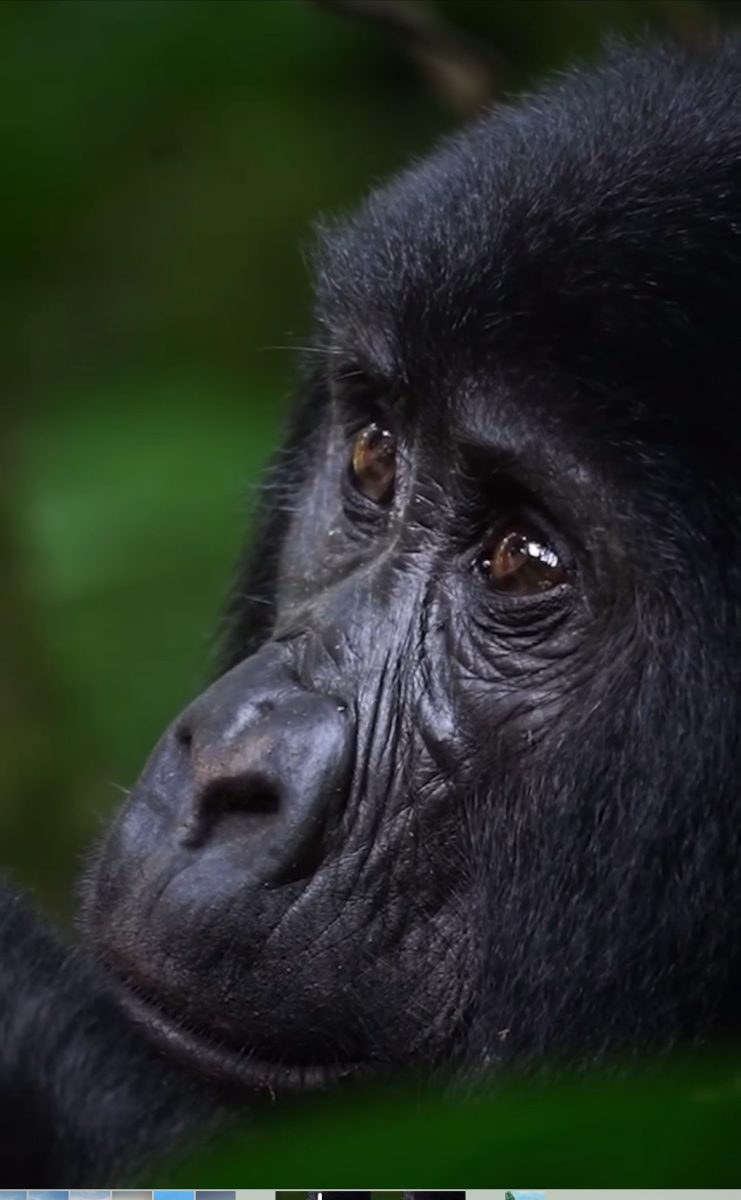
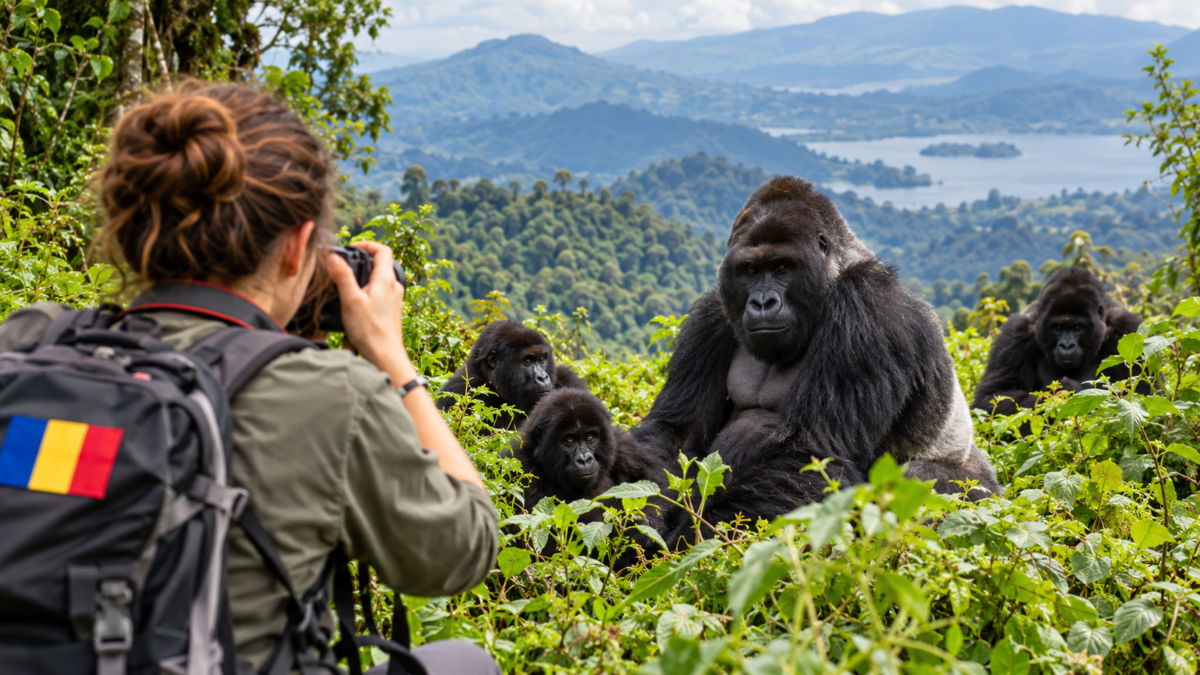
The Dian Fossey Legacy remains one of the most remarkable conservation stories in Africa. Deep within the lush forests of Volcanoes National Park, the work of Dian Fossey transformed the future of mountain gorillas and inspired global wildlife conservation efforts. Today, visitors from around the world travel to Rwanda not only to experience gorilla trekking but also to learn about the woman whose dedication helped save an endangered species from extinction.
Dian Fossey devoted nearly two decades of her life to studying and protecting mountain gorillas in the Virunga Mountains. Her groundbreaking research revealed the intelligence, social behavior, and emotional depth of these great apes. Through determination and courage, she fought against poaching and habitat destruction at a time when mountain gorillas faced a very uncertain future. As a result, her influence continues to shape conservation policies, gorilla tourism, and scientific research across East Africa.
Visitors who explore Volcanoes National Park with Zamunda Travels often discover that the story of Dian Fossey adds a deeper meaning to every gorilla trekking experience. Her legacy lives on through conservation programs, research initiatives, and the thriving gorilla population that now calls the park home.
Who Was Dian Fossey?
Dian Fossey was born in the United States in 1932. She developed a strong interest in wildlife and eventually traveled to Africa in the 1960s. Inspired by renowned paleoanthropologist Louis Leakey, Fossey began studying mountain gorillas in Rwanda.
In 1967, she established the Karisoke Research Center between Mount Karisimbi and Mount Bisoke. The research station became the base for her long-term study of mountain gorillas. Through daily observation, she documented gorilla family structures, communication methods, and social interactions. Her findings challenged many misconceptions about gorillas and demonstrated that they were gentle, intelligent animals rather than aggressive creatures.
Her research gained international recognition and attracted global attention to the challenges facing mountain gorilla populations. More importantly, her work created a foundation for modern gorilla conservation efforts throughout the region.
How the Dian Fossey Legacy Changed Gorilla Conservation
The Dian Fossey Legacy changed the course of mountain gorilla conservation forever. During the 1960s and 1970s, poaching posed one of the greatest threats to gorilla survival. Illegal hunters targeted gorillas for trophies, while others captured young gorillas for zoos and private collections.
Fossey actively fought against poachers operating in the Virunga region. She organized anti-poaching patrols, removed traps from the forest, and raised awareness about the dangers facing gorilla populations. Her actions often placed her in conflict with those who benefited from wildlife exploitation. Despite these challenges, she remained committed to protecting the animals she studied.
As international awareness grew, conservation organizations increased their support for mountain gorilla protection. Governments also strengthened wildlife protection measures. Consequently, mountain gorilla populations began to recover. Today, mountain gorillas represent one of the few great ape species whose population numbers have increased over recent decades.
Many conservationists consider the Dian Fossey Legacy to be the foundation upon which modern gorilla protection programs were built.
Visiting the Karisoke Research Center and the Dian Fossey Legacy
One of the most rewarding activities in Volcanoes National Park is the Dian Fossey Tomb Hike. This guided trek leads visitors through bamboo forests and mountain terrain to the former location of the Karisoke Research Center.
Along the trail, guides share stories about Fossey’s research, her daily life in the mountains, and her commitment to gorilla conservation. Hikers eventually reach the site where Fossey was laid to rest beside several gorillas she loved and protected throughout her career.
The experience offers a unique opportunity to connect with the history of conservation in Rwanda. Visitors gain a deeper appreciation for the challenges Fossey faced and the impact of her work on mountain gorilla survival. For many travelers, the hike becomes one of the most memorable highlights of their safari.
Zamunda Travels regularly includes the Dian Fossey Tomb Hike as part of customized Rwanda safari itineraries, allowing visitors to combine gorilla trekking with a meaningful conservation experience.
The Dian Fossey Legacy and Gorilla Tourism Today
The success of gorilla tourism in Rwanda reflects the lasting impact of the Dian Fossey Legacy. Before Fossey’s research, few people understood the importance of protecting mountain gorillas. Today, gorilla trekking generates significant revenue for conservation programs and local communities.
Tourism income helps fund ranger patrols, habitat protection projects, veterinary care, and community development initiatives. These programs create incentives for local residents to support conservation efforts while benefiting economically from tourism.
As a result, Volcanoes National Park has become one of Africa’s leading conservation success stories. Visitors who participate in gorilla trekking directly contribute to the protection of mountain gorillas and their habitat. This sustainable model continues to inspire conservation efforts around the world.
Through carefully planned tours with Zamunda Travels, travelers can experience firsthand how responsible tourism supports wildlife conservation while creating unforgettable adventures.
Lessons from the Dian Fossey Legacy
The Dian Fossey Legacy teaches valuable lessons about dedication, courage, and environmental stewardship. Fossey demonstrated that one person’s commitment can create lasting change. Her determination helped transform public attitudes toward gorillas and inspired generations of conservationists.
Her story also highlights the importance of scientific research in wildlife conservation. By understanding gorilla behavior and ecology, conservationists developed more effective strategies for protecting endangered populations. Furthermore, her work showed that conservation requires collaboration among researchers, governments, local communities, and tourists.
Today, conservation organizations continue to build upon the principles Fossey championed. Their efforts ensure that future generations can witness mountain gorillas in their natural habitat.
Why the Dian Fossey Legacy Remains Important
More than three decades after her death, the Dian Fossey Legacy remains highly relevant. Habitat loss, climate change, and human population growth continue to threaten wildlife across Africa. Fossey’s story serves as a reminder that conservation requires ongoing commitment and vigilance.
Her work helped establish Rwanda as a global leader in wildlife conservation and sustainable tourism. The thriving mountain gorilla population found in Volcanoes National Park stands as a living testament to her dedication and vision.
Every visitor who encounters mountain gorillas in Rwanda benefits from the conservation foundation that Fossey helped create. Her influence can be seen in every protected forest, every ranger patrol, and every successful conservation initiative operating within the region today.
Conclusion
The Dian Fossey Legacy represents one of the greatest achievements in wildlife conservation history. Through groundbreaking research, fearless advocacy, and unwavering dedication, Dian Fossey helped save mountain gorillas from the brink of extinction. Her work transformed Volcanoes National Park into a symbol of conservation success and inspired people around the world to value and protect endangered wildlife.
Today, travelers can honor her memory by visiting Volcanoes National Park, trekking mountain gorillas, and exploring the historic Karisoke area. With Zamunda Travels, visitors can experience the extraordinary story of Dian Fossey while contributing to the continued protection of Rwanda’s incredible natural heritage.