The Legacy of Dian Fossey in Volcanoes National Park
June 13, 2026
Golden Monkey Tracking in Volcanoes National Park: A Unique Primate Adventure in Rwanda
June 13, 2026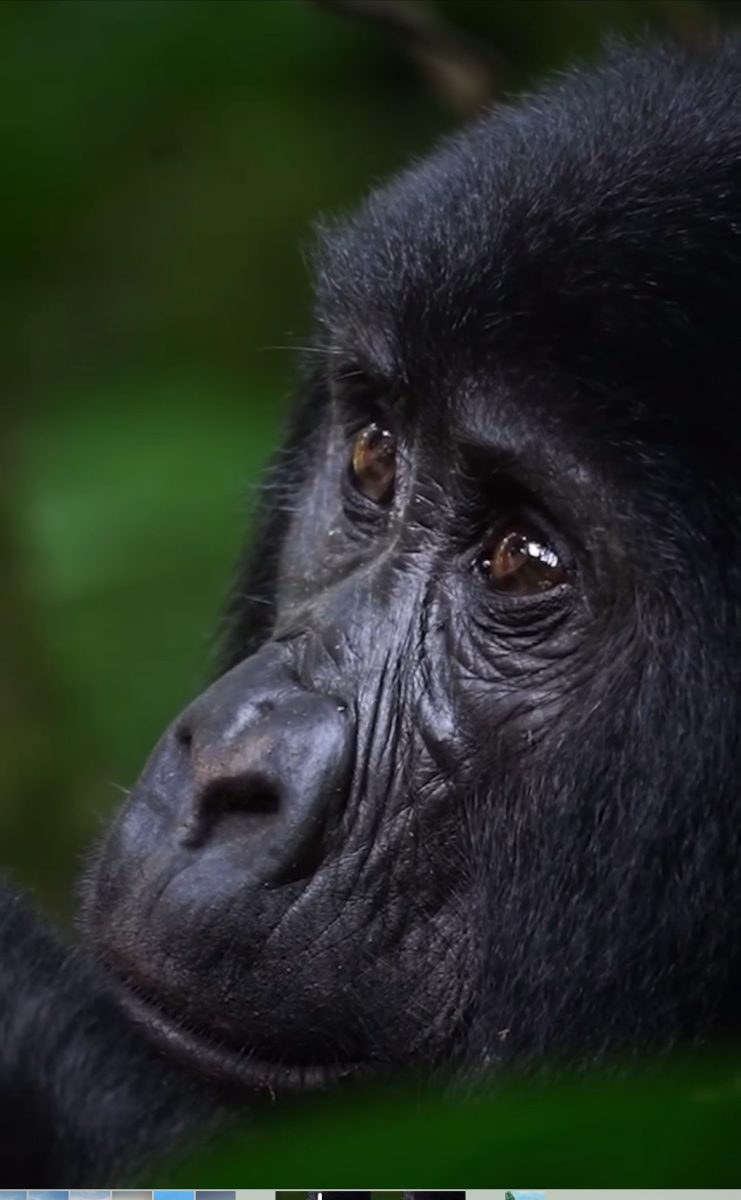
The history of Volcanoes National Park reflects one of Africa’s most remarkable conservation stories. Located in northwestern Rwanda, the park forms part of the greater Virunga Conservation Area that stretches across Rwanda, Uganda, and the Democratic Republic of Congo. Today, thousands of travelers visit the park to see endangered mountain gorillas and explore the spectacular volcanic landscapes. However, the history of Volcanoes National Park began long before gorilla trekking became one of Africa’s most sought after wildlife experiences. Over the decades, the park has survived political changes, habitat loss, poaching threats, and regional conflicts. At the same time, it has become a global model for wildlife conservation and sustainable tourism. Through carefully managed protection efforts and community involvement, Volcanoes National Park continues to preserve one of the world’s most important ecosystems.
The Early History of Volcanoes National Park
The history of Volcanoes National Park officially began in 1925 when the Belgian colonial administration established a protected area in the Virunga Mountains. At that time, authorities created the reserve primarily to protect mountain gorillas from excessive hunting and habitat destruction. The original protected area covered parts of present-day Rwanda and the Democratic Republic of Congo. As human populations expanded across the region, forests faced increasing pressure from agriculture and settlement. Consequently, conservationists recognized the urgent need to preserve the unique wildlife and volcanic habitats found within the Virunga range.
During the early years, conservation efforts remained limited because wildlife management practices were still developing throughout Africa. Nevertheless, the park’s establishment marked a major milestone. It became one of Africa’s earliest national parks and demonstrated a growing awareness of the importance of environmental protection. As a result, the foundations for future conservation programs were firmly established.
Colonial Conservation and Protected Areas
During the colonial period, park authorities focused mainly on preserving wildlife and maintaining forest cover. However, local communities often had limited involvement in conservation decisions. Many people depended on the surrounding forests for resources such as firewood, medicinal plants, and grazing land. Therefore, tensions occasionally arose between conservation objectives and community needs.
Despite these challenges, the protected status helped prevent extensive habitat destruction in the volcanic region. Over time, scientists and conservationists gained a better understanding of the area’s ecological importance. Their research highlighted the need for stronger protection measures, especially for mountain gorillas, which faced growing threats across their range.
History of Volcanoes National Park and Dian Fossey’s Legacy
A major chapter in the history of Volcanoes National Park began in 1967 when renowned primatologist Dian Fossey established the Karisoke Research Center between Mount Karisimbi and Mount Bisoke. Fossey arrived in Rwanda to study mountain gorillas in their natural habitat. Her groundbreaking research transformed global understanding of gorilla behavior and social structures.
Through daily observation, Fossey documented the intelligence, social bonds, and gentle nature of mountain gorillas. More importantly, she launched aggressive anti poaching campaigns that helped reduce illegal hunting activities. At a time when gorilla populations were declining rapidly, her efforts drew international attention to the urgent need for conservation.
Although Fossey faced numerous challenges and controversies during her work, her influence remains significant today. The Karisoke Research Center continues to operate and contributes valuable scientific research. Furthermore, her conservation legacy inspired many organizations to support gorilla protection throughout the Virunga region.
The Impact of Dian Fossey on Gorilla Conservation
Dian Fossey’s work transformed mountain gorillas from little known primates into global conservation icons. Her research generated worldwide awareness and encouraged governments, conservation groups, and donors to invest in wildlife protection. Consequently, gorilla conservation became a central priority within Volcanoes National Park.
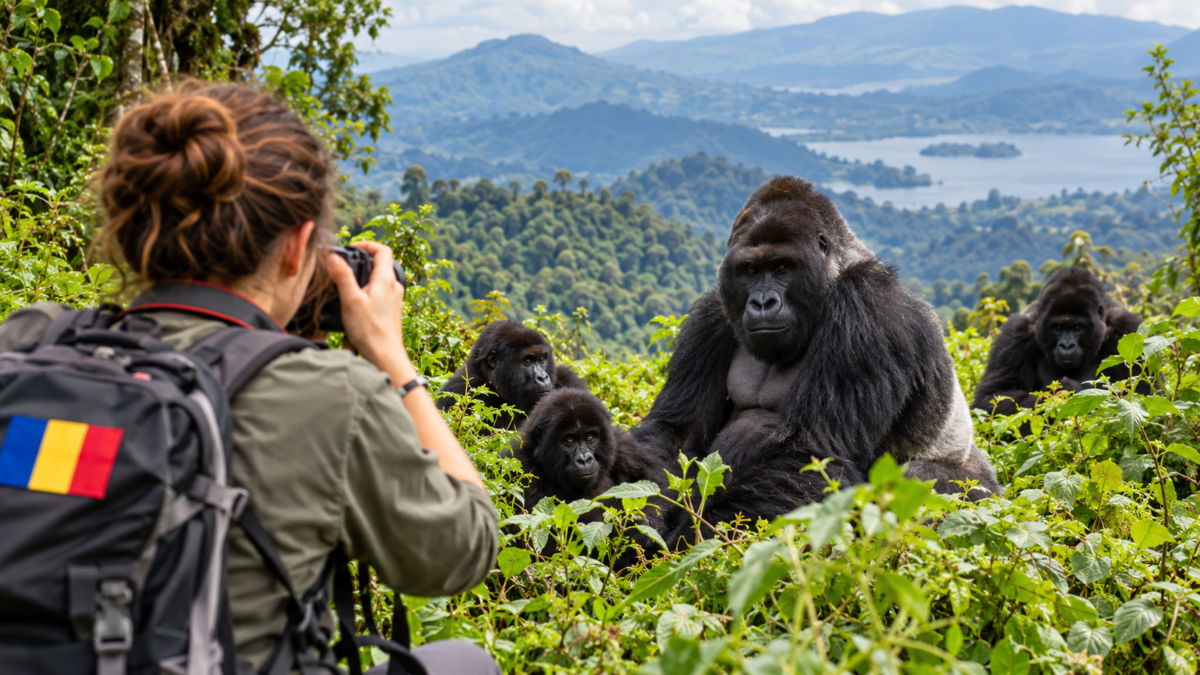
Today, many visitors who participate in gorilla trekking learn about Fossey’s contributions during their safari experience. Companies such as Zamunda Travels often include educational components that highlight her role in shaping modern conservation efforts within the park.
Challenges in the History of Volcanoes National Park
The history of Volcanoes National Park includes several difficult periods. Throughout the twentieth century, growing human populations increased demand for farmland and natural resources. As a result, sections of the park were reduced in size to accommodate agricultural expansion. These reductions led to habitat loss and increased pressure on wildlife populations.
In addition, regional instability affected conservation operations. Political tensions and conflicts sometimes disrupted tourism activities and wildlife monitoring programs. During these periods, conservation organizations worked closely with government authorities to maintain protection efforts and support local communities.
Poaching also presented a serious challenge. While mountain gorillas were not usually targeted directly, traps set for other animals often injured gorillas. Therefore, anti poaching patrols became an essential component of park management. Rangers continuously removed snares and monitored wildlife populations to reduce threats.
The Modern History of Volcanoes National Park
The modern history of Volcanoes National Park demonstrates how conservation and tourism can work together. Since the 1990s, Rwanda has invested heavily in environmental protection, wildlife management, and sustainable tourism development. These efforts have strengthened the park’s international reputation while generating important revenue for conservation.
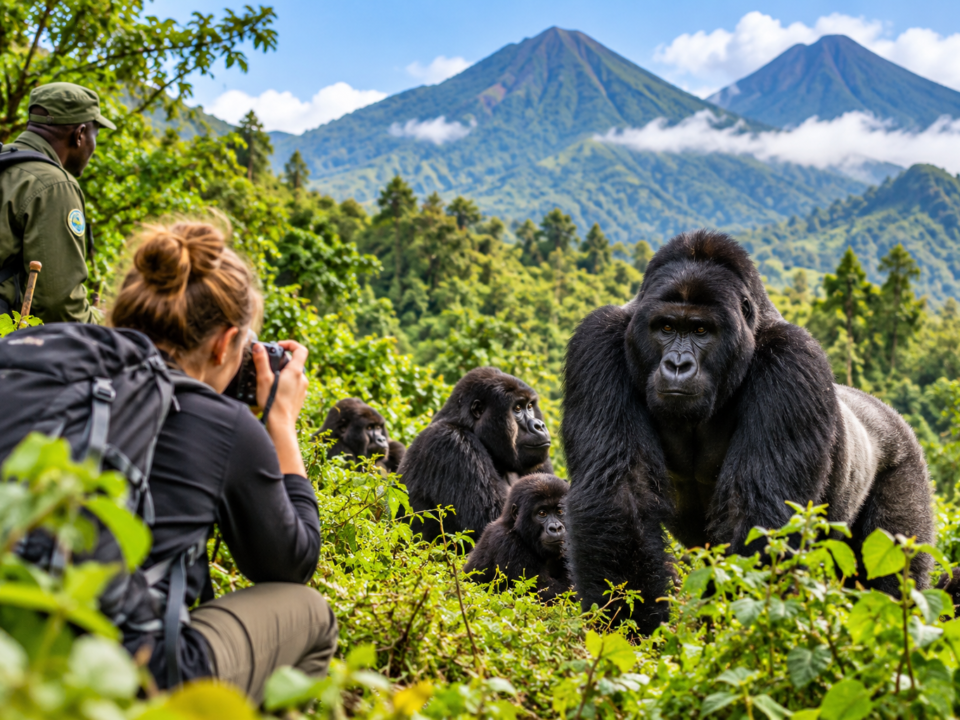
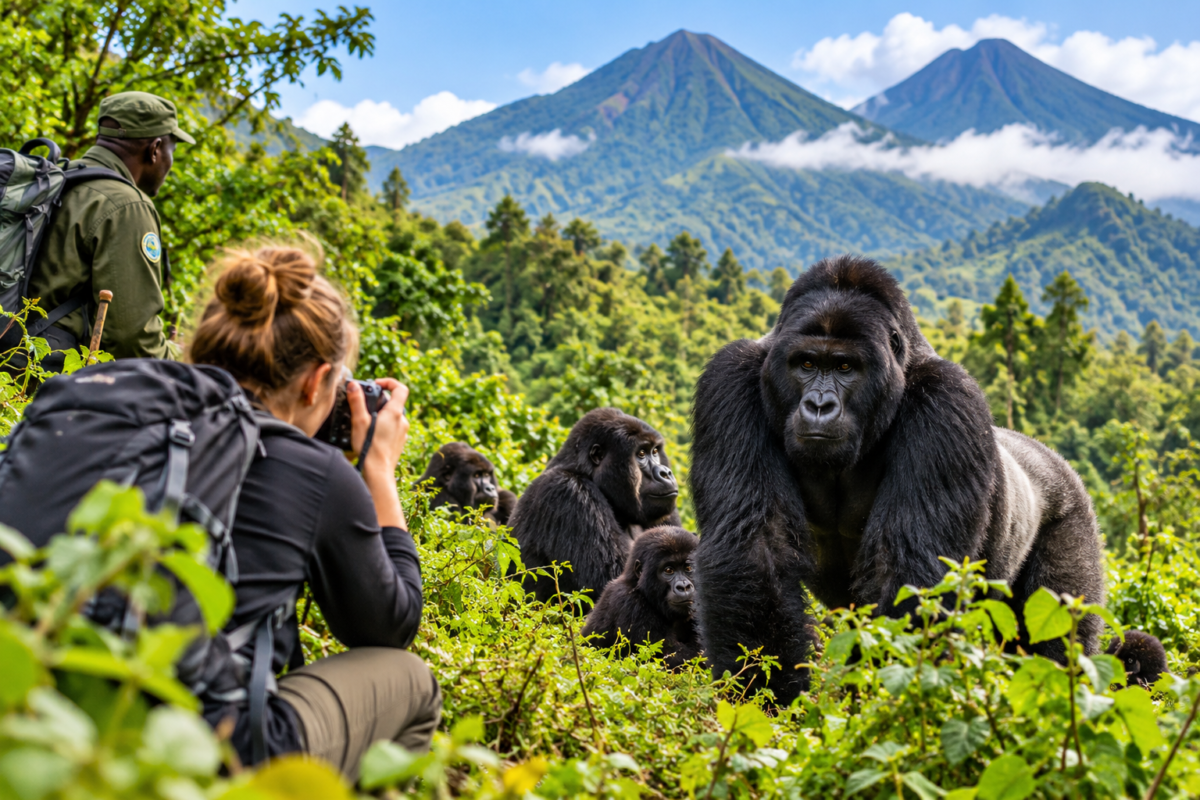
One of the most successful initiatives has been regulated gorilla trekking. The Rwanda Development Board limits the number of visitors who can track gorillas each day. This approach reduces environmental impacts while providing exceptional wildlife experiences. At the same time, tourism revenues help fund conservation programs, ranger operations, and community development projects.
As a result, mountain gorilla populations have shown encouraging growth. Conservationists now regard the Virunga mountain gorilla population as one of the world’s most successful wildlife recovery stories. The park continues to attract researchers, photographers, and nature enthusiasts from across the globe.
Community Involvement in Conservation Success
Modern conservation strategies recognize that local communities play a vital role in protecting wildlife. Therefore, Rwanda has implemented revenue sharing programs that direct a portion of tourism income toward community projects. These investments support schools, health centers, roads, and small businesses.
Because local residents benefit from tourism, support for conservation has increased significantly. This partnership creates a more sustainable future for both people and wildlife. Consequently, Volcanoes National Park stands as an example of how conservation can contribute to economic development.
Tourism and the Future of Volcanoes National Park
Today, Volcanoes National Park ranks among Africa’s premier wildlife destinations. Visitors can enjoy mountain gorilla trekking, golden monkey tracking, volcano hiking, birdwatching, and cultural experiences. Each activity contributes to the park’s growing importance within Rwanda’s tourism industry.
Zamunda Travels proudly introduces travelers to this extraordinary destination through expertly guided safaris and conservation focused experiences. By visiting the park responsibly, travelers support ongoing efforts to protect endangered species and preserve critical habitats.
Looking ahead, the future of Volcanoes National Park depends on continued collaboration between conservation organizations, government agencies, local communities, and responsible tourism operators. With sustained commitment, the park will continue protecting mountain gorillas and other wildlife for generations to come.
Conclusion
The history of Volcanoes National Park tells a powerful story of resilience, conservation, and environmental stewardship. Since its establishment in 1925, the park has evolved from a small protected area into a globally recognized conservation success. Through the efforts of dedicated conservationists, researchers, park rangers, and local communities, endangered mountain gorillas now have a stronger future. As travelers explore this remarkable destination with experienced operators such as Zamunda Travels, they become part of an ongoing conservation journey that continues to inspire the world.