What Happens on the Day of Gorilla Trekking?
August 30, 2026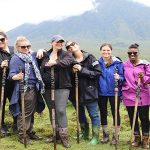
What to Pack for Gorilla Trekking
August 30, 2026
Gorilla trekking pulls thousands of travelers to Rwanda every year, and almost all of them ask the same question before they book. How difficult is gorilla trekking, really? The honest answer sits somewhere between “a serious hike” and “an achievable adventure.” At Zamunda Travels, we get this question daily, and we always give the same grounded response: gorilla trekking difficulty depends on altitude, terrain, weather, and your own fitness level, but nearly everyone who prepares well reaches the gorillas. This guide breaks down every factor that shapes gorilla trekking difficulty in Volcanoes NationalAa Park, so you can plan with confidence instead of guesswork.
What Makes Gorilla Trekking Difficulty So Unpredictable?
No two treks in Volcanoes National Park look the same, and that is exactly why gorilla trekking difficulty is so hard to predict in advance. Rangers assign your gorilla family on the morning of your trek, based on where that family slept the previous night. Consequently, one traveler might walk for thirty minutes on a gentle path, while another spends six hours climbing steep volcanic slopes. Zamunda Travels always tells clients to expect the unexpected, because comfort with uncertainty is half the battle. Your guide and porters adjust the pace to match your fitness, but the terrain itself never bends to your schedule.
Altitude: The Hidden Factor Behind Gorilla Trekking Difficulty
Most first time trekkers underestimate altitude, yet it is often the biggest contributor to gorilla trekking difficulty. Treks in Volcanoes National Park begin around 2,500 meters and can climb toward 3,500 meters or higher on the slopes of the Virunga volcanoes. At this height, oxygen levels drop noticeably, and your lungs work harder for the same effort you’d barely notice at sea level. Some visitors feel short of breath within the first twenty minutes, even if they consider themselves fit. Mild altitude effects such as headaches or fatigue are common, though they usually pass with rest, hydration, and a steady pace.
Steep Volcanic Slopes and Thick Vegetation
Beyond altitude, the ground itself adds real physical strain. Trails move through bamboo forest, volcanic soil, and dense undergrowth that can turn muddy after rain. Trekkers often push through vines, climb over roots, and navigate slippery inclines that demand balance as much as stamina. Because the forest floor rarely stays dry for long, sturdy waterproof boots make a noticeable difference. Zamunda Travels recommends ankle-support hiking boots and trekking poles for every guest, regardless of fitness level, since stable footing matters more than raw speed.
Weather Adds Another Layer of Challenge
Rain can fall at any moment in this high altitude rainforest, and it rarely announces itself. A dry trail can turn muddy within an hour, which changes the pace and grip needed to keep moving safely. Layered, breathable clothing helps you adapt quickly without overheating on the climb or freezing during a rest stop. Packing a rain jacket is non-negotiable, even during the drier months of June through September.
How Your Fitness Level Shapes Gorilla Trekking Difficulty
Reasonable fitness matters more than elite athleticism when it comes to gorilla trekking difficulty. You don’t need marathon level endurance, but a body accustomed to walking, stairs, or light cardio will handle the climb far more comfortably. People who arrive without any preparation often find the combination of altitude and incline more taxing than expected, while those who train for a few weeks beforehand tend to enjoy the experience rather than endure it. Zamunda Travels suggests brisk walking, stair climbing, and light hiking in the month before your trip, since this kind of preparation directly reduces fatigue on the trail. Age and mobility also play a role, and rangers can assign less demanding routes to older travelers or those managing physical limitations, so nobody needs to feel excluded from this bucket-list experience.
Trek Duration: Why the Clock Is Never Fixed
Ask any guide how long a trek takes, and you’ll hear the same honest answer: it depends. Treks in Volcanoes National Park can last anywhere from thirty minutes to eight hours, though most groups average between two and four hours of hiking each way. Once your group finds the gorillas, you receive exactly one hour with them, a rule enforced across Rwanda to protect the animals from stress and disease. That hour, trekkers consistently say, erases the memory of any tough climb that came before it. Zamunda Travels structures every itinerary with a flexible morning schedule, because rushing the experience defeats its entire purpose.
Practical Ways Zamunda Travels Helps You Manage Gorilla Trekking Difficulty
Preparation turns a demanding trek into a rewarding one, and a few practical choices make the biggest difference.
Hire a Porter Before You Start
Local porters carry your daypack, offer a steady hand on slippery sections, and know the terrain intimately. For a modest daily fee, they lighten your physical load and support the local community at the same time. Zamunda Travels arranges porters for every client automatically, because this single decision consistently improves the experience more than any other.
Train Your Body Weeks in Advance
Simple cardio, stair workouts, and short hikes with a loaded backpack prepare your legs and lungs for the real thing. Even two to three weeks of consistent movement noticeably eases the climb.
Choose Your Trekking Season Wisely
The dry seasons, roughly June through September and December through February, offer firmer trails and lower rainfall. Wetter months bring muddier paths and a slightly tougher climb, though gorilla sightings remain just as rewarding year round. Zamunda Travels helps travelers match their trip dates to seasonal conditions that suit their comfort level.
Pack the Right Gear
Waterproof boots, gardening style gloves for gripping vegetation, long trousers, and a light rain jacket all reduce physical strain and discomfort. Gear choices sound minor, yet they influence how tiring the trek feels far more than most people expect.
Is Gorilla Trekking Worth the Physical Effort?
Every guide, ranger, and past trekker tends to agree on this point: yes, it is worth it. Success rates for reaching a gorilla family sit above ninety percent across Volcanoes National Park, and the encounter itself lasts a full hour of close, guided observation. Permit fees also fund anti poaching patrols, veterinary care, and community development around the park, so every trek contributes directly to conservation. Zamunda Travels has guided travelers of every age and fitness level through this journey, and the reaction at the end is almost always the same: the climb fades from memory, while the encounter with a silverback and its family stays vivid for years.
Final Thoughts on Gorilla Trekking Difficulty
Gorilla trekking difficulty in Volcanoes National Park sits firmly in moderate to strenuous territory, shaped by altitude, terrain, and weather rather than fixed distance or time. However, difficulty does not mean inaccessibility. With realistic preparation, the right gear, a hired porter, and guidance from an experienced operator, most travelers complete the trek successfully and describe it as one of the most rewarding days of their lives. Zamunda Travels designs every gorilla trekking itinerary around this balance, pairing honest expectations with hands on support so you arrive ready, climb confidently, and spend your hour with the gorillas fully present rather than exhausted. If you’re weighing whether this adventure fits your fitness level, reach out to Zamunda Travels for a personalized assessment before you book.