How to Book a Gorilla Trekking Permit
August 29, 2026
How Difficult Is Gorilla Trekking in Volcanoes National Park?
August 30, 2026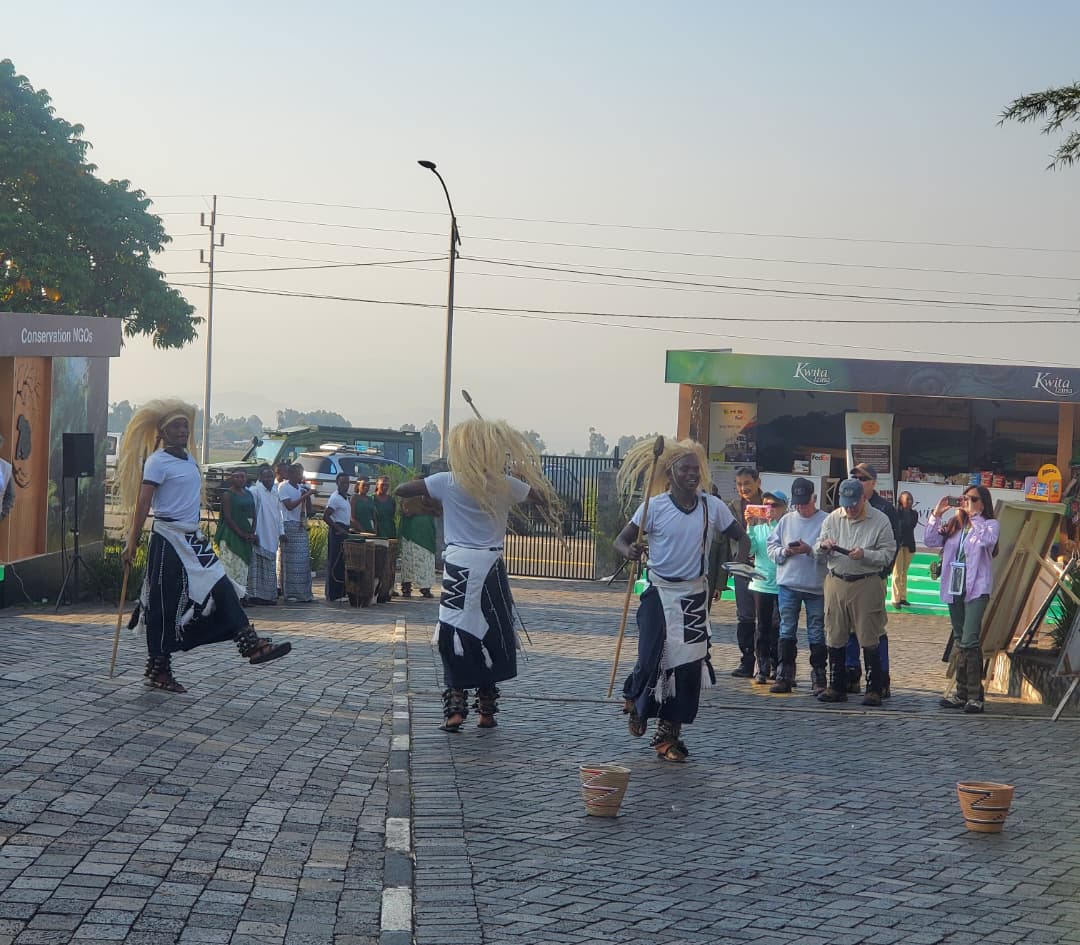
Your gorilla trekking day starts long before you ever see a gorilla, and understanding the full sequence helps you enjoy it more. Zamunda Travels has guided countless visitors through Volcanoes National Park, and the pattern of the day rarely changes. Mornings begin in the dark, briefings happen at sunrise, and the forest delivers its reward somewhere in the hours that follow. This guide walks through the entire gorilla trekking day, hour by hour, so you arrive prepared instead of guessing. We cover the wake up call, the ranger briefing, the hike itself, the encounter, and the journey back to your lodge. By the end, you will know exactly what to pack, what to expect, and how Zamunda Travels supports you at every stage.
The Early Morning Start of Your Gorilla Trekking Day
Every gorilla trekking day begins before the sun rises. Most travelers wake up around 4:30 or 5:00 a.m., because the drive to the park headquarters takes time and registration starts promptly. Zamunda Travels recommends laying out your gear the night before, since fumbling for boots and rain jackets in the dark wastes precious minutes. A light breakfast usually comes first, often just tea, bread, and fruit, because a heavy stomach does not mix well with steep volcanic slopes. Your Zamunda Travels driver guide then collects you from your lodge and heads toward Kinigi, the small town that serves as the gateway to Volcanoes National Park.
Traveling to the Park Headquarters
The drive from most lodges near Musanze takes between ten and thirty minutes, depending on where you stayed the night before. Roads wind through terraced hillsides and small farming villages, and the volcanoes themselves often appear through the morning mist. Your Zamunda Travels team times this transfer carefully, because arriving late can mean missing your group assignment entirely. Once you reach the headquarters, local dancers sometimes perform traditional routines to welcome visitors, and coffee or tea is often served while everyone gathers.
The Pre-Trek Briefing and Group Assignment
Registration and briefing form the true starting point of the gorilla trekking day, and this stage matters more than most visitors realize. Rangers check every permit against a passport, since permits are non transferable and mismatches can lead to denied entry. Once verification finishes, a park guide delivers a briefing that usually lasts around twenty minutes and covers safety rules, gorilla etiquette, and basic trail expectations. You learn how far to stay from the gorillas, how to behave if a silverback approaches, and why flash photography stays off limits throughout the visit.
How Gorilla Families Are Assigned to Groups
Volcanoes National Park manages several habituated gorilla families, and each one receives a maximum of eight visitors per day. Rangers assign groups based on fitness level, age, and the location trackers reported for each family that morning. Fitter travelers often receive families that live higher up the slopes, while those seeking a gentler walk usually track families closer to the park boundary. Zamunda Travels always shares your fitness preferences with the park in advance, so your group assignment matches what you can comfortably handle.
The Trek Through the Forest: What the Hike Actually Involves
After the briefing, everyone climbs back into vehicles and drives to the specific trailhead assigned to their group. This short drive can take anywhere from ten minutes to nearly an hour, since some gorilla families range far from the main road. The hike itself varies enormously, lasting anywhere from thirty minutes to six hours depending on where the family was last spotted. Terrain shifts constantly between muddy paths, dense bamboo, and steep volcanic slopes that sit at altitudes above 2,400 meters. Guides set a manageable pace, call frequent rest stops, and point out wildlife along the way, including golden monkeys and forest birds.
The Role of Porters and Guides
Hiring a porter genuinely transforms this part of the gorilla trekking day for many travelers. Porters carry backpacks, offer a steady hand on slippery sections, and sometimes give a gentle push up particularly steep inclines. Zamunda Travels strongly encourages every guest to hire one, partly for comfort and partly because the fee supports local community income. Armed trackers also walk ahead of the main group, following fresh trails of broken vegetation and dung to pinpoint the gorilla family’s exact location before the group arrives.
The Unforgettable Hour With the Mountain Gorillas
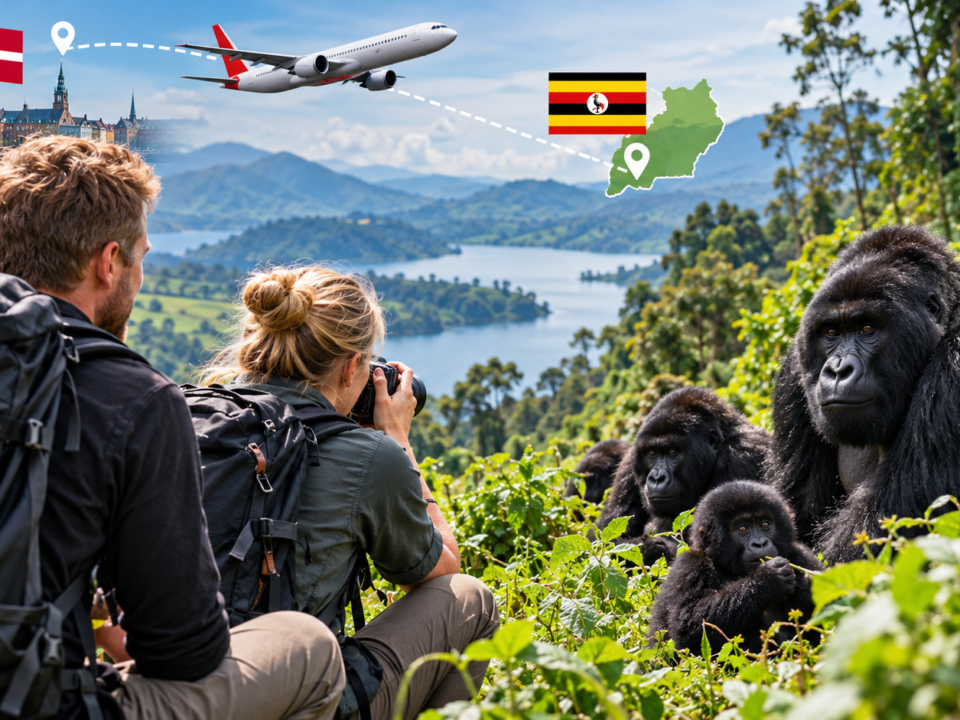
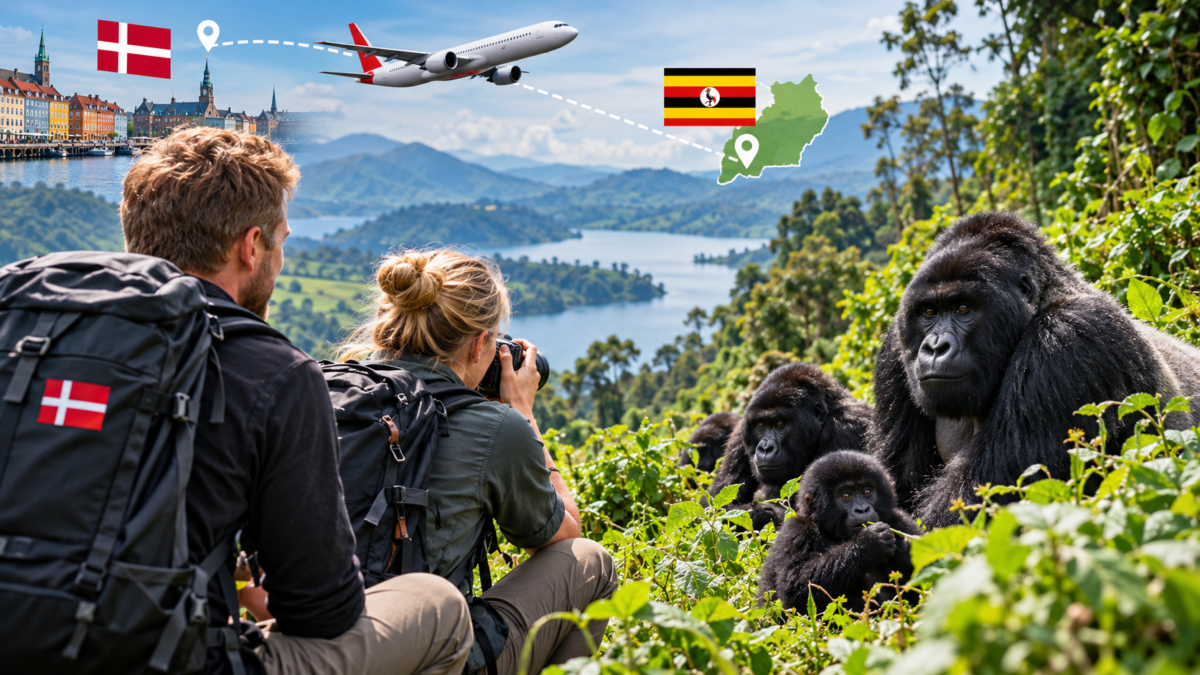
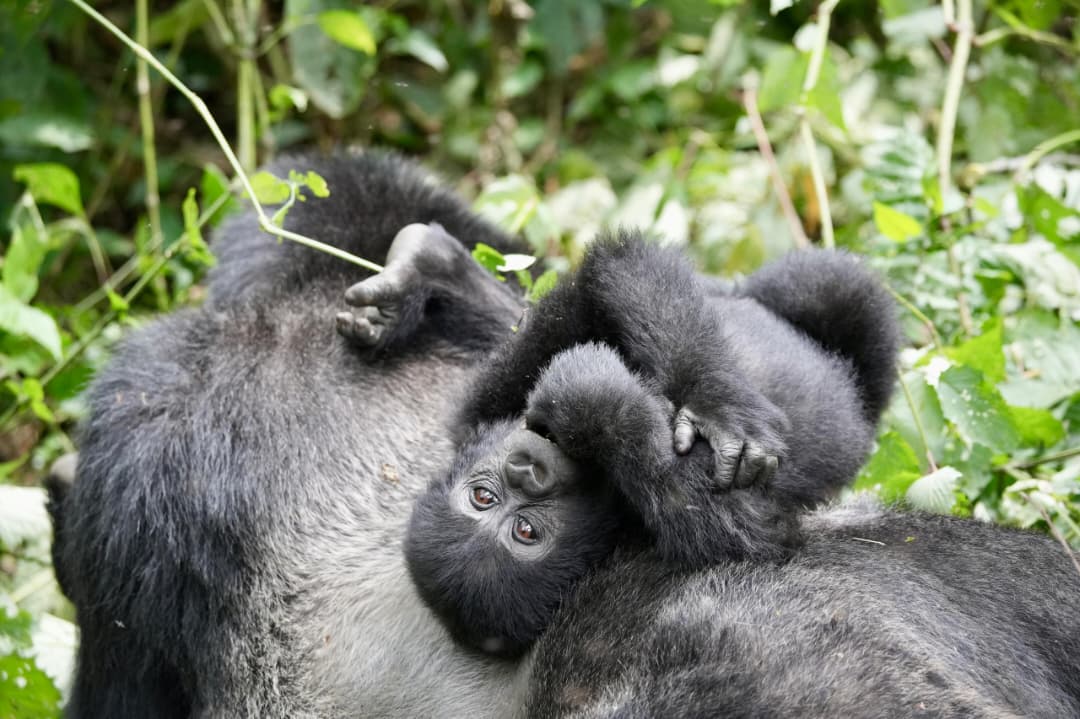
Nothing quite prepares visitors for the moment trackers signal that the gorillas are near. Guides ask everyone to leave backpacks and walking sticks behind, since quiet, minimal movement matters most in these final meters. Once the group steps into the clearing, a strict but generous sixty minutes begins, and most travelers describe it as the fastest hour of their entire trip. Silverbacks often rest in plain view, mothers groom their infants, and younger gorillas tumble through the undergrowth with startling energy. Guides translate gorilla behavior throughout the encounter, explaining vocalizations, chest beating displays, and social hierarchy within the family. Photography stays welcome, though flash remains forbidden, and Zamunda Travels advises guests to spend part of the hour simply watching rather than filming everything through a lens.
The Return Journey and Certificate Presentation on Your Gorilla Trekking Day
Once the hour ends, guides lead the group back toward the trailhead, often at a slightly slower pace since the excitement has settled. This return leg usually mirrors the outbound hike in length, though many travelers say it feels shorter because the goal has already been achieved. Back at the vehicles, most groups thank their porters and trackers with a tip, since these individuals rarely receive a formal wage for their physical effort. Vehicles then return everyone to the park headquarters, where officials issue a certificate confirming that you successfully completed the trek. Zamunda Travels treats this certificate as a keepsake worth framing, since it marks a genuinely rare wildlife encounter.
Tips From Zamunda Travels for a Smooth Gorilla Trekking Day
A few small choices can shape how much you enjoy your gorilla trekking day from start to finish. Waterproof boots with solid ankle support handle the muddy volcanic terrain far better than ordinary sneakers. Gardening gloves protect your hands from stinging nettles and thorny undergrowth along narrower sections of the trail. Packing light snacks and water keeps energy levels steady, since meal breaks rarely happen until the trek concludes. Zamunda Travels also recommends booking your permit at least several months ahead, because daily numbers stay limited and demand consistently outpaces supply. Finally, arriving a day early near Musanze gives your body time to adjust before tackling the altitude and physical demands of the trail.
Final Thoughts on the Gorilla Trekking Day Experience
A gorilla trekking day asks a lot physically, yet almost every traveler calls it worth every early alarm and muddy step. From the pre dawn wake up through the briefing, the climb, the encounter, and the certificate ceremony, each stage builds toward that single unforgettable hour with the gorillas. Zamunda Travels handles the logistics, permits, and guiding relationships so you can focus entirely on the experience itself. Understanding the full arc of the day, as outlined above, means fewer surprises and far more room to simply enjoy one of Africa’s most remarkable wildlife encounters.