Guide to Gorilla Trekking in Rwanda
August 29, 2026
Where Is Volcanoes National Park Located?
August 29, 2026
Volcanoes National Park sits in the far northwest of Rwanda. It ranks among the most celebrated wildlife destinations in Africa. The protected rainforest covers roughly 160 square kilometers along the slopes of the Virunga Mountains. It also shares its borders with Uganda and the Democratic Republic of Congo.
So, what is Volcanoes National Park exactly? In simple terms, it is Rwanda’s flagship conservation area. It is home to endangered mountain gorillas, five volcanic peaks, and one of the world’s most important conservation stories.
At Zamunda Travels, we take guests into this remarkable landscape every season. After their visit, we often hear the same reaction: nothing quite prepares you for the experience.
The park combines dense rainforest, volcanic scenery, and rare wildlife in one compact area. As a result, it attracts researchers, hikers, photographers, and gorilla trekkers. This guide explores its location, history, wildlife, and top activities. It will help you understand why Volcanoes National Park deserves a place on your travel list.
Where Is Volcanoes National Park Located?
Volcanoes National Park lies in Rwanda’s Musanze District. It is roughly two to two and a half hours by road from Kigali International Airport. The park headquarters are located in Kinigi Village. Most trekking briefings begin there each morning before rangers assign visitors to their trailheads.
The journey from Kigali is relatively short, and the roads are well paved. Therefore, many travelers add the park to a wider Rwanda itinerary instead of treating it as a difficult or remote expedition.
The park forms the Rwandan section of the larger Virunga Conservation Area. This transboundary ecosystem stretches across Rwanda, Uganda, and the Democratic Republic of Congo. The shared landscape is important because gorilla families sometimes move across national borders.
Zamunda Travels arranges airport transfers and accommodation around Musanze. This makes the travel logistics easier and allows visitors to focus on the wildlife experience.
The History of Volcanoes National Park
The history of Volcanoes National Park helps explain why mountain gorillas still survive today. In the past, poaching, habitat loss, and civil conflict placed enormous pressure on the gorilla population. However, decades of conservation work helped reverse this decline.
From Albert National Park to Volcanoes National Park
Belgian colonial authorities established the original reserve in 1925. At first, it protected only three volcanic peaks: Karisimbi, Bisoke, and Mikeno. The reserve later expanded across the border into the Belgian Congo.
By 1929, the larger protected area had become Albert National Park. After Rwanda and the Democratic Republic of Congo gained independence in the early 1960s, the park was divided along the new international border. The Rwandan section eventually became known as Volcanoes National Park.
Political events later affected conservation efforts. During the Rwandan Civil War, fighting reached the park headquarters in 1992. Despite these challenges, conservation work continued. In the years that followed, the park rebuilt its infrastructure and strengthened protection for its gorilla population.
Dian Fossey and the Fight to Save the Gorillas
No history of Volcanoes National Park is complete without Dian Fossey. The American primatologist arrived in the region in 1967. After insecurity forced her to leave neighboring Congo, she established the Karisoke Research Centre between Mount Karisimbi and Mount Bisoke.
From this research base, Fossey spent years studying mountain gorilla behavior. She also developed techniques that allowed researchers to gain the trust of wild gorillas. Her strong campaign against poaching brought international attention to the dangers facing the species.
Tragically, unknown attackers murdered Fossey at her cabin in 1985. She was buried beside her favorite gorilla, Digit, near the ruins of the Karisoke Research Centre.
Her story later reached audiences around the world through the film Gorillas in the Mist. Today, many visitors hike to her grave because her conservation legacy continues to shape the protection of mountain gorillas.
The Five Volcanoes That Give Volcanoes National Park Its Name
The Virunga mountain range contains eight volcanoes in total. Volcanoes National Park protects five of them on Rwandan territory. These are Karisimbi, Bisoke, Muhabura, Gahinga, and Sabyinyo.
Mount Karisimbi is the highest of the five. It rises to roughly 4,507 meters and is also Rwanda’s highest point. Climbing it usually requires a demanding two day hike.
Mount Bisoke offers a shorter hiking experience. Visitors who reach its summit can see a beautiful crater lake. For this reason, many first time hikers choose Mount Bisoke.
Muhabura and Gahinga stand close to the Uganda border. Meanwhile, Mount Sabyinyo has a jagged ridge that gives it a distinctive appearance. Its summit area also lies near the meeting point of Rwanda, Uganda, and the Democratic Republic of Congo.
Each volcano has its own vegetation, microclimate, and level of difficulty. Therefore, the mountain you choose can shape your entire hiking experience. Weather can also change quickly at high altitudes. Zamunda Travels briefs trekkers about suitable gear and pacing before volcano hikes depart from Kinigi.
Wildlife You Can See in Volcanoes National Park
Volcanoes National Park is famous for its volcanic scenery. However, the park also protects a remarkable variety of wildlife within a relatively small area.
Mountain Gorillas
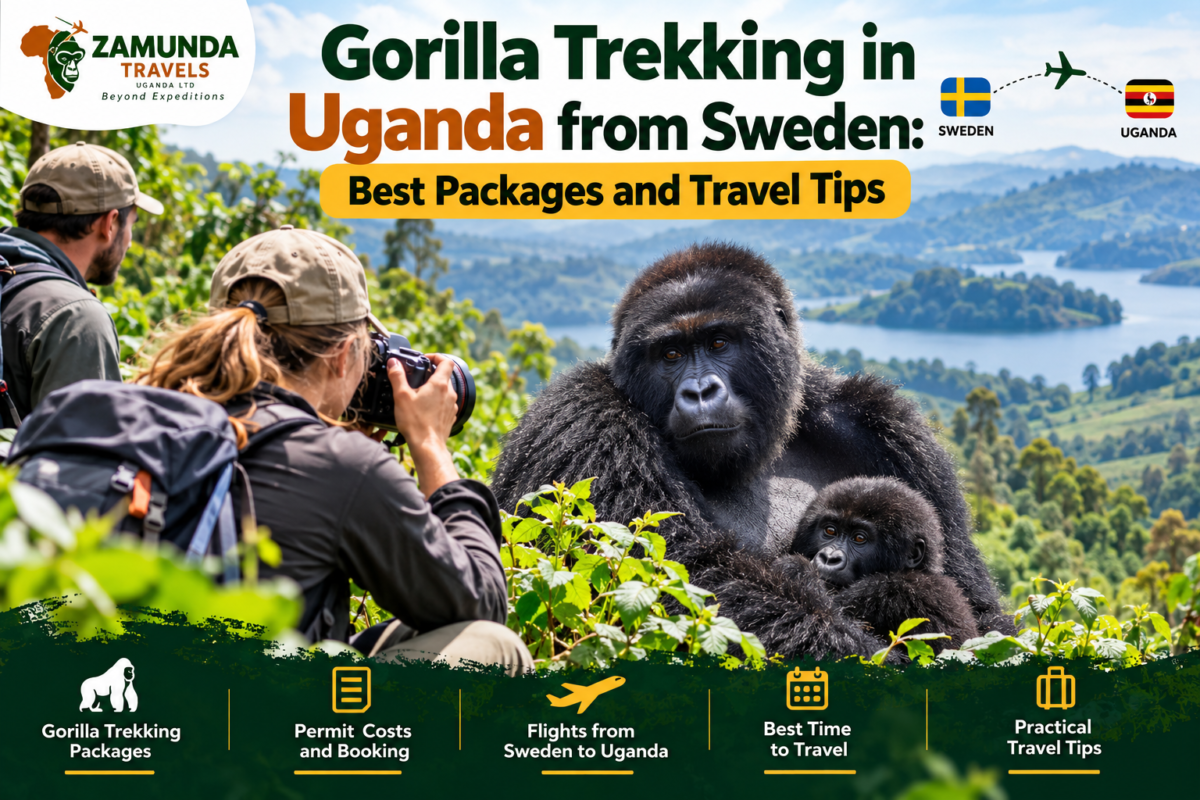
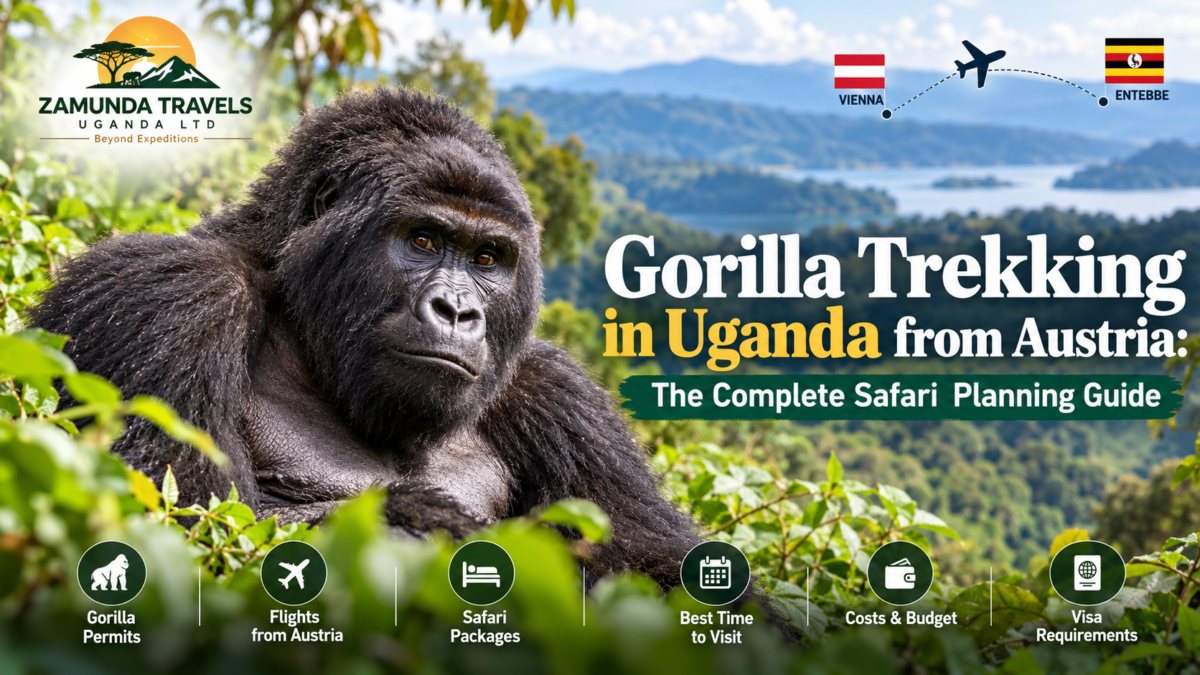
Mountain gorillas are the main attraction in Volcanoes National Park. The park manages several habituated gorilla families for tourism, including well known groups such as Susa, Sabyinyo, Amahoro, and Kwitonda.
Mountain gorillas are found in only a few protected areas in the Virunga Mountains and Bwindi region. A gorilla trekking permit allows visitors to spend one hour with an assigned gorilla family after trackers locate the group.
For many travelers, this hour becomes the highlight of their entire Rwanda safari.
Golden Monkeys and Other Primates
The bamboo forests of Volcanoes National Park also provide habitat for golden monkeys. These striking primates have orange golden fur and live in large, active groups.
Golden monkeys move quickly through the bamboo. However, sightings often happen soon after trackers locate the troop. Their playful behavior also makes the experience especially enjoyable for photographers.
Other primates found in the park include black and white colobus monkeys, blue monkeys, and vervet monkeys. These species add more variety to wildlife focused itineraries.
Birds and Other Wildlife
Volcanoes National Park supports around 178 recorded bird species. Several of these species are associated with the Virunga and Rwenzori highlands.
Other wildlife includes buffaloes, bushbucks, spotted hyenas, and forest elephants. However, dense vegetation makes these animals harder to see than gorillas and monkeys.
Top Activities in Volcanoes National Park
Gorilla trekking receives most of the attention. Nevertheless, Volcanoes National Park offers several other activities that can make a Rwanda itinerary more rewarding.
Gorilla Trekking
Trekkers gather at Kinigi headquarters each morning for a briefing. Rangers then assign visitors to different gorilla families based on several factors, including trail conditions and trekking difficulty.
The hiking experience can vary greatly. Some treks may involve a relatively gentle walk, while others require several hours of hiking through mud, thick vegetation, and steep terrain.
A gorilla trekking permit costs $1,500 per person. It covers park access, ranger guidance, and one hour with the gorillas. Porter fees and tips are paid separately.
Golden Monkey Trekking
Golden monkey trekking offers another exciting wildlife experience. These treks are often shorter and less expensive than gorilla trekking.
Golden monkeys are highly active and playful. As a result, the experience can be particularly rewarding for visitors who enjoy wildlife photography.
Volcano Hiking
Volcanoes National Park offers several mountain hiking opportunities. Visitors can climb Mount Bisoke in a single day. Mount Karisimbi requires a more demanding two-day trek with an overnight camp.
Travelers can also hike Mount Muhabura or Mount Gahinga. These routes often appeal to visitors looking for quieter and less-visited experiences.
Weather conditions can change quickly at higher elevations. Therefore, sturdy hiking boots and reliable rain gear are important on every route.
The Dian Fossey Tomb Hike
The Dian Fossey Tomb Hike provides a meaningful alternative to the more demanding mountain climbs. The guided walk passes through the forest to the ruins of the Karisoke Research Centre and Dian Fossey’s grave.
The hike usually takes several hours. It combines nature, history, and conservation in one experience. For this reason, many history enthusiasts and gorilla lovers consider it one of the most meaningful activities in the park.
How to Plan Your Visit to Volcanoes National Park with Zamunda Travels
Planning early is important when visiting Volcanoes National Park. Gorilla permits can sell out months in advance, especially during the popular dry seasons from June to September and from December to February.
Zamunda Travels helps travelers arrange gorilla and golden monkey permits, accommodation around Musanze, and airport transfers. Our team also provides guidance about fitness expectations, packing lists, and trekking etiquette before departure.
This preparation helps reduce uncertainty for first-time visitors.
Whether you want one day of gorilla trekking or a longer adventure, your itinerary can include volcano hiking, cultural experiences, golden monkey trekking, and the Dian Fossey Tomb Hike. Zamunda Travels can help create an itinerary that matches your pace and interests.
Why Volcanoes National Park Matters for Conservation
Volcanoes National Park plays an important role in mountain gorilla conservation. Tourism revenue helps support conservation activities, employment opportunities, and community development around the park.
The park creates jobs for guides, porters, trackers, and other tourism workers. In addition, Rwanda’s revenue-sharing initiatives support community projects near protected areas.
Mountain gorilla conservation has become one of Africa’s most important wildlife protection success stories. Continued protection, scientific research, tourism management, and community involvement all contribute to this progress.
Every responsible visit to the park helps support a conservation model that connects wildlife protection with local economic benefits.
Final Thoughts
In conclusion, Volcanoes National Park is far more than a place to see mountain gorillas. It is a remarkable part of Rwanda where rainforest, volcanoes, wildlife, history, and conservation come together.
Visitors can trek through bamboo forests in search of golden monkeys, climb volcanic peaks, learn about Dian Fossey’s legacy, and experience one of the world’s most memorable wildlife encounters.
Few destinations offer such a powerful combination of biodiversity and adventure in such a compact area. A visit to Volcanoes National Park can leave travelers with memories that last a lifetime. With careful planning and local support from Zamunda Travels, you can turn your gorilla trekking experience into a complete and unforgettable Rwanda adventure.