Luxury Hotels in Uganda: Where Comfort Meets Untamed Beauty
April 10, 2026
Ziwa Rhino Sanctuary: Uganda’s Breeding Ground for Rhinos and a Conservation Success Story
April 11, 2026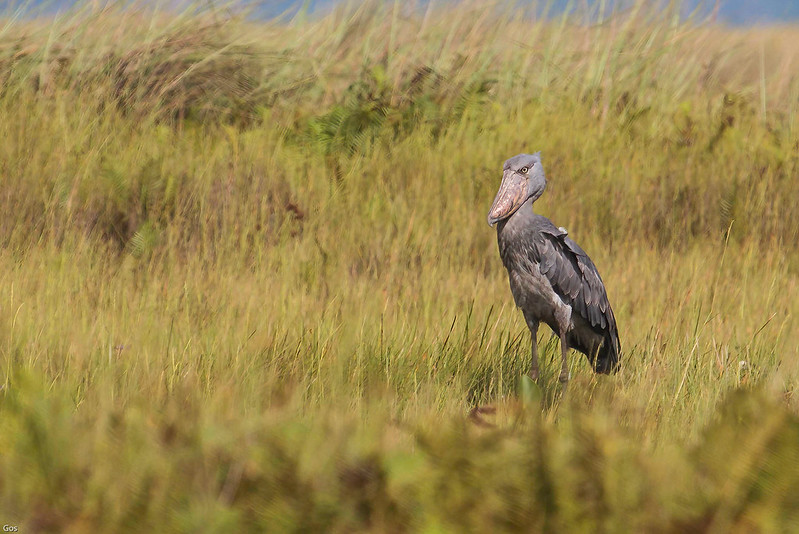
Uganda is one of Africa’s richest birding destinations, and few experiences compare to seeing the prehistoric looking shoebill stork in its natural wetland home. The adventure takes place in the famous wetlands of Mabamba Swamp, a Ramsar-listed site on the edge of Lake Victoria. Through this guide by Zamunda Travels, you will discover everything you need to know about the shoebill encounter, what makes Mabamba special, and how to plan a successful birding safari.
Introduction to Shoebill Mabamba Swamp Experience
The shoebill Mabamba swamp experience is one of the most sought-after wildlife encounters in Uganda. This rare bird, known scientifically as Balaeniceps rex, is famous for its massive shoe-shaped bill, slow movements, and powerful hunting technique. Mabamba Swamp offers one of the highest chances in Africa to spot this elusive species in the wild. Unlike traditional safari parks, this wetland is explored by canoe, allowing visitors to glide quietly through papyrus channels where the shoebill hunts lungfish and other prey.
Zamunda Travels organizes guided excursions that begin early in the morning when the shoebill is most active. The journey itself is peaceful, with fishermen paddling alongside and birds calling across the marshes. This makes the experience not just about wildlife but also about culture and scenery.
Shoebill Mabamba Swamp: Why This Wetland Is Perfect for Birding
The shoebill Mabamba swamp is internationally recognized for its biodiversity and conservation importance. Located on the outskirts of Entebbe, this wetland is part of the larger ecosystem of Lake Victoria. The swamp is made up of dense papyrus reeds, shallow waters, and hidden channels that create an ideal habitat for fish-eating birds.
Unlike many other birding locations, Mabamba offers a high shoebill sighting success rate. Local bird guides work closely with conservation groups and fishermen, who help track sightings daily. This cooperation increases your chances of spotting the shoebill within a short canoe ride. The calm waters also make it easier for photographers to capture close-range shots without disturbing the bird.
Zamunda Travels ensures that visitors are paired with experienced local guides who understand shoebill behavior and nesting patterns, increasing the quality of the safari experience.
Shoebill Mabamba Swamp Birding Tours with Zamunda Travels
A shoebill Mabamba swamp birding tour with Zamunda Travels starts very early in the morning, usually around sunrise. Guests are driven from Kampala or Entebbe to the landing site, where traditional canoe boats are ready. The adventure begins as you slowly paddle into the dense papyrus channels, listening to the sounds of nature.
During the tour, you may also spot other remarkable bird species such as African jacanas, malachite kingfishers, herons, and papyrus gonoleks. However, the main highlight remains the shoebill, which often stands motionless for long periods before striking its prey with incredible speed.
Zamunda Travels prioritizes eco-friendly tourism by supporting local communities and ensuring that all tours respect wildlife habitats. This approach helps preserve the shoebill population while providing visitors with a meaningful and responsible travel experience.
Shoebill Mabamba Swamp Photography Tips for Visitors
Capturing the shoebill Mabamba swamp experience on camera requires patience and preparation. Since the bird often stays still for long periods, photographers have enough time to adjust their settings. A zoom lens of at least 300mm is recommended to capture clear details without disturbing the bird.
Lighting is best during early morning hours when the soft golden light enhances the swamp scenery. Silence is also essential, as sudden movements can scare the shoebill away. Zamunda Travels guides help position the canoe at safe distances, ensuring both comfort and excellent photo opportunities.
The reflections of papyrus reeds on calm waters also create dramatic compositions, making Mabamba one of the most photogenic birding destinations in East Africa.
Conservation Importance of Shoebill Mabamba Swamp
The survival of the shoebill depends heavily on the protection of wetlands like Mabamba. The shoebill Mabamba swamp ecosystem is threatened by human activities such as agriculture expansion and pollution. However, conservation programs supported by local communities and tour operators like Zamunda Travels are helping to preserve this fragile habitat.
By choosing responsible tourism, visitors directly contribute to conservation efforts. Entrance fees, guiding services, and community participation help fund wetland protection projects and environmental education. This ensures that future generations will also have the chance to experience the shoebill in the wild.
Why You Should Visit Shoebill Mabamba Swamp
A visit to the shoebill habitat in Mabamba is more than just a birdwatching trip—it is a journey into one of Uganda’s most peaceful and biologically rich ecosystems. The shoebill Mabamba swamp experience combines wildlife, culture, photography, and conservation in one unforgettable adventure.
With Zamunda Travels, travelers enjoy expert guidance, smooth logistics, and a deep connection to nature. If you are planning a birding safari in Uganda, Mabamba Swamp should be at the top of your list.