Best Cultural Tours in Uganda: Authentic Experiences with Zamunda Travels
April 28, 2026
Why Are Lion Males So Lazy?
April 29, 2026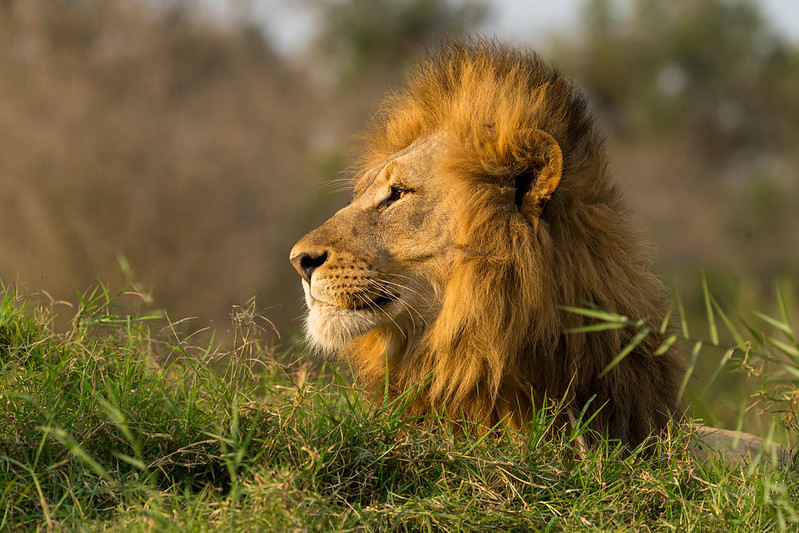
When travelers head out on safari with Zamunda Travels across the sweeping savannahs of Uganda, one animal often steals the spotlight the majestic Lion. The male lion’s mane stands out as one of the most recognizable features in the wild. It is not just for show. It serves real and important purposes tied to survival, reproduction, and social order. Understanding why male lions have a mane adds depth to every wildlife encounter and helps visitors appreciate the complexity of nature.
Protection During Fierce Battles
Male lions often fight to defend territory or take over a pride. These confrontations can turn violent, with opponents aiming for the neck and head. The mane provides a layer of protection that reduces the impact of bites and claws. It works almost like armor. Because of this, males with thicker manes tend to survive more encounters.
As a result, natural selection favors lions with fuller manes. Over time, this trait becomes more common. Visitors exploring places like Queen Elizabeth National Park may even notice scars hidden beneath the mane, showing just how valuable this feature is in the wild.
Attraction and Mate Selection
The mane also plays a key role in attracting females. Lionesses prefer males with darker and fuller manes. These traits signal strength and good health. They also suggest strong genes, which increases the chances of healthy cubs.
Interestingly, darker manes often connect with higher hormone levels. This gives females a visual clue when choosing a mate. During a safari with Zamunda Travels, guides often explain how such traits influence breeding patterns and shape lion populations over time.
A Sign of Power and Status
In the lion world, appearance matters. A large mane makes a male look bigger and more intimidating. This helps reduce unnecessary fights because rivals may back down without engaging. It saves energy and lowers the risk of injury.
The mane also helps establish hierarchy within a pride. Other lions can quickly judge strength and dominance based on its size and color. This silent communication keeps order among members and supports the pride’s stability.
Living With the Heat
It may seem surprising that lions living in hot climates carry such heavy hair. The mane can indeed trap heat. However, the benefits it provides outweigh this disadvantage. Protection and reproductive success remain more important for survival.
Not all manes look the same. Lions in hotter areas often grow lighter and shorter manes. In cooler regions, the mane becomes thicker and darker. This variation shows how lions adapt while still maintaining the advantages of this unique feature.
Evolution Behind the Iconic Feature
The mane did not appear overnight. It developed over many generations through both natural and sexual selection. Males that survived fights and attracted mates passed their traits to the next generation. Gradually, the mane became more prominent.
Scientists believe early lions had little or no mane. As competition increased, even small changes gave certain males an advantage. Over time, these changes led to the impressive manes seen today. Travelers with Zamunda Travels often enjoy learning how such features evolved while observing lions in their natural habitat.
In conclusion, the mane of a male lion is far more than a striking feature. It protects during battles, attracts mates, and signals dominance among rivals. Even in challenging climates, its advantages remain clear. This unique adaptation highlights the balance between survival and reproduction in the wild.
For anyone planning a safari, knowing these details transforms the experience. Watching a lion resting under the African sun becomes more meaningful when you understand the story behind its mane. Zamunda Travels ensures that every journey connects you deeply with the wonders of nature.