Activities to Do in Kibale National Park: The Ultimate Guide to Chimpanzee Trekking and Nature Adventures
August 4, 2026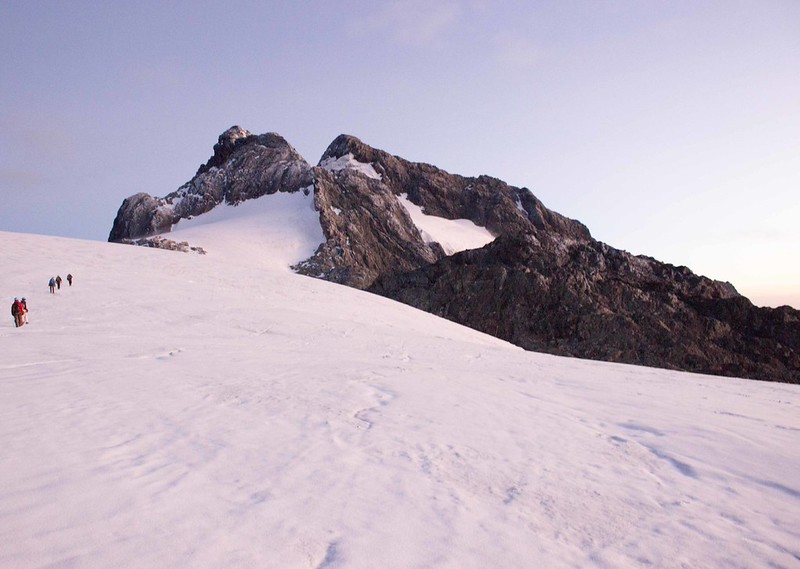
Hiking Rwenzori Mountains is one of the last great wild adventures in East Africa. Locals call this range the “Mountains of the Moon,” and the name fits. Glaciers glow above the equator here. Giant lobelias grow taller than a person. Bogs, bamboo forests, and rock walls stack up in layers as you climb. Zamunda Travels has guided trekkers through this range for years, and every group leaves with the same reaction: nothing else in Uganda looks or feels like this.
This guide answers the questions every trekker asks before booking. How long does the climb take? Who are the porters, and why do you need them? Where do you sleep each night? And how far is the mountain from Entebbe, Kigali, Fort Portal, and Kasese town? Zamunda Travels put this article together using verified, up-to-date route data, so you can plan your trip with confidence.
What Makes Hiking Rwenzori Mountains So Special
The Rwenzori range sits on the border between Uganda and the Democratic Republic of Congo. UNESCO named it a World Heritage Site in 1994, and the park also holds Ramsar status as a wetland of international importance. The range stretches roughly 120 kilometres from north to south, and it hides five distinct vegetation zones as you gain altitude: tropical forest, bamboo, heather, alpine moorland, and finally rock and glacier. Few mountains on the continent pack that much ecological variety into one trek.
Margherita Peak crowns the range at 5,109 metres. It sits on Mount Stanley and ranks as Africa’s third highest point, behind only Kilimanjaro and Mount Kenya. Unlike Kilimanjaro, though, the Rwenzoris are not one single cone. They form a sprawling massif with several named peaks, so the trail constantly rises and falls rather than climbing in one straight line. That variety is part of the appeal. Zamunda Travels often tells first-time clients that the Rwenzoris reward patience far more than raw fitness.
How Long Does It Take to Reach the Top of the Rwenzori Mountains
Trip length depends entirely on your goal. The park splits its trails into two broad categories, and each one suits a different type of traveller.
Short, Low Altitude Hikes
If you only want a taste of the mountain, choose a low altitude route. These trips usually run 3 to 4 days and top out around 3,100 metres. You will walk through montane forest, cross a few rivers, and sleep in a mountain hut, all without technical climbing gear. Zamunda Travels recommends this option to travellers combining Rwenzori with a wider Uganda safari, since it fits easily into a short itinerary.
The Full Climb to Margherita Peak
Reaching Margherita Peak is a different challenge altogether. Most operators plan for 7 to 9 days on the mountain, though fit and well-acclimatised groups sometimes summit in 6 days, and cautious itineraries stretch to 10 days or more for extra safety margin. The final push to the top involves glacier travel, so guides fit crampons and ropes before the summit push from Elena Hut. Expect an early wake-up, several hours of steep rock and ice, and a demanding descent back to camp on the same day. Zamunda Travels always builds acclimatisation days into longer packages, because altitude, not distance, causes most turnarounds on this mountain.
Two main trails lead to the top: the historic Central Circuit Trail, which loops through six mountain huts, and the newer Kilembe Trail, which uses a chain of fixed camps on the mountain’s southern flank. Both trails eventually meet near the glacier zone before the final summit attempt.
The Porters Who Make Hiking Rwenzori Mountains Possible
No trekker climbs the Rwenzoris alone, and nobody should try. Uganda Wildlife Authority requires every group to travel with a licensed guide, and most itineraries also include a cook and at least one porter per client. Porters carry food, tents, cooking equipment, and a portion of each trekker’s personal gear, usually capped near 15 kilograms per load. That arrangement frees your legs and lungs for the climb itself.
The people who carry these loads come almost entirely from the Bakonzo community, the indigenous people of the mountain. Many started walking these trails as children, and their knowledge of the weather, the bogs, and the safest line through the ice is impossible to learn from a guidebook. Zamunda Travels works only with registered, fairly paid porter teams, because a responsible trek depends on treating this workforce with respect. Pack light, tip generously, and greet your team by name; small habits like these go a long way on a multi-day trek.
Porter numbers scale with group size and route length, so a larger expedition or a longer itinerary naturally needs more hands. Your Zamunda Travels consultant will confirm the exact crew size once you choose a route, so there are no surprises on arrival day.
Accommodation Options Along the Rwenzori Trails
Nobody camps in the open on the main Rwenzori routes. Instead, a chain of wooden huts and fixed camps shelters trekkers each night, and most come with mattresses, solar lighting, and a pit latrine.
Huts on the Central Circuit Trail
This older trail uses six main huts: Nyabitaba (2,651m), John Matte (around 3,400m), Bujuku (about 3,960m), Elena (roughly 4,540m, the final camp before the summit), Kitandara (around 4,027m), and Guy Yeoman (about 3,260m). Nyabitaba sits a comfortable four to five hours from the trailhead, so it makes a gentle first night. Elena Hut, by contrast, sits right beneath the Stanley Glacier, and you will hear the ice shift as you sleep.
Camps on the Kilembe Trail
The newer Kilembe Trail runs through Sine Camp, Kalalama, Mutinda, Bugata, Hunwick’s, and Margherita Camp. These facilities were built after the Central Circuit huts, so many trekkers find them slightly more modern and better maintained. Mutinda Camp, in particular, offers wide, open moorland views that regularly rank as a trip highlight.
Where to Stay Before and After Hiking Rwenzori Mountains
Every expedition starts and ends outside the park. Kasese town offers the widest range of hotels and guesthouses, and most trekkers spend at least one night there before heading up and one night after coming down, mainly for a hot shower and a proper bed. Smaller lodges also sit closer to the trailhead itself, near Nyakalengija and Ruboni, which suits travellers who want an early start without a long morning transfer. Zamunda Travels books all pre- and post-trek accommodation as part of a complete package, so you never have to arrange those nights yourself.
How Far Is It to the Rwenzori Mountains From Major Towns
Distance and travel time shape how you plan the rest of your trip, so here is a practical breakdown from the main gateway points.
Distance From Entebbe to the Rwenzori Mountains
Entebbe International Airport is the arrival point for most international visitors, and Kasese, the main gateway town, sits roughly 370 to 380 kilometres to the west. A private road transfer covers that distance in about 5 to 6 hours, depending on the route and traffic through Kampala. Travellers who prefer to skip the long drive can also take a short domestic flight from Entebbe to Kasese airstrip, which takes around 1 to 1.5 hours, followed by a brief drive to the trailhead. Zamunda Travels arranges both options and will recommend the best fit based on your schedule.
Distance From Kigali to the Rwenzori Mountains
Travellers arriving through Rwanda usually cross into Uganda at the Katuna or Cyanika border post. The full road journey from Kigali to Kasese covers close to 390 to 400 kilometres and takes roughly 7 to 8 hours once you include the border crossing and a stop in Kabale. Many visitors break this trip into two days, pairing it with gorilla trekking in Bwindi or a stop at Queen Elizabeth National Park before continuing on to the Rwenzoris.
Distance From Fort Portal to the Rwenzori Mountains
Fort Portal makes an easy base camp for the final leg of your journey. The town sits only around 75 to 80 kilometres from Kasese, and the drive takes about 1 to 1.5 hours on a good tarmac road. Many Zamunda Travels itineraries route guests through Fort Portal anyway, since it sits close to Kibale Forest and its famous chimpanzee tracking.
Distance From Kasese Town to the Trailhead
Kasese itself is the last stop before the mountain. The Nyakalengija gate, where Central Circuit treks begin, sits about 22 kilometres north of town, and the drive takes roughly 45 minutes to just over an hour on a partly gravel road. The Kilembe trailhead lies even closer, only about 12 kilometres south of the town centre. Both drives are short enough that trekkers can sleep in Kasese and reach the gate comfortably before the day’s registration and briefing.
Why Book Your Hiking Rwenzori Mountains Adventure With Zamunda Travels
Planning a trek across five vegetation zones, a glacier, and several remote mountain huts takes real local knowledge. Zamunda Travels handles every detail, from your first transfer out of Entebbe or Kigali to your final night in Kasese. The team arranges licensed guides, fairly treated porter crews, hut bookings, and all park permits, so you can focus on the climb itself. Whether you want a gentle 3-day forest walk or the full 9-day push to Margherita Peak, Zamunda Travels builds an itinerary around your fitness level and your schedule.
Hiking Rwenzori Mountains is not a quick bucket list tick. It is a slow, physical, deeply rewarding journey through one of Africa’s last untouched ranges. Contact Zamunda Travels today, and start planning your climb through the Mountains of the Moon.