Reasons Behind the Famous Namugongo Shrine
August 16, 2026
Exploring the Uganda Rainforest and Its Unique Wildlife
August 17, 2026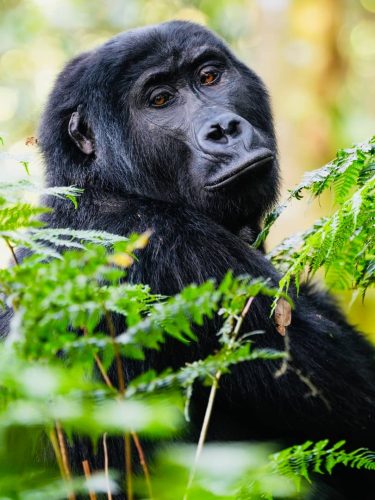
Uganda sits at the heart of East Africa’s conservation story, and wildlife projects in Uganda now stand among the most successful on the continent. From the misty slopes of Bwindi Impenetrable Forest to the open savannahs of Murchison Falls, dedicated teams of rangers, scientists, and local communities work every day to protect endangered species and restore fragile habitats. These efforts do more than save animals; they rebuild entire ecosystems and create sustainable livelihoods for the people who live alongside them. Travelers who explore the country through Zamunda Travels often witness this work firsthand, since every safari route passes through parks and sanctuaries where conservation happens in real time. This blog examines the major wildlife projects in Uganda and explains how each one contributes to the country’s growing reputation as a global conservation leader.
Why Wildlife Projects in Uganda Matter for Global Conservation
Uganda holds an extraordinary concentration of biodiversity within a relatively small landmass. The country hosts more than half of the world’s remaining mountain gorillas, the only wild population of rhinos found in East Africa’s interior, and thirteen primate species inside a single national park. Consequently, wildlife projects in Uganda carry weight far beyond national borders, because the survival of several endangered species now depends directly on what happens within Ugandan forests and wetlands. The Uganda Wildlife Authority recently released its State of Wildlife Resources report, which documented measurable progress in species recovery, habitat restoration, and modernized wildlife monitoring across the country. That report also expanded its scope beyond large mammals to include birds, amphibians, reptiles, and plant life, offering a fuller picture of how interconnected Uganda’s ecosystems truly are.
Uganda’s Rich Biodiversity as a Global Treasure
Ten national parks, twelve wildlife reserves, and thirteen wildlife sanctuaries fall under the protection of the Uganda Wildlife Authority. Each protected area supports a distinct mix of species and habitats, from the snow capped Rwenzori Mountains to the tropical rainforest of Kibale. This variety explains why international organizations, universities, and donor agencies continue to invest heavily in Ugandan conservation programs. Scientists frequently describe Uganda as a living laboratory for tropical ecology, since researchers can study primates, wetland birds, and savannah mammals within a single day’s drive.
Mountain Gorilla Conservation: A Flagship Wildlife Project in Uganda
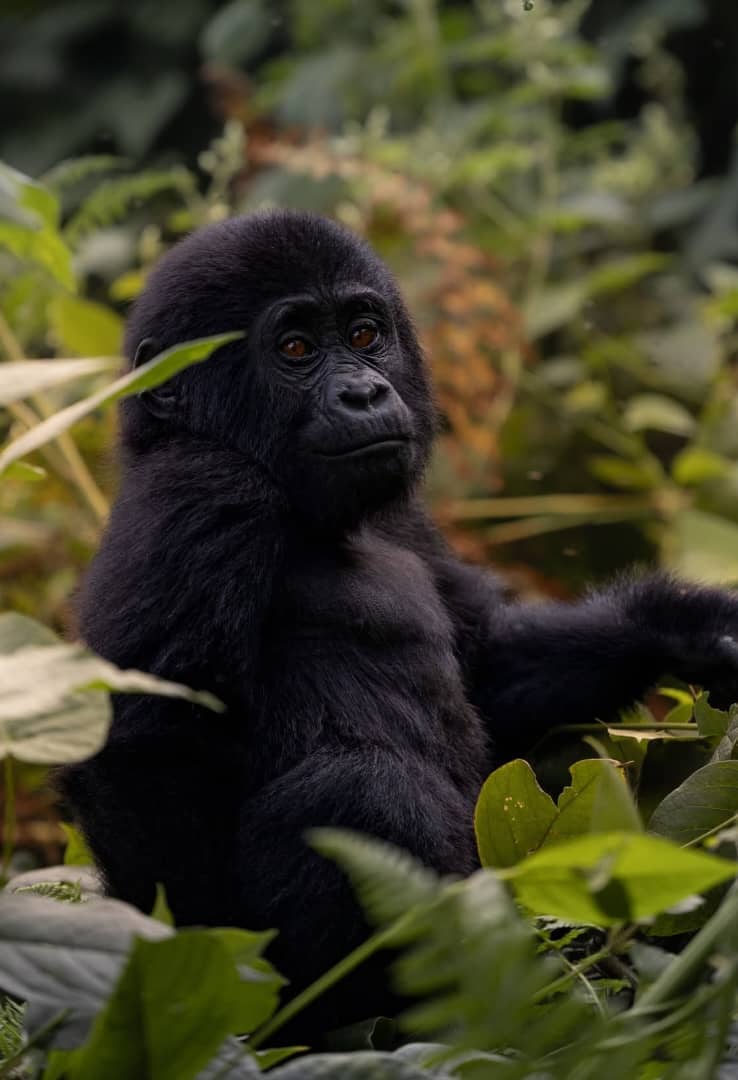
No discussion of wildlife projects in Uganda can begin anywhere other than mountain gorilla conservation, since this program remains the country’s most celebrated success story. Uganda shelters more than half of the world’s mountain gorilla population, and most of these gentle giants live within Bwindi Impenetrable National Park and Mgahinga Gorilla National Park. Poachers and habitat loss pushed the species toward extinction during the twentieth century, yet coordinated protection efforts have since reversed that decline. The mountain gorilla population has grown from fewer than three hundred individuals in the 1980s to more than a thousand today, a recovery that conservationists regularly cite as one of the greatest achievements in primate protection worldwide.
Bwindi Impenetrable Forest and the Gorilla Recovery Story
Bwindi Impenetrable National Park protects nearly five hundred square kilometers of ancient forest, and rangers patrol its boundaries around the clock to prevent poaching, snaring, and illegal logging. The forest holds far more than gorillas; researchers have recorded over two hundred tree species, more than three hundred bird species, and dozens of butterfly and amphibian species found nowhere else on Earth. Every gorilla trekking permit sold within the park funds ranger salaries, anti-poaching patrols, and community development programs, which means tourism revenue directly finances protection work. Twenty seven habituated gorilla families now live across the park’s four trekking sectors, and each family represents years of patient, careful work by trackers and veterinarians.
Community Partnerships That Protect the Gorillas
Conservation organizations quickly learned that gorillas cannot survive without the support of the communities who live beside them. Around Bwindi, tea plantations now serve as effective buffer zones between farmland and forest, because gorillas avoid tea and therefore rarely wander into cultivated areas. Programs that promote human and gorilla coexistence train local health workers, distribute protective equipment during disease outbreaks, and teach farmers how to reduce contact between people and wildlife. These partnerships also employ former poachers as guides and porters, which transforms a former threat into a steady source of income. As a result, communities increasingly view gorillas as valuable neighbors rather than obstacles to survival.
Ziwa Rhino Sanctuary and the Return of Rhinos to Uganda’s Parks
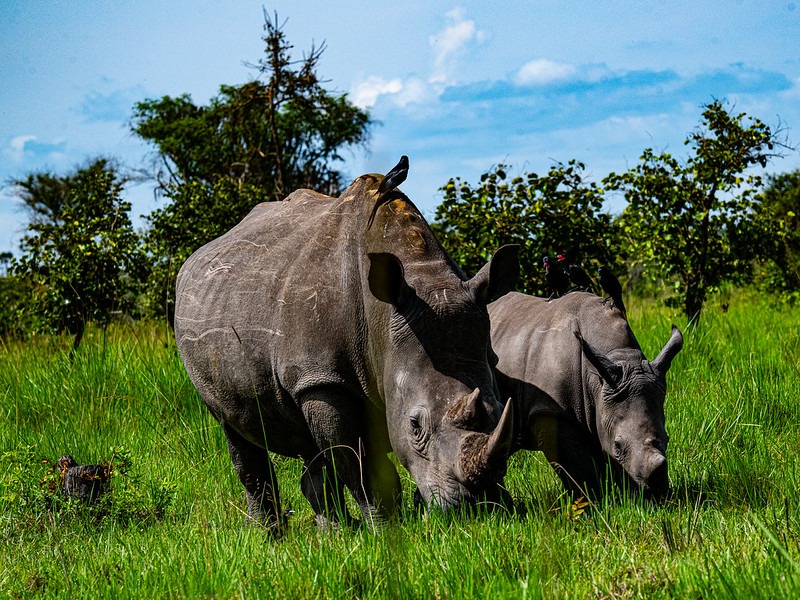
Rhino conservation tells a different but equally powerful story among Uganda’s wildlife projects. Poaching and years of civil conflict wiped out both black and white rhinos in Uganda by 1983, leaving the country without a single wild rhino for more than two decades. Conservationists refused to accept that loss as permanent, and their persistence eventually produced one of Africa’s most remarkable comeback stories.
From Extinction to Recovery: The Rhino Reintroduction Journey
Rhino Fund Uganda partnered with a private landowner in 2002 to convert a former cattle ranch in Nakasongola District into what became Ziwa Rhino Sanctuary, which officially opened in 2005. The founder population arrived from Kenya’s Solio Ranch and from Disney’s Animal Kingdom in the United States, and the first calf, born in 2009, was fittingly named Obama. Since then, the sanctuary’s population has grown steadily through natural breeding, and armed rangers guard every rhino around the clock to prevent poaching. Uganda Wildlife Authority has since begun preparing Ajai Wildlife Reserve for reintroduction, while rangers from Kidepo and Murchison Falls have completed specialized training in rhino monitoring ahead of planned translocations. This phased approach allows rhinos to eventually return to the wild landscapes where they once roamed freely, rather than remaining confined to a single sanctuary indefinitely.
Chimpanzee Conservation Projects Protecting Uganda’s Primate Capital
Kibale National Park has earned the nickname “Primate Capital of the World,” and this reputation rests on decades of scientific research and dedicated protection work. Long-term studies here have tracked individual chimpanzee communities continuously since the late 1980s, generating some of the richest behavioral data available on any wild primate population.
Kibale and Budongo: Homes of Long-Term Chimpanzee Research
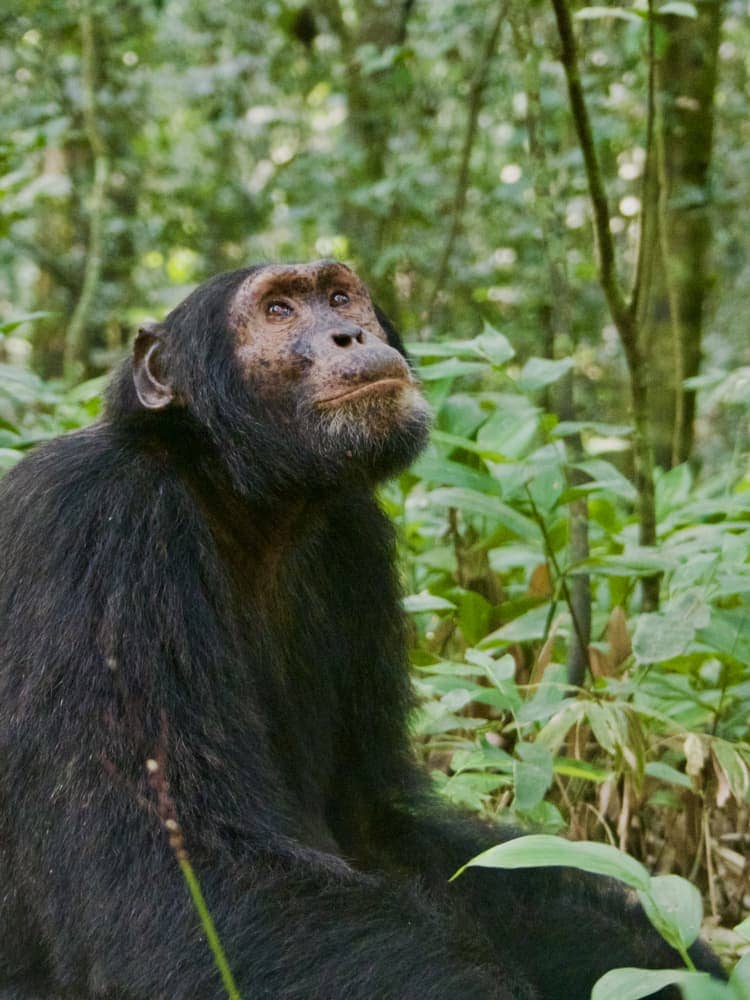
Researchers at Kibale and Budongo forests document chimpanzee behavior, health, and social structure while simultaneously working to reduce threats from snaring and habitat encroachment. Teams collaborate closely with the Jane Goodall Institute and the Uganda Wildlife Authority to run snare-removal patrols, since wire snares set for smaller animals frequently injure chimpanzees by accident. A specialized health and monitoring program now applies a “One Health” approach, recognizing that human health, animal health, and environmental health remain closely linked within shared forest landscapes. Education programs extend this work into local primary schools, where wildlife clubs teach thousands of children about the value of protecting the forests that surround their communities.
Ngamba Island Sanctuary and the Rescue of Orphaned Chimpanzees
Ngamba Island, located on Lake Victoria, offers sanctuary to chimpanzees rescued from the illegal wildlife trade. Jane Goodall and a small group of conservationists founded the sanctuary in 1998 with just thirteen rescued chimpanzees, and the population has since grown to nearly fifty individuals who cannot safely return to the wild. Visitors who reach the island through Zamunda Travels can observe chimpanzees while learning about the trafficking networks that these rescue efforts work to disrupt. Every visit helps fund veterinary care, enclosure maintenance, and continued rescue operations for chimpanzees confiscated from traffickers across the region.
Elephant Conservation and Human-Wildlife Coexistence Projects
Elephants present one of Uganda’s most delicate conservation challenges, because their sheer size and appetite frequently bring them into direct conflict with farming communities near park boundaries. An elephant can destroy an entire season’s harvest in a single night, which understandably breeds resentment toward wildlife among families who depend on that harvest for survival.
Beehive Fences and Other Innovative Deterrents
Conservationists discovered that elephants strongly dislike the sound and sting of disturbed bees, and this discovery led to one of Uganda’s most creative wildlife projects. Farmers now string beehives along wire fences bordering their fields, and when an elephant brushes against the wire, the disturbed bees swarm out and drive the animal away. Kibaale National Park alone has installed more than fifteen hundred beehives using this method, and studies conducted with Mountains of the Moon University confirmed that beehive fencing significantly reduces crop destruction compared with traditional barriers. Farmers also earn extra income from honey and beeswax sales, which turns a conservation tool into a genuine economic benefit. Elsewhere, the government has begun constructing a hundred-kilometer electric fence around Kidepo Valley National Park, while community conservation rangers continue mediating conflicts across multiple regions. Together, these approaches show how wildlife projects in Uganda increasingly blend traditional protection with practical, community-driven innovation.
Wetland and Bird Conservation Projects in Uganda
Uganda’s wetlands rarely receive the same attention as its forests, yet they support extraordinary biodiversity and face mounting pressure from agricultural expansion and pollution.
Protecting the Rare Shoebill Stork
The shoebill stork, with its prehistoric appearance and enormous bill, draws birdwatchers from around the world to wetlands such as Mabamba Swamp and the Makanaga wetland stream. This rare species faces threats from illegal pet trading, wetland conversion for farming, and demand for its eggs on the black market. Conservation groups now run wetland restoration projects that promote ecotourism as an alternative income source for communities that once drained swamps for agriculture. By showing local residents that a living shoebill attracts more long-term value than a captured one, these projects gradually shift attitudes toward wetland protection rather than exploitation.
How Wildlife Projects in Uganda Support Local Communities and Tourism
Every wildlife project in Uganda ultimately depends on one simple principle: conservation succeeds only when it benefits the people who live closest to the wildlife. Revenue from park entry fees, gorilla permits, and guided treks flows back into schools, clinics, and road improvements around protected areas. Ranger jobs, guiding positions, and craft cooperatives also provide steady income that reduces communities’ reliance on poaching or illegal logging.
Zamunda Travels and Responsible Wildlife Tourism
Zamunda Travels connects visitors to these conservation success stories through carefully designed safari itineraries that respect wildlife and support local livelihoods. Travelers who book gorilla trekking, chimpanzee tracking, or rhino walks through Zamunda Travels contribute directly to the wildlife projects in Uganda described throughout this blog, since permit fees and lodge revenue flow into ranger salaries and community programs. Guides employed by Zamunda Travels also share firsthand knowledge of conservation history, which transforms a simple wildlife sighting into a deeper understanding of what protection actually requires. This model demonstrates that responsible tourism and genuine conservation can reinforce one another rather than compete.
The Future of Wildlife Projects in Uganda
Uganda’s conservation authorities continue to expand their ambitions well beyond current achievements. Plans for rhino translocation to Ajai Wildlife Reserve, continued habitat restoration across degraded wetlands, and a new forensic laboratory for combating wildlife crime all signal a country determined to strengthen its protection systems further. Climate pressures, population growth, and illegal trafficking networks still threaten this progress, yet the steady collaboration between government agencies, international partners, and local communities offers genuine reason for optimism. As more travelers choose operators such as Zamunda Travels to experience these landscapes responsibly, the funding and awareness generated will likely accelerate conservation gains even further. Wildlife projects in Uganda have already rewritten the fate of several endangered species, and the coming decade promises to build on that remarkable foundation.