Introduction to Bwindi Impenetrable Forest National Park

Guide to Bwindi Forest National Park

Bwindi Impenetrable National Park is in southwestern Uganda. The park lies at an altitude of about 1,160 to 2,607 meters above sea level. It covers about 321 square kilometers.

The park lies near the border of the Democratic Republic of Congo (DRC). It is also close to Virunga National Park in Congo. Bwindi forms part of the Albertine Rift, a region known for its rich wildlife and plant life.

Bwindi Impenetrable Forest is one of Uganda’s oldest rainforests. It is also one of the most diverse forests in East Africa. The forest is famous for its endangered mountain gorillas.

The park is home to many mountain gorillas. Several gorilla families are available for tourism and gorilla trekking. These families live in four main sectors: Buhoma, Ruhija, Rushaga, and Nkuringo. The Uganda Wildlife Authority manages the park and its tourism activities.

The Mubare Gorilla Group was the first gorilla group to open for tourism in Uganda. It started in April 1993.

Bwindi is home to many other animals. The park has about 120 mammal species. These include chimpanzees, colobus monkeys, baboons, antelopes, and elephants.

The forest also has about 350 bird species. Some of the birds include hornbills and turacos. Bird lovers can also see several Albertine Rift endemic species.

Bwindi has about 220 butterfly species and many reptiles and amphibians. These include frogs, chameleons, and geckos. The forest also has more than 163 tree species, over 1,000 flowering plant species, and about 104 fern species.

History of Bwindi National Park

Bwindi became a national park in 1991. In 1994, UNESCO declared it a Natural World Heritage Site because of its important wildlife and rich forest ecosystem.

The park has steep hills, ridges, and deep valleys. It is also an important water catchment area. Several rivers start in or around the Bwindi forest and flow toward Lake Edward.

Accommodation and Local Culture

Visitors can find different types of accommodation around Bwindi. These include luxury lodges, mid-range lodges, budget camps, and simple bandas.

There are also restaurants, craft shops, and local guiding services. Visitors can enjoy village walks and cultural experiences in communities near the park.

These activities give visitors a chance to learn about the local Bakiga and Batwa cultures. You can enjoy traditional dances, music, crafts, and other cultural activities.

Bwindi is one of Uganda’s top destinations for gorilla trekking, bird watching, nature walks, and cultural experiences. With Zamunda Travels, you can explore Bwindi and enjoy an unforgettable Uganda safari experience.

The Ancient Bwindi Impenetrable Rainforest

Bwindi Impenetrable Rainforest is one of the oldest forests in Africa. The forest survived through the last Ice Age. It covers about 331 square kilometers and lies between 1,160 and 2,607 meters above sea level.

Bwindi has a cool and pleasant climate. Average temperatures range from about 7°C to 20°C. June and July are usually the coolest months.

The forest receives heavy rainfall in March, April, September, and November. The other months are usually drier. However, Bwindi is a tropical rainforest, so rain can fall at any time of the year.

Bwindi is famous for its endangered mountain gorillas. The forest is home to a large part of the world’s mountain gorilla population. This makes Uganda one of the best places to see mountain gorillas in their natural habitat.

The rainforest is also home to many other animals. These include elephants, monkeys, antelopes, and other mammals. Bwindi has about 120 mammal species, including several primate species.

Bird lovers can enjoy about 360 bird species in the forest. Bwindi also has about 200 butterfly species and many different plants.

The forest has more than 300 tree species. Some of these trees are found nowhere else in Uganda. Bwindi also has many species that are unique to the Albertine Rift.

With its rich wildlife and beautiful forest, Bwindi is an excellent destination for nature walks, bird watching, and gorilla trekking.

Mountain Gorillas and Gorilla Trekking

Gorilla trekking is the most popular activity in Bwindi Impenetrable National Park. It attracts visitors from around the world and helps support tourism and conservation in Uganda.

Bwindi has several habituated gorilla families. Visitors can track these families in different parts of the park, including Buhoma, Ruhija, Rushaga, and Nkuringo.

Before taking part in gorilla trekking, visitors need a gorilla trekking permit. You can book a permit through the Uganda Wildlife Authority or through a trusted tour company such as Zamunda Travels.

During a normal gorilla trek, visitors can spend up to one hour with the gorillas. A limited number of visitors can join each gorilla family. This helps reduce stress for the gorillas and supports their protection.

The minimum age for gorilla trekking in Uganda is 15 years.

The trek takes you through the thick Bwindi forest. Along the way, you may see colorful birds, butterflies, monkeys, trees, and other plants and animals.

Meeting mountain gorillas in their natural home is a special experience. Visitors can watch the gorillas feed, play, climb, and interact with each other while keeping a safe distance.

Gorilla Tracking in Bwindi Impenetrable Forest

Bwindi Impenetrable National Park is one of the best places in Africa to see endangered mountain gorillas in the wild.

Gorilla permits are limited, so it is best to book your permit well in advance. Zamunda Travels can help you arrange your gorilla permit, accommodation, transport, and other safari services for your Bwindi gorilla trekking experience.

Mountain Biking

Mountain biking at Bwindi Impenetrable National park is carried out in and around Bwindi impenetrable forest and it’s offered by a women organization called Ride 4 a woman organization.

Through biking, you will be able to climb the Buhoma mountain trail and while at the top, you will be able to view the wildlife as well as the beautiful scenery of the forest hence leaving you with a memorable experience at Bwindi Impenetrable National Park.

 
bwindi-biking

Hiking & Nature Walks

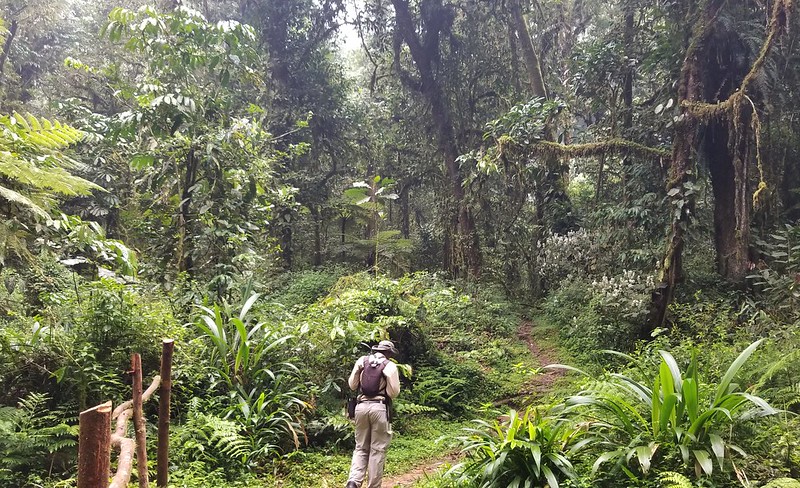
Hiking through the Bwindi Impenetrable forest is very interesting and as you enjoy the nature walk, you will be accompanied by fantastic views of various beautiful bird species singing in the air, butterflies, the beautiful sceneries of the ever green vegetation and waterfalls within the forest. You will also be able to see the chimpanzees, black and white colobus monkeys as well as other primates. Buhoma region of Bwindi has six main hiking trails and these include; muyanga waterfall trail, Rushura hill walk, Muzubijiro loop trail, Buhoma-Nkuringo trail, the ivi river walk, and the Habinyanja trail.
46418568375_5d2f219754_c

Birding

Bwindi impenetrable forest is a habitat to about 350 bird species for example the Blue-headed sun-bird, short-tailed warbler, Red headed Blue-Bil, White-tailed blue flycatchers, the attractive African Emerald cuckoo and many others. Therefore through hiking and trekking within the forest, you will be able to view these various bird species. The ancient rainforest of Bwindi Impenetrable National Park provides more habitats for other unique bird species including 23 Albertine rift endemics. The bird species include the Blue-headed sun-bird, short- tailed warbler, the shinning African Blue

Community Encounters

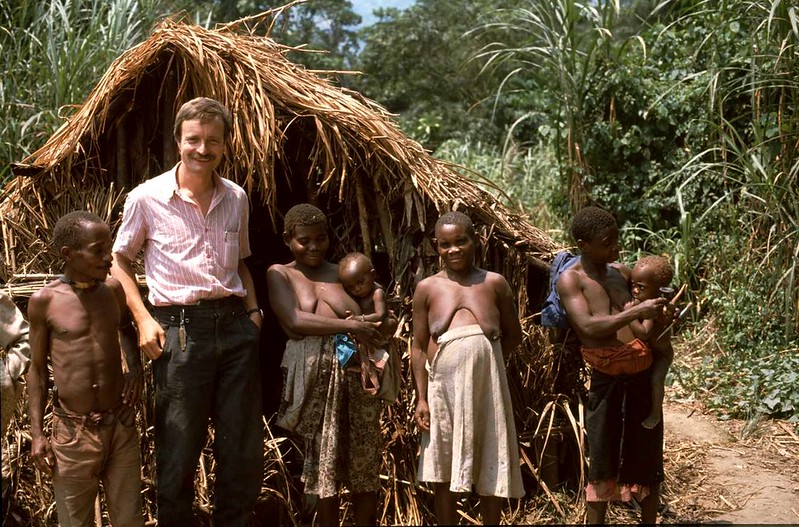
While at Bwindi Impenetrable National Park, you will be able to encounter with the amazing cultural activities performed in the local communities of the Batwa and Bakiga local people. You will encounter with activities like the amazing cultural dances and singing which portray their past life in the forest, craft activities, farming skills as well as meeting with the blacksmiths and traditional healer who treats the sick using local herbal medicine from plants.

Buhoma Community Tours Cultural tours Bwindi: While at Bwindi Impenetrable National Park, you will also enjoy cultural tours at Buhoma. You will have a three hour village walk around the village from which you will encounter with various cultural activities of the Local Bakiga and Batwa communities.
 
19123881503_aaf40094ea_c