How Difficult Is Chimpanzee Trekking in Kibale National Park?
September 9, 2026
Kibale Chimpanzee Trekking Rules and Regulations
September 11, 2026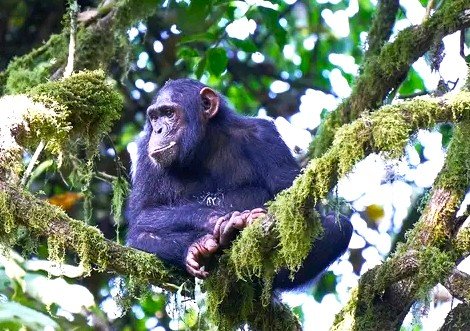
Anyone dreaming of an African safari eventually asks one question: what are the real chances of seeing chimpanzees in Kibale? The good news arrives quickly. Kibale National Park in western Uganda offers one of the highest chimpanzee sighting rates on the entire continent. Zamunda Travels has guided countless travelers through this forest, and the pattern holds true trip after trip. Most guests do not just glimpse a chimpanzee from a distance. They watch entire families groom, forage, and call to each other from the canopy above.
This guide digs into the real numbers behind chimpanzee trekking in Kibale. It also explains what shapes your odds, what a typical trek looks like, and how Zamunda Travels prepares every guest for success long before the forest gate opens.
Why Kibale Leads Uganda in Seeing Chimpanzees in Kibale
Kibale Forest is often called the Primate Capital of East Africa, and the title is well earned. The park shelters more than a dozen primate species, yet chimpanzees remain the headline attraction. Roughly 1,200 to 1,500 chimpanzees live inside the forest, spread across at least a dozen distinct communities. Only a handful of these groups have been habituated for tourism, and one community near the Kanyanchu Visitor Centre has welcomed daily visitors since 1993.
That long habituation history matters enormously. Chimpanzees in this particular group barely react to human presence anymore. They continue feeding, playing, and resting exactly as they would without an audience nearby. Consequently, the odds tilt heavily in favor of travelers who book a permit here rather than at newer or less-established sites elsewhere in the country.
Zamunda Travels always recommends Kibale first for guests who want reliability alongside adventure. The forest combines a manageable trekking distance, gentle terrain, and an experienced ranger team that tracks chimpanzee movement every single morning before guests even arrive.
The Real Numbers: Chances of Seeing Chimpanzees in Kibale
Statistics matter more than guesswork, so here is the honest picture. Multiple conservation bodies and tour operators place the success rate for seeing chimpanzees in Kibale above 90 percent. Some seasons even push closer to 95 percent. Compare that figure to Kyambura Gorge in Queen Elizabeth National Park, where only around 50 to 60 percent of treks end in a sighting, and the gap becomes obvious.
Several factors explain why Kibale performs so consistently. Rangers patrol the forest at dawn to locate the habituated community before tourists depart from Kanyanchu. Radio communication then guides trekking groups directly toward the chimps, cutting down on wasted walking time. Because the terrain stays relatively flat and well-marked, guides can also move quickly once a location is confirmed.
Chimpanzee Habituation vs Trekking: Which Improves Your Chances of Seeing Chimpanzees in Kibale?
Two experiences exist inside Kibale, and each affects your odds differently.
- Standard trekking allows one hour with the chimpanzees once they are found. Groups are capped at a small number of guests, and permits currently run around $200 to $250 per person for foreign non-residents.
- Habituation experience extends the visit to several hours, sometimes a full day, following a community that researchers are still acclimating to human presence. This option costs more, generally between $250 and $300, but it rewards patient travelers with deeper behavioral insight.
Both options deliver strong sighting rates. However, the habituation experience gives you more time to actually settle in, watch social interactions unfold, and photograph natural behavior without rushing the clock.
What Affects Your Chances of Seeing Chimpanzees in Kibale
Even with a 90-plus percent success rate, a few variables shift the odds slightly in either direction. Zamunda Travels walks every guest through these factors before booking a trek.
Season and Weather
Dry months between June and August, along with December through February, tend to produce the clearest trails and the most predictable chimpanzee movement. Rain scatters fruiting patterns across the forest, which can push chimpanzee groups further apart in search of food. Wet-season treks are still highly successful, though guides may cover more ground before a sighting occurs.
Time of Day
Morning treks generally offer calmer chimpanzee behavior because the group has just woken and often stays close to the nest site. Afternoon sessions remain productive too, particularly when chimps gather near fruiting trees to feed before nightfall.
Group Size and Ranger Experience
Smaller trekking groups move more quietly through the undergrowth, and quiet groups disturb the forest less. Experienced rangers, many of whom have tracked the same community for years, recognize vocalizations and movement patterns almost instantly. Zamunda Travels partners only with licensed, veteran guides for exactly this reason.
Physical Preparation
Unlike gorilla trekking in Bwindi, chimpanzee trekking in Kibale involves gentler terrain and shorter average walking distances. Even so, comfortable hiking shoes, long sleeves, and a steady pace all help travelers keep up when a chimpanzee community suddenly moves through dense foliage.
Tips From Zamunda Travels for Better Chances of Seeing Chimpanzees in Kibale
Preparation genuinely changes the outcome of a trek. Zamunda Travels shares these practical tips with every client heading into Kibale.
- Book permits early. Kibale limits the number of daily permits, and popular seasons sell out months in advance.
- Arrive at Kanyanchu by 8:00 a.m. Rangers brief guests before assigning groups, and early arrival avoids unnecessary delays.
- Pack light rain protection. Uganda’s weather shifts quickly, even during the dry season.
- Stay quiet once chimpanzees appear. Loud noise or sudden movement can push a relaxed group deeper into the trees.
- Consider the habituation permit. Guests who want extended observation time consistently rate this option as the highlight of their entire safari.
Following these steps will not guarantee a sighting, since these remain wild animals moving freely through a real ecosystem. Still, travelers who prepare well tend to have smoother, richer encounters once the forest reveals its residents.
Other Wildlife You Might Encounter Alongside Chimpanzees in Kibale
Chimpanzees headline every trek, but Kibale rewards patient eyes with much more. Red colobus monkeys, grey-cheeked mangabeys, olive baboons, and L’Hoest’s monkeys all share this forest canopy. Forest elephants and buffaloes occasionally cross trekking paths as well, though sightings of these larger mammals happen far less predictably than chimpanzee encounters. Birdwatchers also enjoy the trip, since the park hosts over 300 recorded bird species across its varied habitats.
Zamunda Travels frequently pairs a Kibale chimpanzee trek with a visit to nearby Bigodi Wetland Sanctuary, extending the wildlife experience without adding significant travel time.
How Zamunda Travels Plans Your Kibale Chimpanzee Trek
Every successful trip begins long before anyone sets foot in the forest. Zamunda Travels handles permit booking directly through the Uganda Wildlife Authority, secures accommodation near Kanyanchu, and arranges transport from Entebbe, Kampala, or connecting parks such as Queen Elizabeth National Park. Guests receive a full briefing on gear, timing, and forest etiquette well ahead of arrival day.
Because permits sell quickly during peak months, Zamunda Travels recommends confirming your Kibale dates at least four to six months in advance. Early planning protects your preferred trekking slot and gives our team time to build a complete itinerary around your chimpanzee encounter.