Where Is Kibale National Park Located in Uganda?
September 8, 2026
How Much Does Chimpanzee Trekking in Kibale National Park Cost?
September 8, 2026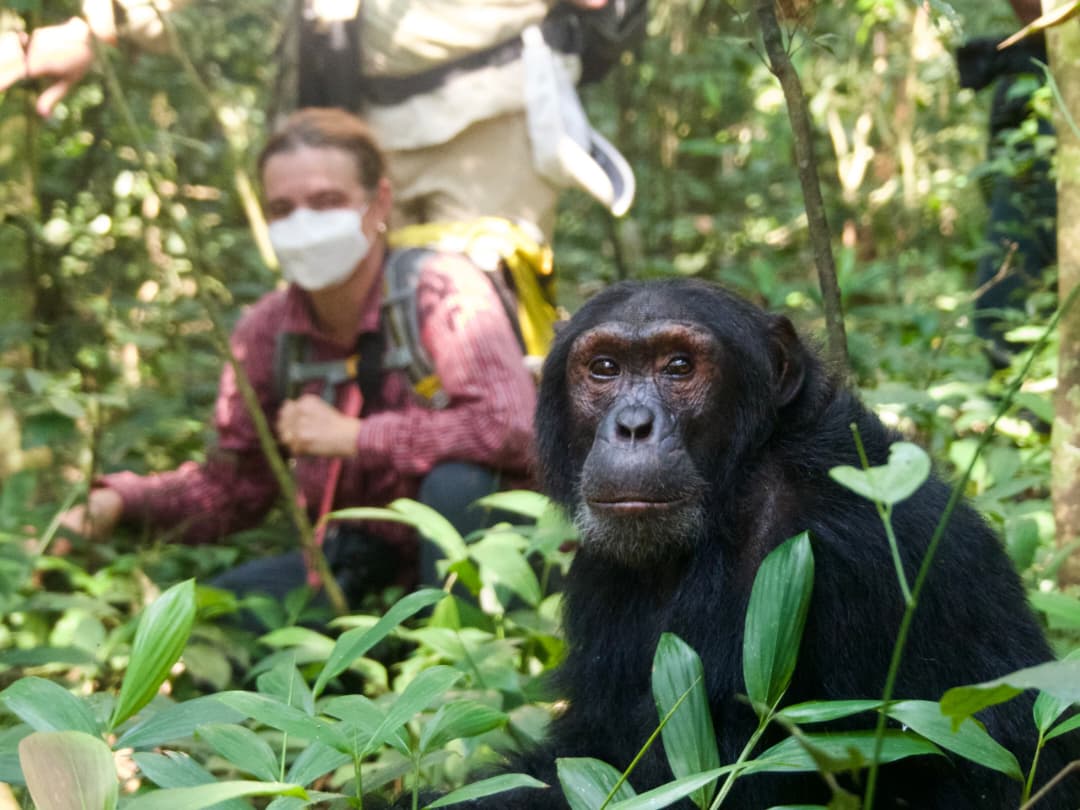
Deep in the rolling hills of western Uganda lies a forest filled with an incredible variety of wildlife. Among its most famous residents are chimpanzees and several species of monkeys. This forest is Kibale National Park, often known as the Primate Capital of the World.
The nickname is not simply a marketing phrase. Kibale has one of the highest concentrations of primates in Africa. It is also an important center for primate research and conservation.
At Zamunda Travels, we take guests into Kibale throughout the year. Many visitors are surprised by how much life they encounter in the forest. Chimpanzees call from the trees, monkeys move through the canopy, and birds fill the forest with sound.
So, why is Kibale National Park called the Primate Capital of the World? This guide explains the main reasons and shows why Kibale deserves a place on your Uganda safari itinerary.
What Makes Kibale National Park the Primate Capital of the World?
Kibale National Park covers a large area of tropical forest in western Uganda. The forest provides food, shelter, and breeding grounds for many species of primates.
Its tropical climate also supports dense vegetation throughout much of the year. Trees produce fruits, leaves, and other food sources that sustain the forest’s wildlife.
Kibale is also important for scientific research. Researchers have studied its chimpanzees and other primates for decades. This long history of research has helped scientists understand primate behavior, communication, feeding habits, and social structures.
The combination of rich habitat, high primate diversity, and long term research has given Kibale a special place in primate conservation.
Thirteen Primate Species Call Kibale Home
One of Kibale’s greatest attractions is its variety of primates. The park is home to 13 recorded primate species, making it one of the best places in Africa for primate watching.
Visitors do not need to travel far to encounter different species. A single forest walk can produce several sightings.
You may see monkeys moving through the trees, hear calls from the canopy, or spot baboons along forest trails. This variety makes every walk different.
For wildlife lovers, Kibale offers much more than chimpanzee tracking. It provides an opportunity to experience an entire forest ecosystem.
Chimpanzees: The Star Attraction
Chimpanzees are the main attraction in Kibale National Park. The park protects one of Uganda’s largest populations of wild chimpanzees.
Chimpanzees are also among our closest living relatives. They share a very high percentage of their DNA with humans. Watching them groom one another, feed, play, and communicate can therefore feel remarkably familiar.
Several chimpanzee communities around the Kanyanchu area have become accustomed to the presence of researchers and visitors. This makes it possible to observe them at relatively close range while following strict wildlife guidelines.
During tracking, guides and trackers look for signs of chimpanzee activity. They may follow vocalizations, fresh nests, feeding remains, or movement in the trees.
Once the chimpanzees are located, visitors can watch their natural behavior. Sometimes they remain high in the canopy. At other times, they come closer to the forest floor.
Zamunda Travels can arrange both standard chimpanzee tracking and the longer Chimpanzee Habituation Experience. The best option depends on how much time you want to spend observing the chimpanzees.
Rare and Colourful Monkeys Beyond the Chimpanzees
Chimpanzees are not the only primates that make Kibale special. The forest is home to many other species, each with different behaviors and habitats.
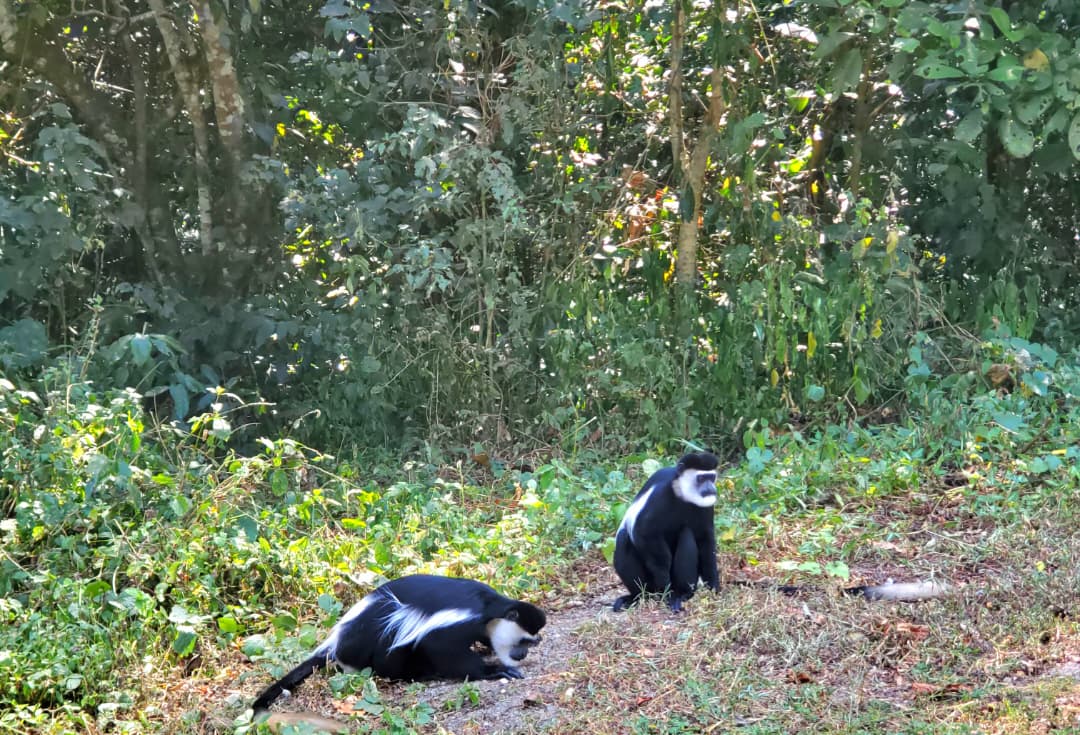
The red colobus is one of the most interesting species to look for. Visitors may also encounter black-and-white colobus monkeys, red-tailed monkeys, blue monkeys, and grey-cheeked mangabeys.
Olive baboons are easier to spot in some areas, while smaller species can move quickly through the vegetation.
Night walks offer another experience. With the help of trained guides, visitors may have the chance to look for nocturnal primates such as galagos.
This variety makes Kibale particularly rewarding for photographers and wildlife enthusiasts. You never know which species may appear next.
Chimpanzee Tracking: Kibale’s Signature Experience
Chimpanzee tracking is the main wildlife activity in Kibale National Park. The experience begins with a briefing before visitors enter the forest with trained guides and trackers.
The group then follows forest trails in search of chimpanzees. Trackers use several clues to locate them, including calls, feeding remains, footprints, and nests.
Finding the chimpanzees can take time. Their location changes as they move through the forest in search of food and shelter. This makes every tracking experience different.
Once the group finds a chimpanzee community, visitors can observe the animals while following the park’s rules. You may see them feeding, grooming, playing, climbing, or communicating with one another.
The experience is exciting because you are observing wild animals in their natural environment.
Because chimpanzee permits and nearby accommodation can become limited during busy travel periods, it is wise to plan your safari early. Zamunda Travels can help arrange the permits, accommodation, transport, and other activities before your arrival.
Beyond Primates: A Forest Full of Other Wildlife
Kibale is famous for its primates, but the forest supports much more wildlife.
Birdwatchers will find plenty to enjoy, with hundreds of bird species recorded in the wider Kibale ecosystem. Some visitors come specifically to search for forest birds such as the great blue turaco and green-breasted pitta.
The park also supports forest elephants, buffaloes, bushbucks, giant forest hogs, and several species of duiker.
However, the dense vegetation can make some of these animals difficult to see. Visitors often notice tracks, sounds, or signs of wildlife before seeing the animals themselves.
The nearby Bigodi Wetland Sanctuary provides another excellent wildlife experience. Guided walks through the wetland offer opportunities to see monkeys, birds, butterflies, and other species.
Combining Kibale with Bigodi therefore gives visitors a broader experience of the area’s biodiversity.
Best Time to Visit Kibale National Park
Kibale National Park can be visited throughout the year. However, the conditions vary between the wetter and drier periods.
The drier months generally provide more comfortable conditions for walking. These periods usually occur from December to February and from June to September.
The trails can still become wet because Kibale has a tropical rainforest climate. Therefore, waterproof clothing and good hiking shoes are useful throughout the year.
The wetter months have their own advantages. The forest becomes particularly green and vibrant, while visitor numbers may be lower.
Photographers may also enjoy the lush scenery during this period. The important thing is to prepare for occasional rain.
Zamunda Travels can help you choose the best travel period based on your safari plans, preferred activities, and available time.
How Zamunda Travels Makes Your Kibale Safari Easy
Planning a Kibale safari involves more than simply booking a chimpanzee permit. You also need to consider accommodation, transportation, timing, and other activities.
Zamunda Travels handles these arrangements for you. We can organize chimpanzee tracking permits, accommodation, transport, and experienced driver guides.
Our itineraries can also combine Kibale with other western Uganda destinations. For example, you can visit Queen Elizabeth National Park after your chimpanzee experience.
This allows you to experience two very different sides of Uganda. Kibale offers rainforest and primates, while Queen Elizabeth offers savannah wildlife and classic game drives.
Whether you are visiting Uganda for the first time or returning for another safari, we can create an itinerary around your interests, budget, and available time.
Why Kibale Deserves Its Famous Nickname
Kibale National Park has earned its reputation as the Primate Capital of the World because of its remarkable primate diversity and rich tropical forest.
The park offers an opportunity to encounter chimpanzees and several species of monkeys within one ecosystem. Its long history of primate research also makes it an important destination for scientists and conservationists.
Few safari destinations offer such a strong combination of primate encounters, birdwatching, forest scenery, and community experiences.
If you want to see chimpanzees in their natural environment, Kibale National Park should be high on your Uganda safari list. Zamunda Travels can help you plan the entire experience, from securing permits to arranging accommodation and transport.