Ziwa Rhino Sanctuary Uganda
September 12, 2026
Luxury Lodges in Kibale National Park
September 12, 2026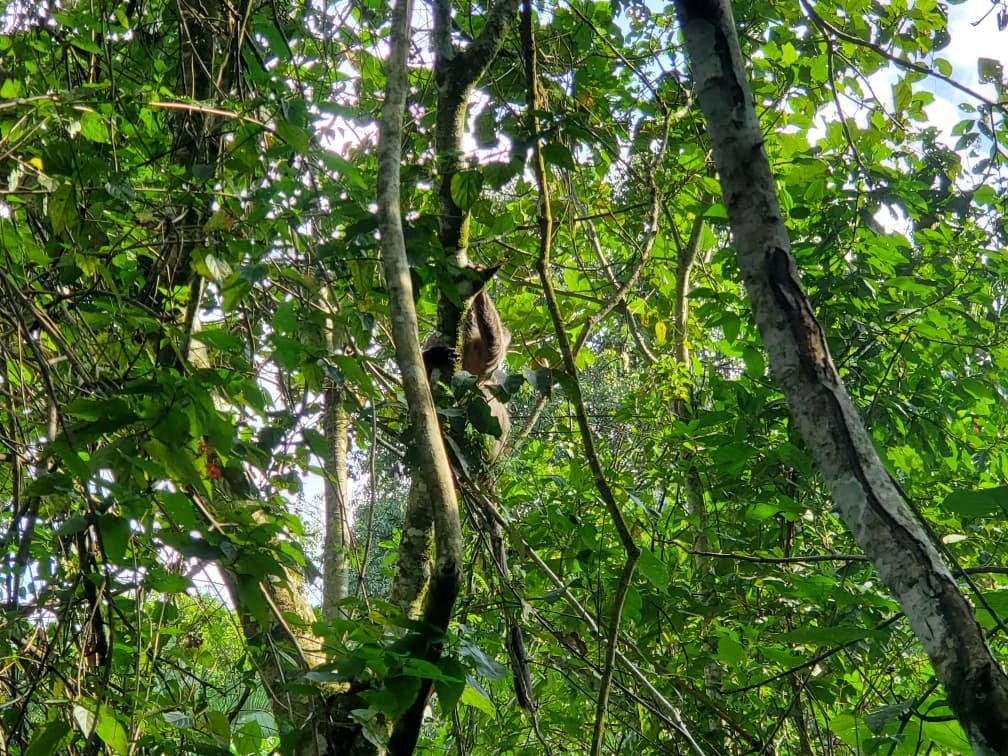
Tucked against the edge of Kibale National Park in Western Uganda, Bigodi Wetland Sanctuary rewards every traveler who steps onto its wooden boardwalk. Bird calls echo through the papyrus, red colobus monkeys rustle in the canopy, and a guide who grew up in the village walks beside you and explains it all. Consequently, many visitors rank this modest swamp above far more famous safari stops. Zamunda Travels sends guests here often, and the reaction is almost always the same: quiet surprise at how much life a single wetland can hold. This guide walks you through everything worth knowing before you go, from its history to its wildlife to the practical details that make a visit run smoothly.
What Is Bigodi Wetland Sanctuary?
Bigodi Wetland Sanctuary is a community-owned conservation area built around the Magombe Swamp, a lush wetland that borders Kibale Forest. Local guides, rather than government rangers, manage the entire site, and that distinction shapes the whole experience. Because the community owns the project, every entrance fee and every tip circulates back into the village through schools, a health center, and small business support. As a result, the sanctuary functions as both a wildlife refuge and a working example of tourism that benefits the people who live closest to the resource. Visitors therefore leave with more than photographs; they leave having supported a model that many conservationists point to as proof that ecotourism can work.
The name itself carries an interesting story. “Bigodi” comes from the Rutooro word “Kugodya,” meaning a tired or exhausting walk, since locals once found the swampy crossing to Kibale Forest genuinely draining. Today the same ground carries a raised boardwalk, so the walk feels far gentler than the name suggests, yet the term has stuck as a reminder of the area’s past.
Where Bigodi Wetland Sanctuary Is Located
Bigodi Wetland Sanctuary sits in Kamwenge District, roughly six kilometers from the Kanyanchu Visitor Centre, which also serves as the main chimpanzee-trekking trailhead inside Kibale National Park. From Fort Portal town, the drive covers about 35 to 40 kilometers on tarmac road, with only the final stretch turning to smooth murram. Travelers coming directly from Kampala should plan for a journey of around five to six hours, since the distance runs close to 300 kilometers depending on the exact route taken. Most safari itineraries pair the sanctuary with a Kibale Forest chimp trek, and Zamunda Travels typically schedules the swamp walk for the same morning or the following afternoon so guests avoid backtracking. Self-driving remains possible, but public transport travelers usually take a bus to Fort Portal first, then continue by boda-boda or a hired taxi.
The History Behind Bigodi Wetland Sanctuary
Local residents founded the project in 1992 through an organization called the Kibale Association for Rural and Environmental Development, widely known by its acronym, KAFRED. Before that year, the swamp held little formal protection, and pressure from farming and firewood collection threatened its habitat. Villagers recognized that the wetland’s birds and primates could draw visitors, so they organized guided walks, trained local naturalists, and reinvested the proceeds into community projects. Over the following decades, KAFRED expanded its guide-training program until it became a respected school for bird guides who now work across Uganda. This grassroots history explains why every guide at Bigodi Wetland Sanctuary knows the terrain personally, often having grown up walking the same paths as children.
Wildlife You Will See at Bigodi Wetland Sanctuary
Few wetlands of this size pack in as much biodiversity. Birders travel from across the world because the checklist tops 200 recorded species, and the Great Blue Turaco, a large, striking bird with a crown-like crest, appears often enough to be considered the unofficial mascot of the site. Other notable sightings include the papyrus gonolek, the grey crowned crane, the African pitta, and the shining-blue kingfisher, all of which favor the mix of papyrus swamp and riverine forest found here. Consequently, even visitors with only a casual interest in birds tend to leave impressed.
Primates share the spotlight just as readily. Guides regularly point out red colobus monkeys, black-and-white colobus monkeys, red-tailed monkeys, grey-cheeked mangabeys, blue monkeys, vervet monkeys, and olive baboons, while chimpanzees occasionally pass through from the neighboring national park. In total, the wetland hosts up to eight primate species, a number that rivals many larger reserves. Beyond birds and primates, keen-eyed guests sometimes spot otters, mongooses, bushpigs, and the shy, water-loving sitatunga antelope moving through the reeds. Butterflies flutter across the boardwalk in bright clusters, especially during the wetter months, adding color to nearly every step of the trail.
Guided Nature Walks and Activities at the Sanctuary
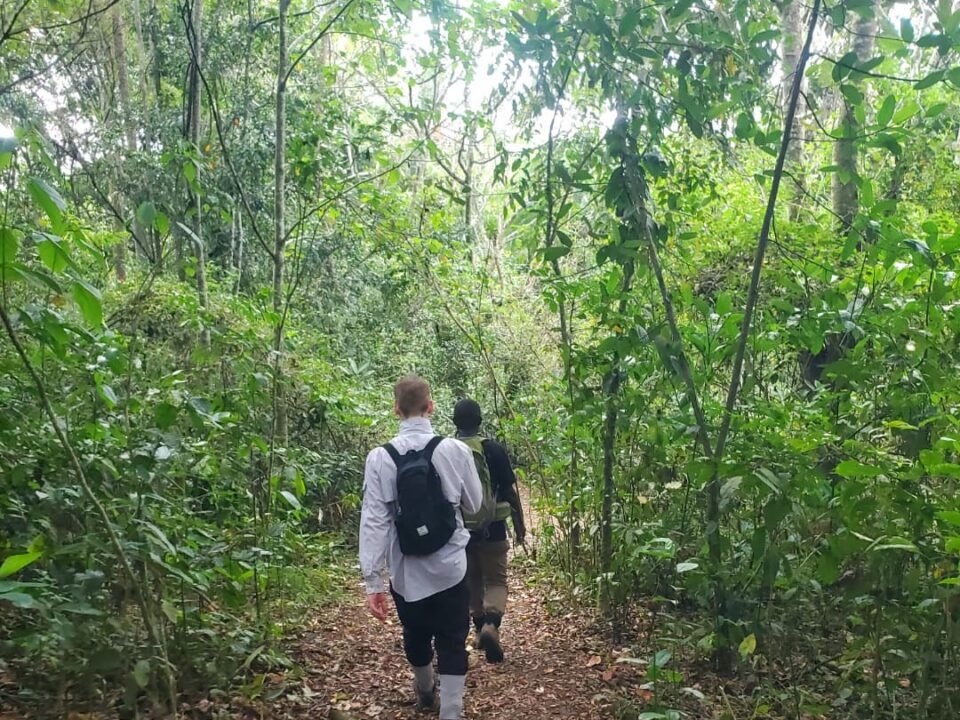
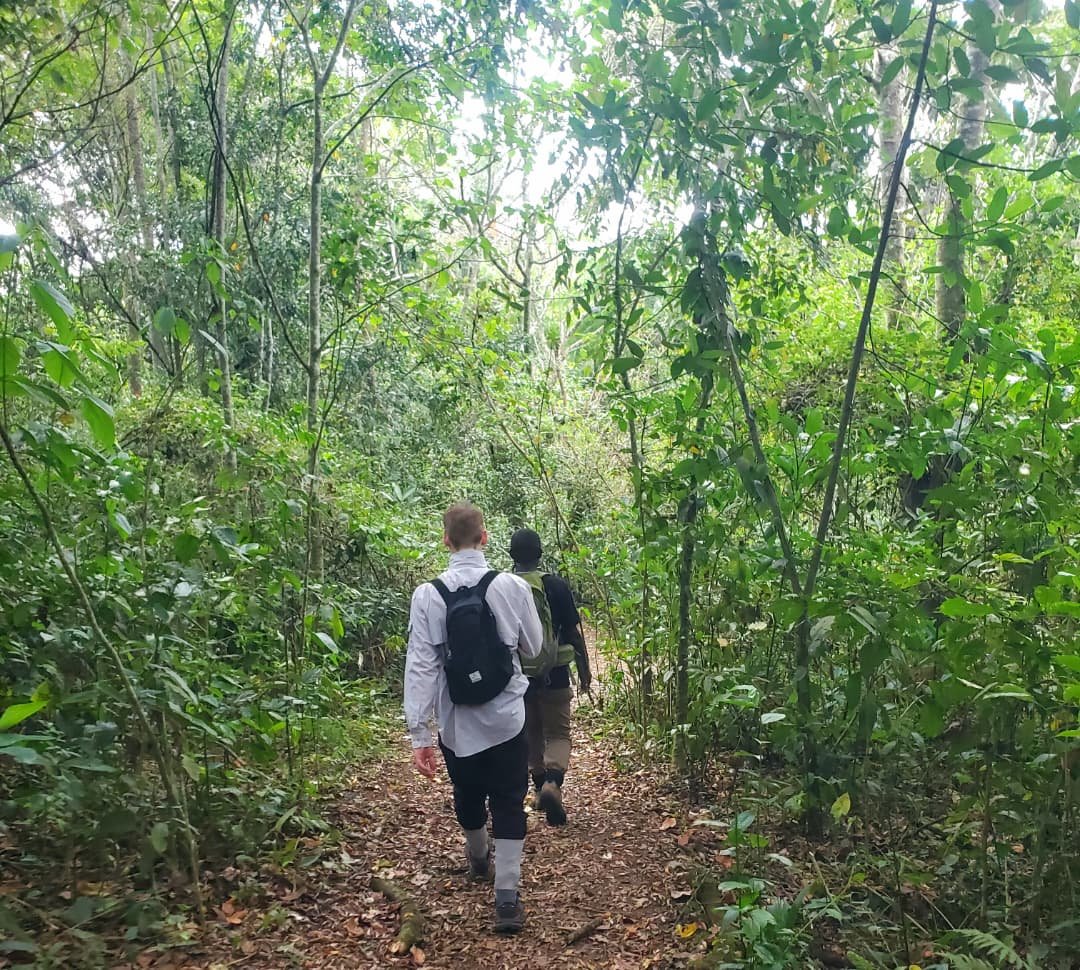
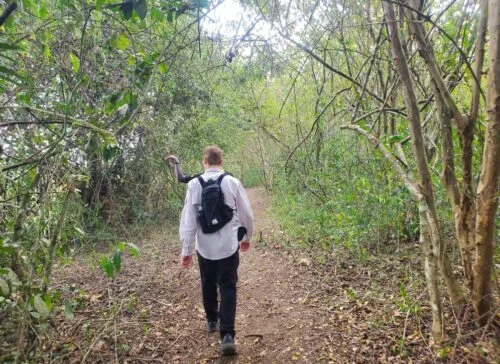
Every visit begins with a short briefing, during which a local guide explains the wetland’s history, its conservation goals, and the wildlife likely to appear that day. Walks typically depart twice daily, near 7:30 a.m. and again around 3:00 p.m., and each session lasts between two and three hours, depending on group pace and sightings along the way. The trail itself covers roughly four to five kilometers, mixing raised wooden boardwalks through the swamp with dirt paths that pass farmland and forest edge. Because the terrain stays relatively flat and the pace remains unhurried, the activity suits nearly any fitness level, and most operators, including Zamunda Travels, welcome children from around five years old.
Photography enthusiasts should bring a zoom lens, since many birds perch at a distance across the swamp rather than close to the boardwalk. A raised viewing platform near the trail’s midpoint also gives visitors a wider look across the wetland and the forest canopy beyond it, which often produces the best wide-angle photographs of the whole outing.
Best Time to Visit Bigodi Wetland Sanctuary
Uganda’s dry seasons, running roughly from December through February and again from June through September, offer the easiest walking conditions, since the boardwalk stays drier and paths through the surrounding farmland avoid heavy mud. However, birders chasing specific species often prefer the wetter months, because migratory visitors such as the African pitta appear mainly between November and March. Early morning departures generally produce livelier birdlife, since many species feed actively before the day’s heat sets in, while afternoon walks tend to favor primate sightings as monkeys move between feeding trees. Either way, Bigodi Wetland Sanctuary rewards visitors across the calendar, so travelers rarely need to plan a trip around a narrow weather window.
How Zamunda Travels Can Plan Your Bigodi Wetland Sanctuary Trip
Arranging transport, timing, and permits around a single wetland can feel like unnecessary work when so many other stops compete for attention in Western Uganda. Zamunda Travels removes that friction by building the swamp walk into a wider itinerary that also covers Kibale chimpanzee trekking, Fort Portal’s crater lakes, and, for travelers heading further west, the savannah plains of Queen Elizabeth National Park. Because the team knows the local guides personally, Zamunda Travels can secure walk times that match a guest’s broader schedule and avoid the midday heat. The company also handles vehicle transfers along the Mubende–Fort Portal highway, so clients never need to negotiate bus routes or boda-boda fares on their own. For travelers who want the ecological richness of Bigodi Wetland Sanctuary without the logistical guesswork, working with Zamunda Travels turns a promising idea into a smooth, well-timed day on the trail.
Tips for Visiting Bigodi Wetland Sanctuary
A few small preparations make a noticeable difference on the day of the walk. Closed shoes with good grip help on the boardwalk sections, which can turn slippery after rain, while long sleeves and insect repellent guard against mosquitoes near the swamp water. Binoculars matter more here than almost anywhere else in Uganda, since many birds stay partially hidden in papyrus stands rather than sitting in the open. Guests should also carry drinking water, since the walk runs for several hours without a formal rest stop, and a lightweight rain jacket earns its space in any bag given how quickly Western Uganda’s weather can shift. Finally, tipping the guide directly supports both the individual and the wider KAFRED program, so most seasoned travelers, including regular clients of Zamunda Travels, budget a little extra for this purpose.
Final Thoughts on Bigodi Wetland Sanctuary
Bigodi Wetland Sanctuary proves that a wetland smaller than most national parks can still deliver one of Uganda’s richest wildlife encounters. Between the birdlife, the primates, and the community-driven story behind the project, few destinations pack this much substance into a single half-day walk. Travelers planning a Kibale itinerary should treat this stop as essential rather than optional, and those who book through Zamunda Travels can fold it seamlessly into a wider Western Uganda journey without losing a single afternoon to logistics.