Forest Walks in Kibale National Park
September 12, 2026
Bigodi Wetland Sanctuary
September 12, 2026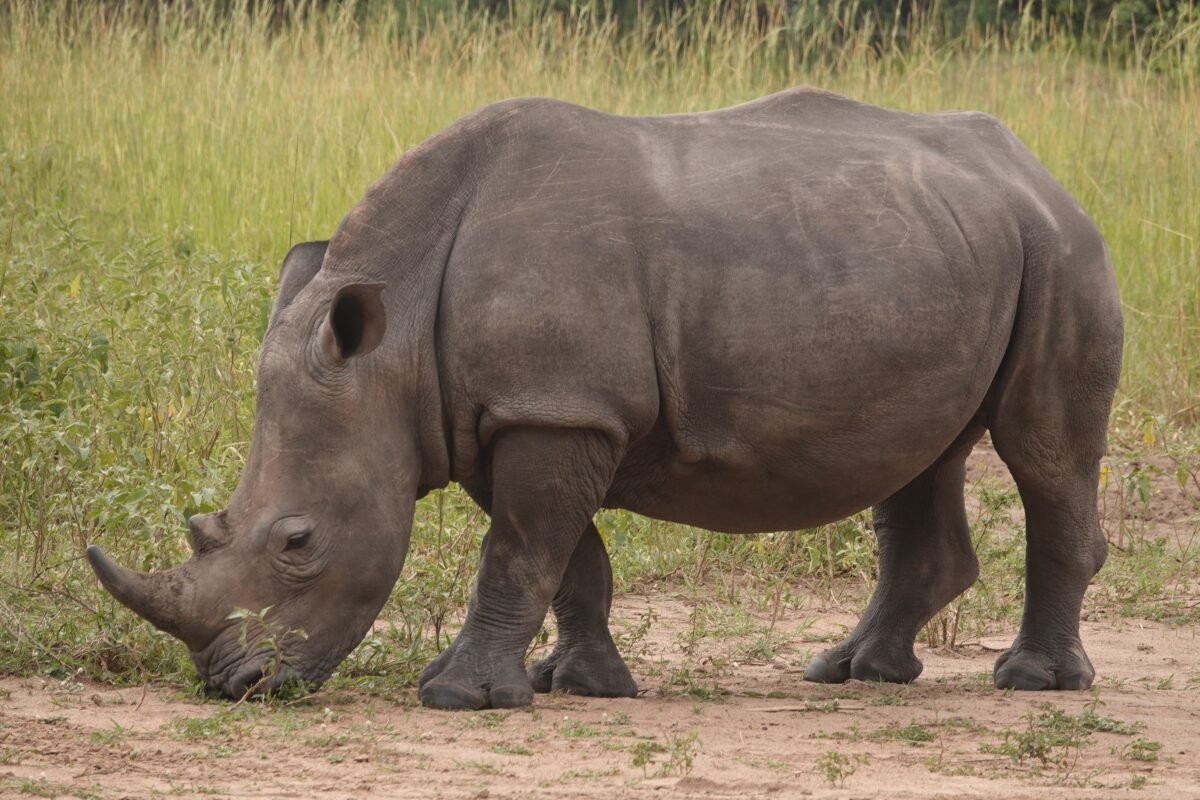
Imagine walking through the Ugandan savannah and suddenly seeing a massive Southern White Rhino grazing only a short distance away. There is no glass barrier between you and the animal. Instead, you are accompanied by a trained guide and ranger while the rhino moves freely through its natural environment. This is the experience that makes Ziwa Rhino Sanctuary one of the most remarkable wildlife destinations in Uganda.
Located in Nakasongola District along the Kampala–Gulu Highway, Ziwa Rhino Sanctuary offers visitors much more than a chance to see rhinos. It tells one of Uganda’s most inspiring conservation stories. The country lost its wild rhinos during decades of insecurity, poaching and habitat destruction. However, conservationists later began an ambitious programme to bring rhinos back to Uganda. Today, Ziwa plays a central role in that recovery.
The sanctuary was established in 2005 to provide a secure environment for Southern White Rhinos and to develop a breeding population that could support future reintroduction programmes. Uganda Wildlife Authority explains that the long-term goal is to build a sustainable rhino population and return rhinos to suitable protected areas across the country.
For travelers planning a Uganda safari, Ziwa Rhino Sanctuary is therefore more than a convenient stop between Kampala and Murchison Falls National Park. It is an opportunity to experience wildlife while learning about conservation, restoration and the return of a species that Uganda once lost.
The History of Rhinos in Uganda
Rhinos were once an important part of Uganda’s wildlife heritage. The country historically supported both the Northern White Rhino and the Eastern Black Rhino. Unfortunately, prolonged insecurity, poaching and poor wildlife management caused their numbers to collapse during the 1970s and early 1980s.
According to Uganda Wildlife Authority, both indigenous rhino populations had disappeared from Uganda by around 1982. This marked a devastating loss for the country’s wildlife heritage.
The disappearance of rhinos did not mean that conservationists had given up on bringing them back. Instead, it created a long-term challenge. Uganda needed a secure location where rhinos could live, breed and receive protection before conservationists could consider restoring them to suitable areas within their historical range.
That vision eventually led to the creation of Ziwa Rhino Sanctuary.
How Ziwa Rhino Sanctuary Was Established
The modern rhino recovery programme began through the efforts of Rhino Fund Uganda and its conservation partners. The organisation was established in 1997 with the goal of bringing rhinos back to Uganda, breeding them safely and eventually supporting their restoration in protected areas.
A suitable site was identified in Nakasongola on land associated with Ziwa Ranchers. The area provided a large natural environment with grassland, woodland, wetlands and water sources. These conditions created an appropriate setting for a managed rhino breeding programme.
Ziwa Rhino Sanctuary was officially established in 2005. The sanctuary provided a secure landscape where rhinos could reproduce under close protection. Its purpose was never simply to create a tourist attraction. Instead, conservationists wanted to develop a healthy population that could eventually support rhino restoration elsewhere in Uganda.
That objective has become increasingly important in recent years as Uganda has begun moving rhinos from Ziwa into other protected areas.
Why Ziwa Has Southern White Rhinos
One question often surprises first-time visitors: if Uganda originally had Northern White Rhinos, why does Ziwa have Southern White Rhinos?
The answer is linked to conservation practicality. Uganda’s indigenous Northern White Rhino population became functionally extinct, so conservationists could no longer establish a viable reintroduction programme using that subspecies.
Southern White Rhinos belong to the same species, Ceratotherium simum, although they are a different subspecies. Uganda therefore adopted a conservation-equivalence approach by using Southern White Rhinos to restore the ecological and conservation role once played by white rhinos in the country.
Uganda Wildlife Authority has specifically described the Southern White Rhino programme as part of the country’s effort to rebuild rhino populations and restore them to suitable parts of their former range.
This makes a visit to Ziwa especially meaningful. You are not simply looking at a large African mammal. You are witnessing an important chapter in Uganda’s ongoing wildlife recovery programme.
The Six Rhinos That Started the Modern Programme
The modern breeding population at Ziwa began with just six Southern White Rhinos.
Four rhinos arrived from Solio Ranch in Kenya in 2005. Two additional rhinos later came from Disney’s Animal Kingdom in the United States in 2006. These animals formed the foundation of the breeding programme.
Their arrival created something Uganda had not experienced for decades: rhinos living safely within the country again.
The importance of those first six animals goes far beyond their individual numbers. They provided the genetic and reproductive foundation for a programme that has gradually expanded. Their descendants now form an important part of Uganda’s national rhino recovery strategy.
Obama and the Birth of a New Generation
One of the most memorable chapters in the history of Ziwa Rhino Sanctuary was the birth of a rhino calf named Obama.
Obama became the first rhino calf born at Ziwa and quickly became a symbol of hope for Uganda’s conservation programme. His birth demonstrated that the sanctuary could do more than protect imported rhinos. It could support successful breeding.
That achievement changed the meaning of the sanctuary.
Uganda had once lost its rhinos. Now rhinos were being born on Ugandan soil again. Every new calf represented another step toward rebuilding a sustainable population.
The story also demonstrates why conservation takes time. Establishing a population is not achieved through a single successful introduction. It requires protection, suitable habitat, veterinary care, monitoring, breeding and long-term commitment.
Ziwa Rhino Sanctuary and Uganda’s Growing Rhino Population
The recovery of Uganda’s rhinos has continued to make progress.
UWA’s 2026 State of Wildlife Resources report states that Uganda had 61 Southern White Rhinos as of 15 February 2026. The report recorded 55 rhinos at Ziwa Rhino Sanctuary, making Ziwa the country’s main rhino population and a central source for future translocations.
The numbers can change as calves are born and rhinos are moved between conservation areas. Therefore, visitors should treat population figures as a snapshot rather than a permanent total.
More importantly, the overall trend demonstrates that the breeding programme has achieved significant progress. Ziwa has developed from a small founding population into the centre of a wider national rhino restoration programme.
Rhinos Return to Ajai Wildlife Reserve
In January 2026, Uganda reached another important conservation milestone.
Four Southern White Rhinos were moved from Ziwa Rhino Sanctuary to Ajai Wildlife Reserve in northern Uganda. UWA described the operation as Uganda’s first translocation of rhinos from one protected area to another within the country. The wider programme aims to establish an initial population of 20 rhinos at Ajai.
The move is significant because Ajai forms part of the historical range where rhinos once occurred. The translocation therefore represents more than relocating animals. It is part of a broader attempt to restore rhinos to suitable landscapes across Uganda.
The success of this programme will depend on continued protection, habitat management, monitoring and cooperation among conservation authorities and local communities.
Rhinos Return to Kidepo Valley National Park
The rhino recovery story continued in March 2026 when Uganda began returning Southern White Rhinos to Kidepo Valley National Park.
UWA reported that the first two rhinos were moved from Ziwa as part of a programme that aims to introduce eight rhinos into Kidepo. The initiative marked the return of rhinos to the area after 43 years.
The historical connection is especially powerful. The last rhino in Kidepo was killed in 1983. More than four decades later, rhinos began walking across the landscape again.
For Uganda’s conservation sector, this represents a major step forward. It shows how a breeding programme that began with six rhinos at Ziwa can eventually support the restoration of wildlife in other parts of the country.
What Makes Ziwa Rhino Sanctuary Special?
Ziwa Rhino Sanctuary is different from a conventional zoo. The rhinos live in a large, natural landscape where they can graze, move and interact with their environment.
Visitors do not simply arrive at an enclosure and watch animals from behind a barrier. Instead, rhino tracking takes place in the bush with trained guides and rangers.
This creates a much more immersive wildlife experience. During a walk, you can learn to notice animal tracks, vegetation, bird calls and signs of wildlife activity. Your guide also explains rhino behaviour, feeding patterns and the conservation challenges facing the species.
The experience becomes particularly memorable when you finally locate a rhino in the grassland.
The encounter can feel surprisingly peaceful. A huge animal may continue grazing while visitors observe from a safe distance under the guidance of trained staff.
That combination of wildlife, walking and conservation education makes Ziwa an excellent addition to a Uganda safari.
What to Do at Ziwa Rhino Sanctuary
Rhino Tracking at Ziwa Rhino Sanctuary
Rhino tracking is the signature activity at Ziwa. Instead of remaining inside a safari vehicle, visitors walk through the sanctuary with trained guides and rangers while searching for rhinos.
The walk provides an opportunity to learn about the animals and their environment. Guides can explain rhino behaviour, feeding habits, family relationships, tracking signs and the wider conservation programme.
The experience also allows visitors to appreciate the landscape at a slower pace. You can notice small details that are easy to miss during a conventional game drive.
For many travelers, the moment they finally see a Southern White Rhino becomes one of the highlights of their Uganda safari.
Shoebill Tracking
Ziwa also attracts birdwatchers because its wetlands provide habitat for a variety of bird species, including the highly sought-after Shoebill.
Shoebill tracking usually works best with experienced guides who understand the wetland environment and the birds’ preferred habitats. Early morning can provide particularly rewarding birding conditions.
Combining rhino tracking with a Shoebill experience can make a Ziwa visit much more diverse. You can begin with large mammals and then explore Uganda’s remarkable wetland birdlife.
Bird Watching
Ziwa offers more than rhinos. Its mixture of grassland, woodland and wetland habitats supports a wide range of birds and other wildlife.
Birdwatchers can look for raptors, waterbirds, woodland species and other birds during guided activities. The sanctuary’s birding opportunities also make it attractive to travelers who want to combine mammal watching with Uganda’s rich birdlife.
For serious birdwatchers, the Shoebill remains one of the biggest attractions.
Giraffe and Wildlife Experiences
Visitors can also encounter giraffes, Uganda kob, warthogs, hippos, crocodiles, monkeys and other wildlife within the wider sanctuary ecosystem.
A guided walk provides a different perspective from a traditional game drive. You move at a slower pace and become more aware of tracks, insects, plants, sounds and other signs of animal activity.
Wildlife sightings can vary because animals move freely through the sanctuary. That unpredictability is part of the experience.
Nature and Night Walks
Ziwa also provides opportunities for guided nature and night experiences, depending on current arrangements.
The sanctuary changes after sunset. Nocturnal insects, frogs and other animals become more active, creating a completely different atmosphere from a daytime safari.
A night experience can therefore complement rhino tracking and give visitors another way to understand the sanctuary’s ecosystem.
Ziwa Rhino Sanctuary Wildlife
Although rhinos are the main attraction, the sanctuary supports a much broader range of wildlife.
UWA’s 2026 State of Wildlife Resources report records a diverse collection of mammals at Ziwa, including carnivores, ungulates and primates. It also highlights species such as hippopotamus, leopard and giant pangolin, showing why the sanctuary requires strong protection beyond its famous rhinos.
Depending on the area and current wildlife movements, visitors may encounter Southern White Rhinos, giraffes, Uganda kob, warthogs, hippos, crocodiles, monkeys and numerous bird species.
The sanctuary’s wetlands are particularly valuable for birding. This combination makes Ziwa more than a single-species destination.
Where Is Ziwa Rhino Sanctuary?
Ziwa Rhino Sanctuary is located in Nakasongola District in central Uganda, along the Kampala–Gulu Highway.
For travelers leaving Kampala and heading toward Murchison Falls National Park, the sanctuary provides a convenient opportunity to add a rhino experience to the journey.
The sanctuary is accessed around Nakitoma Trading Centre. Because the route forms part of the journey toward northern Uganda, many safari itineraries combine Ziwa with Murchison Falls National Park.
A popular route can therefore follow this pattern:
Kampala → Ziwa Rhino Sanctuary → Rhino Tracking → Overnight Stay → Murchison Falls National Park
This approach turns a long transfer into part of the safari experience.
How Far Is Ziwa Rhino Sanctuary From Kampala?
Ziwa Rhino Sanctuary is approximately 176 kilometres from Kampala according to the supplied sanctuary information.
The actual journey time can vary depending on traffic, road conditions, stops and the starting point within Kampala.
For travelers using a private safari vehicle, it is useful to plan the journey around the rhino tracking schedule. This allows enough time for the transfer, activity and onward travel without making the day unnecessarily rushed.
Zamunda Travels can coordinate the driving schedule, accommodation and activities so that Ziwa fits naturally into a wider Uganda safari.
Ziwa Rhino Sanctuary Fees
Ziwa’s visitor fees can change, so travelers should confirm the current rate before booking.
The supplied draft lists international visitor rates for rhino tracking and several additional activities. However, UWA’s published tariff pages also show different historical rates, and UWA currently indicates that a newer 2026–2027 tariff is being introduced.
For that reason, it is better not to rely on an old online price when planning a safari.
Zamunda Travels can confirm the applicable activity and accommodation costs when preparing your itinerary. This helps avoid unexpected changes between the time you research your trip and the time you travel.
Best Time to Visit Ziwa Rhino Sanctuary
Ziwa can be visited throughout the year. However, your experience can vary with weather, vegetation and wildlife conditions.
The drier periods can make some wildlife encounters easier because animals may gather around water sources and vegetation becomes less dense. At the same time, Uganda’s wetter months bring greener landscapes and can offer excellent conditions for birdwatching.
If you want to combine Ziwa with Murchison Falls National Park, the best travel period may depend on your wider Uganda itinerary rather than Ziwa alone.
Zamunda Travels can help you choose a travel period based on the activities you want to combine, such as rhino tracking, game drives, birding, boat safaris, chimpanzee trekking or gorilla trekking.
Where to Stay at Ziwa Rhino Sanctuary
Staying overnight at Ziwa allows you to experience more than a short stopover.
Accommodation options are available around the sanctuary, including rooms and safari-style accommodation. The supplied sanctuary information lists options such as the Obama Suite, Malaika, Sonic, Nguzo and family accommodation.
An overnight stay can also make it easier to include early-morning activities such as Shoebill tracking or birdwatching.
Zamunda Travels can arrange accommodation together with transport, guiding and onward safari activities. This is particularly useful for travelers who want to combine Ziwa with Murchison Falls National Park or a longer Uganda safari.
Ziwa Rhino Sanctuary and the Big Five
Ziwa can also play an important role in a Ugandan Big Five safari.
The Southern White Rhino is the species that makes Ziwa unique within Uganda’s safari circuit. After seeing rhinos at Ziwa, travelers can continue into Uganda’s national parks in search of elephant, lion, leopard and buffalo.
Murchison Falls National Park offers opportunities to see several of these species. Queen Elizabeth National Park also provides excellent wildlife experiences, while other destinations add different ecosystems and activities.
A well-designed itinerary can therefore combine rhino tracking with game drives, boat safaris, chimpanzee trekking, gorilla trekking and birdwatching.
This is one reason Uganda stands out as a safari destination. The country allows travelers to combine several different wildlife experiences within one journey.
Why Visit Ziwa Rhino Sanctuary With Zamunda Travels?
Planning a Uganda safari involves more than choosing attractions. You also need to coordinate driving distances, activity times, accommodation, permits, park fees and connections between destinations.
Zamunda Travels can help bring these elements together into one practical itinerary.
A Ziwa visit can be combined with Murchison Falls National Park, Kibale National Park, Queen Elizabeth National Park, Bwindi Impenetrable National Park or other destinations depending on the length of your trip.
For example, travelers interested in primates can combine rhino tracking at Ziwa with chimpanzee trekking in Kibale. Those interested in a broader wildlife adventure can continue toward Murchison Falls. Travelers with more time can add gorilla trekking in Bwindi or Mgahinga.
The advantage of planning through Zamunda Travels is that the Ziwa experience becomes part of a complete safari rather than an isolated stop.
The Future of Ziwa Rhino Sanctuary
The story of Ziwa Rhino Sanctuary is still developing.
The sanctuary has already helped Uganda rebuild a Southern White Rhino population after the country’s indigenous rhinos disappeared. It has also become a source population for carefully planned translocations to other protected areas.
The movements to Ajai Wildlife Reserve and Kidepo Valley National Park demonstrate this new phase of the programme.
The long-term vision is much bigger than maintaining rhinos at a single sanctuary. Conservationists want secure populations in suitable protected areas across Uganda.
Achieving that goal will require continued breeding, habitat protection, monitoring, veterinary support, effective law enforcement and community involvement.
It will also require responsible tourism.
Every visitor who chooses a conservation-focused experience helps create awareness about the importance of protecting Uganda’s wildlife.
Is Ziwa Rhino Sanctuary Worth Visiting?
Yes, especially if you want a wildlife experience that combines close encounters with conservation education.
Ziwa offers something that is difficult to find elsewhere in Uganda. You can walk through a natural landscape while searching for Southern White Rhinos with trained guides and rangers.
The experience also carries a deeper meaning. Uganda lost its rhinos, yet conservationists refused to accept that the story had ended. The breeding programme at Ziwa helped create a new population, and that population is now supporting the return of rhinos to other parts of the country.
For travelers heading toward Murchison Falls National Park, the location makes Ziwa particularly convenient. However, its conservation story alone is enough reason to include it in a well-planned Uganda safari.
Visit Ziwa Rhino Sanctuary With Zamunda Travels
Your Uganda safari should be about more than collecting destinations. It should be about experiencing the stories behind them.
At Ziwa Rhino Sanctuary, you walk through the landscape of a species that Uganda once lost. You learn how conservationists rebuilt a population from a small founding group. You see Southern White Rhinos living in a protected natural environment. Most importantly, you witness a conservation programme that is now expanding beyond Ziwa.
Zamunda Travels can help you organise the complete experience, including rhino tracking, accommodation, transport, professional safari guiding and onward travel to destinations such as Murchison Falls National Park.
We can also combine your Ziwa experience with Uganda’s other major attractions, including Big Five safaris, chimpanzee trekking, gorilla trekking, boat safaris, birdwatching and cultural experiences.
In conclusion, Ziwa Rhino Sanctuary is one of Uganda’s most meaningful wildlife destinations because it represents both the past and the future of conservation. The country once lost its rhinos, but a determined conservation programme brought Southern White Rhinos back and created a population capable of supporting restoration elsewhere. With rhinos now returning to places such as Ajai Wildlife Reserve and Kidepo Valley National Park, the story continues to grow. When you visit Ziwa with Zamunda Travels, you are not simply going to see a rhino. You are stepping into one of Uganda’s most inspiring conservation stories.
Ready to experience Ziwa Rhino Sanctuary? Contact Zamunda Travels to plan your Uganda safari.