What Is the Difference Between Chimpanzee Trekking and Habituation?
September 8, 2026
Best Time to Visit Kibale National Park for Chimpanzee Trekking
September 9, 2026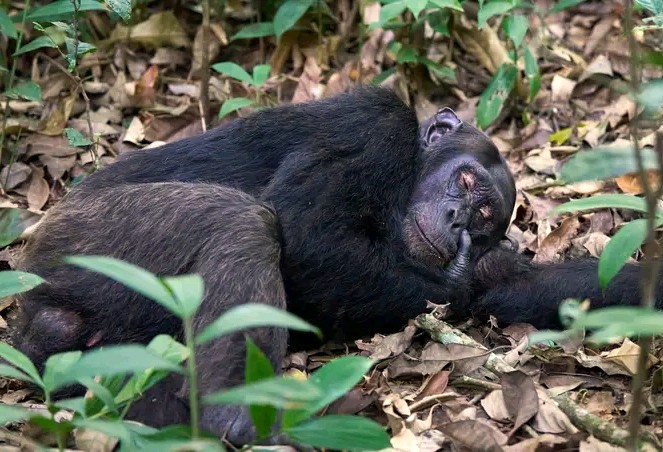
Kibale National Park sits quietly in western Uganda, yet it holds one of the loudest reputations in African tourism. Travellers call it the Primate Capital of the World, and the title fits. The forest shelters more than 1,500 chimpanzees alongside twelve other primate species, all moving through 795 square kilometres of dense, humid rainforest near Fort Portal. When visitors plan a trip here, they quickly face one central decision: chimpanzee trekking and habituation both exist as options, but they are not the same experience, and they do not suit the same traveller. Zamunda Travels designed this guide to remove the guesswork. We walk you through both experiences in full detail, compare their costs, timing, and physical demands, and help you decide which one belongs on your Uganda itinerary. By the end, you will know exactly what to book, and why.
What Is Chimpanzee Trekking in Kibale National Park?
Chimpanzee trekking is the classic, most popular way to meet Kibale’s chimpanzees. Rangers organise the activity into two daily sessions, one starting early in the morning and one in the afternoon. Visitors gather at Kanyanchu Visitor Centre, receive a briefing from an armed Uganda Wildlife Authority guide, then walk into the forest in small groups of up to eight people. The guides track the chimps using calls, nest locations, and fresh footprints, and most groups find a habituated community within one to three hours. Once located, trekkers receive exactly one hour with the chimps. That hour moves fast. The chimps forage, groom each other, chase through the canopy, and occasionally settle close enough for a clear photograph. Zamunda Travels always reminds first-time trekkers that the walk itself rewards attention too, since guides frequently point out red-tailed monkeys, forest birds, and rare butterflies along the trail.
Because the encounter is short and structured, chimpanzee trekking suits travellers with limited time, moderate fitness, or a broader itinerary that includes other parks. Families often prefer it for this reason. The trail can be uneven and occasionally muddy, but it demands no technical skill, and guides set a pace that most healthy adults manage comfortably. Zamunda Travels typically books this experience as a half-day activity, which leaves the rest of the day open for a nature walk, a visit to Bigodi Wetland Sanctuary, or an early departure toward Queen Elizabeth National Park.
What Is Chimpanzee Habituation in Kibale Forest?
Chimpanzee habituation, often shortened to CHEX, offers a far deeper encounter, and it exists for a very different purpose. Wild chimpanzee communities do not start out comfortable around humans; researchers and rangers spend years teaching a group to tolerate a quiet human presence without altering its natural behaviour. The habituation experience lets visitors join that process directly. Guests meet researchers before sunrise, follow the chimps from their overnight nest, and stay with them through the entire day, right up until they build a new nest at dusk. Sessions can stretch past eight hours, and Zamunda Travels always packs a proper breakfast and lunch for guests joining this activity, since the group rarely stops for long.
This extended access changes everything about the experience. Visitors watch behaviours that a one-hour trek almost never reveals: hunting attempts, territorial displays, tool use, and long stretches of quiet social grooming. Because the daily group size stays capped at four people, the forest feels private, and researchers narrate the chimps’ individual personalities and family histories as the day unfolds. Photographers, primatologists, and travellers seeking a slower, more immersive wildlife encounter consistently rate habituation as the more memorable of the two options. The trade-off is real, however: it demands stronger fitness, a full day of walking, and a considerably higher permit fee.
Chimpanzee Trekking and Habituation: Key Differences
Once you understand both activities individually, the practical differences become easy to line up. Zamunda Travels breaks the comparison into four categories that matter most to travellers: duration, group size, cost, and physical demand.
Duration and Time Commitment
Standard trekking runs two to five hours in total, with only sixty minutes spent directly with the chimps. Habituation runs from roughly 6:00 a.m. until the chimps settle for the night, often eight hours or longer. Anyone with a tight schedule should lean toward trekking; anyone planning a dedicated wildlife day should choose habituation.
Group Size and Atmosphere
Trekking groups can include up to eight guests, which creates a livelier, more social atmosphere but also more noise near the chimps. Habituation caps each group at four people, so the forest feels calmer, and questions to the accompanying researcher flow more naturally.
Physical Demand
Trekking suits moderate fitness levels, since the walk rarely exceeds a few hours on manageable terrain. Habituation, in contrast, tests stamina. Guests walk continuously through thick vegetation, sometimes off-trail, and must keep pace with an active chimp community for the better part of a day.
Permit Cost
Cost separates the two experiences sharply, and it deserves its own detailed section below.
Cost Comparison: Trekking vs Habituation Permits
Budget plays a real role in this decision, so Zamunda Travels lays out the current permit structure clearly. Uganda Wildlife Authority sets three pricing tiers based on residency status.
Chimpanzee Trekking Permit (one hour with chimps):
- Foreign non-residents: USD 250 per person
- Foreign residents: USD 200 per person
- East African citizens: UGX 180,000 per person
Chimpanzee Habituation Permit (full day, dawn to dusk):
- Foreign non-residents: USD 300 per person
- Foreign residents: USD 250 per person
- East African citizens: UGX 250,000 per person
Both permits include park entrance fees and a Uganda Wildlife Authority ranger guide. Zamunda Travels secures these permits well in advance for every client, since Kibale allocates only a limited number of slots per day, and the dry-season months sell out quickly. We recommend booking chimpanzee trekking or habituation permits at least three months ahead if your visit falls between June and September or December and February, the two dry seasons when trails stay firm and sighting rates climb above ninety percent.
Best Time for Chimpanzee Trekking and Habituation in Kibale
Timing shapes the entire experience, regardless of which activity you choose. The dry months, June through September and December through February, offer the most comfortable trekking conditions, since rain turns Kibale’s forest floor slippery and the chimps sometimes retreat deeper into the canopy. Sighting rates during these windows regularly exceed ninety percent, and photographers benefit from clearer light filtering through the trees. The wetter months between March and May, along with October and November, still allow both activities, and they come with a bonus: fewer crowds and lower accommodation rates nearby. Zamunda Travels often recommends the shoulder seasons to travellers who prioritise a quieter forest over guaranteed sunshine, since chimpanzee trekking and habituation both continue year-round regardless of rainfall.
Which One Should You Choose? Zamunda Travels’ Recommendation
Choosing between chimpanzee trekking and habituation ultimately comes down to three questions: how much time you have, how much you want to spend, and how deep an encounter you want with these animals. First-time visitors, families with children, and travellers combining Kibale with several other parks generally get excellent value from standard trekking. It delivers a genuine, exciting encounter within a manageable half-day window, and it leaves room for the rest of a packed Uganda itinerary. Photographers, wildlife researchers, honeymooners seeking something unforgettable, and travellers who consider Kibale the centrepiece of their trip, however, should strongly consider habituation. The extra cost buys an entire day of unfiltered access, and most guests describe it afterward as the single best encounter of their safari.
Zamunda Travels also offers a practical middle path for undecided travellers: combine both activities across two consecutive days. Start with a standard trek to build excitement and confidence, then follow it with a full habituation day once you know what to expect from the forest and the chimps’ rhythms. Many of our clients who tried this combination called it the highlight of their entire Uganda trip.
How to Book Chimpanzee Trekking and Habituation with Zamunda Travels
Booking either experience independently can feel complicated, since permits sell out fast and Uganda Wildlife Authority requires advance payment in full. Zamunda Travels simplifies the entire process. Our team confirms permit availability, secures your preferred date and session, arranges transport from Entebbe or Kampala to Fort Portal, and pairs the activity with comfortable lodging near Kanyanchu Visitor Centre. We also brief every client beforehand on packing essentials, fitness expectations, and forest etiquette, so nothing about the day feels uncertain. Whether you choose a single one-hour trek or a full habituation day, Zamunda Travels handles the logistics so you can focus entirely on the chimpanzees in front of you.
Frequently Asked Questions
Can beginners handle chimpanzee habituation, or is it only for experienced hikers? Moderate fitness is enough for most healthy adults, though the full-day walking pace suits active travellers best. Zamunda Travels can advise on your specific fitness level before booking.
Do chimpanzee trekking and habituation run on the same days in Kibale? Yes, both activities operate daily throughout the year, subject to permit availability.
Is chimpanzee sighting guaranteed on either activity? Sighting rates in Kibale exceed ninety percent during the dry season for trekking, and habituation guests join a community already tracked from its overnight nest, which makes a sighting almost certain.
Conclusion
Chimpanzee trekking and habituation both open a genuine window into the lives of our closest living relatives, but they ask different things of every traveller. Trekking rewards those who want a focused, efficient wildlife encounter within a broader Uganda itinerary, while habituation rewards those willing to trade a longer day and a higher fee for an unmatched, immersive experience. Whichever path fits your trip, Zamunda Travels stands ready to secure your permit, plan your route through Kibale, and turn a single forest morning into a story you will tell for years.