Swimming in Lake Bunyonyi
May 5, 2026
How Long Does It Take for a Chimpanzee to Walk?
May 6, 2026
Uganda offers one of Africa’s most diverse and visually rich landscapes, making it an exceptional destination for filmmakers, content creators, and documentary teams. From the misty mountains of Bwindi Impenetrable National Park to the sweeping savannahs of Queen Elizabeth National Park, the country provides a unique mix of wildlife, culture, and dramatic scenery. However, planning a filming safari in Uganda requires more than simply booking a tour. It demands careful coordination, permits, local expertise, and an understanding of environmental and cultural considerations. This guide walks you through every step, ensuring your filming safari becomes both productive and unforgettable with support from Zamunda Travels.
Understanding the Essentials of a Filming Safari in Uganda
A filming safari in Uganda differs significantly from a standard wildlife tour. While tourists focus on viewing wildlife, filmmakers must consider lighting conditions, animal behavior, access logistics, and equipment handling. Uganda’s equatorial climate ensures consistent daylight, yet weather patterns can shift quickly, especially in forested regions like Kibale National Park. Therefore, planning your shooting schedule around early mornings and late afternoons helps capture the best natural light and animal activity.
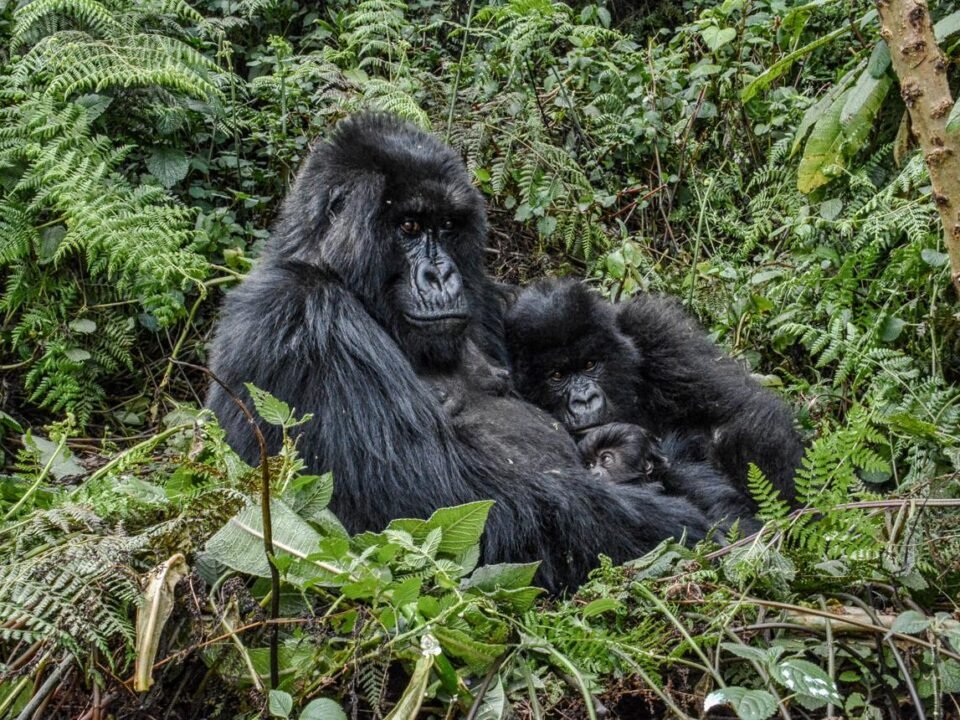
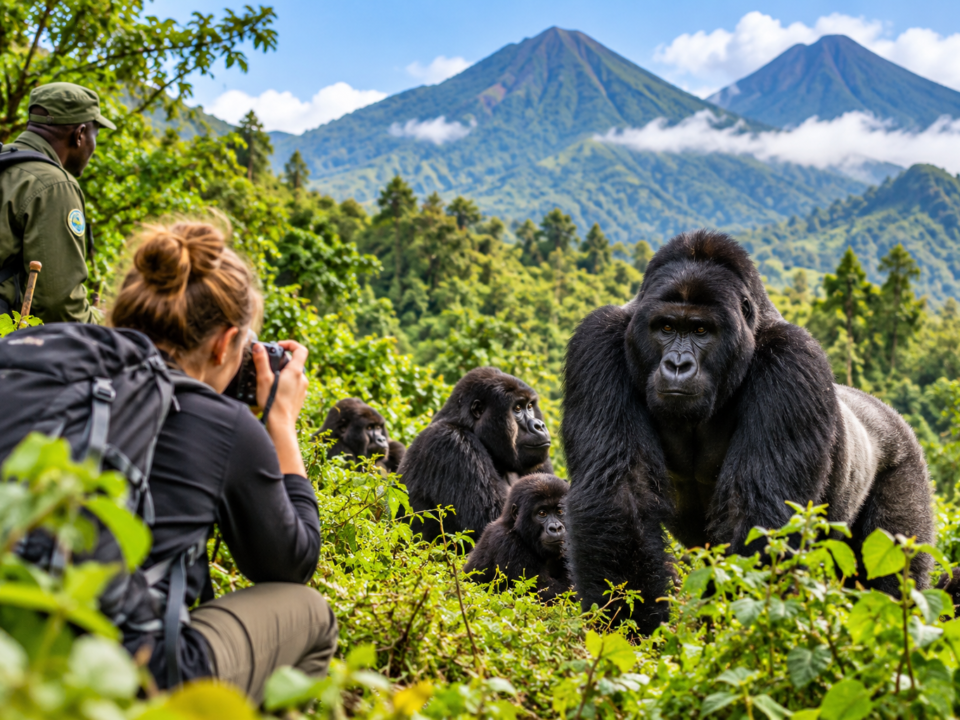
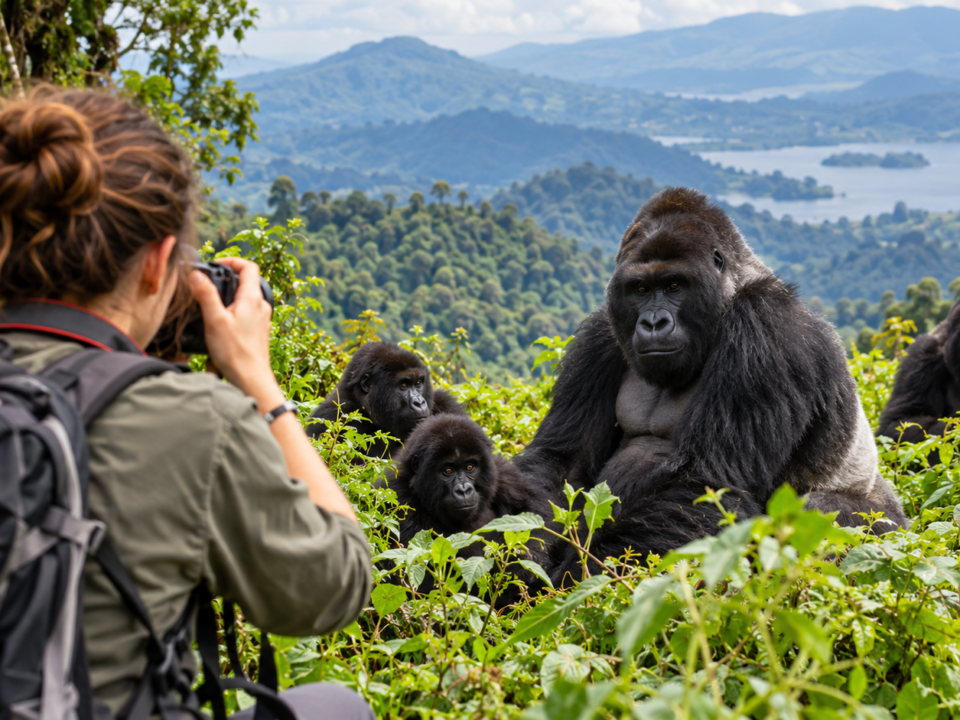
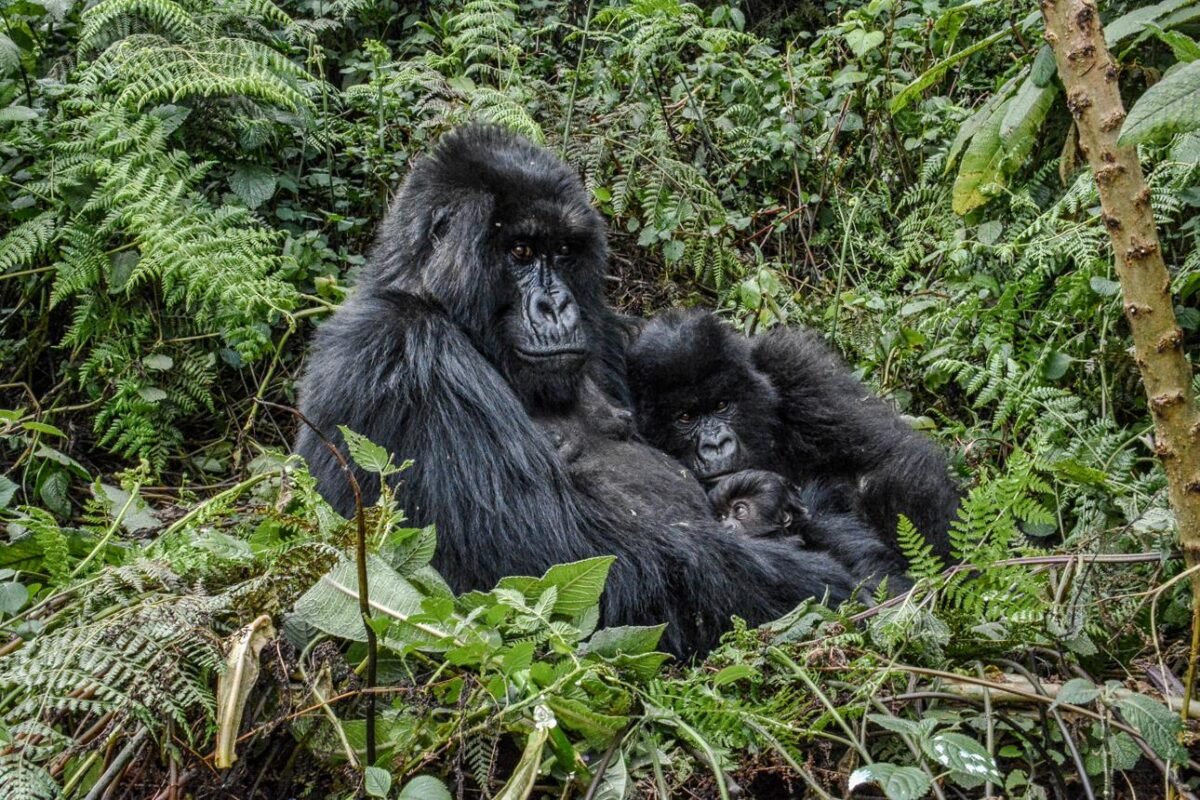
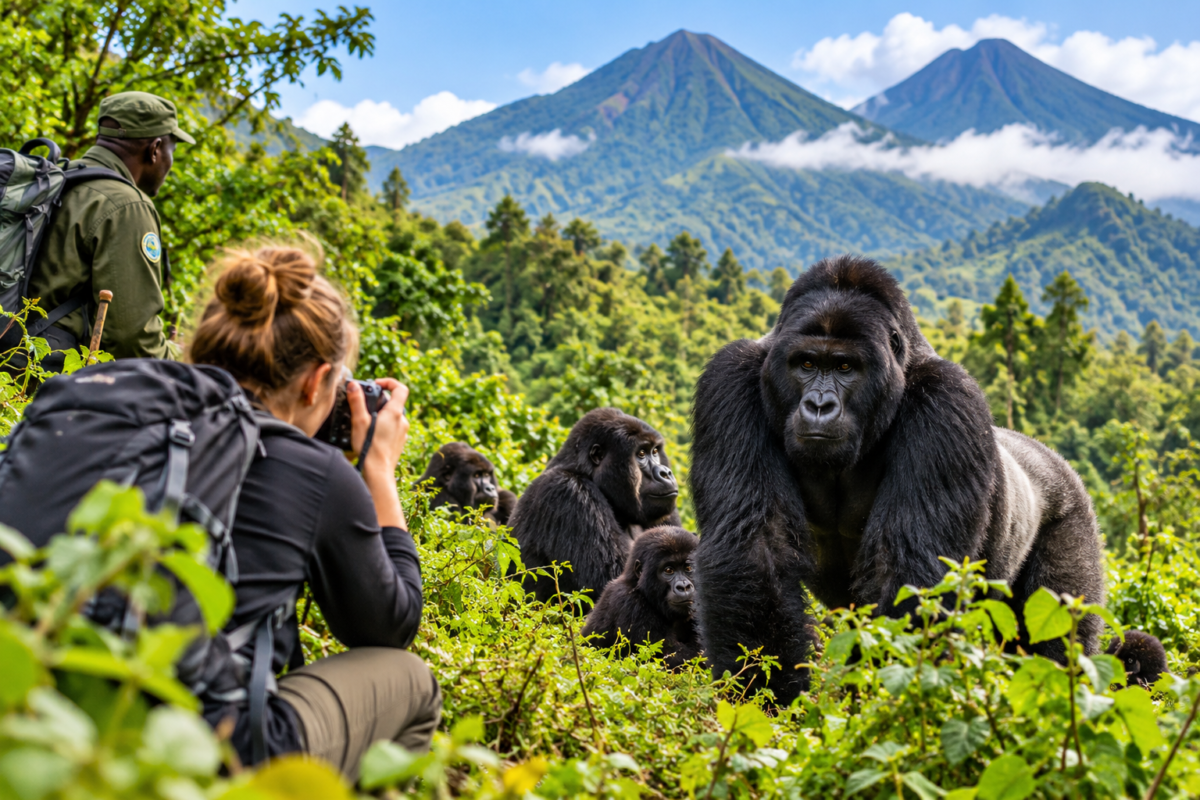
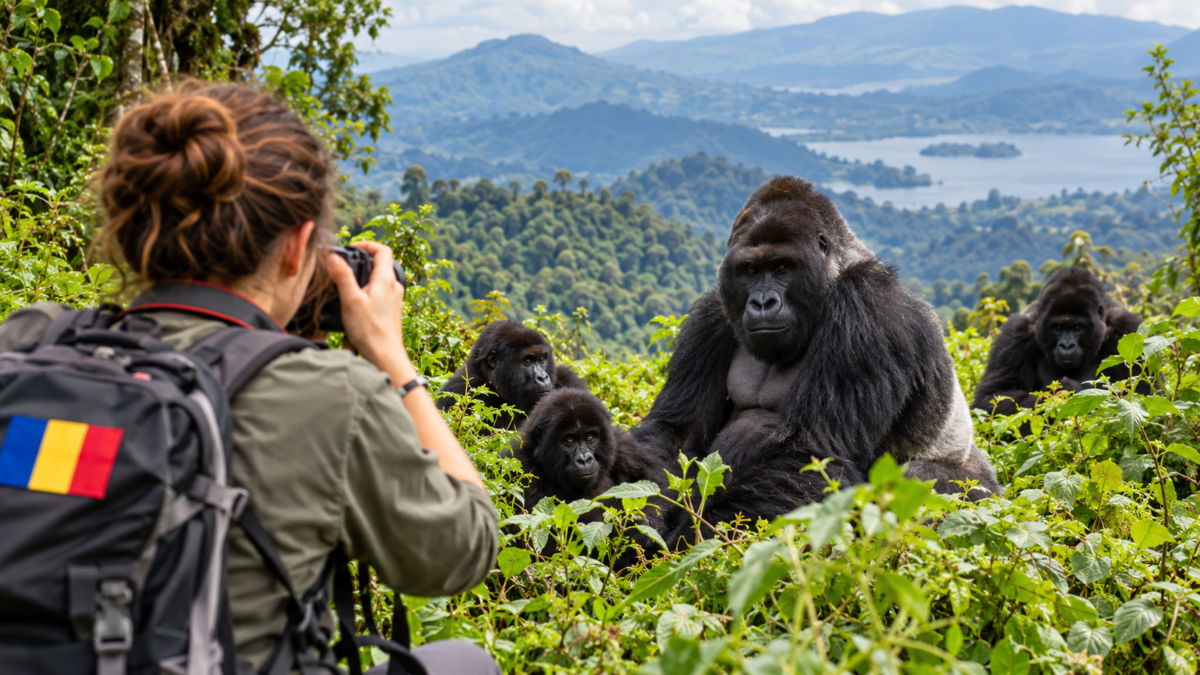
Moreover, Uganda is home to rare species such as mountain gorillas and tree climbing lions. Filming these animals requires patience and adherence to strict conservation guidelines. Zamunda Travels helps coordinate these details, ensuring that your production respects wildlife regulations while maximizing shooting opportunities.
Securing Permits for a Filming Safari in Uganda
Obtaining the correct permits is a critical step when planning a filming safari in Uganda. The Uganda Wildlife Authority (UWA) manages filming permissions in national parks and protected areas. Filmmakers must apply in advance, providing details about crew size, equipment, and intended use of footage.
In addition, if your project involves gorilla or chimpanzee filming, special permits are required, and these come with stricter rules due to conservation concerns. Zamunda Travels assists in navigating this process efficiently, helping you avoid delays and ensuring compliance with local regulations. Early application is essential, as approvals can take time, especially for large productions.
Choosing the Best Locations for a Filming Safari in Uganda
Selecting the right locations defines the success of your filming safari in Uganda. Each park offers distinct visual storytelling opportunities. Murchison Falls National Park delivers dramatic river scenes and powerful waterfalls, while Kidepo Valley National Park provides rugged, untouched wilderness ideal for cinematic landscapes.
For primate focused productions, Bwindi Impenetrable National Park and Kibale National Park remain top choices. Meanwhile, Lake Mburo National Park offers accessible wildlife filming with fewer crowds. Zamunda Travels designs tailored itineraries that align with your filming goals, ensuring efficient travel between locations and optimal shooting conditions.
Equipment and Logistics for a Filming Safari in Uganda
Transporting and managing filming equipment in Uganda requires careful planning. Roads in remote parks can be rough, and weather conditions may affect accessibility. Therefore, using durable gear and protective cases is essential. Drone usage is regulated and requires special clearance, so always confirm permissions before arrival.
Power supply also presents a challenge in remote areas. Many lodges provide solar power or generators, but backup batteries and portable charging systems are necessary. Zamunda Travels ensures that your safari vehicles are equipped to handle both passengers and filming gear comfortably, reducing logistical stress during your shoot.
Working with Local Experts on a Filming Safari in Uganda
Collaborating with experienced local guides enhances the quality of your filming safari in Uganda. Guides understand animal behavior, migration patterns, and the best vantage points for capturing footage. They also help you anticipate wildlife movements, which saves valuable shooting time.
Zamunda Travels connects you with knowledgeable guides, trackers, and park rangers who contribute to a smoother production process. Their insights allow filmmakers to capture authentic and compelling scenes while maintaining safety and ethical standards.
Best Time to Plan a Filming Safari in Uganda
Timing plays a vital role in achieving successful footage. The dry seasons, from June to August and December to February, offer the best conditions for a filming safari in Uganda. During these months, roads remain accessible, and wildlife gathers around water sources, making filming easier.
However, the wet seasons provide lush landscapes and dramatic skies, which can enhance visual storytelling. Zamunda Travels helps you balance these factors, selecting the ideal time based on your creative vision and logistical needs.
Ethical and Conservation Considerations
Filming in Uganda comes with a responsibility to protect its natural heritage. Maintaining a safe distance from wildlife, avoiding disruptive behavior, and following park guidelines are essential practices. This is particularly important when filming endangered species such as mountain gorillas.
Zamunda Travels prioritizes sustainable tourism and ensures that all filming activities align with conservation efforts. By respecting these principles, filmmakers contribute to preserving Uganda’s ecosystems for future generations.
Final Thoughts on Planning a Filming Safari in Uganda
A filming safari in Uganda offers unmatched opportunities to capture Africa’s raw beauty and biodiversity. With proper planning, the right permits, and expert guidance, your production can achieve outstanding results. From the dense forests of Bwindi Impenetrable National Park to the vast plains of Kidepo Valley National Park, every location tells a powerful story.
Zamunda Travels stands out as a reliable partner in organizing seamless filming safaris. Their expertise ensures that every detail, from logistics to local coordination, supports your creative vision. With the right preparation, your filming safari in Uganda will not only meet expectations but exceed them.