How to Plan a Filming Safari in Uganda
May 6, 2026
Activities at the Source of River Nile “Lake Victoria”
May 6, 2026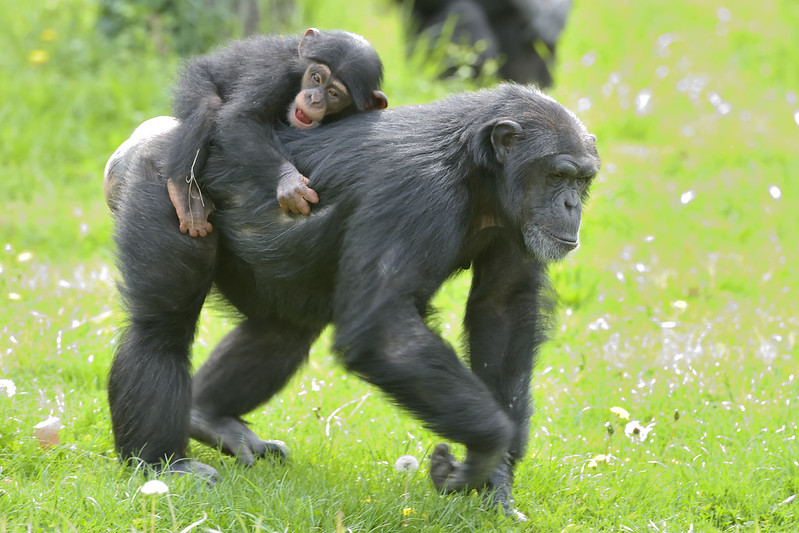
Chimpanzees are active and intelligent primates with unique movement patterns that differ from humans. When travelers visit forests in Uganda, they often ask how long it takes for a chimpanzee to walk. The answer depends on several factors, including terrain, behavior, and purpose. This blog explores chimpanzee walking speed and what influences it, while also helping you understand what to expect during a wildlife experience with Zamunda Travels.
Understanding Chimpanzee Movement in Natural Habitats
Chimpanzees move using a method called knuckle walking, where they balance on their forelimbs and hind legs. On average, a chimpanzee walks at a speed of about 3 to 5 kilometers per hour. This means it can cover one kilometer in roughly 12 to 20 minutes under normal conditions. However, chimpanzees rarely move at a constant pace.
In dense forests such as Kibale National Park, chimpanzees slow down due to thick vegetation. They stop often to feed on fruits, leaves, and insects. As a result, their actual travel time over a distance may increase significantly.
Factors That Influence Walking Time in Chimpanzees
Several factors affect how quickly chimpanzees move. First, terrain plays a major role. Flat ground allows faster movement, while steep or forested areas slow them down. In places like Budongo Forest, uneven ground and dense canopy make movement slower and more cautious.
Second, chimpanzee behavior affects speed. When searching for food, they move steadily but pause frequently. When threatened, they can move quickly or climb trees. Social dynamics also matter. Groups tend to move slower because they stay together, while individuals may travel faster.
Weather conditions further influence movement. Rain often reduces activity, while dry conditions encourage longer travel distances.
What Travelers Should Expect During Chimpanzee Trekking
Chimpanzee trekking offers a real life perspective on how these primates move. In areas like Kyambura Gorge, trekkers may spend between one and four hours locating a chimpanzee group. This duration reflects tracking effort rather than continuous chimpanzee movement.
Zamunda Travels provides expert guides who understand chimpanzee behavior. They track vocal calls, feeding signs, and nesting areas to locate groups efficiently. This knowledge enhances the trekking experience and reduces uncertainty.
Comparing Chimpanzee and Human Walking Patterns
Chimpanzees and humans differ greatly in how they walk. Humans maintain a steady pace over long distances. In contrast, chimpanzees move in short bursts followed by rest. Although chimpanzees can move quickly over short distances, they do not sustain that speed for long periods.
This difference explains why tracking chimpanzees can take time. Their unpredictable movement and frequent stops make them harder to follow, especially in dense forests.
Daily Movement Patterns in Conservation Areas
In protected areas like Kalinzu Forest Reserve, chimpanzees follow daily routines. They leave their nests in the morning and begin searching for food. During this time, they may travel several kilometers, but they do not walk continuously.
Research shows that chimpanzees spend a large part of their day feeding and resting. Walking forms only a portion of their daily activity. This pattern means that total walking time varies from day to day.
Conclusion
Chimpanzees can walk one kilometer in about 12 to 20 minutes under normal conditions. However, their actual movement depends on environment, behavior, and social interaction. For travelers, this unpredictability makes chimpanzee trekking both exciting and rewarding.
With Zamunda Travels, you gain expert guidance that helps you understand and appreciate chimpanzee behavior in the wild. This deeper insight transforms a simple trek into a meaningful wildlife experience.