How Many Days Are Enough for a Uganda Safari?
May 20, 2026
Is Uganda good for family safaris?
May 20, 2026
Gorilla trekking is one of those experiences that sounds simple when you first hear about it, but only becomes real when you are actually standing at the edge of the forest ready to start the hike. Many travelers arrive in Uganda or Rwanda unsure of what to expect. Some imagine a short walk, while others fear it might be too extreme. The truth sits somewhere in between. At Zamunda Travels, we have guided all kinds of travelers young, older, fit, and not so fit and the experience always feels personal. For some, it is tough and sweaty. For others, it is slow but manageable. But for almost everyone, it is unforgettable.
What the trek actually feels like on the ground
The moment you step into the forest, everything changes. In places like Bwindi Impenetrable Forest, the air feels thicker, the sounds quieter, and the trail immediately reminds you that you are not on a normal hike. The ground is uneven, sometimes muddy, and full of roots that force you to watch every step. Rangers move ahead slowly, cutting through vegetation when needed, while you follow in a small group.
There is no fixed “easy” or “hard” route. Some days you walk for an hour, other days it takes much longer. The gorillas decide where you go, not the other way around. That uncertainty is part of the experience, and Zamunda Travels always prepares travelers for that reality so there are no surprises once the trek begins.
How fit do you really need to be?
This is one of the most common questions people ask us. The honest answer is: you don’t need to be an athlete, but you also shouldn’t expect a casual walk in a park.
You will be climbing hills, stepping over fallen branches, and sometimes pushing through thick vegetation. The pace is not rushed, though. Rangers understand the group’s ability and adjust accordingly. If someone needs a break, everyone stops. That is just how it works in the forest.
We always tell travelers to do a bit of walking or light hiking before the trip. Nothing intense. Even simple stair climbing helps. And if you are worried about your backpack, porters are available at the park. They make a huge difference, especially when the trail gets steeper.
Bwindi Forest and why it feels tougher
Bwindi has a reputation, and it is well earned. It is dense, ancient, and full of steep slopes that don’t always give you a straight path. Sometimes you climb down just to climb back up again. The vegetation is thick enough that you can’t see far ahead, which makes the journey feel longer than it actually is.
When it rains which it often does the soil turns slippery. That is when trekking becomes more demanding. You find yourself focusing more on balance than speed. But even in those moments, there is something special about the forest. It feels alive in a way that is hard to describe until you are there.
Zamunda Travels guides always remind guests that Bwindi is not about speed. It is about patience. The forest rewards those who take their time.
Weather, terrain, and the unexpected parts
One thing you quickly learn is that nothing about gorilla trekking is fully predictable. The weather can change in minutes. A dry trail in the morning can turn muddy by midday. The terrain shifts constantly from soft ground to rocky slopes.
Altitude also plays a role. Some people feel slightly out of breath, especially on steeper sections. But the guides know when to slow down, and nobody is ever rushed.
We always advise carrying a light rain jacket, good hiking boots, and gloves. These small things make a big difference once you are inside the forest. Zamunda Travels usually helps travelers prepare this checklist before the trek so nothing is forgotten.
What makes it harder and what makes it easier
The difficulty of gorilla trekking is not just about fitness. It is a mix of several things happening at once: the weather, the location of the gorilla family, and how your body reacts to walking in the forest.
What makes it harder is when the gorillas move deeper into the jungle. That can extend the hike. Wet conditions also slow things down. On the other hand, what makes it easier is teamwork. Everyone in the group supports each other without even thinking about it. The guides also play a huge role they know the terrain so well that they make even difficult sections feel manageable.
At Zamunda Travels, we’ve seen travelers arrive nervous and leave smiling, not because it was easy, but because it was achievable.
Final thoughts
Gorilla trekking is not something you “tick off” like a normal tour activity. It is a physical experience, yes, but also a mental one. It tests your patience more than your strength. Some parts feel tiring, but none of it feels impossible.
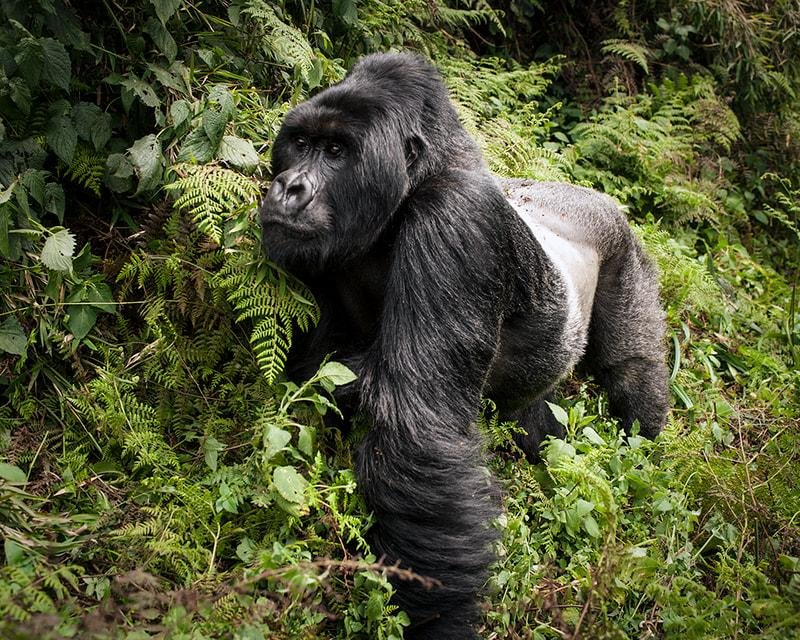
What stays with most travelers is not the difficulty it is the moment you finally see the gorillas. Everything else fades away quickly. The climb, the mud, the sweat… it all becomes part of a story you end up telling for years.
And that is exactly why Zamunda Travels keeps bringing people into these forests. Because the effort is real, but so is the reward.