What Is the Best Time to Visit Rwanda?
May 21, 2026
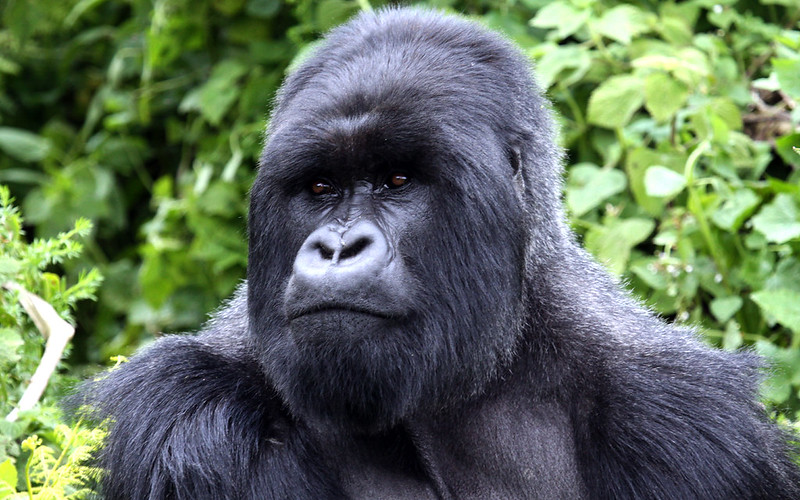
Gorilla trekking in Rwanda is one of the most unforgettable wildlife experiences in Africa. It brings you face to face with endangered mountain gorillas in a misty, untouched forest setting. Many travelers organize this journey through Zamunda Travels, especially because Rwanda has built a strong reputation for safety, conservation, and well managed tourism.
If you are planning this adventure, the most important thing to understand is that it happens in one specific place and that location shapes the entire experience.
Volcanoes National Park as the only destination
In Rwanda, gorilla trekking takes place exclusively in Volcanoes National Park, located in the northwestern part of the country near the borders with Uganda and the Democratic Republic of Congo. This park forms part of the larger Virunga mountain range and is the only home to mountain gorillas in Rwanda.
The landscape here is dramatic and beautiful. Thick rainforest, bamboo zones, and volcanic slopes create a natural habitat where gorillas thrive. Morning mist often covers the mountains, giving the whole area a calm and almost mysterious feel.
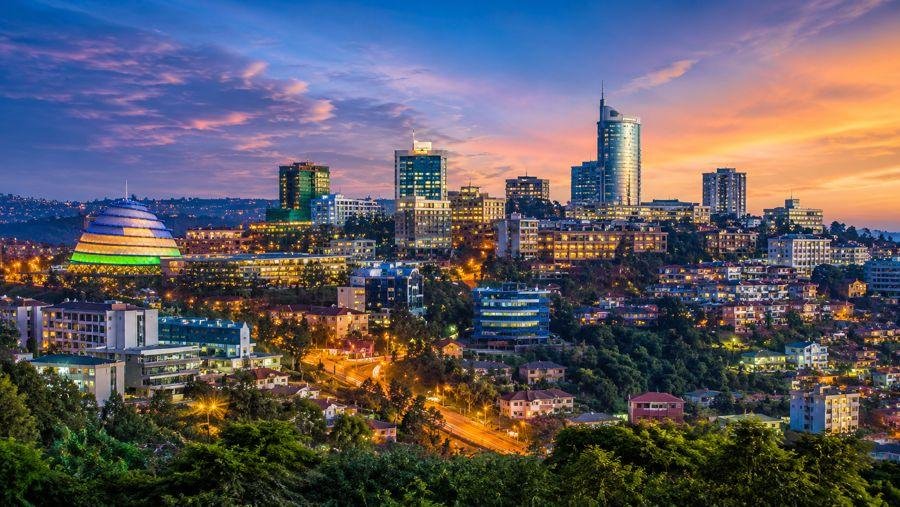
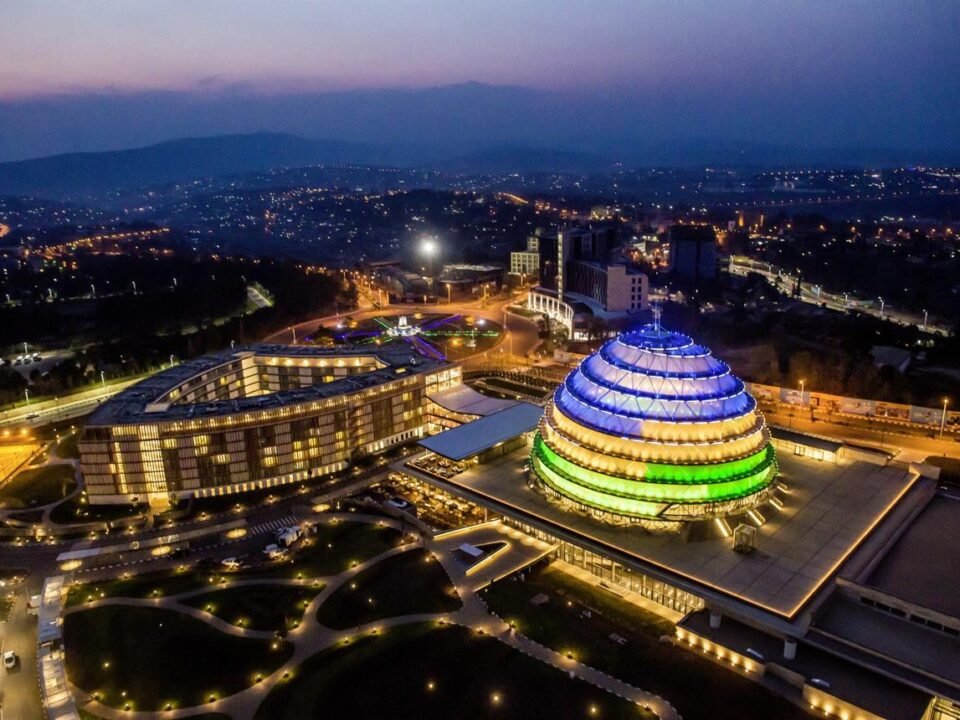
When you travel with Zamunda Travels, the journey usually starts in Kigali early in the morning. The drive to the park takes around 2 to 3 hours, passing through Rwanda’s well known rolling hills, farmland, and small rural communities. This road trip alone already gives visitors a glimpse of the country’s beauty beyond wildlife.
Permit process and trekking experience
To join the trek, visitors must purchase a permit issued by the Rwanda Development Board. These permits are limited each day to protect the gorillas and ensure a low-impact tourism experience.
At the park headquarters in Kinigi, visitors attend a morning briefing. Rangers explain safety rules, assign groups, and prepare everyone for the hike ahead. Each group is then allocated to a specific gorilla family based on location and trekking ability.
The trek itself varies. Some groups walk for a short time, while others hike for several hours through steep and sometimes muddy terrain. The experience is unpredictable, which makes it even more exciting.
Once the gorillas are found, visitors are allowed to spend one hour observing them. During this time, you can watch them feed, interact, and care for their young in complete natural behavior. Booking through Zamunda Travels helps simplify the entire process, from permits to transport and guiding.
Best seasons for visiting the gorillas
Gorilla trekking in Rwanda is possible all year, but weather conditions can influence your comfort. The dry seasons, from June to September and December to February, are the most popular because the trails are easier to walk and less slippery.
The wet seasons also offer a different kind of beauty. The forest becomes greener, the air feels fresher, and the scenery is more dramatic. Fewer tourists also mean a quieter experience in the park.
With guidance from Zamunda Travels, travelers receive advice on what to pack depending on the season. Good hiking boots, long trousers, gloves, and waterproof jackets are essential because forest weather can change quickly.
What the trek feels like on the ground
The experience begins early in the morning with a briefing at Kinigi. After that, you enter the forest with experienced rangers who track gorilla families daily.
The hike can be physically demanding. The terrain is uneven, and the altitude can make walking challenging. However, the anticipation builds with every step deeper into the forest.
Then comes the moment you meet the gorillas.
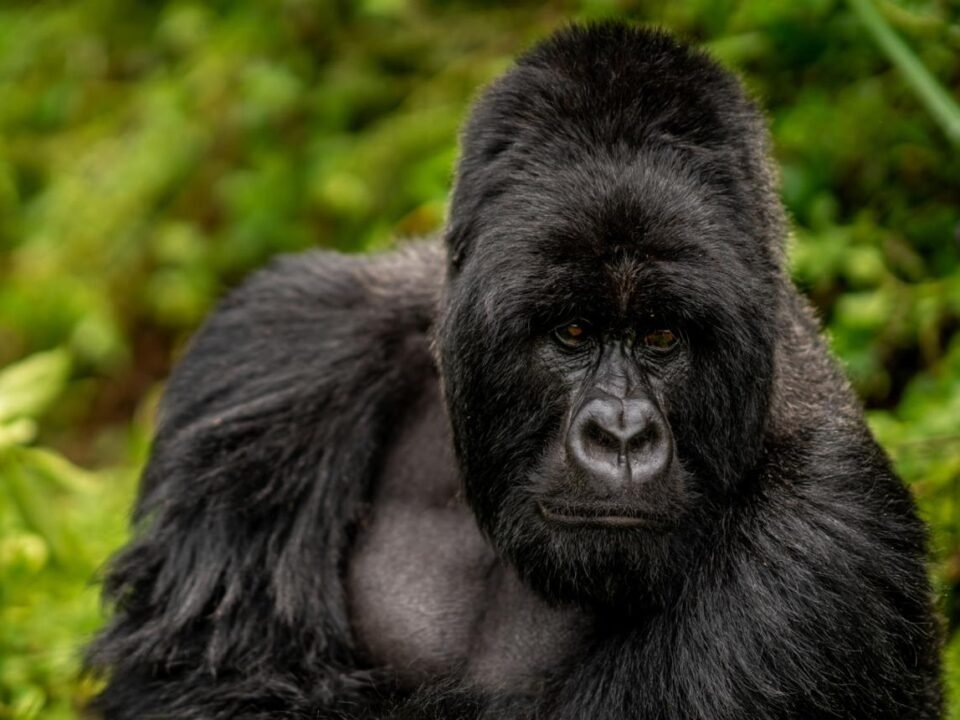
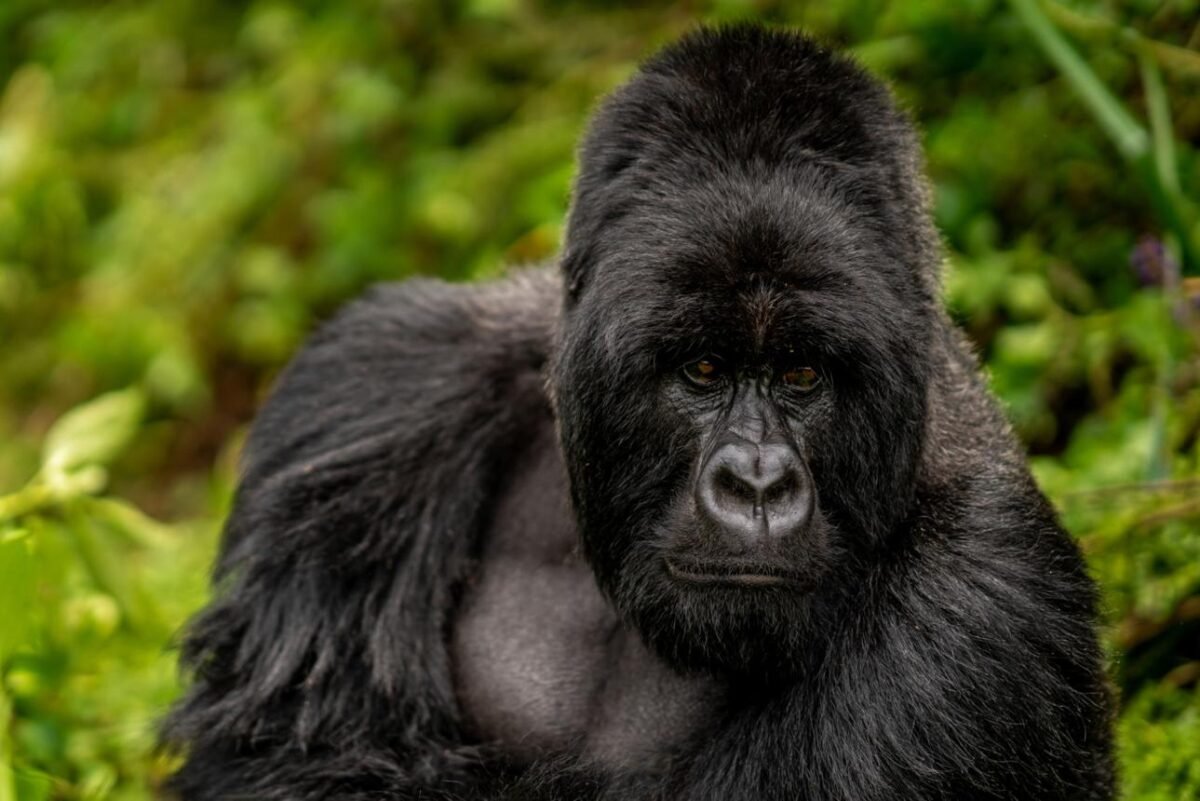
You might find a silverback resting quietly, mothers grooming their young, or playful juveniles swinging through the vegetation. The experience feels calm, natural, and deeply moving. Visitors are expected to keep a safe distance and remain quiet while observing.
With Zamunda Travels, guides ensure every visitor follows conservation rules while still enjoying a meaningful and respectful encounter.
Conservation importance of the park
Volcanoes National Park is more than a tourism site. It is a key conservation area protecting a large portion of the world’s remaining mountain gorillas. Rwanda has invested heavily in protecting this ecosystem and supporting surrounding communities.
The park is also historically significant because it was the research base of Dian Fossey, whose work helped bring global attention to gorilla conservation. Her legacy still plays a major role in how the park is managed today.
Tourism revenue from gorilla trekking supports both conservation efforts and local communities. This ensures that protecting gorillas also benefits the people living near the park.
Through Zamunda Travels, visitors contribute directly to this conservation model, making the experience both ethical and impactful.