Facts About Akagera National Park
August 8, 2026
Mistakes to Avoid When Planning a Gorilla Trekking Safari
August 9, 2026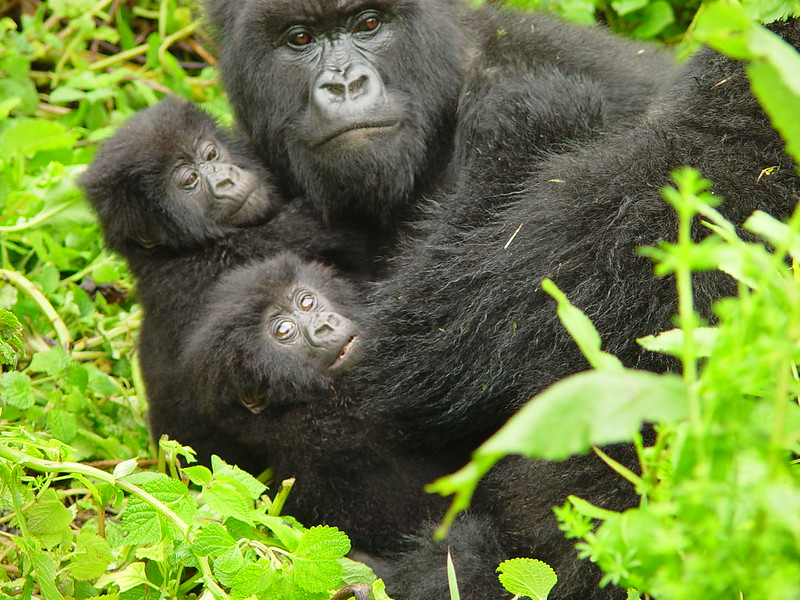
Mountain gorillas rank among the rarest great apes on the planet, and travelers often ask a simple question before they book a safari: which countries actually have mountain gorillas in East Africa? The honest answer is three: Uganda, Rwanda, and the Democratic Republic of Congo. These nations share a narrow strip of volcanic highlands and ancient rainforest where the last wild mountain gorillas survive today. Nowhere else on earth do these gentle giants roam freely. At Zamunda Travels, we build every gorilla itinerary around this simple geographic fact, because understanding where the gorillas live shapes how you plan your trip, your budget, and your travel dates.
The global population of mountain gorillas now stands at roughly 1,063 individuals, according to the most recent transboundary census. That number represents one of conservation’s few genuine comeback stories. Just decades ago, poaching and habitat loss pushed the species toward extinction, with counts dropping below 300 animals. Sustained protection, community partnerships, and responsible tourism reversed that decline. Every trekking permit sold today feeds directly into ranger salaries, anti-poaching patrols, and local development projects. This article breaks down exactly where mountain gorillas live, how each country’s parks differ, and how Zamunda Travels can help you plan a trek that supports their survival.
The Three Countries with Mountain Gorillas in East Africa
Mountain gorillas in East Africa occupy only two connected ecosystems, yet those ecosystems straddle three national borders. The first is the Virunga Massif, a chain of eight forested volcanoes shared by Uganda, Rwanda, and Congo. The second is Bwindi Impenetrable Forest, a single dense rainforest that sits entirely within southwestern Uganda, with a small extension called the Sarambwe Reserve reaching into Congo. Together, these habitats hold every mountain gorilla left on the planet. No zoo, no sanctuary, and no other country can offer a sighting of a truly wild mountain gorilla family. Zamunda Travels routes every client toward one or more of these three countries, since the gorillas simply do not exist anywhere else.
Each country protects its share of the population through a dedicated national park, and each park delivers a noticeably different trekking experience. Uganda holds close to half of the world’s mountain gorillas, split between two separate parks. Rwanda offers the shortest average trek and the most polished tourism infrastructure. Congo provides the wildest, least crowded encounters, though current travel advisories mean Zamunda Travels currently books most Congoside treks with heightened caution and flexible rebooking terms. The sections below walk through each country in turn.
Uganda: Bwindi Impenetrable and Mgahinga Gorilla National Parks
Uganda hosts the single largest gorilla population anywhere, concentrated mainly in Bwindi Impenetrable National Park in the country’s southwest. Recent surveys count roughly 459 individuals inside Bwindi’s tangled, moss draped forest, making it the world’s premier gorilla trekking destination. The terrain here earns its name honestly; trails climb steep, humid slopes through thick undergrowth, and treks can run anywhere from two to seven hours depending on where a gorilla family has settled that morning. A smaller population also lives in Mgahinga Gorilla National Park, a compact reserve that forms Uganda’s slice of the Virunga Massif. Mgahinga usually hosts a single habituated family, the Nyakagezi group, though gorillas here roam freely across the Rwandan and Congolese borders as the mood strikes them.
Uganda also keeps trekking costs lower than its neighbors, which matters for travelers comparing options. A gorilla permit in Uganda currently costs around $800 for foreign non-residents, and Zamunda Travels frequently pairs a Bwindi trek with a stop at Queen Elizabeth National Park or Lake Bunyonyi to round out the itinerary. Because Uganda combines affordability with the world’s largest gorilla population, it remains the top pick among first time trekkers who book through Zamunda Travels.
Rwanda: Volcanoes National Park in the Virunga Range
Rwanda protects its portion of the Virunga Massif inside Volcanoes National Park, a striking landscape of bamboo forest and mist covered peaks made famous by primatologist Dian Fossey. Around 260 or more gorillas live within Rwanda’s borders today, spread across several habituated families that trekkers can visit year round. Rwanda’s permits cost considerably more than Uganda’s, priced at roughly $1,500 per person, yet many travelers still choose Rwanda for its shorter hikes, well-maintained trails, and proximity to Kigali’s international airport. A visitor can land in the morning and stand near a gorilla family within twenty-four hours, a convenience few other wildlife experiences can match.
Rwanda also pairs its gorilla parks with luxury lodges that rank among the finest on the continent. Zamunda Travels regularly designs Rwanda based trips that combine a Volcanoes National Park trek with golden monkey tracking or a cultural visit to a nearby Iby’Iwacu village, giving clients a fuller picture of the region beyond the forest itself. For travelers with limited vacation days and a flexible budget, Rwanda offers the most efficient route to a gorilla encounter.
Democratic Republic of Congo: Virunga National Park
The Democratic Republic of Congo holds the remaining share of the Virunga Massif inside Virunga National Park, Africa’s oldest protected area and home to roughly 350 or more mountain gorillas. Congo’s permits are typically the cheapest of the three countries, often priced near $400 to $800 depending on the season, and the park delivers a genuinely wild, less visited atmosphere compared with its neighbors. Rangers here have shown extraordinary dedication, often working under difficult and dangerous conditions to protect both the gorillas and the surrounding forest.
Political instability in eastern Congo has, at times, disrupted access to Virunga National Park, and travel advisories shift frequently. Zamunda Travels monitors regional conditions closely and only books Congo-side treks when security assessments support safe travel, offering Uganda or Rwanda as reliable alternatives whenever conditions in Congo remain uncertain. Travelers drawn to Congo’s lower prices and quieter trails should always confirm current advisories before committing to dates.
Mountain Gorilla Population Numbers Across East Africa
Understanding the population split helps explain why trekking experiences differ so much between countries. Roughly 604 gorillas live across the shared Virunga Massif, split unevenly among Uganda’s Mgahinga sector, Rwanda’s Volcanoes National Park, and Congo’s Virunga National Park. The remaining population, close to 459 individuals, lives entirely within Uganda’s Bwindi Impenetrable Forest and its small Sarambwe extension in Congo. This distribution explains why Uganda alone claims roughly half the world’s mountain gorillas, while Rwanda and Congo each hold a meaningful but smaller portion of the Virunga group.
These figures keep climbing thanks to three decades of coordinated conservation work across all three governments. Anti-poaching patrols, veterinary intervention programs, and community revenue sharing schemes all played a role in the recovery. Every trekking permit purchased through operators like Zamunda Travels directly funds this ongoing protection effort, since park authorities in Uganda, Rwanda, and Congo reinvest permit revenue into ranger operations and nearby communities. Tourism dollars, in a very real sense, keep the species alive.
Planning a Mountain Gorilla Trek in East Africa with Zamunda Travels
Booking a trek involves more than picking a country; timing, fitness, and preparation all shape the experience. Zamunda Travels handles every logistical detail, from permit reservations to lodge bookings, so clients can focus on the encounter itself rather than the paperwork behind it.
Best Time to Visit
The driest months generally offer the easiest trekking conditions across all three countries. December through February and June through August see the least rainfall, which makes forest trails less slippery and treks somewhat shorter. Gorillas remain visible year round regardless of season, since permits are limited daily and guaranteed once booked. Zamunda Travels recommends booking permits at least three to six months ahead of a preferred travel date, particularly for Rwanda, where demand regularly outpaces the limited daily permit allocation.
What a Trek Actually Involves
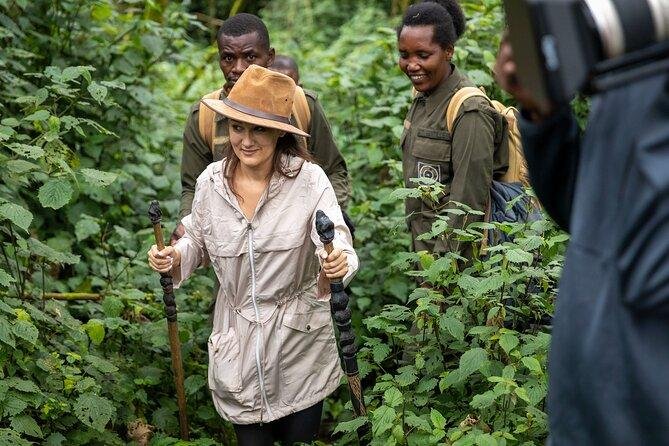
Trekkers gather each morning at a park headquarters for a briefing before rangers assign small groups to specific gorilla families. Hikes vary enormously in length; some visitors reach their assigned family within an hour, while others climb for several hours through dense, muddy terrain. Once trackers locate a family, visitors receive exactly sixty minutes in the gorillas’ presence, a rule enforced strictly across all three countries to limit stress on the animals. Zamunda Travels arranges porters, walking sticks, and experienced guides for every trek, since the physical demands can surprise travelers who underestimate the terrain.
Packing and Fitness Tips
Sturdy waterproof boots make the single biggest difference in comfort during a trek. Long trousers, a rain jacket, and gardening gloves protect against nettles and thorny undergrowth along the trail. A reasonable baseline fitness level helps considerably, though guides pace each hike around the slowest member of the group, and porters remain available for travelers who need extra support. Zamunda Travels provides a full packing checklist to every client well before departure, tailored to the specific park and season.
Why Mountain Gorilla Conservation Across East Africa Matters
Mountain gorillas share close to ninety eight percent of their DNA with humans, and their recovery stands as one of the most encouraging trends in modern wildlife conservation. Unlike most large mammal populations, which continue shrinking worldwide, mountain gorilla numbers have climbed steadily for over three decades. That growth did not happen by accident; it resulted from cross-border cooperation between Uganda, Rwanda, and Congo, sustained funding from trekking permits, and constant vigilance from park rangers who patrol some of the most difficult terrain in Africa.
Responsible tourism sits at the center of that success story. Every traveler who books a permit contributes directly to habitat protection, veterinary care for injured or sick gorillas, and economic opportunity for communities living near park boundaries. Zamunda Travels partners exclusively with licensed operators and certified guides in all three countries, ensuring that client spending flows back into conservation rather than disappearing into unregulated tourism channels. Choosing a responsible operator, in other words, becomes part of the conservation effort itself.
Final Thoughts
Uganda, Rwanda, and the Democratic Republic of Congo remain the only three countries where mountain gorillas survive in the wild, and each offers a distinct path to the same unforgettable encounter. Uganda delivers the largest population and the most budget friendly permits. Rwanda offers convenience, luxury, and shorter hikes. Congo provides raw wilderness at a lower price point, security conditions permitting. Whichever country fits your budget and travel style, Zamunda Travels can build an itinerary around it, handling permits, transport, and accommodation so your only job is to show up and look a silverback in the eye.