
Can I Upgrade to a Habituation Experience?
August 10, 2026
The Policies and Culture Behind the Clean Environment of Kigali
August 11, 2026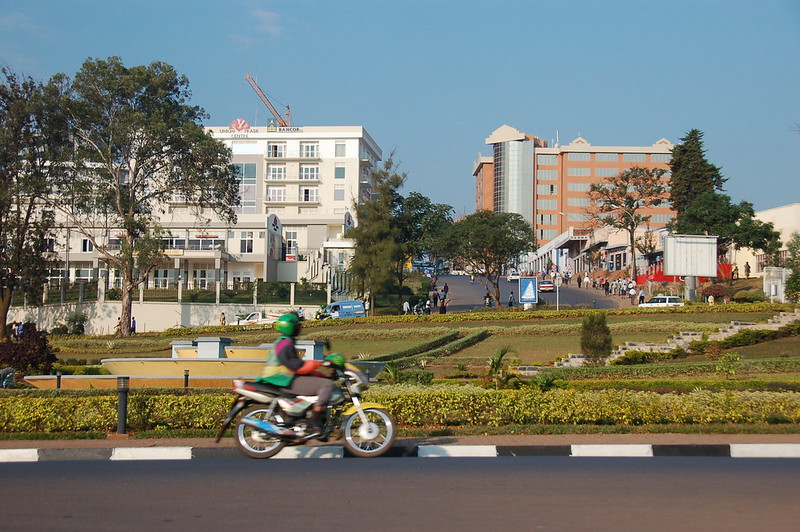
Kigali welcomes visitors with something most capital cities cannot promise: spotless streets. Travelers step off the plane and notice it right away. There is no litter blowing across the roads. There are no overflowing bins on the corners. The air feels lighter, and the city feels calm. At Zamunda Travels, our guests ask the same question almost every time they land in Rwanda: is Kigali really Africa’s cleanest city? The short answer is yes, and the long answer tells an even better story. This blog unpacks the policies, the culture, and the daily habits that built this reputation, and it shows you how Zamunda Travels turns that reputation into an unforgettable trip.
What Makes Kigali Africa’s Cleanest City?
Kigali earns its title through consistent effort, not luck. The Africa Report’s 2025 Clean Cities survey scored Kigali 9.4 out of 10, placing it firmly ahead of every other capital on the continent. Researchers gathered feedback from thousands of residents across dozens of cities, and Kigali topped the list for the second year running. Central areas of the city report a waste collection rate close to 100%, a number few African cities can match. That score does not happen by accident. It reflects strict laws, organized waste companies, and a culture that treats a clean environment as a shared duty rather than a government chore. Zamunda Travels sees this discipline firsthand on every tour, from the airport road all the way into the city center.
Umuganda: The Community Ritual Behind Kigali’s Clean Streets
Rwanda holds a mandatory community workday called Umuganda on the last Saturday of every month. Shops close their doors. Cars stay off the road. Neighbors gather with brooms, shovels, and wheelbarrows to sweep streets, clear drains, and plant trees. The word Umuganda means “coming together for a common purpose,” and that spirit runs through the entire practice. Families who once lived in poorly planned settlements often help build new housing during these sessions. Local officials treat participation seriously, and residents who skip Umuganda without a valid reason can face a fine. This shared commitment builds more than clean pavement; it builds trust between neighbors and pride in public spaces.
Why Umuganda Cements Kigali’s Status as Africa’s Cleanest City
No other African capital enforces a nationwide clean up on this scale. Umuganda turns cleanliness into a monthly habit rather than an occasional campaign, and that consistency separates Kigali from cities that clean up once for a big event and then slide back into old patterns. Zamunda Travels now arranges guided Umuganda experiences for curious travelers who want to sweep alongside locals, plant a tree, and leave the city a little better than they found it. Guests often say this single morning teaches them more about Rwandan values than a week of sightseeing could.
Rwanda’s Plastic Bag Ban and Kigali’s War on Waste
Rwanda banned non-biodegradable plastic bags back in 2008, long before most nations even discussed the idea. Airport officers still check luggage for plastic bags today, and offenders face real fines or, in serious cases, jail time. That single policy removed a massive source of street litter and drainage blockage almost overnight. Licensed waste companies now collect household and business garbage on a fixed schedule, and the city has placed public bins across markets, parks, and bus stops to make responsible disposal easy for residents and tourists alike. The Rwanda National Police also enforces littering fines that range from a modest amount to a steep penalty, depending on the offense. Together, these rules turned a national vision into daily reality.

Smart Urban Planning Behind Africa’s Cleanest City
City planners divided Kigali into clear residential, commercial, and industrial zones, and that structure keeps factories and heavy traffic away from neighborhoods and green spaces. Officials relocated polluting factories out of wetlands and river valleys, then restored those areas into public parks. Nyandungu Eco Park stands as one proud example; it transformed a neglected marshland into a lush urban wetland with walking trails, ponds, and bird life. The city also added flower-lined medians, new gardens, and rows of trees along major roads, and teams of sweepers work in shifts to keep footpaths tidy every single day. Kigali even introduced electric moto taxis to cut down on fumes, giving the whole city cleaner air alongside cleaner streets. This kind of forward planning is exactly why Zamunda Travels recommends Kigali to clients who want a green, walkable African capital.
How the Rankings Prove Kigali Is Africa’s Cleanest City
Independent surveys back up what visitors see with their own eyes. The Africa Report’s 2025 ranking placed Kigali first, ahead of Rabat in second place and Cotonou climbing into third. Morocco placed four cities in the overall top ten, yet none of them matched Kigali’s score. UN-Habitat data from 2025 also credits Kigali, alongside Cape Town and Windhoek, with formalized waste collection rates above 85%. These figures matter because they come from resident surveys and municipal data rather than marketing claims. When multiple independent sources agree year after year, the title stops feeling like an opinion and starts looking like a fact.
Touring Africa’s Cleanest City With Zamunda Travels
Zamunda Travels builds Kigali itineraries around this reputation because clean streets change the entire travel experience. Guests wander through open air markets without dodging litter. They dine at outdoor cafés along tidy boulevards. They walk from the Kigali Genocide Memorial to the vibrant Kimironko Market and feel comfortable the entire way. Our local guides add stops at Nyandungu Eco Park for a peaceful nature walk, then wrap up the day with a visit to a rooftop bar overlooking the city’s green hills. Travelers who book a Zamunda Travels package during the last Saturday of the month can even join an Umuganda session, an experience that consistently ranks as a trip highlight. Every itinerary reflects the same idea: cleanliness is not a footnote in Kigali, it is the backdrop for everything else you will do there.
Is Kigali Really Africa’s Cleanest City? The Verdict
The evidence points in one clear direction. Independent rankings score Kigali above every other African capital. National laws remove plastic waste before it reaches the streets. Monthly community labor keeps the city looking fresh instead of letting it slide backward. Smart zoning and restored wetlands give residents green space instead of pollution. Put all of these pieces together, and the answer becomes obvious: Kigali is, by every measurable standard, Africa’s cleanest city. For travelers deciding where to spend their next African adventure, that title alone makes Kigali worth the trip, and Zamunda Travels is ready to plan every detail of it.
Frequently Asked Questions About Kigali, Africa’s Cleanest City
Why is Kigali considered the cleanest city in Africa?
Kigali combines strict anti-litter laws, a nationwide plastic bag ban, organized waste collection, and the monthly Umuganda clean up to maintain consistently high cleanliness scores in independent surveys.
When did Rwanda ban plastic bags?
Rwanda introduced its plastic bag ban in 2008, making it one of the earliest countries in the world to take that step.
What is Umuganda, and can tourists join it?
Umuganda is Rwanda’s mandatory monthly community workday, held on the last Saturday of every month. Zamunda Travels arranges guided Umuganda experiences for travelers who want to take part.
Is Kigali safe and pleasant for walking tours?
Yes. Clean streets, organized zoning, and low crime rates make Kigali one of the most walkable capitals in Africa, and Zamunda Travels builds several walking routes into its city itineraries.
Ready to see Africa’s cleanest city for yourself? Reach out to Zamunda Travels and let our team build a Kigali itinerary around the streets, parks, and community traditions that earned this city its title.