Rwanda Travel Guide
August 12, 2026
Rwanda Safari Holiday
August 12, 2026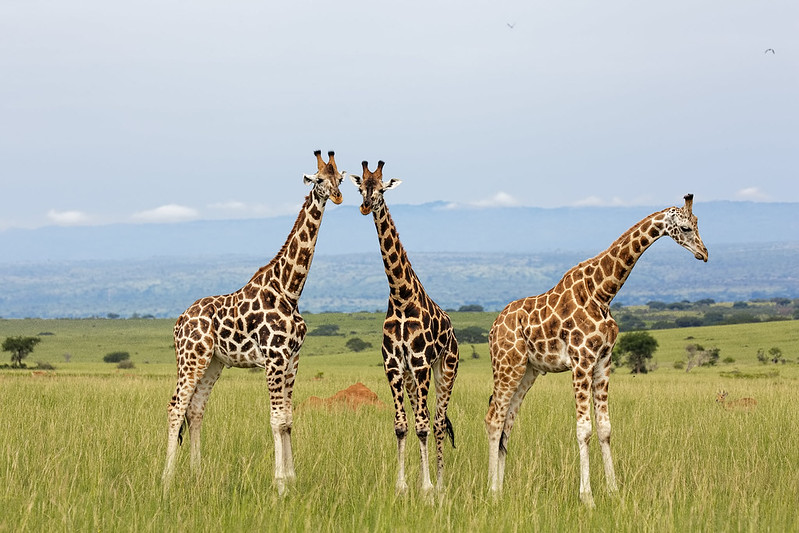
Uganda is one of Africa’s most rewarding destinations for travelers who want to combine wildlife, primates, mountains, culture, lakes, rivers, and genuine local experiences in one journey. Known as the Pearl of Africa, the country offers remarkable variety within a relatively compact destination. You can track mountain gorillas in the misty forests of southwestern Uganda, search for chimpanzees in Kibale National Park, watch elephants and lions on safari, explore the source region of the Nile, or hike through the Rwenzori Mountains. Uganda also offers a rich cultural experience shaped by more than 50 ethnic groups, diverse languages, traditional food, music, dance, and welcoming communities. The Uganda Tourism Board officially promotes the country as a destination for wildlife, landscapes, adventure, and cultural tourism.
For travelers planning their first visit, however, Uganda can feel like a destination that requires careful preparation. Distances between attractions can be significant, some national parks require several hours of driving, and activities such as gorilla trekking require advance planning. This Uganda Travel Guide explains the essential information you need before your trip, including when to visit, where to go, how to get around, visa requirements, wildlife experiences, accommodation, costs, safety, packing, and practical travel advice. With the support of an experienced operator such as Zamunda Travels, travelers can also combine several destinations into a well-organized Uganda safari.
Why Visit Uganda?
Uganda stands out because it combines several types of African travel experiences in one country. Many visitors come for wildlife, but the country’s appeal goes far beyond traditional game drives. Uganda is home to ten national parks managed by the Uganda Wildlife Authority, including Bwindi Impenetrable, Mgahinga Gorilla, Kibale, Queen Elizabeth, Murchison Falls, Kidepo Valley, Lake Mburo, Mount Elgon, Rwenzori Mountains, and Semuliki national parks. These protected areas support different ecosystems and wildlife experiences, which makes it possible to create very different itineraries depending on your interests.
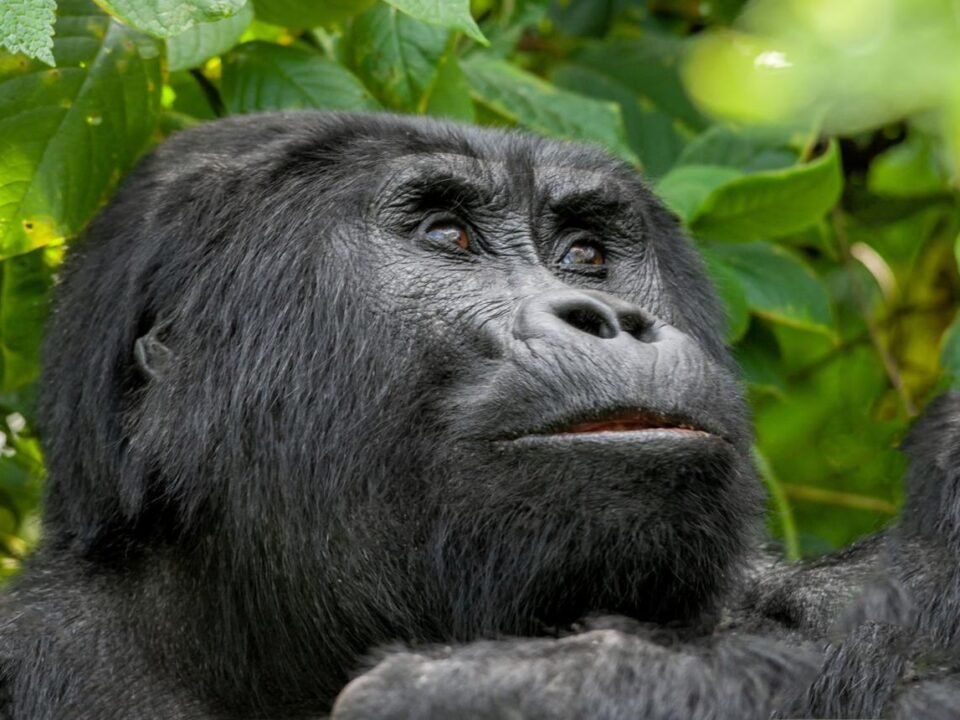
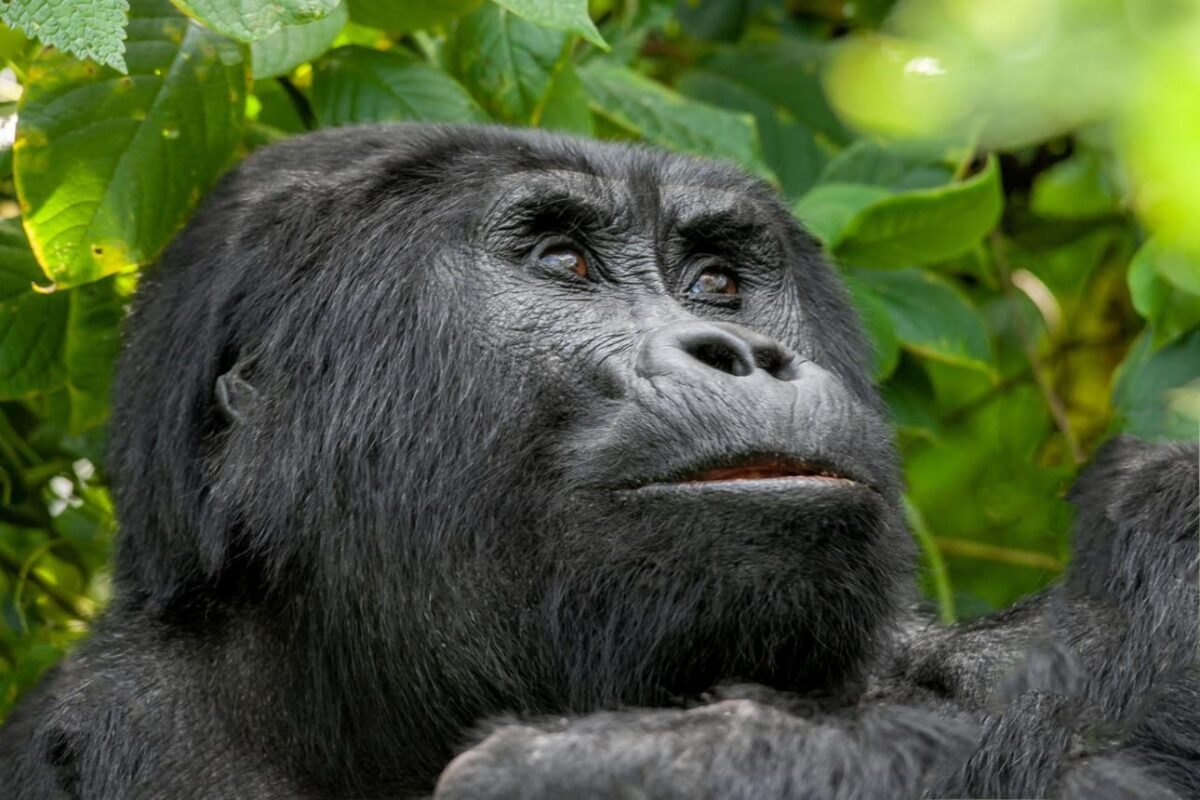
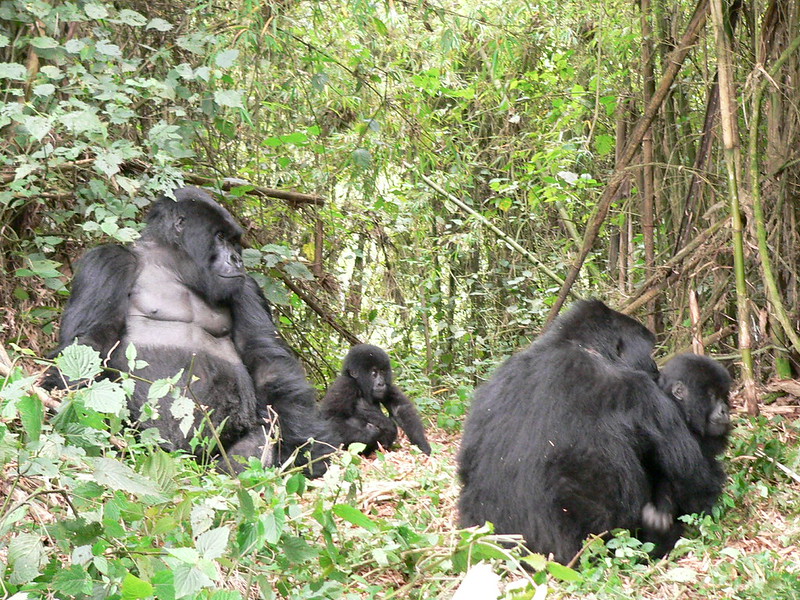
Uganda is particularly attractive to travelers who enjoy primate experiences. The country protects mountain gorillas in Bwindi Impenetrable National Park and Mgahinga Gorilla National Park. It also offers chimpanzee tracking in destinations such as Kibale National Park and other forest areas. According to Uganda Wildlife Authority information, Uganda is home to more than half of the world’s mountain gorilla population, making gorilla trekking one of the country’s most important tourism experiences.
The country also provides excellent opportunities for classic wildlife viewing. Murchison Falls National Park is famous for the powerful Nile River passing through a narrow gorge before continuing through the park. Queen Elizabeth National Park offers savannah landscapes, crater lakes, Kazinga Channel boat cruises, and diverse wildlife. Kidepo Valley National Park provides a more remote safari experience in northeastern Uganda, while Lake Mburo National Park is a convenient addition to itineraries between Kampala and southwestern Uganda. A well-designed trip with Zamunda Travels can combine these experiences without trying to cover too much ground in a short period.
Best Places to Visit in Uganda
Choosing where to go depends on the type of experience you want. Uganda rewards travelers who allow enough time to explore different regions instead of rushing between attractions. For a first safari, popular combinations include Murchison Falls with Kibale, Queen Elizabeth with Bwindi, or Kibale with Queen Elizabeth and Bwindi. Travelers with more time can extend their journeys to Kidepo Valley or the Rwenzori Mountains.
Bwindi Impenetrable National Park
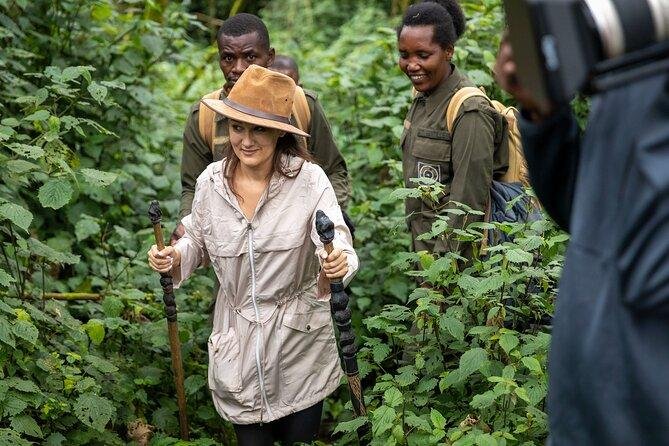
Bwindi is one of the most important destinations in any Uganda Travel Guide because it provides access to mountain gorilla trekking. The UNESCO listed forest is located in southwestern Uganda and is divided into four major trekking sectors: Buhoma, Ruhija, Rushaga, and Nkuringo. Gorilla treks can take several hours because the gorillas move through challenging forest terrain. Uganda Wildlife Authority states that trekking can last between two and seven hours, followed by up to one hour of observation with a habituated gorilla family.
Gorilla trekking requires physical preparation because the forest terrain can be steep, muddy, and uneven. Travelers should also follow the instructions of their guides and maintain the required distance from the gorillas. These rules protect both visitors and wildlife. If gorilla trekking is the main purpose of your journey, Zamunda Travels can help organize permits, accommodation, transportation, and the most suitable trekking sector according to your itinerary.
Mgahinga Gorilla National Park
Mgahinga Gorilla National Park is another important destination for mountain gorilla trekking. It lies within the Virunga Mountains and offers dramatic volcanic scenery. The park provides an alternative to Bwindi for travelers who want a gorilla experience in a smaller protected area. Uganda Wildlife Authority identifies Mgahinga as one of the two Ugandan destinations where visitors can trek mountain gorillas.
The park also offers golden monkey experiences and mountain hiking opportunities. Its volcanic landscape makes it particularly attractive to travelers who want to combine primate encounters with hiking. Because the park sits close to the borders with Rwanda and the Democratic Republic of Congo, it can also fit naturally into some cross-border East African itineraries.
Kibale National Park
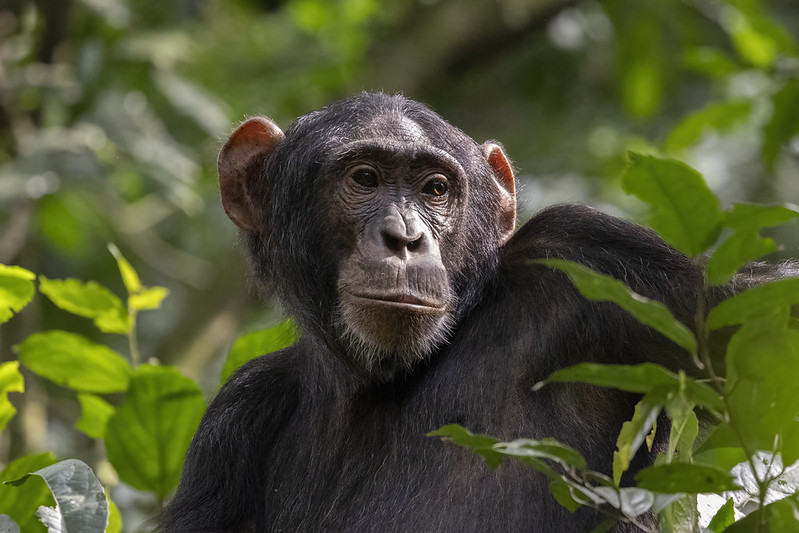
Kibale National Park is one of Uganda’s leading destinations for chimpanzee tracking. The forest supports a rich primate community and provides opportunities to observe chimpanzees in their natural habitat. Chimpanzee tracking and habituation experiences take place throughout the year, although conditions and animal movements can vary by season.
Kibale works especially well when combined with Queen Elizabeth National Park. The two destinations allow travelers to move from forest primate experiences to savannah wildlife and the Kazinga Channel. This combination is one of the most practical ways to experience Uganda’s contrasting ecosystems in a single safari.
Queen Elizabeth National Park
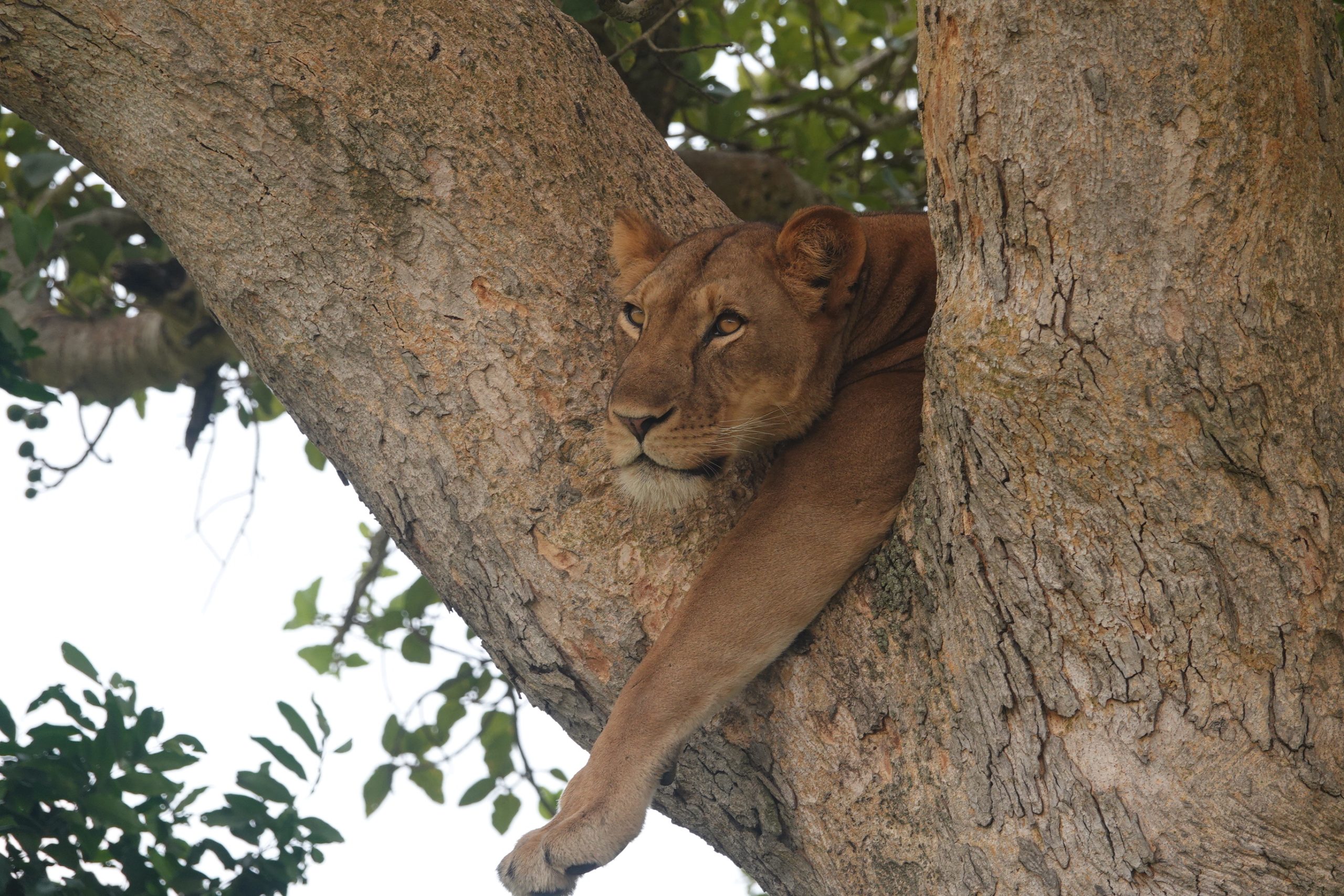
Queen Elizabeth National Park is one of Uganda’s most diverse safari destinations. Its landscapes include open savannah, wetlands, forests, lakes, and volcanic features. Travelers can enjoy game drives, boat trips along the Kazinga Channel, birdwatching, and primate experiences in parts of the park. The park is also associated with the famous tree-climbing lions of the Ishasha sector.
The Kazinga Channel is a major attraction because boat cruises provide a different perspective on wildlife. Hippos, crocodiles, elephants, buffaloes, and numerous bird species can often be observed around the water. For travelers interested in photography, the combination of wildlife, water, and open landscapes can produce excellent opportunities.
Murchison Falls National Park
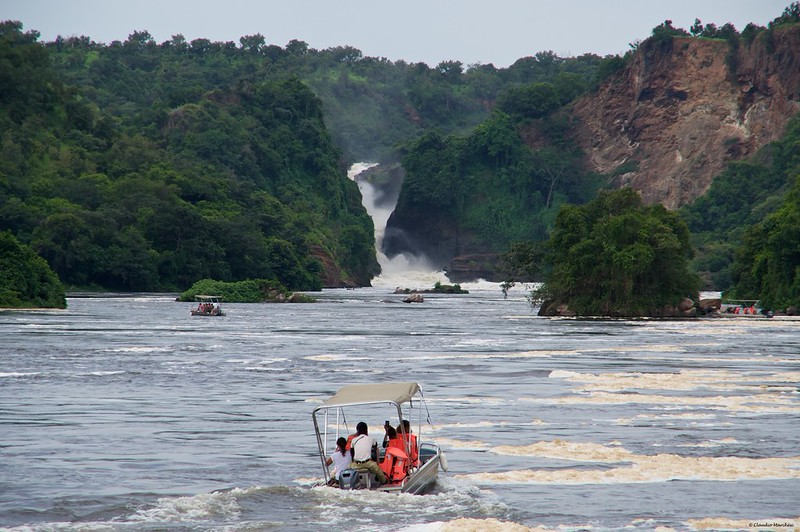
Murchison Falls National Park is Uganda’s largest national park and is one of the country’s signature safari destinations. The park combines wildlife viewing with the dramatic scenery created by the Nile. A typical visit can include game drives across the savannah and a boat cruise toward the base of Murchison Falls.
The experience is particularly rewarding because visitors can combine land and water-based wildlife viewing. Elephants, buffaloes, giraffes, antelopes, hippos, crocodiles, and many bird species can be encountered in the wider park ecosystem. Travelers who have enough time should consider spending several nights in the region rather than treating Murchison Falls as a quick stop.
Kidepo Valley National Park
Kidepo Valley National Park is ideal for travelers looking for remoteness and dramatic landscapes. Located in northeastern Uganda, it is considerably farther from Kampala than many of the country’s other major parks. That distance is part of its appeal. The park offers expansive valleys, rugged mountains, open plains, and a distinctive wildlife experience.
Kidepo is particularly suitable for longer Uganda safari holidays. Travelers who enjoy quiet landscapes and fewer visitors may find the journey worthwhile. Because road distances can be long, travelers should allow enough time rather than adding Kidepo to an already crowded itinerary.
When Is the Best Time to Visit Uganda?
Uganda can be visited throughout the year because of its varied climate and geography. However, the best time depends on what you want to do. For many safari travelers, the relatively drier periods are attractive because roads and trails can be easier to navigate. Gorilla and chimpanzee trekking can also take place throughout the year, although forest conditions can change quickly.
The wetter seasons can bring heavier rainfall, but they also create lush scenery and can offer excellent conditions for photography and birdwatching. Travelers should therefore avoid thinking of the rainy season as a period when Uganda becomes inaccessible. Instead, the right season depends on your priorities, budget, tolerance for rain, and preferred activities.
For gorilla trekking, flexibility is useful because mountain forests can experience rainfall even during traditionally drier periods. A professional operator such as Zamunda Travels can help you choose travel dates based on the activities you want to include rather than relying on a simple dry-season-versus-wet-season rule.
How to Get to Uganda
Most international visitors arrive through Entebbe International Airport, which serves as Uganda’s main international gateway. From Entebbe, travelers can connect to Kampala or begin road journeys toward national parks and other destinations.
Road travel forms an important part of most Uganda safari itineraries. Major tourism destinations are connected by roads, but travel times can vary because of traffic, road conditions, weather, stops, and the exact location of your accommodation. As a result, travelers should plan their itinerary according to realistic driving times instead of judging distances only from a map.
Domestic flights can reduce travel time for some longer routes. Certain safari destinations have airstrips that support scheduled or chartered flights. Fly-in safaris can be particularly useful for travelers with limited time or those visiting remote destinations such as Kidepo Valley. Zamunda Travels can help travelers compare road and flying options based on budget, available time, and the destinations included in the safari.
Uganda Visa Requirements for Travelers
Visitors should check Uganda’s current immigration requirements before traveling because visa rules can depend on nationality and may change. Uganda operates an official electronic visa and permit application system through the Directorate of Citizenship and Immigration Control. The government portal allows applicants to select an application type, complete the required form, upload documents, and submit the application.
Travelers should use the official immigration platform rather than relying on unofficial websites that may charge unnecessary fees. Your passport should also meet the applicable validity requirements, and you should check the latest entry conditions before departure. If you are combining Uganda with Rwanda and Kenya, ask Zamunda Travels about the most appropriate regional travel arrangements for your itinerary.
Gorilla Trekking Permits
Gorilla trekking requires advance planning because permits are limited. In Uganda, gorilla tracking takes place in Bwindi Impenetrable National Park and Mgahinga Gorilla National Park. Visitors must use designated entry points and follow the official tracking procedures. Uganda Wildlife Authority states that gorilla tracking must be conducted with authorized guides and authentic permits.
Foreign non resident travelers should also be careful when purchasing permits. Uganda Wildlife Authority advises foreign non resident clients to purchase gorilla and chimpanzee tracking permits through tour operators licensed by the Uganda Tourism Board. Travelers should verify an operator’s licensing status before making payments.
This makes choosing a reputable safari company important. Zamunda Travels can assist with arranging the different components of a gorilla trekking trip, including permits, transportation, accommodation, and the wider safari itinerary. Travelers should book early, especially when they have fixed travel dates.
Chimpanzee Tracking in Uganda
Chimpanzee tracking adds a different type of primate experience to a Uganda safari. Kibale National Park is one of the country’s leading destinations for this activity, while other forest areas also provide chimpanzee experiences. The activity involves walking through forest habitat with trained guides while searching for chimpanzee communities.
Chimpanzees can move quickly through dense vegetation, so sightings are not identical to viewing animals from a safari vehicle. The experience is therefore more active and immersive. Visitors should wear suitable walking shoes and clothing and follow the instructions provided by their guides.
Uganda’s chimpanzee conservation story continues to develop. A 2025 census in Bwindi, for example, confirmed an estimated 426 chimpanzees distributed across the park, providing new information for conservation planning.
Wildlife Safaris Beyond Gorillas
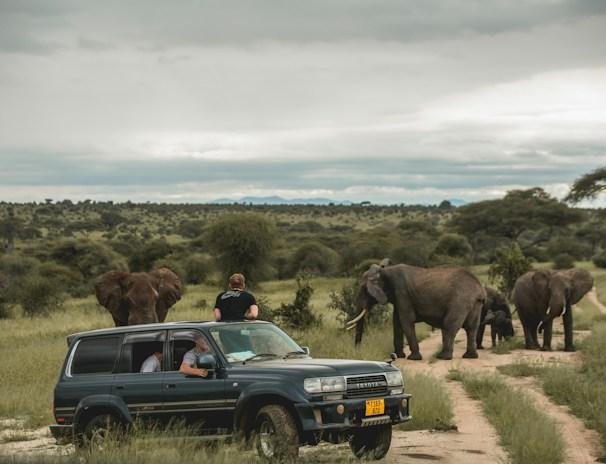
A Uganda Travel Guide would not be complete without highlighting the country’s conventional safari experiences. Uganda offers opportunities to see elephants, buffaloes, lions, leopards, giraffes, antelopes, hippos, crocodiles, and many other species. The exact animals you see depend on the park, season, habitat, and luck.
Queen Elizabeth, Murchison Falls, Kidepo Valley, and Lake Mburo each provide a different safari atmosphere. Murchison Falls offers the Nile and large savannah landscapes. Queen Elizabeth combines savannah with wetlands and the Kazinga Channel. Lake Mburo provides a compact safari experience and is particularly useful for travelers moving between central Uganda and the southwest. Kidepo offers a more remote wilderness setting.
Combining wildlife drives with primate trekking is one of Uganda’s biggest strengths. Instead of choosing between a classic safari and a forest adventure, visitors can experience both during the same holiday.
Culture and Local Experiences
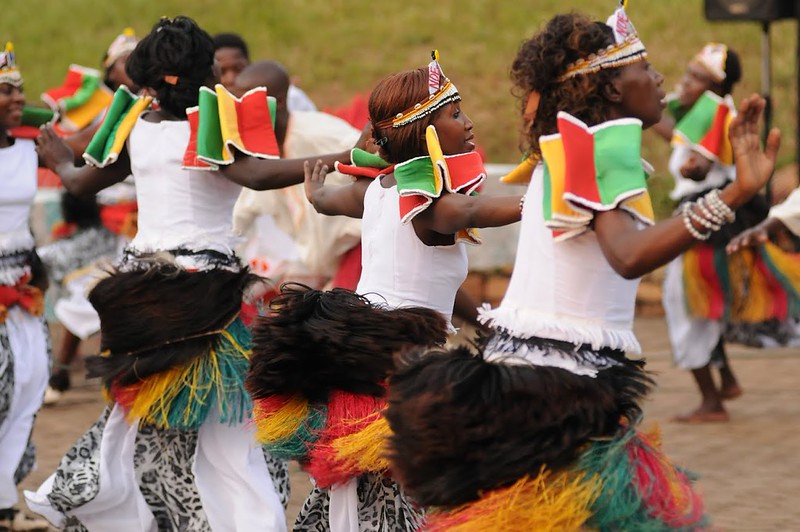
Uganda’s cultural diversity adds another important dimension to travel. The country is home to many communities with different traditions, languages, foods, dances, crafts, and histories. Cultural experiences can include community visits, traditional performances, craft demonstrations, local food experiences, and interactions with people living around conservation areas.
Responsible cultural tourism should always respect local communities. Visitors should ask before taking photographs and should avoid treating communities as tourist attractions without understanding their traditions and daily lives. When organized properly, community tourism can create direct benefits for local residents while giving visitors a deeper understanding of Uganda.
Zamunda Travels can also incorporate cultural experiences into safari itineraries. This can make a trip feel less like a sequence of national parks and more like a complete journey through Uganda.
Where to Stay in Uganda
Accommodation ranges from budget guesthouses and campsites to comfortable safari lodges and high end luxury properties. Your choice should depend on location, budget, preferred comfort level, and the activities you plan to undertake.
For gorilla trekking, staying near the correct trekking sector can save significant travel time on the morning of the activity. The same principle applies to chimpanzee tracking and game drives. A cheaper lodge that requires a long transfer may not always provide better value than a conveniently located property.
Travelers should also consider whether the lodge has reliable electricity, hot water, internet access, meals, laundry services, and suitable transport arrangements. Remote safari lodges may operate differently from hotels in major cities, so expectations should match the location.
How Much Does a Uganda Safari Cost?
The cost of traveling in Uganda varies widely. Your final budget depends on the number of travelers, accommodation level, number of safari days, activities, park fees, permits, transportation, domestic flights, and time of year.
Gorilla trekking can significantly increase the cost of a trip because the permit is a major component of the budget. Chimpanzee tracking, domestic flights, luxury accommodation, and private vehicles can also increase the overall price. Budget travelers can reduce costs by choosing simpler accommodation and longer road based itineraries, while luxury travelers can select premium lodges and fly between distant destinations.
Rather than choosing a safari based only on the lowest advertised price, compare what the package actually includes. Ask about accommodation, meals, park fees, permits, transportation, driver-guide services, airport transfers, and activities. Zamunda Travels can help travelers build an itinerary around their budget while keeping the main experiences intact.
Getting Around the Country
Road transport is the most common way to connect major safari destinations. Private 4×4 vehicles are particularly useful because some national park roads and tracks require vehicles with good ground clearance. A private vehicle also gives travelers greater flexibility with stops, photography, and daily schedules.
Domestic flights can make sense when distances are long. For example, travelers visiting remote northern destinations may save substantial time by flying instead of driving. However, flights can cost more, and travelers still need transfers between airstrips and lodges.
For first-time visitors, organized transport is often easier than self-driving. A professional driver-guide understands safari routes, park regulations, wildlife behavior, and local road conditions. Zamunda Travels can organize transportation according to the destinations and activities included in your itinerary.
What to Pack for Uganda
Your packing list should match your activities and the regions you will visit. Lightweight, breathable clothing works well for many safari days, while warm layers can become useful during early morning game drives and visits to higher-altitude areas.
Travelers going for gorilla or chimpanzee trekking should bring sturdy hiking shoes, long trousers, lightweight rain protection, gardening-style gloves if desired, insect repellent, a reusable water bottle, and a small daypack. A waterproof bag can protect cameras, phones, and other valuables during forest walks.
For game drives, neutral colored clothing is practical. A hat, sunglasses, sunscreen, and binoculars can also improve the experience. Travelers should pack prescription medicines and essential personal items before leaving home, particularly when visiting remote areas where replacement supplies may be difficult to find.
Is Uganda Safe for Tourists?
Uganda welcomes international visitors and has an established tourism industry covering national parks, hotels, transport companies, guides, and tour operators. Uganda Tourism Board has stated that tourism activities operate across the country’s major tourism areas, including national parks, wildlife reserves, cultural attractions, and hospitality establishments.
However, travelers should still use normal precautions. Keep important documents secure, avoid displaying large amounts of cash, follow local advice, and use reputable transportation. Visitors should also follow national park rules and listen carefully to their guides during wildlife encounters.
Travel conditions can change, so check official government travel advisories and Uganda Tourism Board updates before departure. Health requirements and entry rules may also change. Zamunda Travels can help travelers review practical arrangements before the safari begins.
Responsible Tourism
Responsible tourism should be part of every visit to Uganda. Wildlife tourism contributes to conservation and local economies, but visitors also have a responsibility to minimize their environmental impact. Follow park rules, avoid littering, do not feed wildlife, and never pressure guides to approach animals inappropriately for photographs.
Gorilla and chimpanzee experiences require additional care because visitors enter sensitive forest habitats. Maintaining the required distance, following guide instructions, and respecting health protocols help protect wildlife. Uganda Wildlife Authority’s tracking guidelines emphasize controlled access and the use of authorized guides and permits.
Supporting local businesses can also strengthen communities around tourism areas. Travelers can purchase locally made crafts, use community run services where appropriate, and choose responsible tour operators. These small decisions can make a meaningful difference when multiplied across many visitors.
How Long Should You Spend in Uganda?
The ideal length of a Uganda trip depends on your interests. A short trip can focus on one major experience, such as gorilla trekking. A longer safari allows travelers to combine primates, wildlife, culture, and landscapes.
A four to five day itinerary can work for travelers with limited time. A seven to ten day trip allows a more balanced combination of destinations. Travelers with two weeks or more can explore several national parks and include destinations that require longer journeys, such as Kidepo Valley or the Rwenzori region.
The most important principle is to avoid overcrowding the itinerary. Uganda is a large country with varied terrain, so spending more time in fewer destinations often produces a better experience than trying to visit every major attraction.
Planning a Uganda Safari with Zamunda Travels
Planning a safari involves more than selecting national parks from a map. You need to consider driving distances, activity schedules, permit availability, accommodation locations, seasonal conditions, and the amount of time you want to spend on the road. A professional travel company can bring these details together into one practical itinerary.
Zamunda Travels specializes in Uganda travel planning and can help visitors organize safari experiences around their interests. Whether your priority is gorilla trekking in Bwindi, chimpanzee tracking in Kibale, wildlife viewing in Queen Elizabeth National Park, the dramatic landscapes of Murchison Falls, or a longer Uganda safari covering several destinations, the itinerary can be tailored to your available time and budget.
Travelers should also confirm that any operator handling regulated tourism activities is properly licensed. Uganda Tourism Board maintains a directory of licensed tour companies, which visitors can use when checking operators.
Frequently Asked Questions
Is Uganda good for a first African safari?
Yes. Uganda is particularly attractive for travelers who want more than traditional game drives. The country combines wildlife, mountain gorillas, chimpanzees, mountains, rivers, lakes, forests, and cultural experiences. This variety allows first-time African travelers to create a safari that matches their interests.
How many days do I need in Uganda?
A minimum of four to five days can provide a focused experience, but seven to fourteen days gives travelers more opportunity to combine different regions. The right length depends on whether you want gorilla trekking, chimpanzee tracking, classic wildlife safaris, mountain hiking, or a combination of activities.
Where is gorilla trekking done in Uganda?
Gorilla trekking takes place in Bwindi Impenetrable National Park and Mgahinga Gorilla National Park. Bwindi has four major trekking sectors: Buhoma, Ruhija, Rushaga, and Nkuringo.
Can I combine gorilla trekking with a safari?
Yes. Gorilla trekking combines well with Queen Elizabeth National Park, Kibale National Park, Lake Mburo National Park, or other destinations. A well-planned itinerary can include both primate trekking and traditional game drives.
What is Uganda famous for?
Uganda is particularly famous for mountain gorillas, chimpanzees, wildlife safaris, the Nile, Murchison Falls, diverse landscapes, birdlife, and cultural experiences. The country’s combination of forest and savannah tourism makes it different from many other safari destinations.
Do I need a guide in Uganda?
For activities such as gorilla and chimpanzee tracking, visitors must follow the applicable UWA procedures and use authorized guides. For broader travel, using a professional driver guide can make road travel, park visits, and itinerary management easier.
Is Uganda expensive to visit?
Uganda can accommodate different travel budgets. Costs rise with luxury accommodation, private vehicles, domestic flights, gorilla permits, and longer itineraries. Planning ahead allows travelers to balance comfort and cost.
What should I know before visiting Uganda?
Before traveling, check visa requirements, passport requirements, health advice, park regulations, permit availability, accommodation, transportation, and current travel advisories. It is also important to build realistic driving times into your itinerary.
In conclusion, Uganda offers an exceptional combination of wildlife, primates, adventure, scenery, and culture. From the forests of Bwindi and Kibale to the savannahs of Queen Elizabeth and Murchison Falls, the country gives travelers many ways to experience East Africa. The best Uganda Travel Guide is not simply a list of attractions. It should help you understand how to connect those attractions into a realistic and rewarding journey. With careful planning and support from Zamunda Travels, visitors can explore the Pearl of Africa at a comfortable pace while experiencing some of the country’s most memorable destinations.