Cultural Festivals in Uganda
August 15, 2026
Manyattas in East Africa
August 15, 2026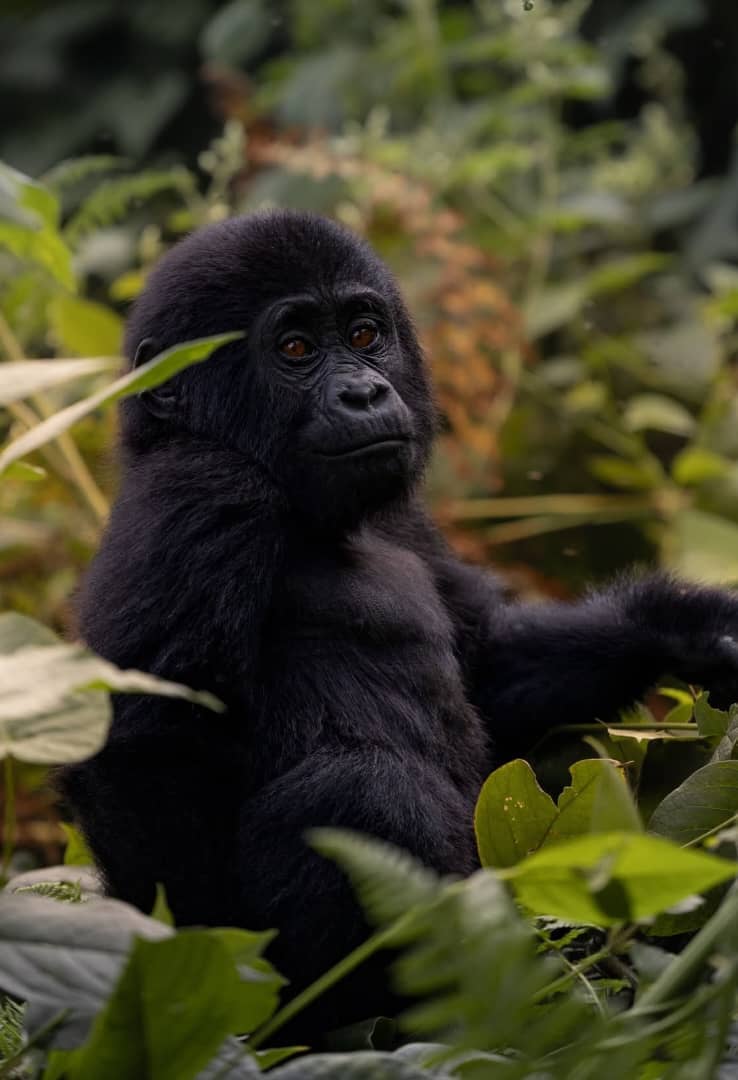
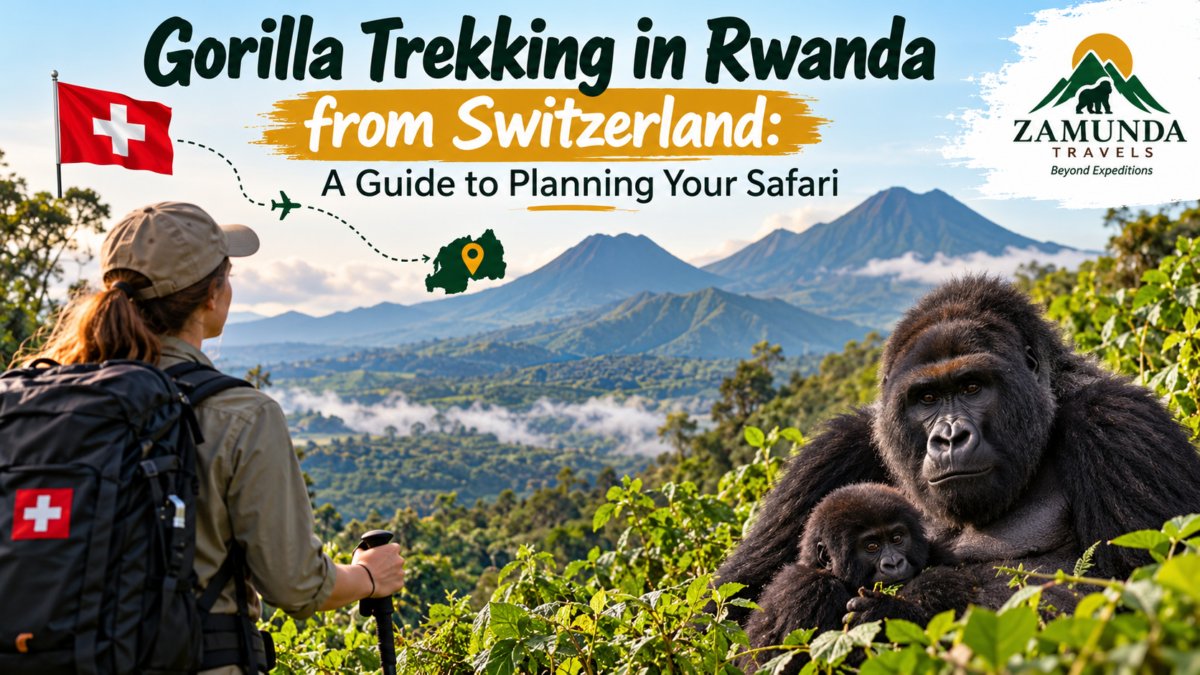
Gorilla trekking in Africa ranks among the most humbling wildlife experiences on the planet. Trekkers climb through misty volcanic slopes and dense rainforest, then lock eyes with a 200-kilogram silverback from just a few metres away. Few adventures blend that much adrenaline with that much stillness. However, deciding where to go for gorilla trekking in Africa isn’t simple, because four countries offer the activity, and each one differs in permit price, gorilla species and travel logistics. This guide breaks down every option using verified 2026 data, so you can plan a trip that actually fits your budget, fitness level and sense of adventure. Zamunda Travels has guided travelers through each of these destinations, and this article shares what genuinely matters once you start comparing them.
Why Gorilla Trekking in Africa Belongs on Your Bucket List
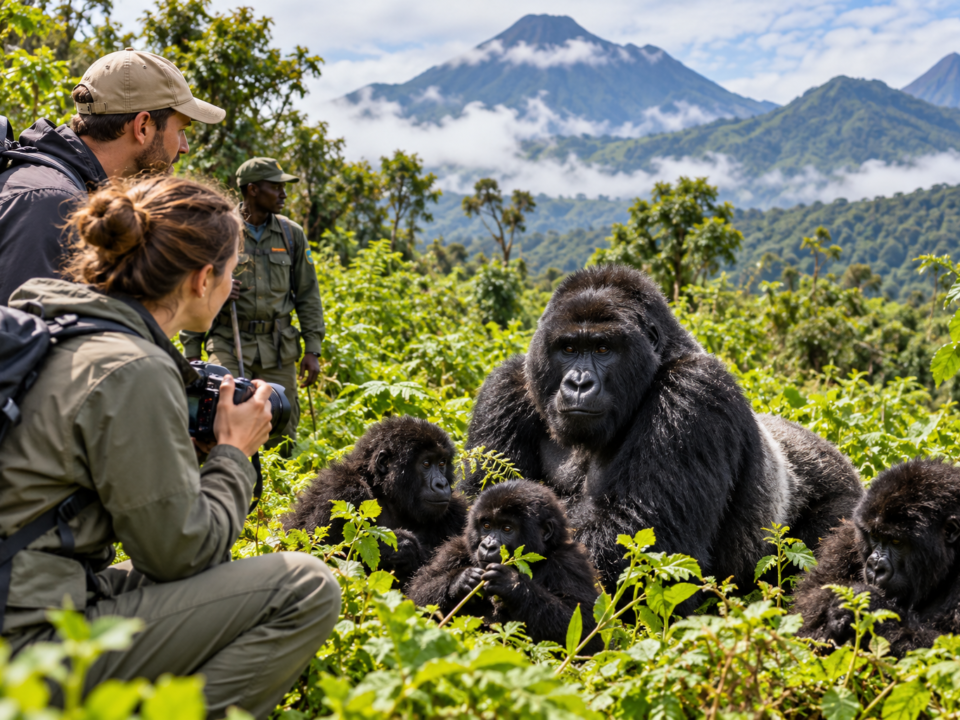
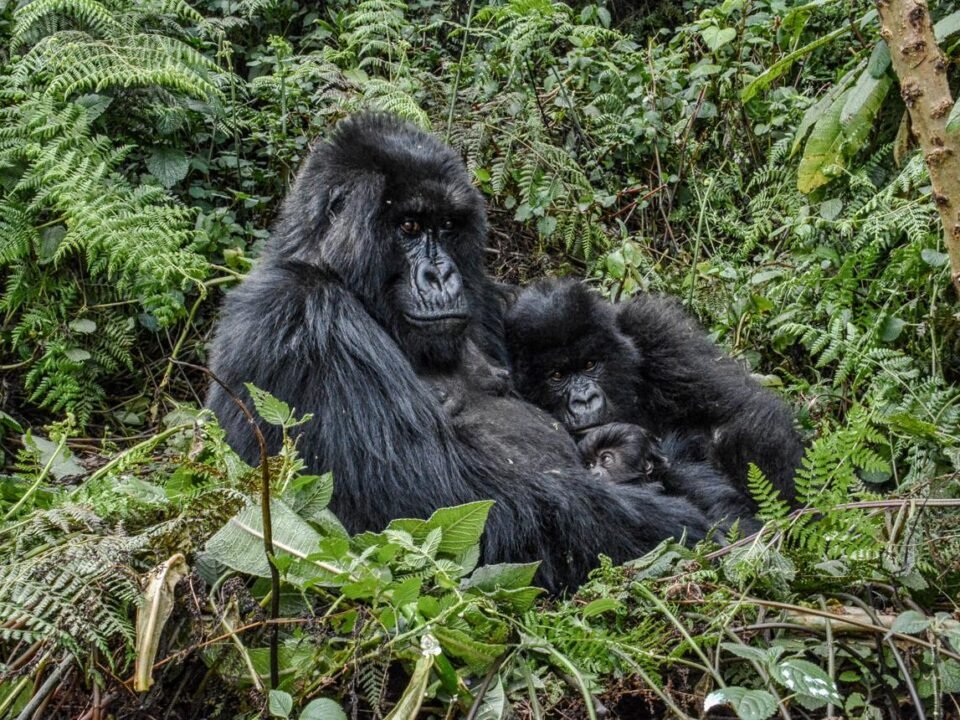
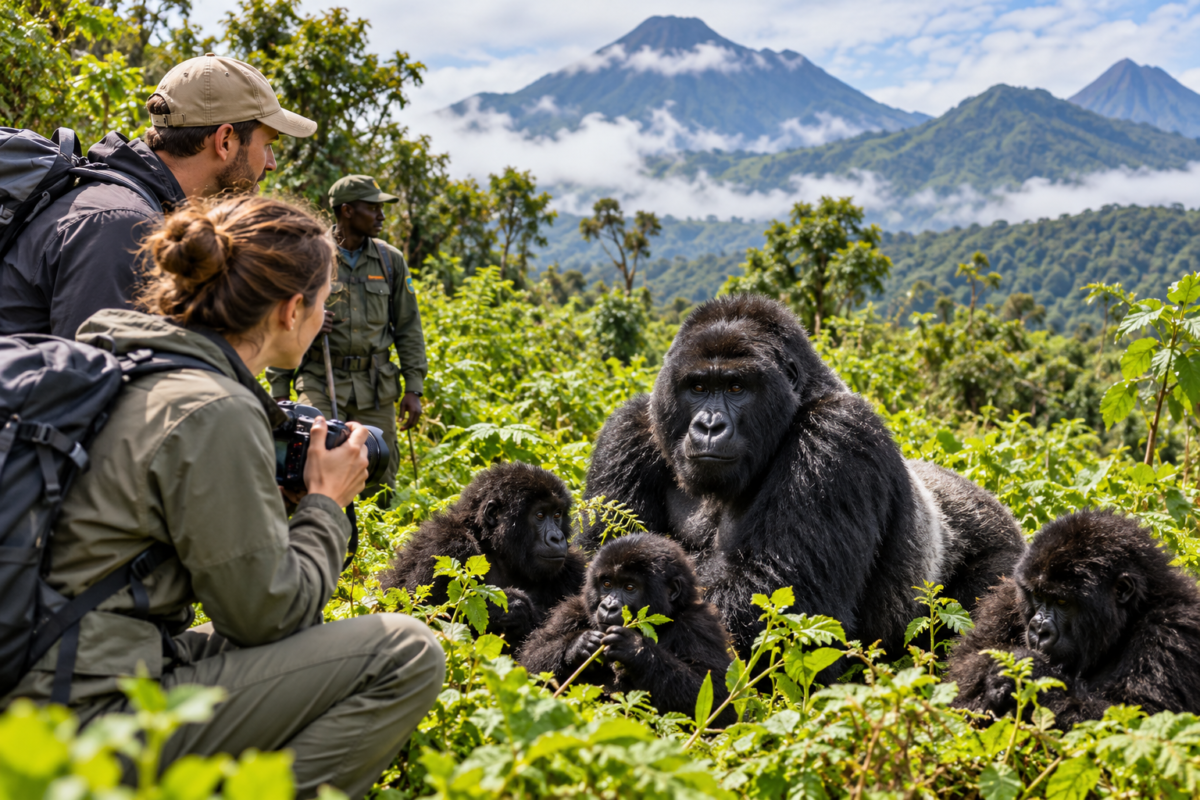
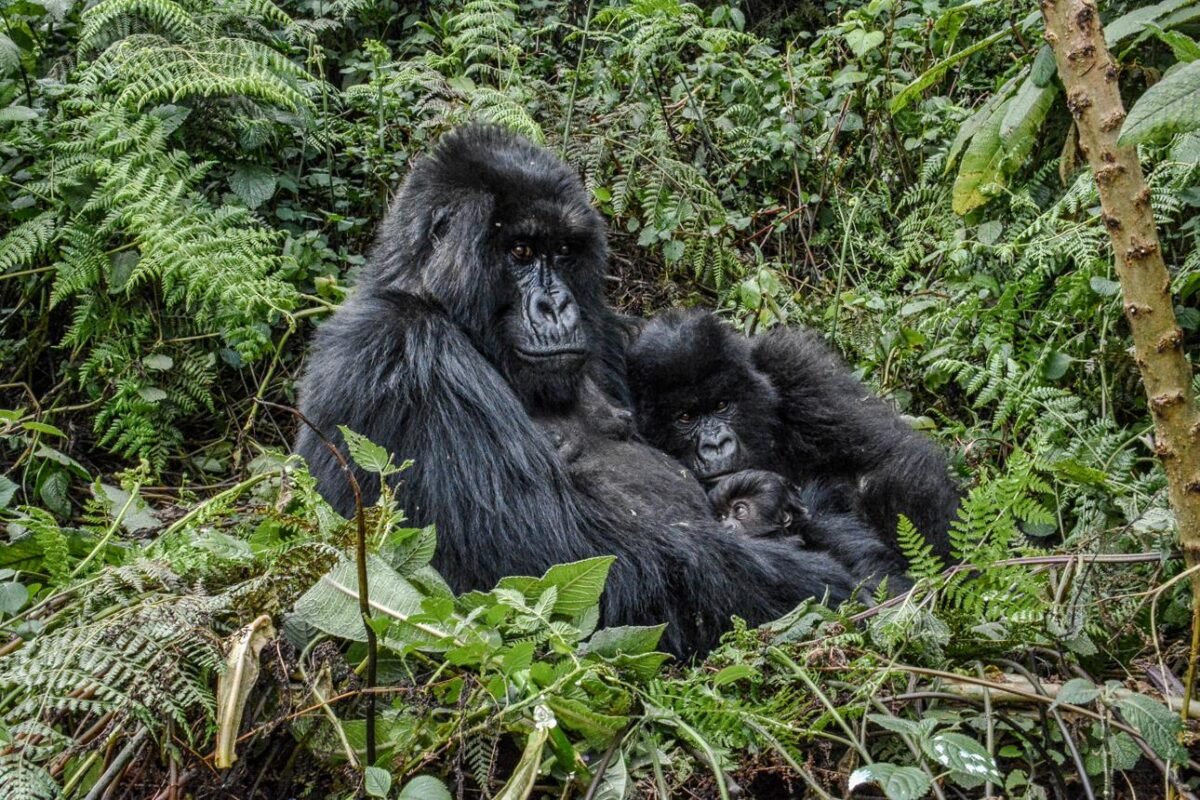
Mountain gorillas exist nowhere else on Earth except the misty highlands that straddle Uganda, Rwanda and the Democratic Republic of Congo. Conservationists count just over a thousand individuals left in the wild, which makes every trek a rare and carefully managed encounter rather than a routine safari stop. Rangers track each habituated family daily, so guests know almost exactly where to find them before the hike even begins. Once you reach the group, park rules allow a strict one hour window, and that hour tends to stay with travelers for a lifetime. Beyond the animals themselves, the fees you pay fund anti-poaching patrols, veterinary care and community projects around the parks. As a result, choosing to go gorilla trekking directly supports the survival of a species that came close to extinction just decades ago. Zamunda Travels builds every itinerary around this balance between unforgettable access and responsible tourism.
Uganda: The Most Affordable Gorilla Trekking in Africa
Uganda offers the best value among all four countries, and its permits cost roughly half of Rwanda’s. A standard permit runs $800 for foreign non-residents, $700 for foreign residents and $500 for other African citizens, while East African passport holders pay a heavily discounted local rate. During the green season months of April, May and November, the price even drops to $600, though those dates cannot be rescheduled if plans change. Each permit covers park entry, ranger guides, trackers and one full hour with a habituated gorilla family. Notably, 75 percent of that fee goes directly toward gorilla conservation, while the remaining share supports the government and the communities living around the parks.
Bwindi Impenetrable National Park
Bwindi holds nearly half of the world’s remaining mountain gorillas inside one dense, ancient forest in southwestern Uganda. The park splits into four trekking sectors; Buhoma, Ruhija, Rushaga and Nkuringo so operators like Zamunda Travels can match your fitness level and preferred lodge to the right starting point. Trails here wind through genuinely steep, tangled terrain, which explains the park’s name and rewards trekkers with a wilder, more physical experience than most other destinations offer. For travelers who want more time with the gorillas, Bwindi also runs a four-hour habituation experience, priced from $1,500 and rising to $1,800 under the newest tariff structure. This option suits photographers and wildlife enthusiasts who want far more than a single hour among the trees.
Mgahinga Gorilla National Park
Mgahinga sits at the edge of the Virunga volcanic range, sharing its slopes with neighboring Rwanda and the DRC. Only one habituated family, the Nyakagezi group, currently calls this park home, and that family sometimes wanders across the border into a different country entirely. Because of this, the Uganda Wildlife Authority offers a full refund if the gorillas cross the border before your scheduled trek. Beyond gorillas, Mgahinga also offers golden monkey trekking and volcano hikes, so it works well as an add on rather than a sole destination. Zamunda Travels often pairs Mgahinga with a Bwindi itinerary for travelers who want variety within a single Uganda trip.
Rwanda: Luxury Gorilla Trekking in Africa Made Easy
Rwanda positions itself as the premium, low hassle choice for gorilla trekking in Africa, and the experience reflects that reputation from the moment you land. A standard permit costs $1,500 for international visitors, though the government offers a discounted rate of roughly $1,050 for travelers who spend at least two nights elsewhere in the country. That single price point covers guided access to Volcanoes National Park, plus one regulated hour with a habituated gorilla family. Kigali International Airport sits only two to three hours from the park by road, so trekkers avoid the long, bumpy transfers that other destinations sometimes require. Consequently, many travelers choose Rwanda specifically for its short travel time and its polished network of luxury lodges.
Volcanoes National Park
Volcanoes National Park spreads across five dormant volcanoes along Rwanda’s northern border, forming part of the same Virunga Massif that Uganda and the DRC share. Rangers manage a dozen or so habituated families here, and each trek begins with a briefing at park headquarters before groups head out toward their assigned family. Trails tend to be shorter and slightly less strenuous than Bwindi’s, although altitude and volcanic terrain still make for a genuine workout. Dian Fossey conducted much of her pioneering gorilla research in these very forests, and her former camp remains a popular hike for travelers who want historical context alongside their trek. Zamunda Travels frequently recommends Volcanoes National Park to first-time trekkers who prefer efficient logistics over rugged wilderness.
Democratic Republic of Congo: The Cheapest Permits, but Limited Access
The DRC technically offers the lowest permit price of any country, at around $400, and it also holds two very different gorilla trekking opportunities. Virunga National Park, part of the same volcanic range as Uganda and Rwanda, hosts mountain gorillas alongside active volcanoes and rare wildlife. Meanwhile, Kahuzi-Biega National Park further south protects the eastern lowland gorilla, also called Grauer’s gorilla, a larger and more elusive subspecies found nowhere else. Despite the appealing price, Virunga has remained closed to tourism since March 2020 because of ongoing regional security concerns. For that reason, most operators, including Zamunda Travels, currently steer travelers toward Uganda or Rwanda instead and monitor DRC conditions closely before recommending a return. Anyone still drawn to this route should check official travel advisories first and work only with an experienced ground operator who tracks the situation in real time.
Republic of Congo: Western Lowland Gorilla Trekking in a Rainforest Wilderness
Not to be confused with its larger neighbor, the Republic of Congo often called Congo Brazzaville offers an entirely different style of gorilla trekking in Africa. Instead of misty volcanic slopes, trekkers wade through swamps, rivers and dense lowland rainforest in search of the critically endangered western lowland gorilla. Odzala-Kokoua National Park, one of Africa’s oldest protected areas, anchors this experience and shelters a sizeable population of the species alongside forest elephants, bongo antelope and hundreds of bird species. Two habituated gorilla groups currently welcome visitors from Ngaga Camp, and searches through the forest can take anywhere from 45 minutes to several hours before trackers locate the family. Because access stays deliberately limited, only a few hundred people visit Odzala’s gorillas each year, making this among the most exclusive wildlife encounters anywhere on the continent.
Where Gorilla Trekking in Africa Is Not Possible
Many travelers assume that gorillas roam across most of East Africa, but that assumption isn’t accurate. Kenya, Tanzania and South Africa offer superb safaris for lions, elephants and big cats, yet none of them hold wild gorilla populations. If a trip itinerary lists gorilla trekking alongside a Serengeti or Maasai Mara safari, double check the details before booking, since the gorilla portion would require a separate flight into Uganda, Rwanda or one of the two Congos. Zamunda Travels regularly clarifies this point for clients who want to combine a classic savanna safari with a gorilla trek, and the good news is that Rwanda and Uganda both pair easily with nearby safari circuits.
How Zamunda Travels Helps You Choose Where to Go for Gorilla Trekking in Africa
Every destination above involves trade offs between price, comfort, terrain and species, so the right choice depends entirely on your priorities. Zamunda Travels starts each planning conversation by asking about budget, fitness level and how much time a traveler can dedicate to the trip. From there, the team secures permits directly through the relevant wildlife authority, since popular dates in Rwanda and Uganda can sell out three to twelve months in advance. Zamunda Travels also builds in buffer days around each trek, because rugged terrain, weather delays and long transfers can all affect a tight schedule. Finally, the company pairs every gorilla trek with vetted lodges and transport, so travelers never have to coordinate permits, guides and accommodation separately. This end to end approach is exactly why so many first time trekkers turn to Zamunda Travels before finalizing their own itinerary.
When to Go: The Best Season for Gorilla Trekking in Africa
Timing changes both the comfort of the hike and the overall cost of the trip. The dry seasons, spanning June through September and again from December through February, bring firmer trails and easier visibility across Uganda and Rwanda. Meanwhile, the green season months of April, May and November bring heavier rain and muddier paths, though they also bring thinner crowds and lower permit prices in Uganda. Odzala-Kokoua in the Republic of Congo follows a different rainfall pattern entirely, so Zamunda Travels checks the specific regional forecast before recommending dates for that route. Whichever season you choose, pack for rain regardless, since equatorial forests rarely stay completely dry for long.
What to Pack and How to Prepare for Gorilla Trekking in Africa
Physical preparation matters more than most first time trekkers expect, because trails frequently climb steep, uneven ground at altitudes above 2,000 metres. Sturdy, ankle supporting hiking boots make the single biggest difference in comfort, followed closely by a lightweight rain jacket and breathable, long sleeved layers that protect against nettles and biting insects. Gardening gloves help trekkers grip vines and branches on the steeper sections, while a daypack with water, snacks and a dust mask rounds out the essentials. Park authorities also require every visitor to be at least 15 years old and free of visible illness, since gorillas share roughly 98 percent of human DNA and remain highly susceptible to human respiratory infections. Zamunda Travels sends every client a destination-specific packing list well before departure, so nothing gets left behind on trekking morning.
Final Thoughts on Choosing Where to Go for Gorilla Trekking in Africa
Ultimately, the best destination depends on what you value most: Uganda rewards budget conscious, adventurous travelers with rugged trails and lower prices, while Rwanda delivers speed and polish for those short on time. The DRC still holds long term promise once security conditions improve, and the Republic of Congo offers an entirely different, exclusive lowland experience for travelers chasing something rarer. Whichever route you choose, gorilla trekking in Africa delivers a level of connection with wildlife that few other journeys can match. Zamunda Travels can help you compare permits, seasons and lodges side by side, then handle every booking detail so you can focus on the moment you finally meet the gorillas face to face.