Exploring the Uganda Rainforest and Its Unique Wildlife
August 17, 2026
What Is Rwanda Famous For as a Tourist Destination?
August 17, 2026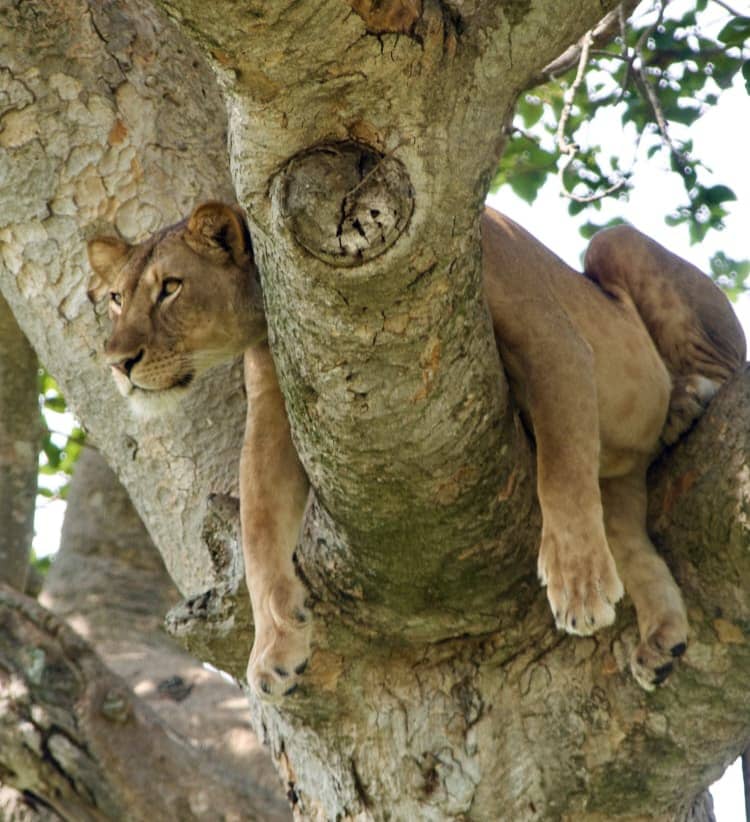
If you have ever watched wildlife footage and wondered, “are lions lazy?“, you are not alone. A lion sprawled across a rock, paws twitching in a deep afternoon nap, looks like the definition of laziness. However, that image only tells half the story. Lions rest for most of the day, yet their bodies and instincts are finely tuned survival machines. This article breaks down the real biology behind lion rest, explains why the “lazy” label misses the point, and shows how you can watch this behavior unfold on a real safari with Zamunda Travels.
Are Lions Lazy, or Just Smart Energy Managers?
The short answer is no, lions are not lazy in the way people usually mean the word. Laziness implies avoidable idleness, yet a lion’s extended rest serves a clear biological purpose. Lions are apex predators, and hunting demands enormous bursts of speed and power. A chase that fails wastes precious calories, so resting between hunts protects the lion’s energy reserves for the moments that matter most. Wildlife researchers describe this pattern as energy conservation rather than laziness, and the distinction changes how we should think about the species entirely.
Lions also carry a physical limitation that pushes them toward rest. Unlike humans, lions have very few sweat glands across their bodies. Because of this, they struggle to cool down through sweating alone, so resting in shade during the hottest hours becomes a practical necessity rather than a lifestyle choice. Guides at Zamunda Travels often point this fact out to guests during midday game drives, when prides are found tucked beneath acacia trees instead of roaming the open plains.
How Many Hours Do Lions Sleep Each Day?
Lions rank among the most rest heavy mammals on the African savanna. On average, lions sleep or doze for sixteen to twenty hours out of every twenty four, and some individuals push closer to twenty one hours after a large meal. That total does not arrive in one long block. Instead, it comes in scattered naps throughout the day, broken up by short bursts of movement, grooming, or social interaction with the pride.
Why Male Lions Sleep More Than Females
Sleep duration also depends on sex and role within the pride. Male lions typically sleep between eighteen and twenty hours a day, while lionesses average closer to fifteen to eighteen hours. This gap exists because lionesses handle most of the hunting, so their bodies demand more active recovery time balanced against foraging responsibility. Males, by contrast, spend more energy defending territory and protecting cubs from rival males, so their long rest periods prepare them for sudden confrontations rather than daily hunts. Travelers on a Zamunda Travels safari frequently notice this pattern firsthand, spotting dominant males lounging near a water source while the lionesses patrol nearby for prey.
The Real Reasons Lions Rest So Much
Understanding why lions sleep so much requires looking past the surface and into their physiology, diet, and hunting strategy. Several distinct factors combine to produce this famous rest pattern.
Heat, Sweat Glands, and Survival
As mentioned earlier, limited sweat glands force lions to manage body temperature through behavior instead of biology alone. Seeking shade, minimizing movement, and resting during peak sun hours all reduce the risk of overheating. Consequently, the hottest parts of the day become the quietest, and lions save their energy for the cooler dawn and dusk hours when hunting conditions improve dramatically.
Digesting Massive Meals
Diet plays an equally important role in lion rest. A single lion can consume up to seventy pounds of meat in one sitting, and digesting that volume takes serious metabolic effort. After a large kill, a pride may sleep for nearly an entire day while their bodies process the meal. This digestive rest period explains why guests who spot a well-fed pride on a Zamunda Travels excursion often see the animals barely move for hours at a stretch.
Crepuscular Timing and Night Vision
Lions are crepuscular hunters, meaning they favor the twilight hours around dawn and dusk over the heat of midday. Their eyes contain far more rod cells than cone cells, giving them sharp night vision that outperforms most of their prey species. Because darkness gives lions a clear sensory advantage, resting through daylight hours becomes a strategic choice rather than idle behavior.
Are Lions Lazy When It Comes to Hunting?
Even during active hunts, lions rely on short, explosive effort rather than prolonged chases. A lion can reach speeds near fifty miles per hour, but only for a few seconds before fatigue sets in. This sprint and rest pattern mirrors their daily rhythm; brief, intense activity followed by long recovery. Cheetahs and leopards operate on similar principles, though each species balances speed and rest differently based on body type and hunting style. Framing this pattern as laziness overlooks the precision behind it. A lion that rested less would tire faster during a hunt, risk injury more often, and ultimately reduce its own survival odds.
What Lion Behavior Teaches Us About the Wild
Lion rest patterns offer a broader lesson about how predators balance energy input and output across an ecosystem. Every hour spent sleeping reduces caloric demand, which in turn reduces how often a pride needs to hunt successfully. This efficiency helps explain why lion populations can persist even in regions where prey is unevenly distributed throughout the year. Guides and researchers alike view this behavior as a model of evolutionary efficiency, not a character flaw. When people ask whether lions are lazy, wildlife experts usually respond by reframing the question entirely: lions are not avoiding effort, they are budgeting it with remarkable precision.
See Real Lion Behavior With Zamunda Travels
Reading about lion rest patterns is one thing, but watching a pride shift from a deep midday nap into an alert, coordinated hunting formation at dusk is an entirely different experience. Zamunda Travels designs safari itineraries specifically around these natural rhythms, scheduling game drives during the early morning and late afternoon windows when lions are most likely to move, hunt, or interact socially. Expert guides from Zamunda Travels understand pride territories across multiple reserves, which increases the chance of spotting lions during those brief, dramatic bursts of activity between long rest periods.
Whether you want to photograph a lioness stalking through tall grass or simply watch a pride lounging peacefully beneath the shade, Zamunda Travels builds each itinerary around real animal behavior rather than guesswork. Guests consistently report that seeing the contrast between total stillness and sudden action gives them a far deeper appreciation for lion biology than any documentary could provide.
Frequently Asked Questions
Are lions lazy compared to other big cats? Not particularly. Most big cats, including cheetahs and leopards, follow similar rest heavy patterns driven by the same need to conserve energy for short, intense hunts.
Do lions in captivity sleep more than wild lions? Yes, in many cases. Captive lions do not need to hunt or defend large territories, so they often rest even more than their wild counterparts when left undisturbed.
What time of day are lions most active? Lions are crepuscular, so they tend to become active around dawn and dusk, with occasional bursts of nighttime movement.
Final Thoughts on the Question “Are Lions Lazy?”
So, are lions lazy? The evidence points firmly toward no. Every long nap, every stretch of stillness beneath a shaded tree, and every slow morning serves a clear survival function. Lions manage limited energy resources with impressive precision, balancing rest against the demands of heat, digestion, and hunting. The next time you see a lion sprawled out in the sun, remember that stillness is strategy, not sloth. To witness this balance between rest and raw power up close, consider booking a guided experience with Zamunda Travels, where every itinerary is timed around the true rhythm of the wild.