Distance from Entebbe Airport to Bwindi Vs Distance from Kigali Airport to Bwindi
August 19, 2026
Best Time for Gorilla Trekking in Uganda
August 19, 2026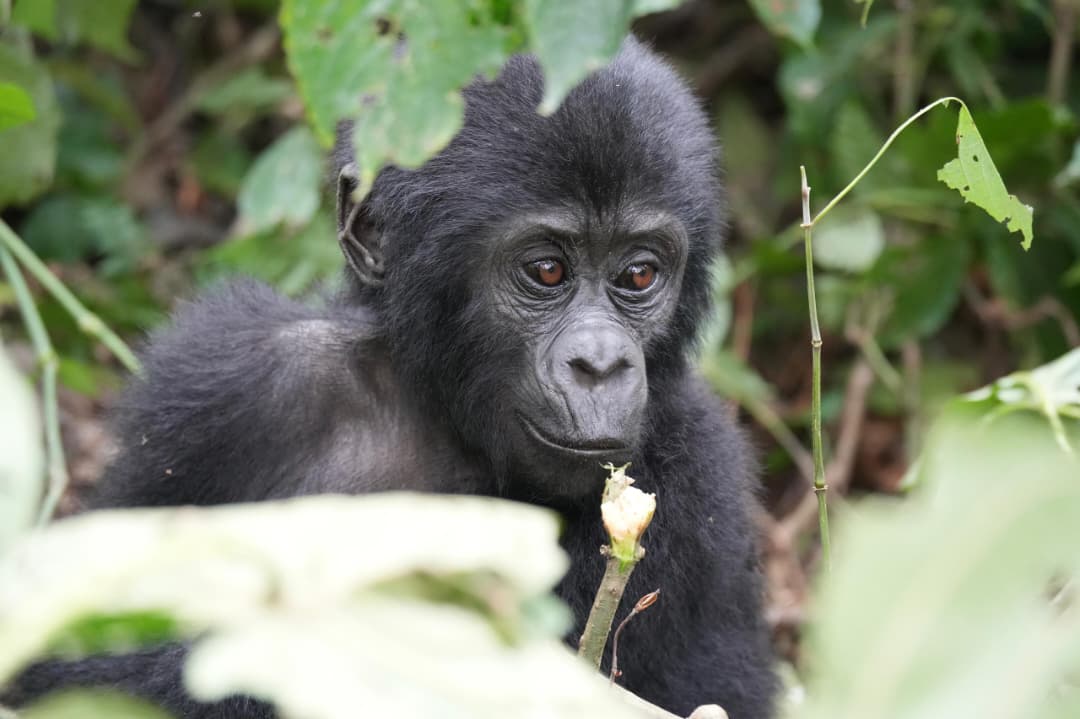
Bwindi vs Mgahinga is one of the most common comparisons made by travelers planning a gorilla trekking safari in Uganda. Both national parks offer the chance to walk through natural forests and meet endangered mountain gorillas in their habitat. However, the two destinations provide different experiences. Bwindi Impenetrable National Park has a larger network of trekking sectors and is Uganda’s better-known gorilla destination. Mgahinga Gorilla National Park, on the other hand, offers a smaller and more intimate setting beneath the Virunga volcanoes.
So, which one should you choose? The answer depends on what you want from your safari. If you prefer more trekking options, several sectors, and a wider choice of accommodation areas, Bwindi may suit you better. If you like dramatic volcanic scenery, a smaller park, and the possibility of combining gorilla trekking with golden monkey tracking or volcano activities, Mgahinga can be an excellent choice.
At Zamunda Travels, we help travelers choose the right gorilla trekking destination based on their route, available time, accommodation preferences, fitness level, and overall safari plans. This guide compares Bwindi and Mgahinga in detail so you can make that decision with confidence.
What Is the Main Difference?
The biggest difference between Bwindi and Mgahinga is the landscape and the scale of the trekking experience. Bwindi is an ancient montane rainforest with steep ridges, valleys, thick vegetation, and several gorilla trekking sectors. Uganda Wildlife Authority identifies four main trekking sectors in Bwindi: Buhoma, Ruhija, Rushaga, and Nkuringo.
Mgahinga is much smaller and forms part of the Virunga mountain landscape. The park sits around volcanic peaks and provides a very different backdrop for trekking. Instead of moving through the extensive forest landscape of Bwindi, visitors experience a compact mountain environment where forest, bamboo, and volcanic slopes shape the scenery.
Both parks protect mountain gorillas, and both provide genuine gorilla trekking experiences. Therefore, choosing one does not mean choosing between a good and a bad destination. It means choosing between two different settings for the same remarkable wildlife encounter.
Bwindi is generally the better choice for travelers who want more flexibility. Mgahinga is particularly appealing to travelers who want a quieter atmosphere and a strong volcanic landscape. Your route also matters. For example, travelers coming from Kigali often find the southern part of Bwindi or Mgahinga convenient, depending on the border crossing and the location of their accommodation.
Bwindi vs Mgahinga for Gorilla Trekking Experience
When it comes to the actual gorilla trekking experience, both parks can be rewarding. Uganda Wildlife Authority states that gorilla trekking in Uganda takes place in both Bwindi Impenetrable National Park and Mgahinga Gorilla National Park. A trek can take roughly two to seven hours, depending on the location and movement of the gorilla family. Visitors receive up to one hour of observation once they find the habituated gorillas.
Bwindi offers a more extensive trekking environment. The forest is famous for its steep terrain and dense vegetation. In some areas, you may walk through thick undergrowth before reaching the gorilla family. In other areas, the trail may pass along ridges with impressive views of the surrounding countryside.
Mgahinga offers a more volcanic atmosphere. The park forms part of the Virunga landscape, and the presence of Mount Muhabura, Mount Gahinga, and Mount Sabyinyo adds a dramatic character to the trek. The combination of forest and volcanoes makes the destination especially attractive to photographers and travelers who enjoy mountain scenery.
The gorillas themselves are not fundamentally different experiences because you choose Bwindi or Mgahinga. You are still visiting mountain gorillas in their natural environment. The major difference comes from the forest, terrain, trekking routes, group availability, and surrounding landscape.
For this reason, Zamunda Travels does not recommend choosing a park simply because someone says it is “better.” The better question is: which park matches your travel plans?
Why Bwindi Is the More Popular Choice
Bwindi is Uganda’s most established gorilla trekking destination. Uganda Wildlife Authority describes it as the most popular gorilla trekking location in the country and notes that it is home to roughly half of the world’s mountain gorilla population.
One major advantage is the number of trekking sectors. Buhoma, Ruhija, Rushaga, and Nkuringo give travelers several areas from which to plan their gorilla experience.
This matters because Bwindi can fit into different safari routes. A traveler interested in combining gorilla trekking with Queen Elizabeth National Park may consider a route through the northern or southern areas of Bwindi. Another traveler arriving from Kigali may choose a southern sector because of its proximity to the Rwanda-Uganda border.
Bwindi also provides opportunities beyond gorilla trekking. The forest supports many bird species, butterflies, mammals, and other forest life. Uganda Wildlife Authority lists more than 350 bird species in Bwindi, including Albertine Rift endemics. The park also supports a wide range of mammals and other wildlife.
That biodiversity makes Bwindi attractive to travelers who want more than a single wildlife activity. You can combine gorilla trekking with forest walks, birdwatching, cultural experiences, and community activities depending on the sector and itinerary.
Why Mgahinga Is a Great Alternative
Mgahinga may not have the same number of trekking sectors as Bwindi, but that does not make it a second rate destination. In fact, its smaller scale is one of its attractions.
Uganda Wildlife Authority describes Mgahinga as an alternative to the denser jungles of Bwindi and notes that the park issues about eight gorilla permits per day.
That limited daily capacity can appeal to travelers looking for a more intimate experience. The surrounding volcanic landscape also gives Mgahinga a character that Bwindi does not quite replicate.
Another major advantage is the opportunity to combine gorilla trekking with golden monkey tracking. Mgahinga is one of Uganda’s important destinations for this endangered primate. UWA lists golden monkey tracking among the activities available in the park.
Travelers who enjoy hiking can also consider volcano related activities. The Virunga landscape creates opportunities for mountain adventures beyond the gorilla trek.
For someone planning a short trip from Kigali, Mgahinga can therefore be a very attractive option. The final choice still depends on the permit availability, border crossing, accommodation, and exact safari route.
Which Has Better Gorilla Sightings?
Both parks offer excellent opportunities to see mountain gorillas. However, no responsible safari operator should promise a guaranteed gorilla sighting at a particular location or predict exactly where a family will be on a specific morning.
Gorillas move through their natural habitat. Rangers and trackers work to locate habituated families, but the animals decide where they spend their time. A group may remain close to the previous day’s location, or it may move farther into the forest.
Uganda Wildlife Authority explains that gorilla families can move within their habitat and that visitors are allocated to specific gorilla family groups on the day of tracking.
This is an important point when comparing Bwindi and Mgahinga. Do not choose a destination simply because someone claims that one park always provides “better sightings.” The quality of the encounter depends on several factors, including gorilla movements, weather, terrain, and the amount of time needed to locate the family.
At Zamunda Travels, we advise travelers to focus on the quality of the overall experience rather than chasing a guarantee that no ethical operator can honestly provide.
Which Trek Is More Difficult?
Both gorilla treks require reasonable physical fitness. Uganda Wildlife Authority recommends moderate fitness because treks may last between two and seven hours.
Bwindi can be challenging because of its steep ridges, deep valleys, thick vegetation, and sometimes muddy trails. The word “impenetrable” gives you a good idea of the character of the forest. However, difficulty varies considerably between sectors and between individual gorilla families.
Mgahinga also involves physical effort because it is a mountainous environment. The volcanic terrain can include steep sections, uneven trails, and changing elevations.
Therefore, it would be misleading to say that Bwindi is always harder than Mgahinga or that Mgahinga is always easier. Your actual experience depends on the route, gorilla family location, weather, and your personal fitness.
If you are concerned about the physical challenge, tell Zamunda Travels before booking. We can help you select an appropriate sector and build a realistic itinerary around your abilities.
Which Park Has More Gorilla Trekking Options?
Bwindi clearly has the advantage when it comes to trekking sectors. UWA identifies Buhoma, Ruhija, Rushaga, and Nkuringo as the main gorilla trekking sectors.
This gives travelers greater flexibility when choosing accommodation and planning their route.
Mgahinga has a more concentrated trekking setup. UWA identifies Ntebeko/Muhavura as the designated entry point associated with Mgahinga’s gorilla tracking.
For travelers who want several location choices, Bwindi is therefore the stronger option. For travelers who value a compact destination surrounded by volcanoes, Mgahinga remains highly attractive.
Gorilla Permit Costs in Bwindi and Mgahinga
Gorilla permit prices are an important part of any comparison. The official Uganda Wildlife Authority tariff covering July 2024 to June 2026 listed gorilla tracking at USD 800 for foreign non-residents, USD 700 for foreign residents, and UGX 300,000 for East African citizens in both Bwindi and Mgahinga.
However, travelers planning a safari for the current 2026/2027 financial year should confirm the applicable tariff before making payment. UWA has published a page for the 2026–2027 tariff changes, so travelers should not assume that the previous tariff remains unchanged.
This is particularly important for online travel content because outdated gorilla permit prices can quickly make an article misleading.
The cost of your gorilla safari also includes more than the permit. You need to consider accommodation, transport, meals, guide services, border arrangements where applicable, and other activities.
Zamunda Travels can combine these elements into one itinerary so you understand the total cost before confirming your trip.
What About Gorilla Habituation in Bwindi?
One major difference between the two destinations is the availability of the Gorilla Habituation Experience. The official UWA guidelines explain that habituation allows visitors to accompany researchers and habituators as they work with gorillas that are becoming accustomed to human presence.
The official tariff covering July 2024 to June 2026 listed the Gorilla Habituation Experience in Bwindi at USD 1,500 for foreign non-residents, USD 1,000 for foreign residents, and UGX 750,000 for East African citizens.
Travelers interested in the longer habituation experience should confirm the current 2026/2027 rate and availability before booking.
For people who want more time around gorillas and a deeper conservation-focused experience, this can make Bwindi particularly appealing.
Bwindi vs Mgahinga for Landscape and Scenery
If scenery is important to you, the comparison becomes more interesting.
Bwindi is dominated by ancient rainforest. Its steep ridges and valleys create a dramatic jungle environment. The forest also acts as an important water catchment and supports exceptional biodiversity. UWA describes Bwindi as one of Africa’s ancient and biologically diverse rainforests.
Mgahinga offers a different visual experience. The park sits in the Virunga Mountains, where volcanic peaks rise above the surrounding landscape. Mount Gahinga, Mount Sabyinyo, and Mount Muhabura form an impressive backdrop.
If you dream of a classic misty rainforest trek, Bwindi may be your preferred destination. If you imagine gorillas against a volcanic mountain landscape, Mgahinga may have the stronger appeal.
Which Park Is Better for Birdwatching?
Bwindi has an advantage for travelers who want to combine gorilla trekking with serious forest birdwatching. UWA highlights Bwindi and Mgahinga as important destinations for Albertine Rift endemic birds.
Bwindi, however, offers an especially rich birding environment. UWA lists more than 350 bird species in the park, including several Albertine Rift endemics.
This makes Bwindi a strong choice for birders who want to spend additional days exploring the forest.
Mgahinga is still worthwhile for birdwatchers. However, travelers whose main goal is a dedicated birding safari may prefer to spend more time in Bwindi or combine Mgahinga with other birding destinations in Uganda.
Which Park Is Better for Golden Monkey Tracking?
This is an area where Mgahinga has a clear advantage.
Mgahinga is well known for golden monkey tracking, and UWA lists both golden monkey tracking and golden monkey habituation among the activities available in the park.
This means you can create a primate-focused safari that combines two special experiences: mountain gorilla trekking and golden monkey tracking.
Bwindi offers outstanding biodiversity too, but if golden monkeys are high on your travel wish list, Mgahinga deserves serious consideration.
At Zamunda Travels, we can build a multi-activity itinerary around Mgahinga rather than treating gorilla trekking as the only reason to visit the park.
Bwindi vs Mgahinga for Travelers Coming From Kigali
The starting point of your safari can strongly influence the best choice.
Travelers arriving at Kigali International Airport often cross into Uganda through either the Cyanika or Katuna border areas, depending on their itinerary. From there, they continue toward the selected gorilla trekking sector.
Mgahinga is particularly close to the Cyanika border and can work very well for travelers whose itinerary focuses on Kigali, Musanze, Mgahinga, and the Virunga region.
Southern Bwindi sectors such as Rushaga and Nkuringo can also work well for Kigali-based itineraries. However, the exact driving time depends on the border crossing, road conditions, traffic, and your accommodation.
This is why Zamunda Travels normally recommends choosing the gorilla trekking sector before finalizing the transport plan. The sector determines where you should spend the night before trekking.
Bwindi vs Mgahinga for Travelers Starting in Entebbe
Travelers starting their safari in Entebbe face a different planning equation.
Bwindi is often easier to integrate into longer Uganda safari circuits. You can combine it with destinations such as Queen Elizabeth National Park, Kibale National Park, Lake Mburo National Park, or other attractions depending on the length of your trip.
Mgahinga can also be reached from Entebbe, but its location in the far south-west makes the journey significant. It often works best as part of a broader south-western Uganda itinerary.
If your trip includes several national parks, Zamunda Travels can arrange the route to reduce unnecessary backtracking. Good safari planning is not only about choosing the right park. It is also about choosing the right order for the destinations.
Accommodation in Bwindi and Mgahinga
Accommodation is another area where Bwindi offers more choice because of its multiple trekking sectors. Travelers can select lodges and camps around Buhoma, Ruhija, Rushaga, and Nkuringo.
The main rule is simple: stay close to the trekking sector where your permit is booked.
This can make your morning much easier. Gorilla trekking usually starts early, so a long transfer from another sector is not ideal.
Mgahinga has a smaller accommodation area around the park, particularly near the Ntebeko side. Travelers can choose from lodges and camps in the wider Kisoro area.
Zamunda Travels considers the permit sector when recommending accommodation. This avoids the common mistake of booking a beautiful lodge first and discovering later that it is far from the actual trekking starting point.
Which Destination Offers the Better Overall Safari?
There is no single winner for every traveler.
Bwindi is better for you if:
- You want several gorilla trekking sectors.
- You want more flexibility when choosing your lodge.
- You are interested in birdwatching and forest biodiversity.
- You want to consider Gorilla Habituation.
- You are combining gorilla trekking with a longer Uganda safari.
- You prefer the atmosphere of a deep rainforest.
Mgahinga is better for you if:
- You prefer a smaller and more concentrated park.
- You love volcanic mountain scenery.
- You want to combine gorilla trekking with golden monkey tracking.
- You are interested in volcano hiking.
- Your route naturally passes through Kisoro and the Cyanika border.
- You prefer the atmosphere of the Virunga Mountains.
Is Bwindi or Mgahinga Better for First-Time Gorilla Trekking?
For a first-time gorilla trek, either destination can deliver an unforgettable experience.
Bwindi may have the edge for travelers who want more planning flexibility. Its four main sectors provide more possibilities when building an itinerary. The park also has a long-established gorilla tourism history and a wide range of forest experiences. UWA notes that the Mubare group became the first gorilla group habituated for tourism in Uganda in 1993.
Mgahinga may be the better choice for someone who wants a more compact adventure. The volcanic setting gives the trek a distinct identity, while golden monkey tracking adds another excellent primate activity.
So, if you are booking your first gorilla trekking safari, focus less on finding a universal “best park” and more on finding the destination that fits your itinerary.
Gorilla Trekking Rules in Both Parks
Gorilla trekking is carefully regulated because mountain gorillas are endangered and sensitive to human disturbance.
Visitors must trek with authorized guides and use valid permits. UWA guidelines state that gorillas are found in Bwindi and Mgahinga and that designated entry points are used for tracking. The guidelines also state that visitors are allocated to gorilla family groups according to the approved procedures.
Travelers should follow ranger instructions throughout the trek. Keep the required distance from the gorillas, avoid sudden movements, and never attempt to touch or feed them.
If you feel unwell before the trek, inform your guide. Gorillas can be vulnerable to human illnesses, so responsible tourism protects both visitors and wildlife.
Your gorilla permit is more than an entrance ticket. It contributes to a conservation system that helps protect the gorillas and the forests they depend on.
How Gorilla Tourism Supports Local Communities
Gorilla tourism also has an important community dimension.
Uganda Wildlife Authority reported that UGX 2.19 billion was disbursed to communities around the Bwindi-Mgahinga Conservation Area in June 2025. The funds came from park entry fees and the gorilla permit levy and were intended to support local development and strengthen community participation in conservation.
This connection matters because conservation works best when neighboring communities see practical benefits from protecting wildlife.
When you book a gorilla safari through a responsible operator such as Zamunda Travels, your trip contributes to a wider tourism economy involving guides, drivers, lodge staff, porters, communities, and conservation programs.
Best Time to Visit Bwindi and Mgahinga
Gorilla trekking takes place throughout the year. However, weather can affect trail conditions and the overall hiking experience.
The wetter months can bring muddy and slippery trails. At the same time, rain does not mean that gorilla trekking stops. Mountain forests can receive rain at different times, and conditions can change quickly.
The drier periods are often preferred by travelers because trails may be easier to manage. However, gorilla trekking remains a year-round activity, and each season has its own character.
Rather than choosing your travel dates only around weather, consider permit availability, accommodation, flights, and the other destinations you want to visit.
Zamunda Travels can help coordinate these elements so that your gorilla trek fits naturally into the wider safari.
What Should You Pack for Gorilla Trekking?
Whether you choose Bwindi or Mgahinga, prepare for a real forest hike rather than a normal sightseeing tour.
Pack waterproof hiking shoes with good grip. Bring lightweight long trousers, a long-sleeved shirt, a waterproof jacket, gardening gloves, a hat, insect repellent, sunscreen, drinking water, and a small backpack.
A walking stick can also help on steep or muddy sections. Many trekking areas have local porters who can assist with bags and difficult sections of the trail. Hiring a porter also provides direct economic support to people living around the conservation area.
A camera with a good zoom can help you capture the gorillas without trying to move closer.
Most importantly, pack patience. The forest does not operate on a timetable. The search can take time, but the moment you finally see a mountain gorilla sitting among the vegetation can make every step worthwhile.
Bwindi vs Mgahinga: Which One Should You Choose?
If you still cannot decide between the two, use your safari plans as the deciding factor.
Choose Bwindi if you want the widest selection of gorilla trekking sectors, more accommodation options, rich rainforest biodiversity, and the possibility of a Gorilla Habituation Experience.
Choose Mgahinga if you want volcanic scenery, a smaller park environment, golden monkey tracking, and a strong connection to the Virunga Mountains.
For travelers coming from Kigali, both can work well. The best option depends on the border crossing, permit sector, accommodation, and the rest of the itinerary.
For travelers starting in Entebbe, Bwindi may fit more naturally into a longer Uganda safari, especially when combined with other national parks.
At Zamunda Travels, we believe the best gorilla safari is not simply the one with the most famous name. It is the one that gives you enough time, the right accommodation, sensible transport arrangements, and a well-planned trekking experience.
In conclusion, Bwindi vs Mgahinga is not really a contest between two destinations where one is good and the other is bad. Both are exceptional mountain gorilla destinations. Bwindi stands out for its size, several trekking sectors, biodiversity, and wider safari flexibility. Mgahinga stands out for its volcanic scenery, smaller scale, golden monkeys, and unique Virunga atmosphere.
If your priority is maximum flexibility, Bwindi is probably the stronger choice. If you want a compact mountain adventure with gorillas, golden monkeys, and volcanoes, Mgahinga may be the better fit.
Whichever park you choose, plan your permit and accommodation carefully. Most importantly, give yourself enough time to enjoy the forest rather than rushing through it. Zamunda Travels can help you turn either destination into a well-organized Uganda gorilla trekking safari.