Gorilla Trekking Age Limit
August 23, 2026
East African Visa
August 23, 2026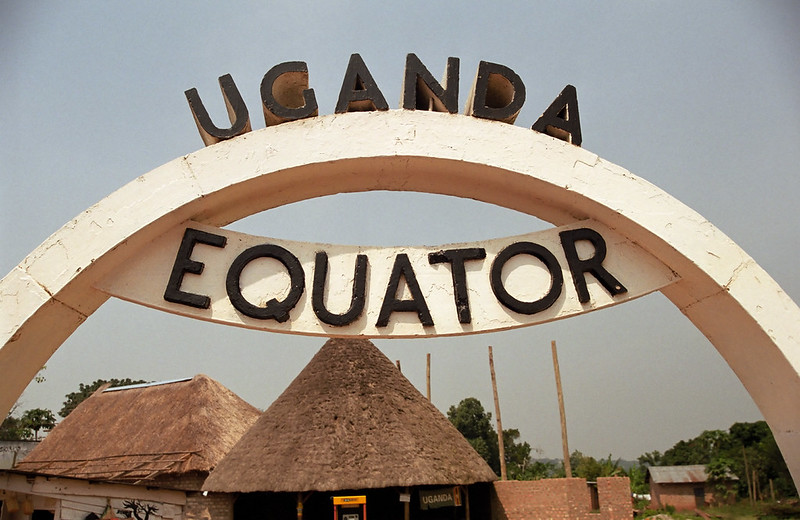
Uganda is known for its wildlife, forests, lakes and welcoming communities. However, some of the country’s most memorable experiences begin before you reach the national parks. The road from Kampala towards western Uganda offers a scenic journey filled with culture, nature, food and beautiful countryside. One of the highlights is the Uganda Equator route, which takes travellers through Kayabwe and several interesting destinations in central and western Uganda.
For travellers heading towards Lake Mburo National Park, Bwindi Impenetrable National Park, Queen Elizabeth National Park or other western destinations, this route offers much more than a simple transfer. You can stop for photographs, meet local artisans, explore natural attractions and experience parts of rural Uganda. With Zamunda Travels, travellers can also turn the journey into part of the holiday rather than treating it as a drive between destinations.
Why Explore the Uganda Equator Route?
The Uganda Equator route is popular because it combines geography, culture and scenery within one journey. The Equator crosses Uganda, and Kayabwe in Mpigi District is one of the country’s best-known Equator stops. The district government identifies the Equator Line Crossing at Kayabwe as one of its major tourism and learning sites.
The journey also gives visitors a chance to see how life changes outside Uganda’s major cities. As you leave Kampala, the landscape gradually becomes more rural. Small trading centres appear along the highway. Green gardens, roadside markets and local businesses create a lively atmosphere. Farther west, the scenery becomes more open, with rolling hills, farms and grazing cattle.
For international visitors, this road journey provides a useful introduction to Uganda. Instead of simply travelling through the countryside, you can make meaningful stops along the way. Zamunda Travels can arrange these stops as part of a Uganda safari or tailor them to your interests.
Kayabwe Equator Crossing
The most famous attraction on the Uganda Equator route is the Equator crossing at Kayabwe. Located along the Kampala-Masaka highway in Mpigi District, the site is a popular stop for travellers heading towards western and southwestern Uganda. The location provides the classic opportunity to stand with one foot in the Northern Hemisphere and the other in the Southern Hemisphere.
Photography is one of the main reasons visitors stop here. The Equator monument and surrounding facilities create an easy place to take memorable travel photographs. You can also learn more about the geographical significance of the Equator and enjoy demonstrations that explain phenomena associated with the Earth’s rotation.
The stop is also useful for shopping and refreshments. Local businesses around Kayabwe sell souvenirs and handmade crafts. Visitors can find items such as clothing, carvings and other locally produced products. Uganda’s Ministry of Tourism also recognises handicrafts and souvenirs as an important part of the country’s tourism industry because they support local employment and cultural enterprise.
A stop at Kayabwe does not have to take an entire day. A short visit can allow you to take photographs, explore the site and enjoy refreshments before continuing your journey. Zamunda Travels can include the Equator experience in longer Uganda safari itineraries.
Mpambire Drum Makers
One of the most interesting cultural experiences near the route is found at Mpambire, an area known for traditional drum making. Mpigi District specifically identifies Mpambire drum making among the area’s longstanding tourism and learning attractions.
The experience goes beyond buying a souvenir. Visitors can learn about the traditional skills used to make African drums. Artisans work with wood, animal skins and other materials to create drums of different sizes and designs. Depending on the visit, travellers may see craftsmen shaping the wooden body, preparing the skin or finishing the drum.
For visitors interested in Ugandan culture, this can be one of the most rewarding stops along the road. It also gives travellers an opportunity to support local artisans directly. Buying a handmade drum or another locally produced craft helps keep traditional skills commercially relevant.
Zamunda Travels can include a cultural stop at Mpambire when planning a road safari through western Uganda. This works particularly well for travellers who want their itinerary to include both wildlife and community experiences.
Mpanga Eco Forest
Nature lovers can also add Mpanga Eco Forest to their itinerary. The forest is located in Mpigi District, which lists Mpanga Eco Forest among the area’s tourism attractions.
The forest offers a different experience from the open landscapes found along the main highway. Its trees create a cooler environment, while the surrounding vegetation provides habitat for birds and other forest species. A forest visit can therefore complement the cultural and geographical experiences of the Equator stop.
Birdwatchers may find the forest particularly interesting. Uganda has a remarkable diversity of birdlife, and forest habitats can reveal species that visitors may not encounter in open farmland. A knowledgeable guide can make the experience more rewarding by identifying bird calls and explaining the role of the forest ecosystem.
For travellers with additional time, Zamunda Travels can help incorporate a forest experience into a broader Uganda itinerary. This is especially useful for visitors who enjoy combining wildlife, birding and cultural tourism.
Scenic Countryside and Rural Uganda
One of the attractions of the Uganda Equator route is the journey itself. You do not need to wait for a national park to begin seeing Uganda’s natural beauty. The road passes through rural communities, farms, roadside markets and changing landscapes.
The countryside becomes especially interesting after leaving the busy urban environment of Kampala. Green vegetation lines sections of the road, while farms and small settlements appear along the journey. Depending on the season, travellers may see farmers working in gardens or vendors selling fresh produce beside the highway.
The route also gives visitors a glimpse into everyday Ugandan life. Instead of seeing only major tourist attractions, you can observe how communities live and work. This makes the road journey an important part of cultural discovery.
A private safari with Zamunda Travels allows travellers to stop when there is something interesting to photograph or explore. That flexibility can make a significant difference compared with simply travelling from one destination to another.
Lukaya and Local Food Experiences
Lukaya is another useful stop when travelling towards western Uganda. The town is well known among travellers for roadside food, particularly roasted meat and chicken. Uganda Tourism Board has highlighted Lukaya as a stop where travellers can enjoy roasted nyama choma, chicken and refreshments while travelling towards western Uganda.
Food provides another way to experience the country. Rather than eating only at hotels, travellers can sample some of the casual roadside foods enjoyed by Ugandans. The atmosphere is often lively, with restaurants and food vendors serving travellers and local residents.
A food stop also breaks up a long road journey. After spending time at the Equator, you can continue towards Lukaya for refreshments before proceeding farther west. Zamunda Travels can recommend suitable stops based on your route, schedule and preferred travel style.
Lake Victoria and Nearby Wetlands
The area around Mpigi also offers access to parts of Uganda’s Lake Victoria landscape. Mpigi District has an extensive shoreline on Lake Victoria and identifies landing sites and beaches among its tourism resources.
Lake Victoria is one of Africa’s most significant lakes. Its huge water surface influences the landscapes and communities around its shores. If your itinerary allows extra time, exploring a lakeside area can add a relaxing dimension to your Uganda holiday.
The wetlands and low lying landscapes around the route also contribute to its scenery. They create habitats for birds and other wildlife while supporting local communities. Travellers who enjoy photography may find these areas particularly appealing because the landscapes change as the road continues towards western Uganda.
The Road Towards Lake Mburo National Park
For many visitors, the Equator stop is only the beginning of a longer journey towards Lake Mburo National Park. The park is one of Uganda’s most accessible savannah destinations from Kampala. It lies along the western tourism circuit and offers a combination of open savannah, wetlands, lakes and wildlife.
Lake Mburo itself is the largest of several lakes within the park. The park’s landscape includes rolling terrain, acacia woodland and wetland habitats. Visitors can see animals such as zebra, impala, buffalo and waterbuck. The park is also known for birdwatching. Tourism Uganda notes that more than 300 bird species have been recorded there.
Lake Mburo also offers activities that are less common in other Ugandan parks. These include guided walks and horseback experiences. Boat trips on Lake Mburo provide another perspective of the landscape, with opportunities to see hippos, crocodiles and water birds.
For travellers continuing to western Uganda, Lake Mburo makes an excellent addition to an itinerary. Zamunda Travels can combine the Equator experience with wildlife activities in Lake Mburo before continuing towards destinations such as Bwindi or Queen Elizabeth National Park.
Ankole Cattle and Western Uganda’s Changing Landscape
As the journey continues west, the landscape begins to reflect the character of southwestern Uganda. Travellers may encounter cattle farms and open countryside. The long-horned Ankole cattle are an important cultural symbol in the region.
The contrast between central Uganda and the Ankole landscape makes the journey visually interesting. The countryside becomes more open in places, while hills and grasslands create a different atmosphere from the forests around Kampala and Mpigi.
This is also where a road safari begins to feel like a wider exploration of Uganda. The drive is not simply about reaching the next lodge. It becomes an opportunity to observe landscapes, communities and local livelihoods.
With Zamunda Travels, travellers can plan photographic stops along the journey. However, stops should always respect local communities and private property.
Cultural Experiences Along the Route
The Uganda Equator route is particularly valuable for travellers who want more than wildlife. Cultural attractions such as Mpambire’s traditional drum making provide direct contact with local skills and traditions. Meanwhile, markets and roadside businesses offer glimpses into everyday life.
Cultural tourism also creates opportunities for communities to benefit from visitors. Purchasing locally made crafts, eating at local establishments and using local guides can help spread tourism income beyond large hotels and national parks.
Uganda’s tourism authorities have continued to promote cultural and community-based tourism as part of the country’s wider tourism offering. The development of handicrafts and souvenirs is also linked to employment and economic opportunities for local communities.
For this reason, Zamunda Travels encourages travellers to approach cultural stops with curiosity and respect. Ask questions, learn from local guides and support genuine community businesses whenever possible.
Best Way to Explore the Uganda Equator Route
The easiest way to explore the Uganda Equator route is by private vehicle with a knowledgeable driver-guide. A private safari gives you greater flexibility than a fixed transfer. You can stop for photographs, cultural experiences, food and short nature visits without rushing through each attraction.
The route is particularly convenient for travellers beginning in Kampala or Entebbe and continuing towards western Uganda. It can form part of a safari that includes Lake Mburo, Bwindi Impenetrable National Park, Queen Elizabeth National Park or other destinations.
The right itinerary depends on how much time you have. A short stop at Kayabwe works well for travellers with a tight schedule. If you have more time, you can add Mpambire, Mpanga Eco Forest or a community experience.
Zamunda Travels can design the route around your interests. A photographer may want more time for landscapes. A cultural traveller may prefer Mpambire and local communities. A wildlife enthusiast may combine the Equator stop with Lake Mburo or another national park.
When to Travel This Scenic Route
The route can be travelled throughout the year. However, weather can influence road conditions, scenery and outdoor activities. Uganda has a generally warm tropical climate, but rainfall varies across regions and seasons.
For travellers continuing towards national parks, the timing of the entire safari matters more than the Equator stop alone. Your preferred activities should guide the planning process. For example, travellers interested in wildlife, gorilla trekking or birdwatching may choose their dates based on the conditions expected at their main destinations.
Because the Equator crossing is accessible by road, it can also be included as a stop on many different itineraries. Zamunda Travels can help you choose a route that balances driving time with sightseeing.
Why Add the Equator to a Uganda Safari?
The Equator is more than a place to take a photograph. It introduces visitors to Uganda’s geography while connecting them with the culture and landscapes found along the western highway.
A stop at Kayabwe can also break up a long journey. Instead of spending several hours inside a vehicle without stopping, travellers can stretch their legs, enjoy refreshments and explore local businesses.
More importantly, the surrounding attractions allow you to experience different sides of Uganda. You can see traditional craftsmanship at Mpambire, explore forest environments at Mpanga and enjoy wildlife farther west at Lake Mburo.
This combination makes the Uganda Equator route a valuable part of a wider Uganda holiday. Zamunda Travels can incorporate these experiences into tailor-made safaris for couples, families, groups and solo travellers.
Plan Your Uganda Equator Route with Zamunda Travels
The journey through Uganda’s countryside can be just as memorable as the destinations at the end of the road. From the Equator monument at Kayabwe to traditional drum makers, forests, local food stops and the landscapes leading towards Lake Mburo, the route offers plenty of reasons to slow down and explore.
The biggest advantage is flexibility. You can choose a quick Equator stop or create a full day of experiences before continuing west. You can also combine the journey with wildlife and cultural destinations to create a more complete Uganda safari.
Zamunda Travels can help you plan a personalised journey along the Uganda Equator route, whether you are travelling to Lake Mburo, Bwindi, Queen Elizabeth National Park or another destination in western Uganda. With the right itinerary, the road becomes part of the adventure rather than simply a connection between destinations.
In conclusion, Uganda’s scenic Equator route offers much more than the famous line crossing. It brings together geography, culture, food, forests, countryside and wildlife experiences. A journey with Zamunda Travels allows you to discover these attractions at a comfortable pace while experiencing the beauty and character of Uganda beyond its famous national parks.