
What to See Along Uganda’s Scenic Equator Route
August 23, 2026
A Complete Guide to Kalinzu Forest
August 23, 2026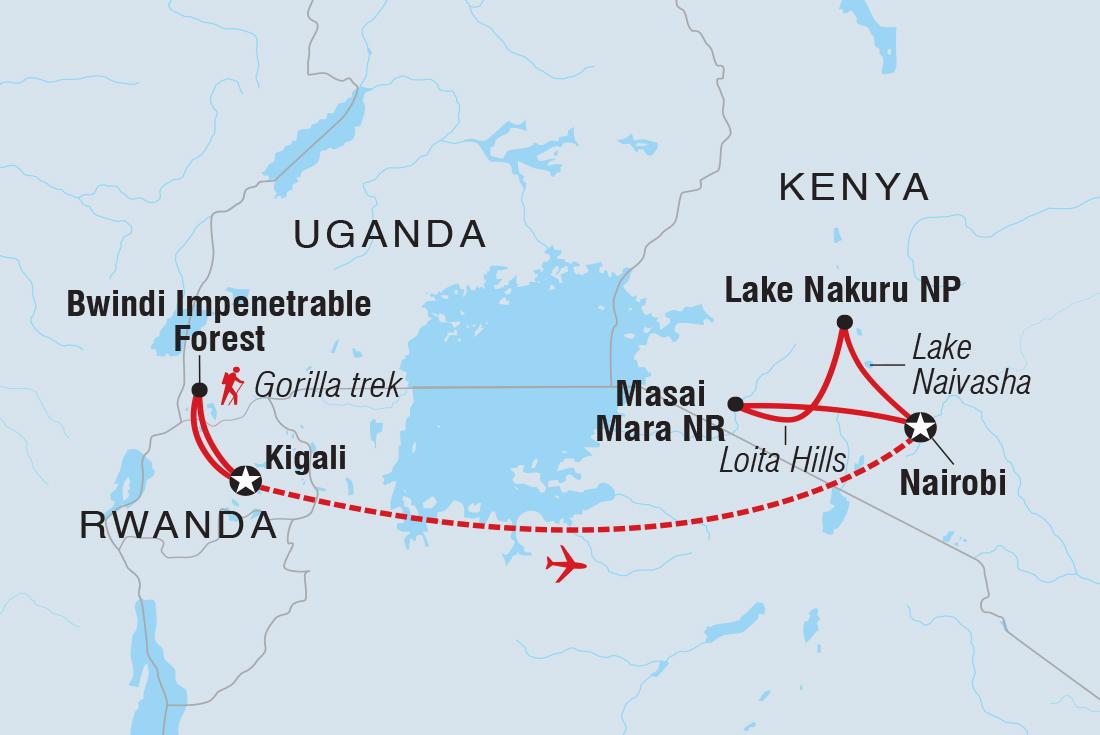
If you are planning to explore more than one destination in East Africa, understanding the East African visa can make your journey much easier. The East Africa Tourist Visa is a joint tourist visa that allows eligible international travelers to visit Uganda, Kenya and Rwanda under one visa. It is especially useful for travelers who want to combine experiences such as Uganda gorilla trekking, Kenya wildlife safaris and Rwanda’s mountain and cultural attractions without applying for separate tourist visas for each country. The visa costs US$100, remains valid for 90 days, and allows multiple entries within the three participating countries during its validity.
For travelers arranging a multi-country safari, Zamunda Travels can help coordinate the route, accommodation, transportation and activities around the visa requirements. This is particularly useful when a trip crosses borders between Uganda, Rwanda and Kenya. However, travelers should always check the latest immigration requirements before departure because visa rules can change.
What Is the East African Visa?
The East African visa, officially known as the East Africa Tourist Visa, is a joint tourism visa for Uganda, Kenya and Rwanda. Instead of obtaining an individual tourist visa for each of these three countries, an eligible visitor can use one East Africa Tourist Visa for tourism across the participating destinations. Uganda’s Directorate of Citizenship and Immigration Control confirms that the visa is intended for tourism, permits multiple travel within the three-country bloc, costs US$100 and is valid for 90 days.
This arrangement is particularly valuable for travelers who want to experience several sides of East Africa during one holiday. For example, a traveler could begin in Rwanda, cross into Uganda for gorilla trekking in Bwindi Impenetrable National Park, continue to Queen Elizabeth National Park for wildlife viewing, and later travel to Kenya for a safari. With careful planning, one visa can simplify the immigration process for the participating countries.
It is important to understand that the East Africa Tourist Visa is specifically for tourism. It does not give visitors permission to work or take up employment in Uganda, Rwanda or Kenya. Uganda’s immigration authority explicitly states that employment is prohibited under the joint tourist visa.
East African Visa Countries: Uganda, Kenya and Rwanda
The East African visa currently covers Uganda, Kenya and Rwanda. These are the three countries that participate in the joint tourist visa arrangement. Uganda’s immigration authority describes it as a joint tourist visa that allows travel to Uganda, Kenya and Rwanda only.
This means the visa should not be treated as a general visa for every East African Community country. Travelers planning to include destinations such as Tanzania or Burundi should check the separate immigration requirements for those countries before finalizing their itinerary.
For a safari holiday, however, Uganda, Rwanda and Kenya offer an impressive combination. Uganda is well known for gorilla and chimpanzee experiences, wildlife safaris and the River Nile. Rwanda offers gorilla trekking, Kigali, Nyungwe Forest and Lake Kivu. Kenya adds famous wildlife destinations such as the Maasai Mara and Amboseli. Combining these destinations can create a much broader East African travel experience.
Zamunda Travels can also help travelers structure a practical itinerary around border crossings. This matters because the order of countries can affect where you should apply for the visa.
How Long Is the East African Visa Valid?
The East African visa is valid for 90 days. Uganda’s immigration information states that the visa is granted for three months and cannot be extended within the country. Rwanda’s immigration authority also confirms that the East Africa Tourist Visa costs US$100, is valid for 90 days and allows multiple entry when the traveler remains within Uganda, Kenya and Rwanda.
The 90-day period makes the visa suitable for both short holidays and longer multi-country adventures. A traveler could spend several weeks exploring Uganda before continuing to Rwanda and Kenya. Still, the visa does not provide unlimited time in each country. The overall validity remains 90 days from issuance.
Travelers should also pay attention to the visa’s geographical limits. The multiple-entry benefit applies within the participating countries. Leaving the Uganda-Kenya-Rwanda travel area can affect the validity of the joint visa, so travelers planning additional destinations should confirm the rules before crossing into another country.
East African Visa Cost
The East African visa cost is US$100. This is the standard fee stated by Uganda and Rwanda’s immigration authorities for the joint tourist visa.
The US$100 fee can offer good value for travelers visiting two or three participating countries. Applying for separate visas can be more complicated when an itinerary includes several destinations. The joint visa reduces that burden by providing a single tourism authorization for Uganda, Kenya and Rwanda.
Visa fees are generally non-refundable. Uganda’s immigration authority specifically states that visa fees are non-refundable and that payments may also be subject to bank charges.
Because immigration fees and procedures can change, travelers should verify the current fee before making payment. Zamunda Travels can guide clients through the general application process and help them understand how the visa fits into their safari itinerary, but the final immigration decision remains with the relevant government authority.
East African Visa Requirements
Travelers applying for the East African visa should prepare their documents before starting the application. Uganda’s official requirements include a passport biodata page with at least six months of validity, a recent passport-size photograph, a yellow fever vaccination certificate, a return ticket and a travel itinerary.
A valid passport is one of the most important requirements. Uganda specifies that the passport should have at least six months of validity. Travelers should therefore check their passport before booking an international trip. It is also wise to keep several blank pages available for immigration purposes.
The travel itinerary is also important. Immigration authorities may want to understand the purpose and planned movement of the traveler. A well-prepared itinerary can show the intended destinations, accommodation and travel dates. This is especially relevant for travelers visiting several countries during the same holiday.
The yellow fever vaccination certificate is another important document listed by Uganda for the joint visa. Travelers should confirm current health entry requirements before departure because health regulations can change.
How to Apply for the East African Visa
The application process depends on the country through which the traveler applies. Uganda makes the East African visa available through its online immigration portal. Applicants select the East Africa Tourist Visa category, complete the application, upload the required documents and make the required payment.
Uganda’s immigration authority explains that applicants should create a new application, accept the terms, select the visa category, complete the form and upload the required documents. After payment and approval, the applicant receives an approval letter through the immigration system.
Rwanda also provides an option to apply for the East Africa Tourist Visa online. Rwanda’s Directorate General of Immigration and Emigration states that travelers visiting Rwanda, Kenya and Uganda for tourism can apply online, upon arrival or through Rwandan diplomatic missions abroad.
However, there is an important rule to remember. If you obtain the visa before traveling, your first entry point should be the country that issued the visa. For example, if Uganda issues your East Africa Tourist Visa before your trip, Uganda should be your first country of entry. Rwanda provides the same guidance for applications made through Rwanda.
This is one reason why travelers should decide their route before applying. Zamunda Travels can help clients organize a logical itinerary so that the visa application and first entry point match the planned journey.
Can You Enter Uganda, Rwanda and Kenya Multiple Times?
Yes. The East African visa is designed for multiple travel between Uganda, Rwanda and Kenya during its 90-day validity. Uganda states that the joint visa can be used multiple times for tourism, while Rwanda confirms that it is multiple entry when the traveler remains within the three participating countries.
This is useful for travelers who want to move between countries more than once. For instance, a traveler could start in Rwanda, enter Uganda for a gorilla trekking experience, return to Rwanda, and then continue to Kenya, provided the travel remains within the visa’s rules and validity period.
The important point is that multiple entry does not mean unlimited travel outside the participating countries. The visa is tied to the Uganda-Kenya-Rwanda tourism arrangement. Therefore, travelers should confirm the immigration requirements before adding another country to their route.
East African Visa and Uganda Gorilla Trekking
For travelers interested in gorilla trekking, the East African visa can make a Uganda-Rwanda combination easier to organize. Uganda is home to mountain gorillas in Bwindi Impenetrable National Park and Mgahinga Gorilla National Park, while Rwanda offers gorilla trekking in Volcanoes National Park.
A traveler arriving in Uganda can combine gorilla trekking with other experiences such as chimpanzee tracking in Kibale National Park, wildlife viewing in Queen Elizabeth National Park or a visit to Murchison Falls National Park. Travelers can then continue into Rwanda or Kenya as part of a wider regional safari.
However, the East Africa Tourist Visa does not include the cost of gorilla permits, park entry fees, accommodation, transportation or other safari activities. These are separate travel expenses. Zamunda Travels can help combine the visa requirements with the rest of the safari arrangements so that travelers understand the total cost of their holiday.

East African Visa for a Uganda and Rwanda Safari
A Uganda and Rwanda safari is one of the most popular ways to use the joint visa. The two countries are geographically close, and travelers can cross between them through established border points such as Cyanika and Katuna.
A multi country itinerary can begin in Kigali and continue into southwestern Uganda for gorilla trekking. From there, travelers can explore Queen Elizabeth National Park or Kibale National Park before continuing with other Ugandan destinations. Alternatively, visitors can begin in Uganda and cross into Rwanda later in their trip.
The right route depends on the traveler’s international flights, safari interests and available time. Zamunda Travels can design the itinerary around these factors rather than treating the visa as a separate part of the trip.
East African Visa for Kenya, Uganda and Rwanda Safaris
Travelers with more time can combine all three countries. A longer safari might include Kenya’s Maasai Mara, Rwanda’s Volcanoes National Park and Uganda’s Bwindi Impenetrable National Park.
This combination offers a diverse range of experiences. Kenya is renowned for large wildlife populations and open savannah landscapes. Rwanda provides a compact destination with strong opportunities for primate and cultural experiences. Uganda adds forest trekking, traditional wildlife safaris and varied landscapes.
The East African visa makes this type of itinerary more convenient because travelers do not need to obtain a separate tourist visa for each participating country when they qualify for the joint visa. Still, travelers must meet each country’s border-entry rules and carry their relevant travel documents.
Do You Need an East African Visa for Kenya?
Not every traveler needs the joint visa to enter Kenya. Kenya currently operates an Electronic Travel Authorisation system, while citizens of East African Community partner states are exempt from obtaining an eTA under Kenya’s current rules.
For international tourists, the choice between a Kenyan travel authorization and the joint East Africa Tourist Visa depends on the planned itinerary. Someone visiting Kenya alone may not need the East Africa Tourist Visa. However, someone planning to combine Kenya with Uganda and Rwanda may find the joint visa more convenient.
Kenya’s official eTA information also states that travelers should have documents such as a passport valid for at least six months, a passport-style photograph, contact details, travel itinerary and accommodation information when applying for an eTA.
Because Kenya’s entry system has changed in recent years, travelers should check the official Kenyan immigration information before departure.
Do You Need an East African Visa for Rwanda?
The need for an East African visa depends on the traveler’s nationality and itinerary. Rwanda provides visa-on-arrival access for citizens of all countries, although fees and visa conditions vary. Rwanda also states that citizens of East African Community member states receive entry permission without a visa fee for stays of up to six months.
For international visitors planning to combine Rwanda with Uganda and Kenya, the joint East Africa Tourist Visa can be a convenient option. Travelers should apply through the appropriate channel and ensure that the first-entry rule is followed when the visa is obtained before travel.
Zamunda Travels can help travelers determine how Rwanda fits into their wider itinerary. This is particularly helpful for visitors who want to combine Kigali with gorilla trekking in Uganda or a longer East African safari.
What the East African Visa Does Not Cover
The East African visa is a tourism visa. It does not replace other permits or payments required for specific activities.
For example, a gorilla trekking permit is separate from the visa. Chimpanzee permits, national park fees, accommodation, airport transfers and domestic flights are also separate costs. The same applies to specialized activities such as wildlife photography permits or other regulated experiences.
The visa also does not permit employment. Uganda’s official information clearly states that the East Africa Tourist Visa is issued for tourism and prohibits employment.
Travelers visiting for business, employment, study or other purposes should therefore check the appropriate immigration category instead of assuming that a tourist visa covers every activity.
Common Mistakes to Avoid When Applying
One common mistake is applying for the visa through an unofficial website. Uganda’s immigration authority has warned travelers about fraudulent electronic visa websites and advises applicants to use the official government immigration portal.
Another mistake is ignoring the first-entry requirement. If you apply for the joint visa through Uganda before travel, Uganda should be your first entry point. Rwanda gives similar guidance for visas issued through its system.
Travelers should also avoid submitting incomplete documents. Check the passport validity, photograph, itinerary, return ticket and yellow fever certificate where required. Keep digital and printed copies of important travel documents as an additional precaution.
Finally, do not assume that the joint visa covers every East African country. It is currently a visa arrangement for Uganda, Kenya and Rwanda. If your itinerary includes additional countries, check their immigration requirements separately.
Planning Your East African Holiday With Zamunda Travels
Planning a multi-country safari involves more than securing a visa. Travelers must coordinate flights, border crossings, accommodation, safari activities, park fees and transportation. A small mistake in the order of destinations can also create unnecessary complications.
Zamunda Travels helps travelers plan Uganda and Rwanda holidays that combine wildlife, primates, culture and scenic experiences. The company can also help travelers understand how the East Africa Tourist Visa fits into their itinerary.
For example, a traveler could arrange a Uganda gorilla trekking safari and then continue to Rwanda. Another option is to combine Uganda wildlife destinations with Rwanda and later continue to Kenya. The best route depends on the number of days available, preferred activities and international flight arrangements.
A well-planned itinerary also reduces unnecessary border crossings. This can save time and make the holiday more comfortable. Travelers should therefore consider the visa requirements at the same time as they plan their safari route.
Frequently Asked Questions About the East African Visa
How much does the East African visa cost?
The East Africa Tourist Visa costs US$100. The fee is confirmed by both Uganda and Rwanda’s official immigration information.
How long is the East African visa valid?
The visa is valid for 90 days. It allows multiple travel between Uganda, Kenya and Rwanda during the validity period, subject to the visa conditions.
Can I use the visa to work?
No. The East Africa Tourist Visa is for tourism. Uganda’s immigration authority states that employment is prohibited under the visa.
Can I visit Tanzania with the East African visa?
No. The joint visa currently covers Uganda, Kenya and Rwanda. Travelers visiting Tanzania should check Tanzania’s separate immigration requirements.
Can I apply for the visa online?
Yes. Uganda provides an online application through its immigration portal. Rwanda also provides an online application option for the East Africa Tourist Visa.
Which country should I enter first?
If you obtain the visa before travel, your first entry point should normally be the country that issued it. Uganda and Rwanda both state this requirement in their official guidance.
Is the East African visa renewable?
Uganda’s official guidance states that the joint visa is valid for 90 days and is not extendable within the country.
In conclusion,
The East African visa is one of the most useful options for travelers who want to explore Uganda, Kenya and Rwanda on one holiday. With a US$100 fee, 90-day validity and multiple-entry travel within the three participating countries, it can simplify planning for a regional safari.
For travelers interested in gorilla trekking, wildlife safaris, cultural experiences and scenic journeys, the visa can make it easier to build a broader East African adventure. However, travelers should confirm the latest immigration rules before departure and use official government application channels. With careful planning and support from Zamunda Travels, visitors can combine Uganda, Rwanda and Kenya into a well-organized safari experience.