East African Visa
August 23, 2026
A Complete Guide to Lake Kivu in Rwanda
August 24, 2026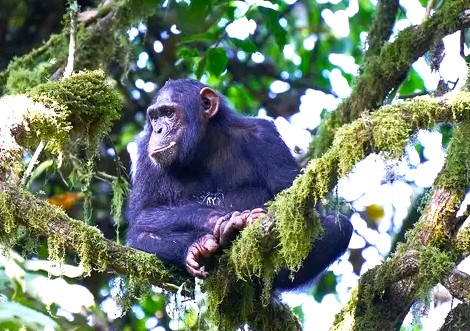
Kalinzu Forest is one of Uganda’s most rewarding destinations for travelers who want to experience a tropical rainforest, encounter wild chimpanzees, and explore a quieter side of the country’s western tourism circuit. Located in southwestern Uganda near Bushenyi and close to Queen Elizabeth National Park, the forest offers a combination of chimpanzee tracking, bird watching, nature walks, primate viewing, and scenic forest trails. Its location also makes it easy to combine with a wider Uganda safari. Travelers can visit Kalinzu Forest before or after exploring Queen Elizabeth National Park, Kibale Forest, Bwindi Impenetrable National Park, or other attractions in western Uganda. For visitors who prefer authentic experiences away from busy tourist routes, the forest provides an excellent opportunity to enjoy Uganda’s natural environment at a slower pace.
Zamunda Travels recommends Kalinzu Forest for travelers who want to add a forest experience to a western Uganda safari. The destination is especially attractive to visitors interested in chimpanzees but who also want to explore other parts of the forest ecosystem. Unlike a traditional savannah safari, a visit here takes you beneath a thick forest canopy. You walk through trees, listen for primate calls, watch birds moving through the vegetation, and follow established trails through a living rainforest. This makes the experience very different from a game drive in Queen Elizabeth National Park.
Where Is Kalinzu Forest Located?
Kalinzu Forest is located in southwestern Uganda, mainly within Bushenyi District, with parts of the wider forest landscape extending toward Rubirizi District. It lies along the Bushenyi–Kasese road and close to Queen Elizabeth National Park. Bushenyi District identifies the forest as an important tourism resource and places it at approximately 375 kilometres from Kampala by road.
The forest occupies an important position within Uganda’s western tourism circuit. Its location allows travelers to combine a forest adventure with a safari in Queen Elizabeth National Park. Visitors can also connect a Kalinzu Forest experience with journeys toward Bwindi Impenetrable National Park. This makes the destination particularly useful when planning a multi-destination Uganda itinerary.
The forest forms part of a broader landscape of forests, wetlands, farmland, wildlife habitats, and protected areas. Its proximity to Queen Elizabeth National Park adds another advantage because travelers can experience both rainforest and savannah environments during the same trip. Zamunda Travels can therefore include Kalinzu Forest in a western Uganda safari when the itinerary allows enough time for chimpanzee tracking or nature walks.
Why Is Kalinzu Forest Important?
Kalinzu Forest is important because it protects a rich tropical forest ecosystem in southwestern Uganda. The forest contains a wide range of trees, shrubs, birds, butterflies, primates, and other wildlife. Tourism also creates an opportunity to demonstrate the economic value of protecting natural habitats.
The National Forestry Authority manages Kalinzu as a Central Forest Reserve. NFA’s current forest management information lists Kalinzu among its Forest Management Plan areas. NFA has also established forest committees to strengthen community participation and sustainable management around Kalinzu and nearby Kasyoha-Kitomi.
Research published on Kalinzu’s ecotourism development also shows the importance of the reserve for chimpanzee tourism and forest conservation. The research notes that chimpanzee ecotourism began in the reserve in the late 1990s. It also identifies an established network of trails used for chimpanzee viewing.
This conservation role gives a visit to Kalinzu Forest a deeper meaning. You are not simply entering a beautiful forest. You are visiting an ecosystem that supports wildlife, local livelihoods, research, tourism, and conservation.
What Makes Kalinzu Forest Special?
One of the biggest attractions of Kalinzu Forest is its combination of chimpanzees, other primates, birds, butterflies, and forest scenery. Sources describing the reserve record hundreds of tree and shrub species, alongside hundreds of bird and butterfly species. Bushenyi District, for example, records 414 tree species, 379 bird species, and 262 butterfly species in its tourism information.
The forest also provides habitat for several primate species. Visitors may encounter chimpanzees, black-and-white colobus monkeys, blue monkeys, vervet monkeys, and L’Hoest’s monkeys. However, wildlife remains wild, so sightings can never be guaranteed.
Another feature that makes Kalinzu special is its forest atmosphere. The dense canopy reduces direct sunlight in many areas. As a result, visitors often experience a cooler and more shaded environment than they would in the open savannah. The soundscape also changes as you move deeper into the forest. Bird calls, insects, leaves, and primate vocalisations become part of the experience.
For Zamunda Travels, this makes Kalinzu a strong choice for travelers who want more than the classic Big Five safari. It adds a primate and rainforest dimension to an itinerary.
Chimpanzee Trekking in Kalinzu Forest
Chimpanzee trekking is the main reason many travelers visit Kalinzu Forest. The activity involves walking through the forest with trained guides and trackers in search of habituated chimpanzees. Unlike a zoo experience, the animals move freely through their natural habitat. They can travel through trees, cross forest trails, feed, rest, groom one another, and communicate with different vocalisations.
Recent research on Kalinzu confirms that chimpanzee tourism is one of the reserve’s established ecotourism activities. The forest currently has dedicated trails for chimpanzee viewing.
A typical trek begins with a briefing before visitors enter the forest. Guides explain the walking route, safety procedures, and responsible wildlife-viewing practices. Once the group enters the forest, trackers use signs and calls to determine where the chimpanzees may have moved.
The trek can take several hours because chimpanzees are mobile animals. Their location changes according to food availability, social behaviour, and movement patterns. You should therefore prepare for a genuine forest walk rather than a short wildlife viewing excursion.
Zamunda Travels advises travelers to wear comfortable hiking shoes and carry water, insect repellent, and suitable clothing. Long trousers and a lightweight long-sleeved shirt can provide useful protection against vegetation and insects. A walking stick can also help on muddy or uneven sections of the trail.
What Can You See During Chimpanzee Trekking?
Chimpanzees remain the main attraction, but the forest offers much more than chimpanzee sightings. During a trek, you may encounter other primates moving through the canopy or along the forest floor. These can include black-and-white colobus monkeys, blue monkeys, vervet monkeys, and L’Hoest’s monkeys.
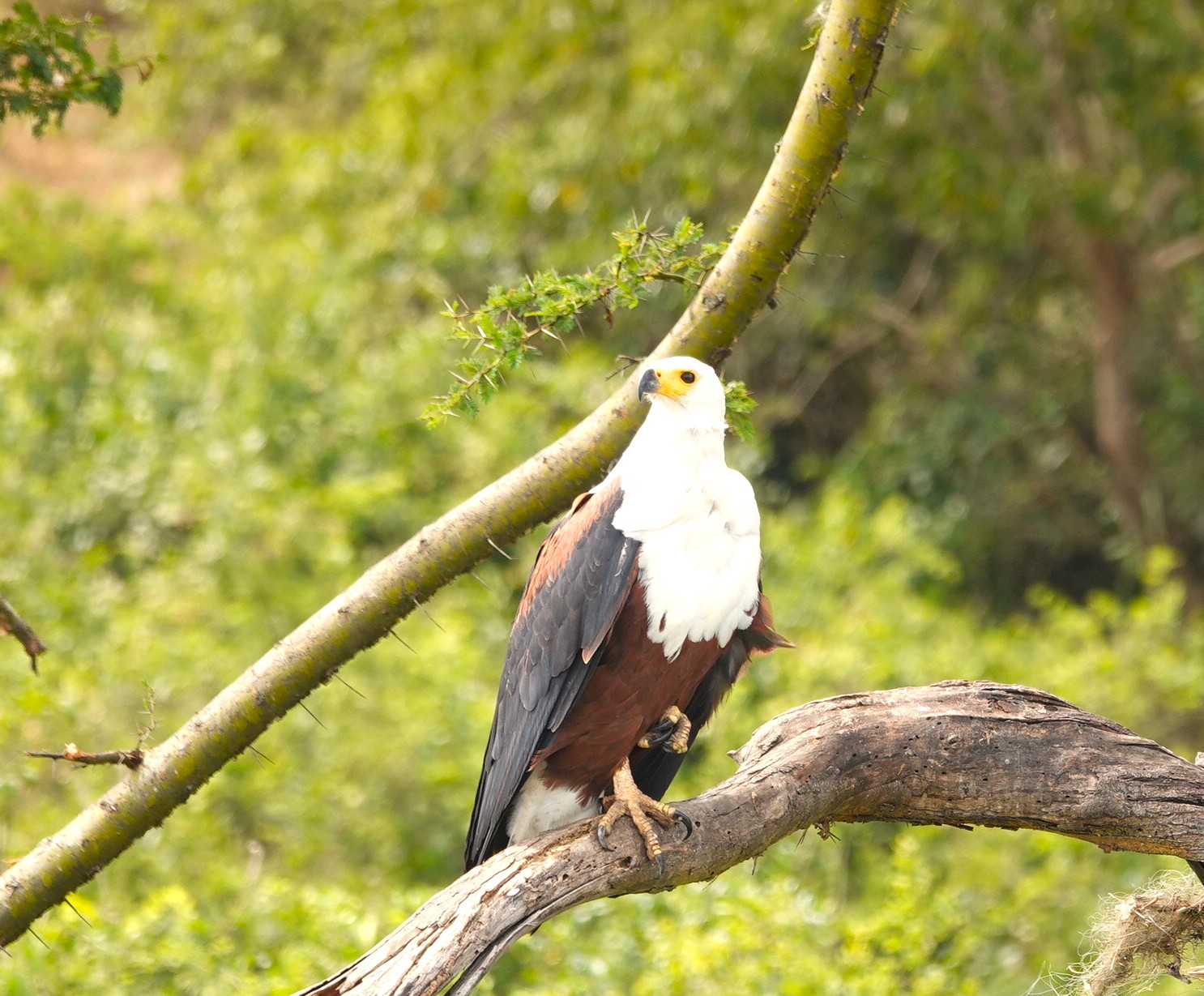
Birdwatchers also have plenty to look for. Recorded species include the Great Blue Turaco, sunbirds, cuckoos, and other forest birds. The dense vegetation means that bird watching requires patience. Some birds remain high in the canopy, while others move through shrubs and lower vegetation.
Butterflies add another visual element to the experience. Kalinzu’s large number of recorded butterfly species reflects the richness of its forest ecosystem. The combination of trees, flowers, insects, birds, and primates makes even a trek without a close chimpanzee encounter worthwhile.
Kalinzu Forest Nature Walks
Nature walks provide another excellent way to explore Kalinzu Forest. They allow travelers to focus on the wider ecosystem instead of concentrating only on chimpanzees. A guided walk can introduce you to forest trees, medicinal plants, insects, birds, primates, streams, and different types of vegetation.
Some established descriptions of Kalinzu mention trails leading through valleys, ridges, palms, and waterfall areas. Bushenyi District also highlights forest walks, valley trails, river trails, and longer routes within the reserve.
Nature walks can suit travelers who have already completed chimpanzee trekking or those who want a more relaxed forest experience. They can also work well for photographers, birdwatchers, students, researchers, and travelers who enjoy learning about ecosystems.
With Zamunda Travels, nature walks can be combined with other western Uganda activities. For example, you can spend part of the day exploring the forest and then continue toward Queen Elizabeth National Park for an evening game drive or lodge stay.
Bird Watching in Kalinzu Forest
Bird watching is one of the most rewarding activities for visitors who take time to explore the forest slowly. Kalinzu supports a wide variety of forest birds, and published local tourism information records hundreds of bird species.
The Great Blue Turaco is one of the birds that many visitors hope to see. Other possibilities include sunbirds and cuckoos. However, forest birding differs from open-country birding. Birds may remain hidden in thick vegetation, so an experienced guide can make a major difference.
Early mornings are usually productive for bird watching because many species become active around this time. A pair of binoculars can greatly improve the experience. A camera with a suitable lens can also help you photograph birds that remain high in the canopy.
Zamunda Travels can include bird watching in a customized western Uganda itinerary for travelers who want to combine primates, wildlife, and birding.
Other Primates in Kalinzu Forest
Chimpanzees receive most of the attention, but Kalinzu Forest supports a broader primate community. Black and white colobus monkeys can sometimes be seen moving through the trees. Blue monkeys and vervet monkeys also occur in the forest. L’Hoest’s monkeys are another interesting species recorded in the reserve.
These encounters make forest walks unpredictable in a positive way. You may enter the forest expecting chimpanzees and instead spend several minutes watching monkeys move through the canopy. This variety is one of the reasons a guided walk can be so rewarding.
Visitors should avoid feeding or approaching wildlife. Responsible tourism protects animals and helps maintain natural behaviour.
Trails and Hiking Experiences
Kalinzu Forest offers different trail experiences for visitors. The trails pass through dense vegetation, valleys, ridges, and areas of ecological interest. Some routes can become muddy after rain, so appropriate footwear is essential.
Bushenyi District describes a Palm Trail of about five kilometres and a longer Waterfall Trail of about eleven kilometres. It also highlights river and valley trails within the forest.
The difficulty of a walk depends on the selected route, weather, and fitness level. Travelers should not assume that a forest walk will always be easy. Slippery ground, roots, slopes, and dense vegetation can make sections physically demanding.
Zamunda Travels recommends discussing your preferred activity level when planning your safari. This allows the itinerary to match your fitness, interests, and available time.
When Is the Best Time to Visit Kalinzu Forest?
Kalinzu Forest can be visited throughout the year. However, weather conditions can affect the walking experience. During wetter periods, forest trails can become muddy and slippery. Rain can also make photography more challenging.
Drier periods can provide easier walking conditions, although rain remains possible because Kalinzu is a rainforest environment. Travelers should therefore prepare for changing weather regardless of the season.
For chimpanzee trekking, the most important factor is not simply choosing a dry month. Chimpanzees remain wild and mobile throughout the year. Your experience depends on their location and behaviour on the day of your trek.
Zamunda Travels can help travelers choose suitable travel dates based on their wider Uganda safari plans. This approach is better than planning Kalinzu in isolation because western Uganda offers many attractions that can be combined into one journey.
How to Get to Kalinzu Forest
Most travelers reach Kalinzu Forest by road. From Kampala, the journey covers roughly 375 kilometres and generally takes around six to seven hours, depending on traffic, road conditions, and stops. The route passes through Uganda’s western corridor toward Mbarara and Bushenyi.
Travelers already visiting Queen Elizabeth National Park can add Kalinzu more easily because the reserve is located close to the park. This makes it particularly convenient for safari itineraries that include chimpanzee tracking and traditional wildlife viewing.
The final access roads can differ from the major highways, so travelers should consider the weather and road conditions when choosing a vehicle. A private safari vehicle also gives you more flexibility because you can leave your lodge early enough for morning activities.
Zamunda Travels provides private safari transport and can arrange the journey according to the wider itinerary. This removes the need for travelers to organize several separate transfers.
How Far Is Kalinzu Forest from Kampala?
The distance from Kampala to Kalinzu Forest is approximately 375 kilometres by road. Bushenyi District gives a similar distance and estimates the journey at about five hours under its stated travel conditions, while other tourism sources estimate around six to seven hours depending on traffic and stops.
The difference in travel time shows why travelers should avoid planning a tight schedule around a single estimated driving time. Road conditions, traffic, stopovers, weather, and the exact starting point can all affect the journey.
For international visitors, Zamunda Travels normally recommends allowing enough time for comfort rather than treating the drive as a race. A stopover in Mbarara or another suitable location can also make the journey more enjoyable.
How Far Is Kalinzu Forest from Queen Elizabeth National Park?
Kalinzu Forest lies close to Queen Elizabeth National Park, which makes it one of the easiest forest excursions to add to a western Uganda safari. Tourism sources commonly describe the reserve as being roughly 40 kilometres from parts of Queen Elizabeth National Park, although the exact distance depends on the starting point and route.
This proximity creates an excellent combination. You can spend one part of your trip watching chimpanzees beneath the rainforest canopy and another part searching for elephants, lions, buffaloes, antelopes, and other wildlife on the savannah.
The contrast between the two environments makes the western Uganda circuit particularly attractive. Zamunda Travels can structure the itinerary so that forest trekking and savannah game viewing complement each other.
Where to Stay When Visiting Kalinzu Forest
Accommodation inside or immediately around Kalinzu is more limited than in major safari destinations such as Queen Elizabeth National Park. Older local tourism information describes basic camping options around the forest and recommends accommodation in nearby towns such as Bushenyi and Ishaka for travelers who prefer conventional lodging.
Many travelers therefore choose to stay at a lodge or hotel in the wider Bushenyi, Ishaka, or Queen Elizabeth National Park area. The best choice depends on whether Kalinzu is the main purpose of the trip or one stop within a larger safari.
If chimpanzee trekking is scheduled for early morning, staying relatively close to the forest can make the day more comfortable. Zamunda Travels can recommend accommodation based on budget, location, safari style, and the other destinations included in your itinerary.
How Much Does Chimpanzee Trekking in Kalinzu Cost?
Chimpanzee trekking prices in Kalinzu Forest can change, and travelers should confirm the current fee before booking. Some online sources still display older permit figures, including a historical figure of USD 50, so visitors should not rely on outdated prices when preparing a current safari budget.
This is especially important because Kalinzu operates under a different management structure from Uganda’s national parks. The reserve is managed by the National Forestry Authority, while Uganda Wildlife Authority manages the country’s national parks and wildlife reserves. NFA publishes information on Central Forest Reserves and their management.
For an accurate quotation, Zamunda Travels can confirm the applicable chimpanzee trekking fees, guiding arrangements, transport, accommodation, and other safari costs before the trip. This gives travelers a clearer total budget instead of relying on figures copied from older travel websites.
What Should You Pack for Kalinzu Forest?
A good packing list can make your forest experience much more comfortable. Start with strong hiking shoes because trails can become muddy and uneven. Lightweight trousers and long-sleeved shirts can protect your skin from vegetation and insects. A waterproof jacket is also useful because rain can occur in a rainforest environment.
Bring enough drinking water for the trek. In addition, pack insect repellent, sunscreen, a hat, binoculars, and a camera if photography is important to you. Keep your equipment protected from rain and moisture.
Travelers should also carry a small backpack rather than a large suitcase during the trek. Avoid unnecessary items because you may need to walk for several hours. Zamunda Travels can provide additional packing advice based on the season and the other activities included in your Uganda safari.
Is Kalinzu Forest Safe to Visit?
Kalinzu Forest can be visited as part of an organized tourism experience, but visitors should follow their guide’s instructions throughout the activity. Forest environments contain uneven trails, slippery surfaces, insects, and wild animals. These factors require visitors to remain alert.
Always stay with your guide and follow established trails. Do not approach animals, feed wildlife, or attempt to follow chimpanzees independently. Responsible behaviour protects both visitors and wildlife.
Because chimpanzees are great apes, disease transmission between humans and animals is also an important conservation concern. Recent research on Kalinzu highlights the need for appropriate practices that reduce disease risks around great apes.
Zamunda Travels works with local guides and follows established tourism procedures to help clients enjoy the forest responsibly.
Kalinzu Forest and Conservation
Tourism can contribute to conservation when visitors, communities, guides, and forest managers work together. Kalinzu provides a useful example of how forest tourism can connect biodiversity protection with local economic opportunities.
NFA has supported collaborative approaches to forest management around Kalinzu. Community initiatives have also contributed to restoration and sustainable livelihoods. ECOTRUST, for example, documents work with a local community group that has supported forest restoration and beekeeping around the Kalinzu landscape.
These efforts matter because protecting a forest requires more than simply drawing a boundary around it. Local communities need sustainable opportunities, while visitors need responsible tourism experiences. When these interests work together, tourism can become part of a wider conservation strategy.
By visiting Kalinzu responsibly, travelers support the tourism economy and help create demand for continued protection of this important forest landscape.
Can You Combine Kalinzu Forest with Queen Elizabeth National Park?
Yes. Combining Kalinzu Forest with Queen Elizabeth National Park is one of the best ways to experience southwestern Uganda. The two destinations offer completely different environments.
Kalinzu provides rainforest, chimpanzees, monkeys, birds, butterflies, and forest trails. Queen Elizabeth National Park offers savannah landscapes, crater areas, wildlife viewing, and the famous Kazinga Channel boat experience. Together, they create a more varied safari.
A Zamunda Travels itinerary could include chimpanzee tracking in Kalinzu followed by a game drive in Queen Elizabeth National Park. Travelers could then continue toward Bwindi for gorilla trekking or move toward another destination depending on the length of their safari.
Can You Combine Kalinzu Forest with Bwindi?
Kalinzu Forest can also fit well into an itinerary that includes Bwindi Impenetrable National Park. The two destinations offer very different primate experiences.
Kalinzu focuses mainly on chimpanzees and forest biodiversity. Bwindi is internationally known for mountain gorilla trekking. Combining the destinations allows travelers to experience two of Uganda’s most remarkable primate encounters during the same journey.
The route and travel time depend on the selected Bwindi sector. Therefore, travelers should plan the itinerary carefully instead of assuming that every sector is equally close.
Zamunda Travels can organize the transport, permits, accommodation, and timing required to connect Kalinzu with Bwindi.
Kalinzu Forest vs Kibale Forest
Kibale Forest National Park is widely regarded as Uganda’s leading destination for chimpanzee tracking. However, Kalinzu Forest offers a different experience and can be attractive to travelers who want to explore a less prominent destination on the western safari circuit.
Kalinzu also has the advantage of being close to Queen Elizabeth National Park. This makes it useful for travelers who are already planning a safari in the region.
The choice depends on your priorities. If chimpanzees are the central focus of your Uganda trip, Kibale may deserve serious consideration. If you are already visiting Queen Elizabeth National Park and want to add chimpanzee trekking and a rainforest experience, Kalinzu can be an excellent option.
Zamunda Travels can compare the destinations based on your travel dates, budget, preferred activities, and overall safari route.
Who Should Visit Kalinzu Forest?
Kalinzu Forest is suitable for travelers who enjoy nature, primates, bird watching, hiking, photography, and conservation. It can appeal to first-time visitors to Uganda as well as experienced safari travelers who want to explore beyond the country’s most famous destinations.
It is especially suitable for travelers who want to combine chimpanzee trekking with a traditional wildlife safari. Families with older children, couples, photographers, birdwatchers, and adventure travelers can all enjoy the forest, provided the selected activities match their fitness and interests.
Travelers should remember that this is a natural forest rather than a controlled attraction. Wildlife sightings vary, trails can be muddy, and the experience requires patience. That unpredictability is part of its appeal.
Why Visit Kalinzu Forest with Zamunda Travels?
Planning a Kalinzu Forest visit involves more than simply arranging transport to the forest entrance. You need to consider chimpanzee trekking times, permits, accommodation, road conditions, the wider safari route, and the activities you want to combine.
Zamunda Travels can organize these elements into one Uganda safari itinerary. Instead of treating Kalinzu as an isolated excursion, the company can connect it with Queen Elizabeth National Park, Bwindi, Kibale, Lake Bunyonyi, Murchison Falls, or other destinations depending on your available time.
The benefit of working with a local travel company is that the itinerary can remain flexible. You can choose a short forest experience or build Kalinzu into a longer primate and wildlife safari.
Best Kalinzu Forest Safari Itinerary Ideas
A short itinerary could combine Kalinzu Forest with Queen Elizabeth National Park. You could travel to the western region, enjoy chimpanzee tracking, and then continue with game drives and a Kazinga Channel boat cruise.
A longer itinerary could combine Kalinzu with Queen Elizabeth National Park and Bwindi. This option gives you rainforest chimpanzee trekking, savannah wildlife viewing, and mountain gorilla trekking.
For travelers with more time, Zamunda Travels can create a broader Uganda primate safari covering Kalinzu, Kibale, Queen Elizabeth, and Bwindi. Each destination provides a different experience, allowing you to see Uganda from several ecological perspectives.
Practical Tips for Visiting Kalinzu Forest
Book your chimpanzee experience in advance when possible, especially if your itinerary has fixed dates. Confirm the current fees before making your final budget because older online information can remain available for years.
Arrive early for morning activities and allow extra travel time. Wear proper hiking shoes and prepare for rain. Carry water, insect repellent, binoculars, and a waterproof bag for valuable equipment.
Most importantly, follow your guide’s instructions. Do not feed wildlife or attempt to approach animals. Keep noise levels low and respect the forest.
If you plan to continue to Queen Elizabeth National Park or Bwindi, tell your tour operator before booking. The order of destinations can affect driving time and accommodation arrangements.
In conclusion
Kalinzu Forest is an excellent destination for travelers who want to discover Uganda’s rainforest biodiversity and experience chimpanzees in a natural environment. Its location near Queen Elizabeth National Park makes it especially valuable for western Uganda safari itineraries. The forest also offers bird watching, primate encounters, nature walks, hiking, photography, and opportunities to learn about conservation.
The destination may not receive the same international attention as some of Uganda’s larger national parks, but that is part of its appeal. Kalinzu offers a quieter forest experience with plenty of opportunities for exploration. Its importance also extends beyond tourism because the reserve supports biodiversity conservation and community-focused forest management.
For travelers planning a Uganda safari, Zamunda Travels can include Kalinzu Forest as part of a carefully designed itinerary. Whether you want chimpanzee trekking, a nature walk, bird watching, or a combination of forest and savannah experiences, Kalinzu can add an exciting dimension to your journey through the Pearl of Africa.