A Complete Guide to Kalinzu Forest
August 23, 2026
Ultimate Rwanda Honeymoon Itinerary
August 24, 2026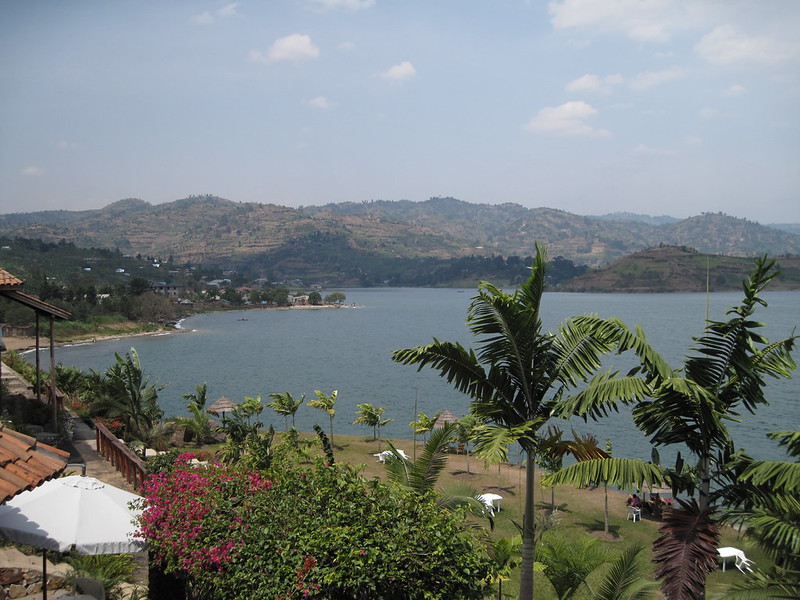
Few destinations in East Africa combine natural drama and pure relaxation the way Lake Kivu in Rwanda does, and that rare balance is exactly why the team at Zamunda Travels sends so many guests here between their gorilla trek and their flight home. The lake stretches across the western edge of the country, bordered by terraced hills, fishing villages, and the volcanic peaks of the Democratic Republic of Congo on the opposite shore. Visitors arrive expecting a quiet stopover and often leave calling it the highlight of their entire Rwandan itinerary. This guide walks through the geography, the science, the towns, the activities, and the practical planning details that make Lake Kivu Rwanda trips so rewarding, so grab a cup of Rwandan coffee and settle in.
What Makes Lake Kivu in Rwanda So Special?
Lake Kivu ranks among Africa’s Great Lakes, yet it behaves unlike almost any other lake on the continent. It sits inside the Albertine Rift, the western arm of the East African Rift Valley, where the earth’s crust is slowly pulling apart and volcanic activity shapes the surrounding landscape. That geological restlessness gives the lake its two most famous traits: a startling depth and a hidden chemistry that scientists still study closely today.
Because the tectonic plates beneath it continue to shift, the lake basin holds one of the deepest points of any lake in the world, reaching roughly 480 metres at its lowest point. Unlike Africa’s other major lakes, Lake Kivu contains no hippos, crocodiles, or bilharzia carrying snails, so swimming feels genuinely safe rather than merely tolerated. Consequently, travellers who assumed they would only admire the water from a boat often end up diving straight in in Gisenyi or Kibuye. Zamunda Travels frequently hears this exact reaction from first-time visitors, and it never gets old.
Where Is Lake Kivu Located in Rwanda?
Lake Kivu forms part of the natural border between Rwanda and the Democratic Republic of Congo, and it covers an enormous surface area of roughly 2,700 square kilometres. The lake stretches about 89 kilometres in length and 48 kilometres at its widest point, ranking it as one of the largest lakes on the African continent. Its surface sits at an elevation of around 1,460 metres above sea level, which explains the mild, spring-like climate that visitors enjoy even during Rwanda’s hottest months.
Three main lakeside towns anchor the region, and each one offers a slightly different rhythm of travel. Rubavu, historically known as Gisenyi, sits on the northern shore near the Congolese border. Karongi, formerly called Kibuye, occupies a peninsula roughly in the middle of the lake. Rusizi, once known as Cyangugu, guards the southern end and connects travellers onward to Nyungwe Forest National Park. Zamunda Travels typically routes guests through at least two of these towns so they can compare the atmosphere of each without rushing.
The Geology and Rare Methane Gas of Lake Kivu Rwanda
No discussion of Lake Kivu feels complete without mentioning the extraordinary gas reserves trapped beneath its surface, since this single feature sets the lake apart from every other body of water on earth. Scientists estimate the lake holds roughly 65 cubic kilometres of dissolved methane at depth, along with about 256 cubic kilometres of carbon dioxide. Hot springs feed warm, mineral-rich water into the lowest layers, and this dense layer traps the gases far below the surface instead of letting them escape naturally.
Rwanda has turned this natural curiosity into a genuine energy resource rather than treating it purely as a hazard. Engineers extract deep water from a “resource zone” roughly 260 to 480 metres down, then pump it through a pipe onto a floating platform where the gases separate from the water under reduced pressure. The resulting methane already powers homes and businesses across the country, and researchers continue monitoring the lake closely to track how gas concentrations shift over time. Guests on a Zamunda Travels lake cruise often ask about the gas extraction platforms they spot on the horizon, and guides are always happy to explain the science behind them in plain terms.
Best Lakeside Towns to Visit Around Lake Kivu
Each town along Lake Kivu in Rwanda has developed its own character over the decades, so choosing where to base yourself shapes the entire feel of your trip.
Rubavu (Gisenyi) – The Lively Gateway
Rubavu buzzes with more energy than its southern neighbours, and travellers arriving from Volcanoes National Park after gorilla trekking often stop here first. The town sits roughly 155 kilometres from Kigali, a drive of about three hours along a good tarred road. Visitors can relax on a sandy beach, play a round at the local golf course, tour a brewery, or soak in nearby hot springs. Because the Congolese border sits just minutes away, clear days sometimes reveal the glow of the active Nyiragongo volcano across the water. Zamunda Travels often pairs a night here with an early evening boat cruise, since the sunsets over the water rival almost anything else in the country.
Karongi (Kibuye) – The Peaceful Peninsula
Karongi trades Rubavu’s buzz for a calmer, more scenic pace of life. The town occupies a peninsula surrounded by hills and scattered islands, and the views from almost any restaurant deck feel cinematic. A boat ride here can reach Napoleon Island, home to a large colony of fruit bats, or Amahoro Island, a favourite spot for a quiet picnic and a swim. Many guests describe Karongi as the most photogenic stop on their entire trip, and Zamunda Travels agrees wholeheartedly.
Rusizi (Cyangugu) – The Quiet Southern Shore
Rusizi receives fewer visitors than its neighbours, yet it rewards travellers who make the effort with an authentic, unhurried slice of lakeside life. The town serves as a natural gateway to Nyungwe Forest National Park, so hikers and birders frequently pass through on their way to canopy walks and chimpanzee tracking. Because development has moved more slowly here, the fishing culture along the shore feels closer to how it has looked for generations.
Top Things to Do at Lake Kivu in Rwanda
Travellers sometimes assume a lake destination means lounging by the water and little else, but Lake Kivu offers far more variety than that assumption suggests.
Cruise to Napoleon Island and Other Islands
A boat cruise remains the single most popular activity on the lake, and it rarely disappoints. Guides steer small boats past fishing communities, quiet coves, and a scattering of islands with names as memorable as their scenery. Napoleon Island earns its nickname from its hat-like silhouette, and a short hike across it reveals thousands of fruit bats roosting in the trees overhead. Nearby, Amahoro Island (often called Peace Island) offers calmer waters for swimming and a relaxed picnic setting. Zamunda Travels arranges sunrise cruises for guests who want to watch local fishermen paddle out while singing their traditional work songs.
Hike or Bike the Congo Nile Trail
Adventure travellers gravitate toward the Congo Nile Trail, a scenic route that traces the lake’s eastern shore. The trail runs roughly 227 kilometres from Gisenyi in the north to Kamembe near Cyangugu in the south, passing through forests, coffee plantations, and small villages along the way. Visitors do not need to tackle the entire route in one trip; shorter day hikes or half-day cycling segments still deliver sweeping lake views and genuine encounters with rural Rwandan life. Because the terrain rolls steeply in places, most travellers appreciate a knowledgeable local guide, and Zamunda Travels can match the difficulty of the route to each guest’s fitness level.
Learn About Rwandan Coffee
Coffee lovers should not skip the washing stations scattered along the lakeshore, particularly around the fishing village of Kinunu. Farmers here grow, harvest, and process beans using methods passed down through generations, and a guided visit walks guests through every stage from cherry to cup. Tasting a freshly brewed cup only metres from where the beans were grown adds a layer of appreciation that no supermarket bag can replicate. This stop pairs naturally with a Congo Nile Trail hike, and Zamunda Travels frequently builds both experiences into a single, unhurried day.
Swim, Kayak, and Relax on Safe Beaches
Because Lake Kivu holds none of the parasites or predators found in many other African lakes, swimming here feels refreshingly worry-free. Families paddle in the shallows near Gisenyi’s beach, while more adventurous visitors rent kayaks or stand-up paddleboards to explore quieter coves. Beach volleyball and casual lakeside lounging round out an easy, low-key afternoon for anyone who simply wants to unwind. Whatever pace a traveller prefers, the lake seems to accommodate it without complaint.
Best Time to Visit Lake Kivu
Rwanda’s dry season, running roughly from June through September, offers the most reliable conditions for a Lake Kivu trip. Roads stay in better condition, skies clear for long stretches, and outdoor activities such as hiking and boat cruises rarely face weather delays. A shorter dry spell from mid-December through February also works well, particularly for travellers hoping to combine their lake visit with birdwatching. The wetter months bring lush, vivid scenery, though muddy trails and occasional afternoon showers can slow down hiking plans. Zamunda Travels generally recommends the June-to-September window for first-time visitors who want the smoothest possible experience.
Where to Stay Around Lake Kivu
Accommodation options span every budget and style along the shoreline. Rubavu leans toward polished, resort-style lakefront hotels with pools and spa facilities. Karongi favours smaller eco-lodges tucked into the hillside, many with private decks overlooking the water. Rusizi offers a handful of comfortable riverside and lakeside options for travellers heading onward to Nyungwe. Because availability shifts seasonally, especially around the peak gorilla-trekking months, Zamunda Travels recommends booking lodging well ahead of a planned visit rather than arriving without a reservation.
How Zamunda Travels Can Plan Your Lake Kivu Rwanda Trip
Planning a seamless visit to Lake Kivu in Rwanda involves more than picking a hotel; it means sequencing towns, activities, and transport so that nothing feels rushed. Zamunda Travels builds each itinerary around the traveller’s interests, whether that means a coffee-focused cultural morning, a full day cycling the Congo Nile Trail, or simply a slow, restorative pause between gorilla trekking and the flight home. The team also coordinates private transfers between Kigali, Volcanoes National Park, and the lakeside towns, so guests never have to navigate unfamiliar routes alone. Because Zamunda Travels works directly with local boat operators, lodges, and guides, every recommendation reflects firsthand knowledge rather than a generic listing pulled from a brochure. Travellers who want a lake experience that feels personal, well-paced, and genuinely local consistently turn to Zamunda Travels to make it happen.
Final Thoughts on Visiting Lake Kivu in Rwanda
Lake Kivu rewards curiosity, patience, and a willingness to slow down after the excitement of gorilla trekking or a busy Kigali stopover. The lake’s dramatic geology, safe swimming waters, welcoming lakeside towns, and rich coffee culture combine into an experience that feels both adventurous and deeply relaxing at once. Whether a traveller dreams of cycling the Congo Nile Trail, cruising past a bat-filled island, or simply watching the sun sink behind Congo’s distant hills, Lake Kivu in Rwanda delivers it without excess or pretence. Reach out to Zamunda Travels to start building an itinerary that puts this remarkable lake exactly where it belongs: near the top of any Rwanda travel plan.