Best Places for Game Drives in Queen Elizabeth National Park
September 4, 2026
Morning vs Evening Game Drives in Queen Elizabeth National Park
September 4, 2026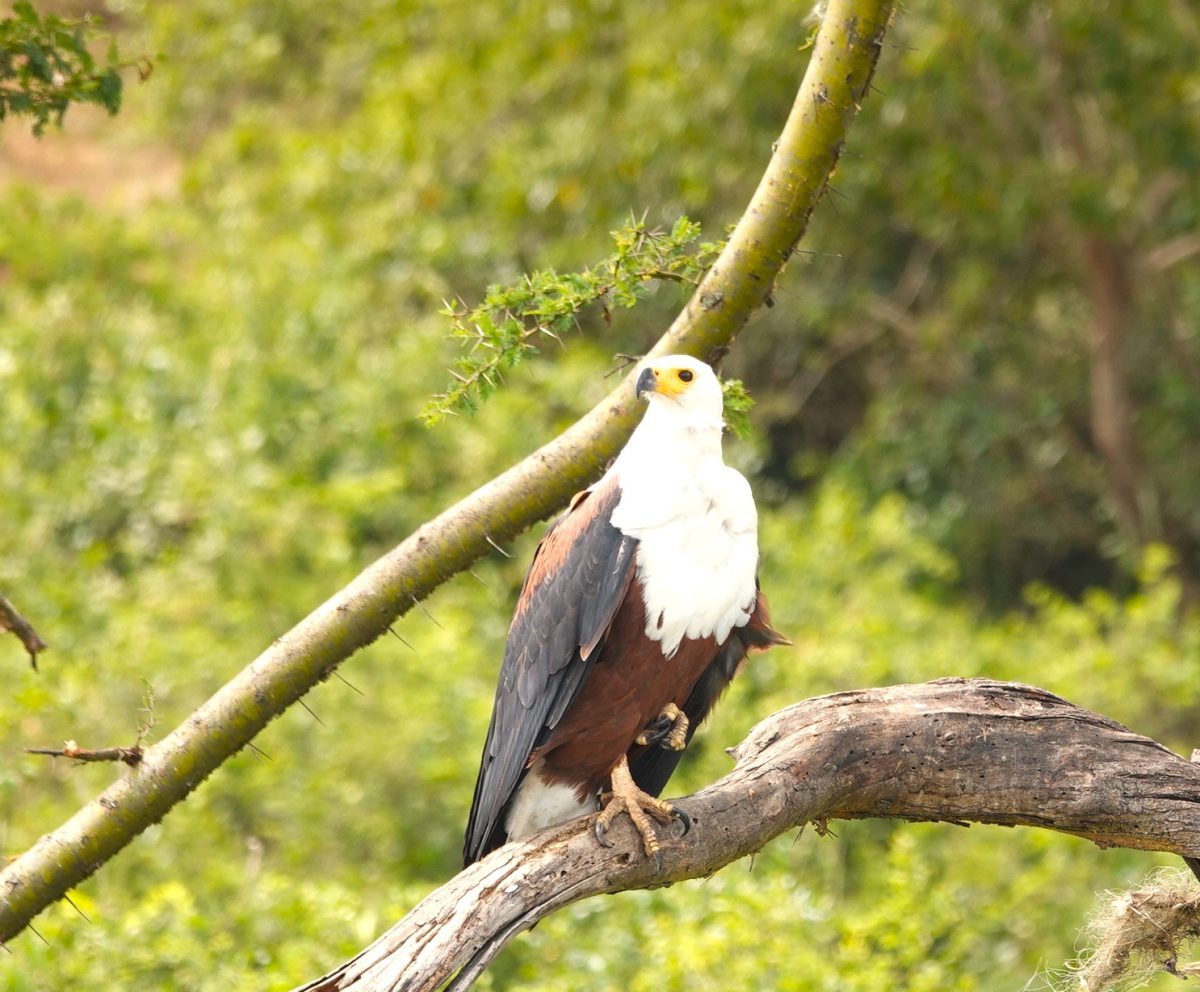
Queen Elizabeth National Park sits quietly in southwestern Uganda. However, the park comes alive with birdlife as soon as the sun rises over the Kazinga Channel.
Queen Elizabeth bird watching attracts travelers from around the world. The park supports an impressive variety of bird species and habitats. Open savannahs blend into papyrus swamps, while wetlands lead into dense forest. As a result, the scenery changes constantly, and each habitat introduces new bird calls and species.
Zamunda Travels has guided birders through this remarkable landscape for years. First-time visitors often share the same reaction: they never expect the birdlife to be so colorful, active, and diverse.
This guide explores the best birding locations, the ideal seasons, and some of the most exciting species to look for during your visit.
Why Queen Elizabeth Bird Watching Ranks Among Africa’s Best
More than 600 bird species have been recorded within Queen Elizabeth National Park. This impressive diversity makes the park one of East Africa’s leading birding destinations.
Several different habitats support this abundance. They include open savannah, freshwater lakes, papyrus wetlands, and patches of tropical forest.
Because these habitats sit close to one another, visitors can experience very different types of birding in a single day. For example, you may spot a martial eagle soaring above the grasslands in the morning. Later, you could search for a papyrus gonolek moving through the reeds.
The park also provides an important seasonal habitat for migratory birds. Several species arrive from Europe and Asia during the northern winter.
Therefore, the time of year can influence the number and variety of birds you see. Zamunda Travels considers these seasonal movements when planning birding itineraries.
The park’s location within the Albertine Rift adds even more value. This region supports several special bird species and makes the park particularly attractive to serious birdwatchers.
Top Locations for Queen Elizabeth Bird Watching
Different parts of the park offer different birding experiences. For this reason, Zamunda Travels often combines several locations into one birding safari.
Each area supports different habitats and bird species. Moving between them can help visitors build a more diverse bird list.
Kazinga Channel: The Heart of Queen Elizabeth Bird Watching
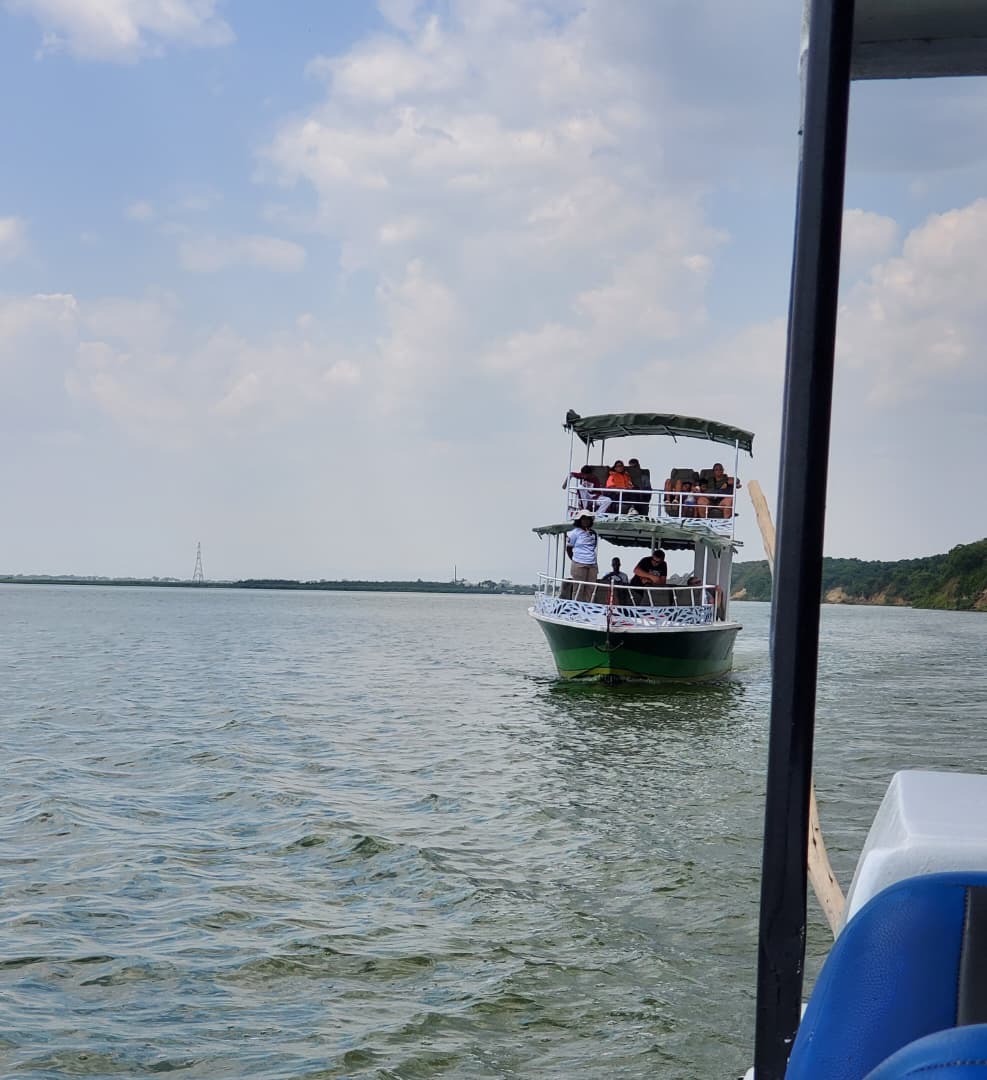
The Kazinga Channel stretches for approximately 32 kilometers between Lake Edward and Lake George. A boat cruise along this waterway is one of the most rewarding activities for Queen Elizabeth bird watching.
Pink-backed pelicans often gather along the shoreline. African skimmers may fly low over the water while searching for fish.
Yellow-billed storks, saddle-billed storks, and marabou storks can also be seen in the shallows. Meanwhile, pied kingfishers hover above the water before diving for their prey.
The Kazinga Channel offers more than birdlife. Hippos and buffalo frequently gather along the banks. As a result, visitors can enjoy birds and large mammals during the same boat cruise.
Zamunda Travels often recommends early morning or late afternoon cruises. At these times, temperatures are usually more comfortable, and bird activity can be especially rewarding.
Maramagambo Forest and Its Hidden Specialists
South of the main game-viewing areas, Maramagambo Forest offers a completely different birding experience.
Here, thick forest canopy replaces the wide-open views of the savannah. Birdwatching becomes slower and more patient. However, the rewards can be exceptional.
The forest supports species such as the African broadbill, Chapin’s flycatcher, and black bee-eater. Many birds remain hidden in the dense vegetation, so visitors need to listen carefully for calls and movement.
A guided walk may also reveal white-spotted flufftails in suitable riverside habitats. Hairy-breasted barbets and speckled tinkerbirds can add to the experience.
The forest is also known for its bat caves. Birds of prey may sometimes be seen circling above the forest, creating another interesting part of the experience.
Kasenyi Plains and the Lake George Wetlands
The Kasenyi Plains provide excellent opportunities for grassland birding. Grey-crowned cranes can often be seen moving through open areas, while hooded vultures may circle above the plains.
Nearby, Lake George supports an important wetland ecosystem. The area attracts a wide variety of waterbirds and other wetland species.
Shoebills may occasionally be seen in suitable wetland areas. Their unusual appearance makes them one of the most sought-after birds for visitors to Uganda.
The wetlands also attract waders and migratory waterfowl. During productive birding periods, binoculars can stay busy throughout the day.
For this reason, Zamunda Travels often schedules early starts for visitors exploring the Kasenyi and Lake George areas.
Ishasha Sector: Birding Beyond the Tree-Climbing Lions
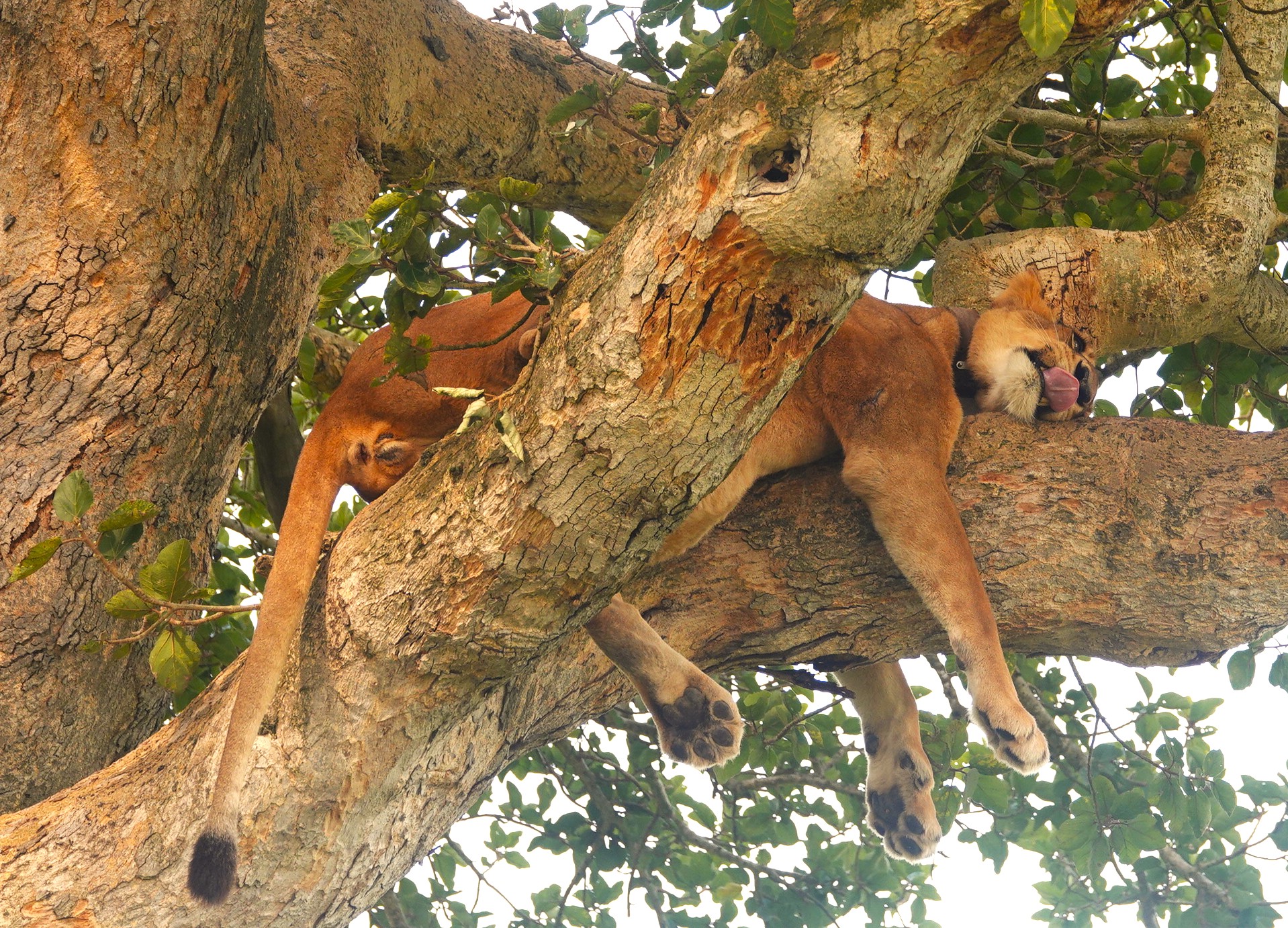
Most visitors travel to Ishasha to search for its famous tree-climbing lions. However, the sector also offers rewarding birdwatching.
Long-crested eagles may perch along the roadsides. Black-and-white-casqued hornbills move noisily through the trees, while African green pigeons feed in fruiting canopies.
The southern sector often receives fewer vehicles than some northern areas of the park. This quieter environment can create rewarding opportunities for bird photography and observation.
Birds may also appear less disturbed in areas with fewer vehicles and visitors.
The Best Time for Queen Elizabeth Bird Watching
Queen Elizabeth bird watching can be rewarding throughout the year. However, different seasons offer different advantages.
The wetter months can bring lush vegetation and increased activity among some bird species. Seasonal migrants may also add to the number of birds present.
During the drier periods, roads can be easier to navigate. Clearer conditions may also appeal to photographers.
Zamunda Travels often considers the traveler’s main goal when recommending a season. Birders hoping to build a longer species list may prefer periods when migratory birds are present.
On the other hand, photographers may prefer drier conditions for easier travel and more predictable light.
Resident bird species remain in the park throughout the year. Therefore, every season can provide a rewarding birdwatching experience.
Iconic Species to Spot During Your Queen Elizabeth Bird Watching Safari
Several bird species make Queen Elizabeth bird watching particularly exciting.
The African fish eagle is one of the park’s most recognizable birds. It often perches near waterways, and its powerful call has become closely associated with the African wilderness.
The shoebill remains one of Uganda’s most sought-after birds. Although sightings can be challenging, dedicated birders travel long distances for the chance to see its enormous bill and unique hunting style.
Malachite kingfishers add flashes of bright color to wetland habitats. They often perch quietly near the water before quickly moving after prey.
The martial eagle is another impressive species to watch for. As one of Africa’s largest and most powerful eagles, it can be an unforgettable sight when soaring above the landscape.
Papyrus specialists, including the papyrus gonolek and papyrus canary, reward patient birders searching through wetland reeds.
The palm-nut vulture also stands out because of its striking appearance. Its contrasting plumage and distinctive red facial skin make it easier to recognize.
Together, these birds demonstrate the remarkable diversity found across Queen Elizabeth National Park.
Planning Your Queen Elizabeth Bird Watching Trip with Zamunda Travels
A successful Queen Elizabeth bird watching safari requires good timing, local knowledge, and careful planning.
Zamunda Travels helps visitors organize these important details. The team can arrange experienced guides who understand local bird calls, seasonal movements, and productive birding areas.
A wellplanned safari can include a boat cruise along the Kazinga Channel, a forest walk in Maramagambo, and early morning drives across the Kasenyi Plains.
By visiting several habitats, travelers can enjoy a wider variety of bird species during one trip.
Bird movements can change throughout the year. Therefore, Zamunda Travels can adjust an itinerary according to seasonal conditions and recent sightings.
Visitors who bring their own binoculars and a lightweight field guide can get even more from their experience. However, arrangements can also be made for travelers who prefer to travel with less equipment.
Conclusion
In conclusion, Queen Elizabeth bird watching offers an exceptional opportunity to explore Uganda’s remarkable bird diversity.
Few destinations bring together savannah raptors, wetland specialists, forest birds, and migratory waterbirds within such a varied landscape.
The Kazinga Channel, Maramagambo Forest, Kasenyi Plains, Lake George wetlands, and Ishasha Sector each offer something different. Exploring several of these areas can create a richer and more rewarding birding experience.
The best time to visit depends on what you hope to see. However, the park’s resident birds provide excellent opportunities throughout the year.
Zamunda Travels designs birding safaris around this diversity. With the right timing, experienced guidance, and a well-planned route, visitors can enjoy an unforgettable birdwatching adventure in Queen Elizabeth National Park.
I can also prepare the Yoast SEO title, meta description, focus keyphrase, slug, and related keyphrases for this article.