What Happens If You Do Not See Gorillas in Mgahinga?
September 28, 2026
How Early Should You Book a Mgahinga Gorilla Permit?
September 28, 2026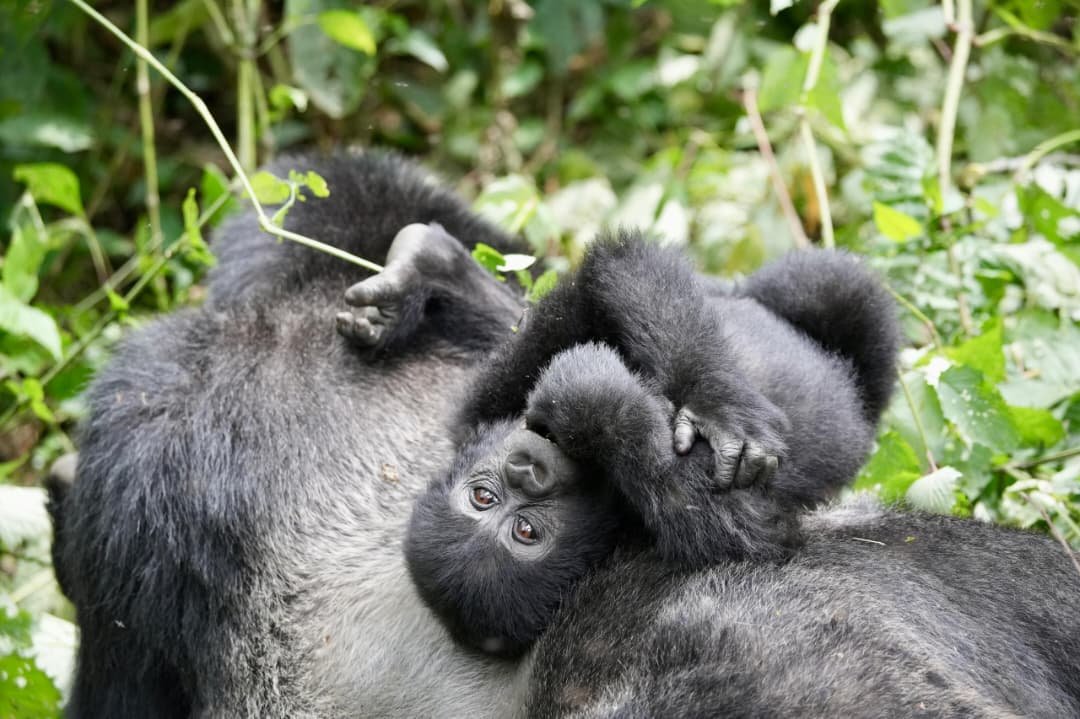
Gorilla trekking in Mgahinga Gorilla National Park is a carefully managed activity designed to protect mountain gorillas, visitors, guides, and the forest. The Uganda Wildlife Authority (UWA) manages gorilla trekking in Mgahinga, which is one of Uganda’s two gorilla trekking destinations. The park currently has one habituated transboundary gorilla group, and trekking takes place from the Ntebeko/Muhavura Visitor Centre area.
For travellers planning their experience with Zamunda Travels, understanding the Mgahinga Gorilla Trekking Rules before arriving is important. These regulations are not simply formal requirements. They help reduce stress for the gorillas and limit the risk of transmitting human diseases to them. They also help guides manage encounters safely in the forest.
Why Mgahinga Gorilla Trekking Rules Matter
Mountain gorillas are vulnerable to human diseases because of their close genetic relationship with people. For this reason, UWA limits the number of visitors who can approach a gorilla family and controls how visitors behave during the encounter. Uganda’s official park rules state that a maximum of eight visitors can visit a gorilla group, while the actual time with the gorillas is limited to one hour.
Zamunda Travels encourages every traveller to treat these rules as part of the conservation experience. Following them allows visitors to enjoy the gorillas without putting unnecessary pressure on the animals. It also supports the long-term protection of Mgahinga’s forests and wildlife.
Mgahinga Gorilla Trekking Rules Before the Trek
Before entering the forest, visitors must have the correct gorilla trekking permit and payment documentation. UWA’s current gorilla tracking guidelines identify Ntebeko/Muhavura as a designated entry point for Mgahinga. Visitors must also trek with UWA-authorised guides and use an authentic permit or ticket. Tracking outside designated entry points or without the required documentation can lead to enforcement action.
Another important rule concerns age. Gorilla tracking in Uganda has a minimum age of 15 years. Families travelling with younger children should therefore plan another suitable activity for them while the eligible travellers go gorilla trekking.
Visitors should also prepare for a physically demanding experience. UWA says gorilla treks can take between about two and seven hours, depending on where the gorillas are located. Zamunda Travels recommends suitable hiking shoes, comfortable clothing, drinking water, and protection from rain.
Do Not Trek When You Are Sick
One of the most important Mgahinga Gorilla Trekking Rules is the health requirement. Visitors should not join gorilla trekking if they have a cold or another infectious illness. Gorillas can catch some human diseases, so even a seemingly minor illness can create a conservation risk.
UWA’s 2024 gorilla and chimpanzee management guidelines also state that a visitor who develops or shows signs of illness before tracking will not be allowed to visit the gorillas. The visitor may be referred to a health facility for assessment, and a medical report can be required.
For this reason, Zamunda Travels advises clients to inform their guide or tour operator immediately if they feel unwell before the trek.
Mgahinga Gorilla Trekking Rules During the Encounter
When you finally reach the gorillas, your guide will explain exactly where you should stand and how you should behave. UWA’s current published park rules require visitors to maintain a 10-metre distance from the gorillas. This distance helps reduce physical contact and limits the spread of human illnesses.
Gorillas may sometimes move closer to visitors. If that happens, do not attempt to touch, follow, or block the animal. Instead, listen carefully to your guide and allow the gorilla to move freely. Guides and trackers are trained to manage these encounters.
Visitors should also remain calm and avoid sudden movements. Do not shout at the gorillas or try to attract their attention. You are there to observe their natural behaviour rather than make them perform for photographs.
Keep Your Voice Low
Noise can disturb gorillas and other wildlife in the forest. Visitors should therefore speak quietly and follow the instructions of their guide. Keeping quiet also increases your chances of hearing natural sounds around the forest.
Do not imitate gorilla vocalisations or attempt to provoke a response. The goal is to observe the animals naturally while causing as little disturbance as possible.
Do Not Eat, Drink, or Smoke Near the Gorillas
UWA’s published gorilla tracking rules prohibit smoking, eating, and drinking while visitors are with the gorillas. These restrictions help maintain a controlled and clean environment around the animals.
Zamunda Travels recommends taking water and snacks for the hiking section when appropriate, but visitors should follow the guide’s instructions about when and where they can consume them.
Photography Rules for Gorilla Trekking
Photography is an important part of the Mgahinga experience, but visitors must follow specific rules. Flash photography is not allowed during gorilla tracking. A sudden flash can disturb the animals and affect their behaviour.
Use your camera or phone without flash and listen to your guide when taking photographs. Do not move closer to a gorilla simply to obtain a better picture. A safe photograph is always more important than getting a particular angle.
Visitors should also avoid using photography equipment in a way that blocks other members of the group. Everyone should have a reasonable opportunity to observe the gorillas.
Mgahinga Gorilla Trekking Rules for Hygiene and Waste
Keeping the forest clean is another important requirement. Visitors must not leave litter behind. Everything brought into the forest should leave the forest with the visitor unless the guide provides an appropriate disposal option.
UWA also requires human waste to be buried 30 centimetres deep where this is necessary during tracking. Your guide will advise you about the correct procedure and location.
These simple practices protect the forest environment and reduce possible health risks for wildlife.
Respect the Gorilla Habitat
Gorilla trekking takes place in a protected natural environment. Visitors must avoid damaging vegetation, picking flowers, or disturbing wildlife. UWA’s general park regulations prohibit visitors from destroying vegetation and require them to avoid littering.
Stay on the route directed by your guide and do not wander away from the trekking group. The forest is the gorillas’ home, so visitors should behave as guests within their habitat.
Zamunda Travels also encourages travellers to respect other wildlife encountered during the trek. Mgahinga is home to more than gorillas. The park also protects endangered golden monkeys and other forest species.
Follow Your Ranger and Guide
Every gorilla trek should follow the instructions of the UWA team. Guides and trackers understand the terrain and monitor the gorillas’ movements. They also help visitors maintain the required distance and respond appropriately when gorillas approach.
Do not leave the group without permission. You should also avoid attempting to locate gorillas independently. UWA’s guidelines require gorilla tracking to take place through designated entry points and with authorised guides.
When booking with Zamunda Travels, travellers can expect guidance before and during the trek so they understand what to do once they enter the forest.
How Long Can You Stay With the Gorillas?
The standard gorilla viewing period is limited to one hour. UWA introduced this limit to control the amount of human interaction with each habituated gorilla group.
The trekking time before reaching the gorillas can vary. UWA states that a gorilla trek may take roughly two to seven hours in total, depending on the location of the gorillas and the conditions in the forest.
Therefore, travellers should not expect the entire trekking day to be spent beside the gorillas. The journey through the forest is also part of the experience.
What Happens If the Gorillas Are Not Found?
Gorillas are wild animals, so their location can change. UWA’s 2024 guidelines provide procedures for situations where visitors fail to see gorillas after tracking for a full day. Depending on the circumstances and available space, UWA may authorise rescheduling to the following day. Where rescheduling is not possible, specific refund provisions may apply.
Zamunda Travels can help clients understand the applicable procedures and communicate with the relevant authorities when necessary. However, refund or rescheduling decisions remain subject to UWA’s rules and approval.
What Should You Remember Before Trekking in Mgahinga?
The main Mgahinga Gorilla Trekking Rules are simple: obtain a valid permit, meet the minimum age requirement, avoid trekking when sick, follow your UWA guide, keep the required distance, avoid flash photography, do not eat or smoke around the gorillas, keep quiet, and leave no litter behind. Visitors should also respect the one-hour viewing limit and protect the forest habitat.
Following these rules makes the experience safer and more respectful for everyone. It also supports the conservation system that protects Uganda’s mountain gorillas. Zamunda Travels encourages visitors to learn the rules before arriving so that their time in Mgahinga can focus on the forest, the volcanic landscape, and the remarkable experience of seeing mountain gorillas in their natural habitat.