Bird Watching in Mgahinga Gorilla National Park
September 29, 2026
How to Get to Mgahinga from Entebbe
September 29, 2026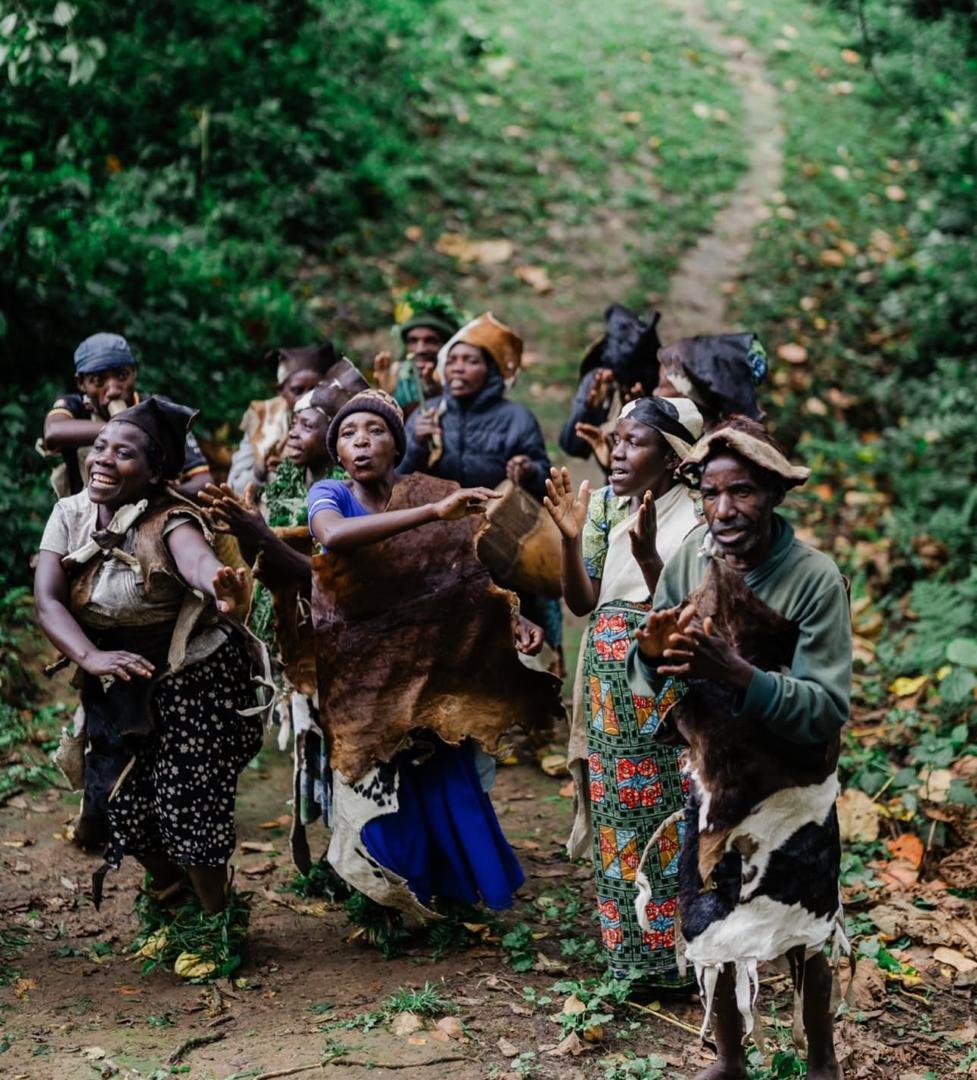
The Batwa cultural experience near Mgahinga is one of the most moving activities in southwestern Uganda. Zamunda Travels guides guests to this trail because it offers far more than a scenic walk. Visitors follow Batwa guides through the forest, hear personal stories, and learn skills that once kept an entire community alive. Most travelers come to the region for gorillas and golden monkeys. However, many leave saying the Batwa trail was the highlight of their trip. In this guide, Zamunda Travels explains the history, the route, the cost, and the practical details you need before you go.
What Is the Batwa Cultural Experience in Mgahinga Gorilla National Park?
The Batwa Trail is a guided cultural walk inside Mgahinga Gorilla National Park, and Batwa guides lead it themselves. The United Organisation for Batwa Development in Uganda (UOBDU) created the trail with the Uganda Wildlife Authority and USAID, and it launched in June 2011. The walk begins near the park entrance at the Ntebeko Visitor Centre. From there, guides take small groups up the forested slopes of the Virunga volcanoes. The full outing usually lasts four to five hours, although some visitors finish sooner. Zamunda Travels often pairs the trail with gorilla trekking or golden monkey tracking, since all three activities start in the same park. As a result, guests see rare wildlife and living culture during a single stay.
The History Behind the Batwa Cultural Experience
The Batwa are among the oldest inhabitants of the forests in this region. For many generations, they lived as hunter-gatherers and depended on the forest for food, medicine, and shelter. Their lives changed sharply in 1991, when Uganda gazetted Mgahinga and Bwindi as national parks to protect the endangered mountain gorilla. Authorities then moved the Batwa out of the forests and banned hunting and gathering. Reports from that period say that two neighboring farming and cattle-keeping groups received compensation, but the Batwa received nothing. Consequently, many families ended up landless and worked on other people’s farms. Today, Batwa guides say they support the conservation goals of the park. Even so, they say they deserve recognition for the home they lost.
This history explains why the trail matters so much. It is one of the few occasions when Batwa people return to the forest, and they return as guides and teachers. Therefore, every fee you pay helps the community directly, and part of the money funds development projects. Zamunda Travels shares this background with guests before departure. That way, travelers arrive with respect and ask thoughtful questions along the way.
What Happens During the Batwa Cultural Experience
The experience starts with a short prayer. Guides kneel and ask their ancestors for safety and guidance, just as hunters once did before a hunt. After the blessing, the group walks into dense forest along well-kept paths. The pace is gentle, so most fit travelers manage it without trouble. Along the way, guides name the plants they use for food and medicine. For example, they explain which leaves treat fevers and which ones heal wounds. They also show how they hunted with bows and arrows and how they collected honey from the trees.
Next, the guides demonstrate skills that rarely appear in a classroom. They light a fire from scratch, build simple shelters, and collect water using bamboo. Some guides also show how the Batwa smoked traditional pipes. Meanwhile, they tell personal stories about growing up in the forest and adjusting to life outside it. These stories give the walk its emotional weight. In addition, the guides welcome questions, so guests can learn far more than a script could ever cover.
The Sacred Garama Cave
The trail ends at the Garama Cave, which some sources spell Ngarama. This lava tube stretches about 200 meters beneath the mountain. According to Batwa tradition, their king once lived here, and elders held councils inside. Families also stored food in the cave, and women and children hid there during battles. Visitors walk in by a set of steps and see the dark, low chambers for themselves. Outside the entrance, bats often gather, which adds to the atmosphere. Because the cave has such deep meaning for the Batwa, guides ask visitors to stay quiet and follow their instructions.
Music, Dance and Storytelling
Song and dance close the visit. The Batwa perform inside or near the cave, where the acoustics carry their voices far. Performers use handmade instruments, animal-skin drums, and rich group harmonies. The songs tell legends and share memories of forest life. Often, guides invite guests to join the dance, and many travelers happily accept. For many visitors, this moment becomes the most memorable part of the entire Batwa cultural experience.
Batwa Cultural Experience Cost and How to Book
The trail costs US$80 per person for foreign non-residents. Foreign residents pay US$70, and East African citizens pay UGX 50,000. These rates include the park entry fee, according to current operator listings. Some operators also report reduced rates for larger groups. Filming for a documentary or commercial project costs an extra US$400. In Bwindi, the similar experience in the Buhoma sector costs about US$100 per person. Prices can change, so Zamunda Travels confirms the latest rates before every booking.
Booking through official channels is important. UOBDU, the Uganda Wildlife Authority, or a trusted operator like Zamunda Travels can arrange your visit. Independent offers at the park entrance may not benefit the Batwa community. Therefore, book in advance and ideally alongside your gorilla permit. Zamunda Travels can build the trail into a wider Mgahinga itinerary, so your transport, timing, and permits fit together smoothly.
What to Wear and Bring for the Trail
The forest can be wet, thorny, and steep in places, so dress with care. Wear long sleeves and long trousers to protect your skin from thorns and stinging plants. Bring a rain jacket, because showers arrive quickly in the highlands. Garden gloves help when you grab branches, and sturdy hiking boots give you a firm grip on muddy ground. In addition, pack lunch, snacks, and plenty of drinking water, as the outing lasts several hours. Finally, carry some cash. Batwa families sell baskets, jewelry, and other crafts, and buying them puts money straight into their hands.
How to Respect the Community
Good manners make the visit better for everyone. First, ask before you take close-up photos of people. Second, listen when guides share painful memories, and avoid interrupting. Third, keep your questions respectful and curious rather than judgmental. Zamunda Travels also encourages guests to see the trail as an exchange, not a performance. When you treat the Batwa as teachers, the experience becomes warmer and more honest for both sides.
Plan Your Visit With Zamunda Travels
The Batwa cultural experience near Mgahinga offers something rare in modern travel. It combines dramatic scenery, ancient knowledge, and a story that deserves to be heard. It also supports a community that still faces real hardship. Zamunda Travels can add this trail to your gorilla trekking safari, your golden monkey tour, or a longer Uganda journey. Contact Zamunda Travels today, and let our team arrange a trip that connects you with the people who first called these forests home.