Bwindi Gorilla Trekking Rules and Regulations
September 29, 2026
Gorilla Trekking Age Limit in Uganda
September 30, 2026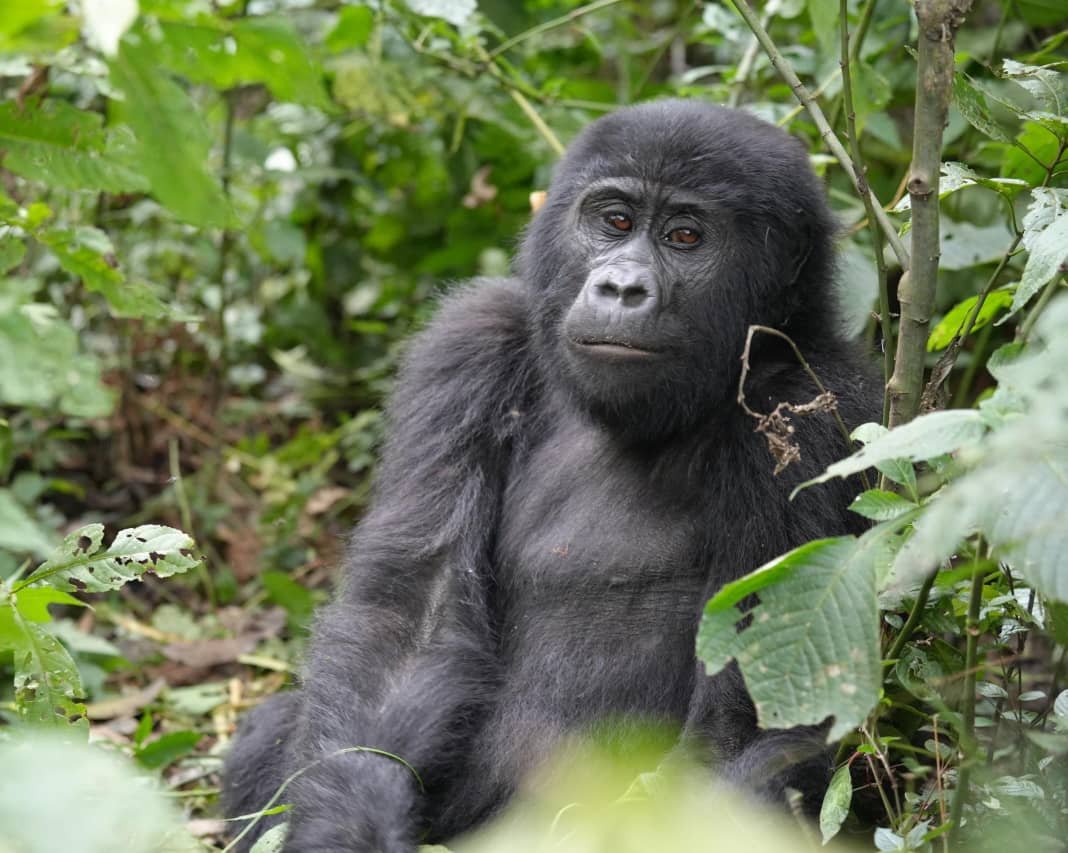
Bwindi Impenetrable National Park in southwestern Uganda protects nearly half of the world’s remaining mountain gorillas. The park sits on steep, forested hills, and the weather there changes fast. Because of this, you must pack for gorilla trekking with care. Zamunda Travels has guided many travelers into these forests, and we see the same pattern every season. Guests who wear the right clothes and carry the right gear enjoy the trek far more. Guests who arrive in sandals or cotton jeans often spend the hike thinking about their feet instead of the gorillas. This guide explains exactly what to wear and what to bring, so you can focus on your hour with a gorilla family.
Understanding the Bwindi Environment Before You Pack
Bwindi covers hills that rise from about 1,160 meters to more than 2,600 meters above sea level. That range creates a cool, damp climate with rain in every month of the year. The park has two main wet seasons, roughly March to May and September to November, and trails turn muddy and slippery during those months. The dry seasons, from December to February and from June to August, bring firmer ground. Even then, showers arrive without warning. Zamunda Travels always tells guests to expect mud, dense vegetation, and steep slopes, whatever the month. Trekkers walk through thick undergrowth, and sometimes they climb for two to four hours before they meet the gorillas. In some cases, the hike runs even longer. Therefore, your clothing should protect you, dry quickly, and let you move freely.
What to Pack for Gorilla Trekking in Bwindi
Before you look at each item, think about the trek in three layers. First, you need protection for your body from thorns, nettles, and insects. Second, you need grip and support for your feet. Third, you need a small daypack that carries water, food, and your camera. Zamunda Travels recommends a soft duffel bag for your main luggage, because it fits easily into safari vehicles and lodge rooms. In addition, pack a separate small daypack for the trek itself. The Uganda Wildlife Authority (UWA) briefs every group before the hike, and rangers give clear rules about distance and behavior. You will carry your own gear on the trail unless you hire a porter, so keep the daypack light. Consider how much you really need before you fill it.
Clothing to Pack for Gorilla Trekking
Start with long-sleeved shirts in neutral colors such as khaki, olive, or brown. Long sleeves shield your arms from stinging nettles and thorny branches. Bright colors and strong perfumes can distract wildlife, so choose earthy tones and skip the cologne. Next, add lightweight, long trekking trousers made from quick-drying fabric. Avoid heavy denim, because it stays wet for hours once the rain hits. Zamunda Travels also suggests tucking your trousers into your socks or gaiters. This simple step keeps out biting ants and other insects that live on the forest floor.
Layering matters just as much. Mornings in Bwindi feel cold, while the midday climb makes you warm. A light fleece or sweater gives you warmth at the start, and you can tie it around your waist once you heat up. On top of that, carry a waterproof rain jacket or poncho, and keep it inside your daypack at all times. A sudden downpour can soak an unprepared trekker within minutes. Pack extra socks as well, since wet feet can ruin a hike. Finally, bring a wide-brimmed hat or cap for sun and light rain, and pack a change of dry clothes to wear in the vehicle afterward.
Footwear and Hand Protection for the Trail
Good boots are the most important item on your list. Choose waterproof hiking boots with strong ankle support and a thick, gripping sole. The trails in Bwindi stay steep and slippery, so lightweight sneakers will not do the job. Break in your boots before you travel, because new boots cause blisters on long climbs. Zamunda Travels also encourages guests to bring gaiters. Gaiters cover the space between your boots and your trousers, and they keep mud, water, and insects out. Some lodges and trekking centers lend or rent gaiters, but bringing your own guarantees a good fit.
Gardening-style gloves deserve a place in your bag too. Trekkers often grab vines, branches, and tree trunks for balance, and many plants in the forest sting or scratch. Sturdy gloves protect your palms and give you a better grip on wet wood. Note that they should be thin enough to let you use your camera. Together, boots, gaiters, and gloves form the core of your protection on the trail.
Camera and Photography Gear
Every guest wants photographs of their time with the gorillas, so plan your camera kit carefully. UWA rules ban flash photography, because sudden light can startle the animals. Turn your flash off, and use a camera with good low-light performance, since the forest canopy blocks much of the sunlight. A lens with a moderate zoom works best, as rangers keep visitors about seven to eight meters away from the gorillas. Bring spare batteries and extra memory cards, because the cold and the excitement drain power quickly. In addition, carry a small waterproof cover or a zip-lock bag to shield your equipment from rain. Zamunda Travels advises leaving drones at home, as UWA does not allow them near the gorillas.
Health Items to Pack for Gorilla Trekking
Your health matters for both your comfort and the safety of the gorillas. Mountain gorillas share about 98 percent of their DNA with humans, so they catch human illnesses easily. For this reason, UWA does not allow anyone with a cold, flu, or other contagious illness to trek. Rangers also ask guests to wear a face mask when they stand near the gorillas. Bring a supply of masks, and use them properly. Beyond that, pack insect repellent, sunscreen, and lip balm. Bwindi has fewer mosquitoes than lower regions, but bites still happen at lower elevations. Add hand sanitizer, a basic first-aid kit, and any prescription medicine you use, along with pain relief tablets for sore muscles.
You should also carry your own water. Zamunda Travels suggests at least two liters per person, since the hike is demanding and the air feels humid. A reusable bottle reduces plastic waste in the park. Similarly, pack energy snacks such as nuts, dried fruit, or granola bars, plus a packed lunch from your lodge. The trek can last several hours, so you will need the fuel. Check with your doctor about vaccinations before you travel, especially yellow fever, and confirm current requirements for entry to Uganda.
Essential Documents and Small Items
Do not forget your gorilla trekking permit. Rangers check permits at the briefing, and you cannot join a trek without one. Bring your passport as well, because UWA staff record passport details when they verify each trekker. Zamunda Travels handles permit booking for our guests, and we keep everything organized so you arrive ready. Beyond documents, carry a small torch or headlamp for early starts and evening arrivals at your lodge. Some guests like a walking stick, and most trekking centers provide one free of charge. Carry some small Ugandan shillings or US dollars in small bills for tips and community craft purchases. A lightweight dry bag can keep your passport and phone safe from rain.
Should You Hire a Porter?
Many first-time trekkers overlook porters, yet they make a real difference. Local porters carry your daypack, and they also offer a steady hand on steep or slippery sections. The fee is modest, and the money goes directly to families in the surrounding communities. In this way, hiring a porter supports the local economy and reduces the strain on your body. Zamunda Travels recommends a porter for almost everyone, and especially for older travelers or anyone unsure about the climb. You can arrange one at the trailhead on the morning of your trek, or you can ask us to book ahead.
What Not to Pack for Gorilla Trekking
Some items add weight without adding value, so leave them behind. Skip heavy jeans, open sandals, bright clothing, and strong perfume. Leave your drone, your flash unit, and any large tripod at the lodge. Avoid packing too many outfits, because Bwindi lodges offer laundry services in most cases. Also, leave single-use plastic bags at home, because Uganda has banned them, and airport officials may take them. Zamunda Travels wants your bag to stay light, so aim for practical clothing that you can wear more than once.
Final Tips from Zamunda Travels
The best way to pack for gorilla trekking is to keep it simple and practical. Prepare for rain, mud, and cool mornings, and protect your arms, legs, and feet. Carry water, snacks, and a rain jacket in your daypack, and keep your camera ready but dry. Arrive at the briefing early, listen carefully to your guide, and follow every rule about distance and health. When you choose Zamunda Travels, our team helps you with packing lists, permits, lodges, and transport, so nothing catches you by surprise. With the right gear on your back, you can enjoy every step through the forest and every quiet moment with a mountain gorilla family. Contact Zamunda Travels today, and let us plan your Bwindi adventure.