Bwindi Gorilla Trekking for First-Time Visitors
September 30, 2026
How Long Does Gorilla Trekking in Bwindi Take?
September 30, 2026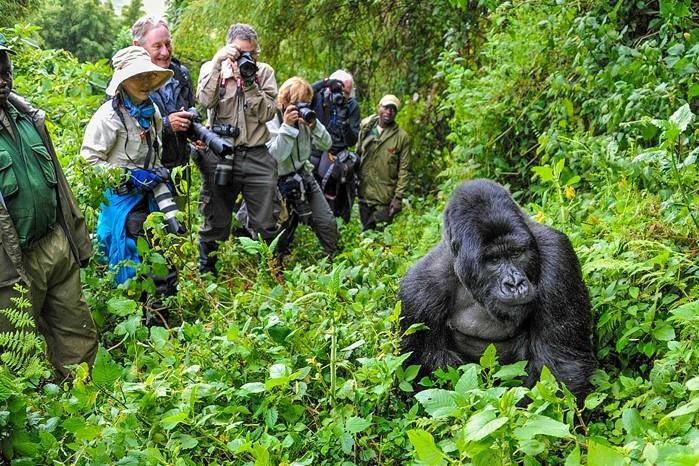
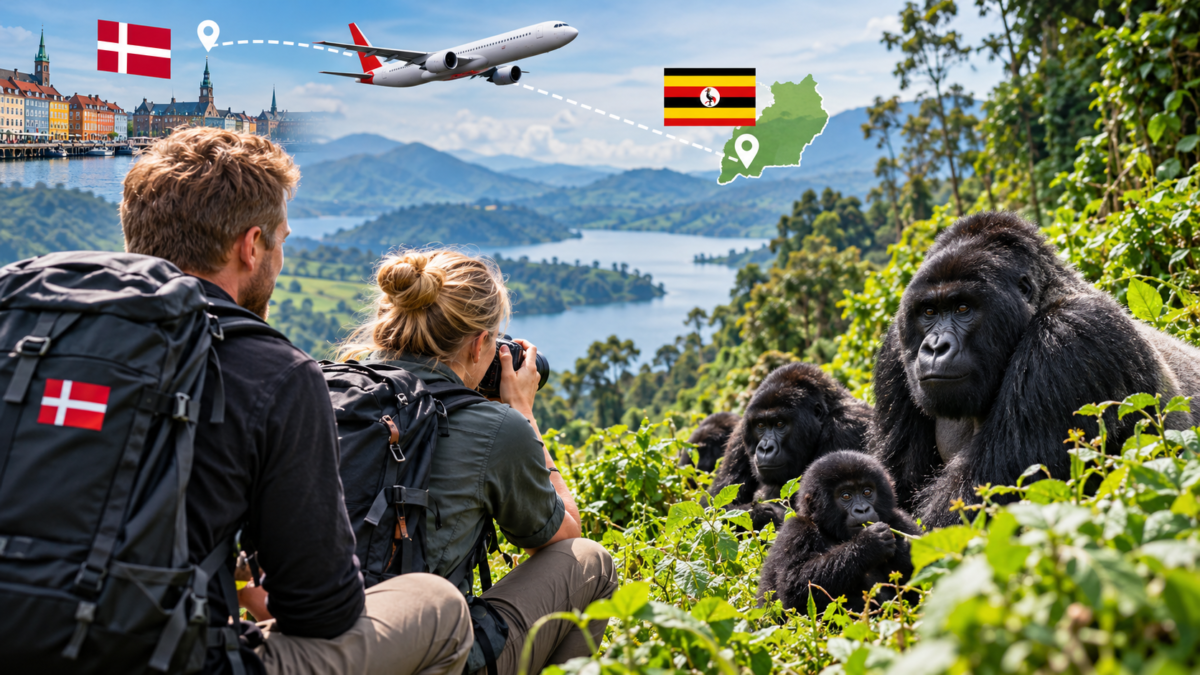
Bwindi Impenetrable National Park is one of the most important mountain gorilla conservation areas in Africa. Located in southwestern Uganda, the park offers visitors the chance to see endangered mountain gorillas in their natural forest habitat. Besides the regular gorilla trek, visitors can take part in the Gorilla Habituation Experience in Bwindi, a longer and more immersive activity designed around gorilla groups that are still becoming accustomed to human presence.
The experience gives visitors more time with a gorilla group than a standard trek. UWA guidelines state that the gorilla habituation experience can allow up to four hours of viewing time after visitors reach the gorillas. The activity starts from the briefing and continues until visitors return for debriefing. UWA sets the habituation tracking start time at 6:30 am, while normal gorilla tracking starts at 8:00 am.
For travelers who want a deeper understanding of gorilla behavior, conservation and rainforest ecology, the experience offers a different type of encounter. Zamunda Travels can help travelers plan the activity, arrange transportation, accommodation and other safari services around their gorilla experience.
What Is the Gorilla Habituation Experience in Bwindi?
The Gorilla Habituation Experience in Bwindi is a special gorilla activity that gives visitors more time to observe a gorilla group undergoing the habituation process. Habituation involves gradually getting wild gorillas accustomed to the presence of humans while maintaining appropriate conservation standards.
The goal is not to make gorillas tame or domesticated. Instead, researchers, trackers and conservation teams gradually introduce controlled human presence. This process helps scientists and conservation staff study gorilla behavior while preparing a group for carefully managed tourism.
During the experience, visitors may observe different aspects of gorilla behavior. These can include feeding, movement, communication, grooming, resting and interactions between members of the group. However, every encounter remains unpredictable because the gorillas are wild animals.
The activity also requires visitors to follow strict guidelines. These rules help protect both people and gorillas. They also reduce unnecessary stress and limit the risk of disease transmission.
Where Does Gorilla Habituation Take Place in Bwindi?
The Gorilla Habituation Experience in Bwindi is associated with the southern part of Bwindi, particularly the Rushaga sector. Rushaga is one of Bwindi’s four main gorilla trekking sectors, alongside Buhoma, Ruhija and Nkuringo. UWA identifies Bwindi as one of Uganda’s two national parks where visitors can undertake mountain gorilla tourism.
Rushaga is also an important starting point for travelers visiting southern Bwindi. The sector can be accessed from Kisoro, and UWA notes that scheduled flights from Entebbe to Kisoro Airstrip serve visitors heading toward the southern sectors of Nkuringo and Rushaga.
Choosing accommodation near Rushaga can make the experience easier because visitors need to report early for briefing. Zamunda Travels can organize accommodation close to the starting point and build the habituation experience into a wider Uganda safari.
How Long Is the Gorilla Habituation Experience?
One of the biggest differences between standard gorilla trekking and habituation is the amount of time available for the gorilla encounter.
UWA’s current published gorilla and chimpanzee tracking guidelines state that normal gorilla tracking allows a maximum of one hour of viewing after reaching the gorillas. For the habituation experience, the maximum viewing period is four hours.
The total activity can take longer because the four-hour period does not include the entire journey from the briefing point to the gorilla group. The forest trek may take several hours depending on where the gorillas are located and how they move.
Therefore, travelers should plan for a substantial part of the day in the forest. Weather, terrain and gorilla movements can also affect the overall experience.
What Happens During Gorilla Habituation?
The day usually begins early because UWA guidelines place the start of gorilla habituation tracking at 6:30 am. Visitors receive a briefing before entering the forest. Rangers and guides explain safety procedures, responsible behavior and the rules for approaching the gorillas.
The trek then continues through Bwindi’s dense rainforest. The terrain can become steep and muddy, especially after rain. Participants should therefore expect a physically demanding walk.
Once the team reaches the gorilla group, visitors can spend considerably more time observing the animals than they would during normal gorilla tracking. Researchers and guides may explain individual behaviors and help visitors understand the social structure of the group.
The gorillas determine much of the encounter. They may move through thick vegetation, rest in one location or travel to another feeding area. Visitors must follow the instructions of the ranger team rather than attempting to approach the animals.
Gorilla Habituation Experience vs Gorilla Trekking
Both activities provide opportunities to see mountain gorillas in Bwindi, but they are not the same experience.
Regular gorilla trekking allows a maximum of one hour of viewing once visitors reach a habituated gorilla family. The habituation experience allows up to four hours of viewing under UWA’s guidelines.
The difference makes habituation particularly interesting for travelers who want more time to observe behavior. A normal trek focuses on finding a habituated group and enjoying a controlled encounter. Habituation provides a longer observation period and a closer look at the process of preparing gorillas for future tourism.
The two activities also differ in price. UWA’s published 2024–2026 tariff listed gorilla habituation at USD 1,500 for foreign non-residents, USD 1,000 for foreign residents and UGX 750,000 for East African citizens. The tariff stated that the rates included the guide fee, park entrance fee for the day and community development contribution.
Because that tariff ended in June 2026, travelers planning a safari now should confirm the applicable 2026–2027 rate before making payment. Zamunda Travels can assist with checking the applicable permit category and booking requirements.
How Much Does Gorilla Habituation Cost?
The price depends on the visitor’s permit category and the tariff that applies on the date of travel.
The last published UWA tariff available in the sources checked for this article listed the following rates:
| Visitor category | Published habituation rate |
|---|---|
| Foreign Non-Resident | USD 1,500 |
| Foreign Resident | USD 1,000 |
| East African Citizen | UGX 750,000 |
| Rest of Africa | USD 1,000 |
These figures come from UWA’s July 2024–June 2026 Conservation Tariff.
The tariff also stated that the listed gorilla habituation rates included the guide fee, park entrance fee for the day and community development contribution.
Since the published tariff period has now ended, do not rely on these figures as a guaranteed 2026/27 price. Zamunda Travels can help confirm the applicable rate when planning your safari.
Who Can Take Part in Gorilla Habituation?
Gorilla habituation requires visitors to be comfortable with a demanding forest experience. The trek may involve steep slopes, thick vegetation, slippery trails and changing weather.
Fitness therefore matters. UWA describes gorilla trekking in Uganda as requiring moderate fitness, with treks potentially lasting between two and seven hours depending on conditions.
Participants should also understand that the experience takes place in a wild environment. The gorillas do not perform for visitors, and there is no guarantee that every expected behavior will occur.
Visitors should follow every instruction given by UWA guides and rangers. Responsible behavior helps protect the animals and makes the experience safer for everyone.
What Makes Gorilla Habituation Different?
The biggest attraction is the extended observation period. Four hours can provide more opportunities to notice small details that visitors may miss during a shorter encounter.
For example, travelers may watch how a silverback interacts with other members of the group. They may observe mothers caring for infants or see younger gorillas playing and exploring their surroundings.
The longer encounter can also make it easier to appreciate the individual personalities and social relationships within a gorilla group. However, these observations vary from day to day because gorillas remain wild animals.
The experience also gives visitors a stronger connection to conservation. Bwindi’s gorilla tourism has developed alongside long-term conservation work, research and community involvement. UWA reports that the 2018 Bwindi-Sarambwe census recorded 459 mountain gorillas, while the 2025 census work used methods including genetic analysis to monitor the population.
What Should You Pack for Gorilla Habituation?
Good preparation can make the forest experience much more comfortable. Visitors should carry lightweight, comfortable clothing that can handle rain and muddy conditions.
Useful items include:
- Waterproof hiking boots
- Long trousers
- A long-sleeved shirt
- Waterproof jacket
- Gardening gloves
- Hat or cap
- Small backpack
- Drinking water
- Snacks
- Insect repellent
- Sunscreen
- Camera with spare batteries
- Binoculars
- Walking stick
A waterproof backpack cover can also protect cameras and other equipment during sudden rain.
Visitors should avoid carrying unnecessary luggage into the forest. A small and practical daypack is easier to manage during a long trek.
Best Time for Gorilla Habituation in Bwindi
Gorilla habituation can take place throughout the year. Bwindi receives rainfall at different times of the year, so visitors should prepare for wet conditions even during generally drier periods.
The drier months can make some forest trails easier to navigate. However, weather conditions can change quickly in the rainforest. Rain can occur even when the day begins with clear skies.
The best time for your safari can also depend on your wider Uganda itinerary. Zamunda Travels can help combine the habituation experience with destinations such as Queen Elizabeth National Park, Kibale National Park, Lake Mburo National Park or Mgahinga Gorilla National Park.
How to Book Gorilla Habituation in Bwindi
Gorilla habituation permits should be arranged in advance because the experience has limited availability. UWA’s permit guidelines state that gorilla and chimpanzee permits are sold through approved procedures, with foreign non-resident permits purchased through tour operators licensed by the Uganda Tourism Board.
A reliable booking process should confirm the travel date, visitor category and sector before payment. Travelers should also receive proper documentation showing the details of their permit.
Zamunda Travels can assist with planning the permit, transport, accommodation and other parts of the safari. Booking early also gives you more flexibility when selecting accommodation around Rushaga.
How to Get to Rushaga for Gorilla Habituation
Rushaga lies in the southern part of Bwindi Impenetrable National Park. Travelers can reach the area by road from different parts of Uganda or fly to Kisoro before continuing by road.
UWA states that flights from Entebbe serve Kisoro Airstrip for travelers visiting the southern Bwindi sectors. From Kisoro, visitors continue by 4WD vehicle because the roads toward the park can be winding and rough.
Travelers coming by road can include Bwindi as part of a longer Uganda safari. A route may connect Kampala or Entebbe with destinations such as Lake Mburo, Queen Elizabeth National Park and Bwindi.
The best route depends on your starting point and the other parks included in your itinerary. Zamunda Travels can arrange the transfers around your habituation date.
Gorilla Habituation Rules and Responsible Travel
Responsible behavior remains essential throughout the experience. Visitors must listen to their guides and maintain the required distance from the gorillas.
Do not attempt to touch, feed or chase a gorilla. Avoid loud noises and sudden movements. Visitors should also avoid visiting the gorillas when they are sick because human illnesses can pose risks to great apes.
Photography should remain respectful. Flash photography should not be used when observing the gorillas unless specifically permitted under current guidelines.
UWA’s tracking guidelines also establish specific tracking and viewing procedures. Visitors should follow the instructions given by the ranger team because conditions can change during the trek.
Why Book Your Experience With Zamunda Travels?
Planning a gorilla habituation safari involves more than securing a permit. You also need to consider transportation, accommodation, timing and connections with other destinations.
Zamunda Travels can organize these parts of the trip as one safari itinerary. The company can help travelers plan their journey to Rushaga, arrange suitable accommodation and coordinate transfers before and after the forest experience.
For international travelers, this can make the planning process easier. It also allows the habituation experience to become part of a broader Uganda adventure rather than a standalone activity.
Final Thoughts on Gorilla Habituation in Bwindi
The Gorilla Habituation Experience in Bwindi provides a longer and more immersive opportunity to observe mountain gorillas in their natural rainforest environment. With up to four hours of viewing time under UWA’s guidelines, visitors have more time to watch behavior, social interactions and movement than during standard gorilla trekking.
The experience takes place in a demanding forest environment, so preparation matters. A good pair of hiking boots, suitable clothing, drinking water and a positive attitude can make the trek much easier.
If you want to include this experience in a Uganda safari, Zamunda Travels can help arrange the permit, accommodation, transportation and wider itinerary around Bwindi.