Kenya Safari Packages
October 8, 2026
Christmas and New Year Safari in Uganda
October 9, 2026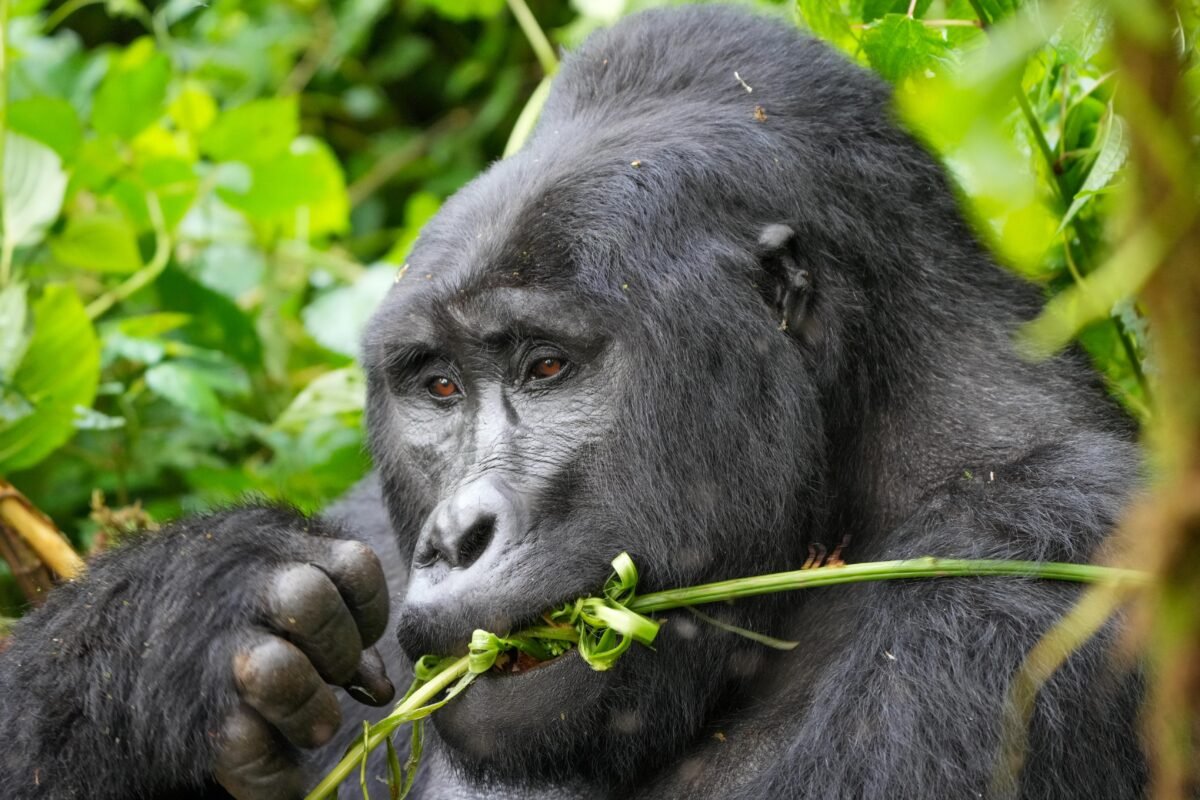
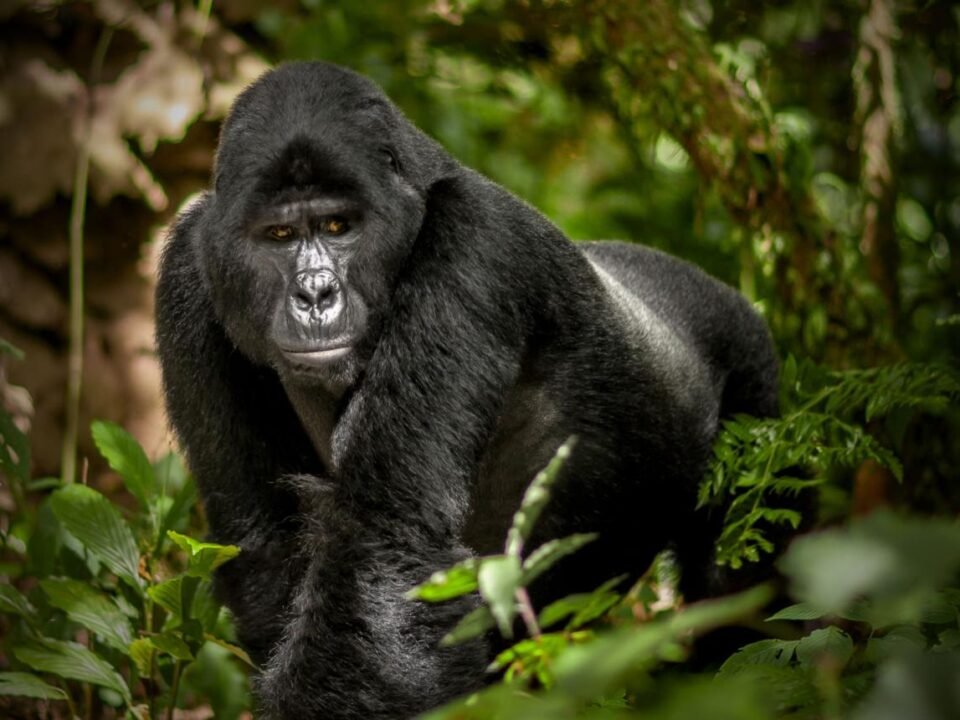
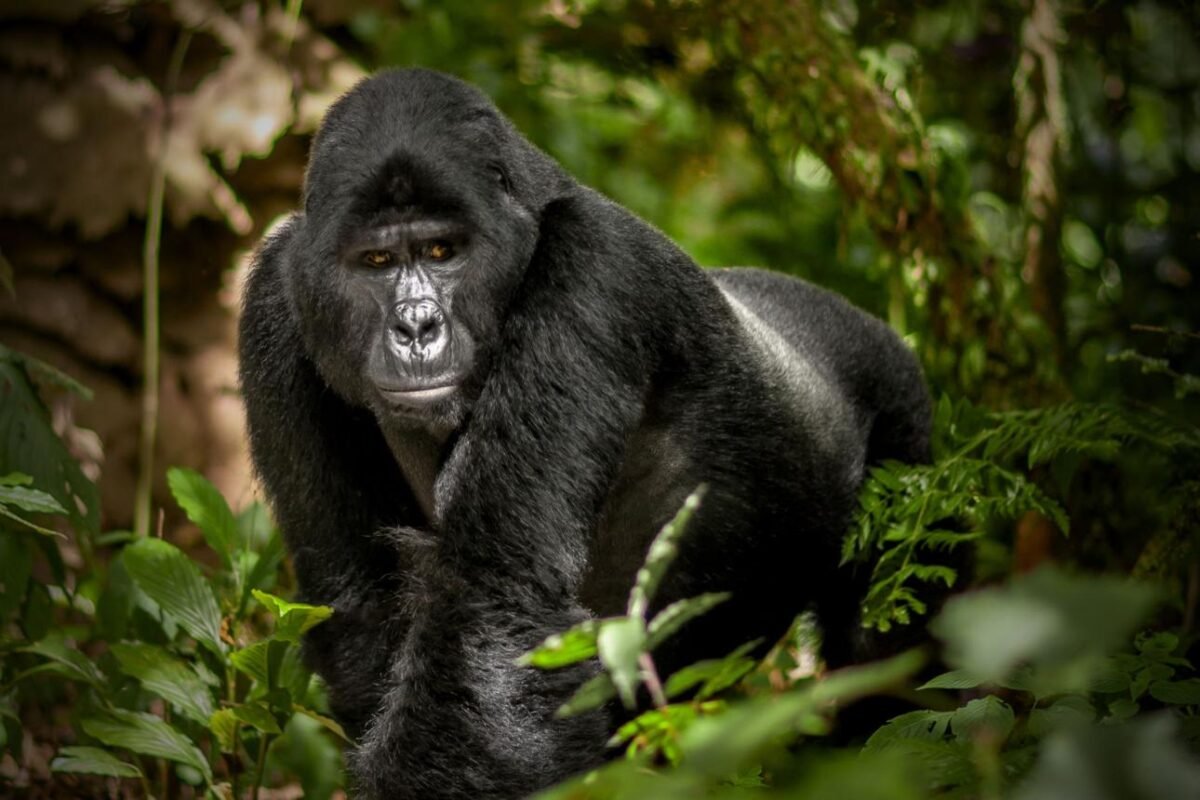
Imagine walking through a misty rainforest in southwestern Uganda. Tall trees surround you, and birds call from deep within the forest. Your guide suddenly stops and asks everyone to remain quiet. A few moments later, a mountain gorilla appears among the green leaves. Nearby, a young gorilla plays while a powerful silverback watches over his family. This is the unforgettable experience that attracts travellers to Uganda every year.
Discover Gorilla Trekking in Uganda
Gorilla trekking in Uganda offers one of Africa’s most exciting wildlife experiences. Visitors walk through natural forests to find mountain gorillas living in their wild habitat. Professional guides lead each trek and help visitors understand gorilla behaviour. The experience brings travellers close to one of the world’s rarest great apes. It also supports important conservation work that protects mountain gorillas and their forest homes.
Uganda offers gorilla trekking in two national parks: Bwindi Impenetrable National Park and Mgahinga Gorilla National Park. Both parks lie in southwestern Uganda, near the borders with Rwanda and the Democratic Republic of Congo. Each destination offers beautiful scenery, unique forest trails, and rewarding wildlife encounters. Bwindi has several gorilla trekking areas, while Mgahinga provides a beautiful setting among the Virunga volcanoes.
Planning a successful gorilla safari involves several important decisions. Travellers must choose a trekking destination, secure permits, arrange accommodation, and prepare for the forest hike. They must also consider travel dates, costs, transport, and personal fitness. This complete guide from Zamunda Travels Uganda explains every important step. It will help you plan a safe, comfortable, and memorable gorilla trekking safari in Uganda.
What Is Gorilla Trekking?
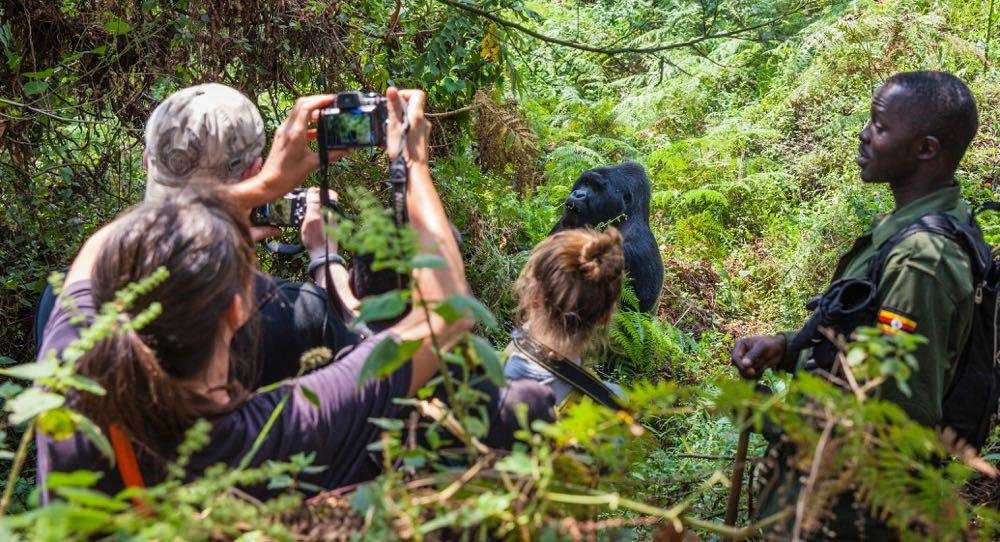
Gorilla trekking is a guided forest walk that takes visitors to a wild mountain gorilla family. Uganda Wildlife Authority rangers lead the activity with help from experienced trackers. These trackers study the gorillas’ movements and help guides find their location. Visitors then walk through the forest until they reach their assigned family. The length of the hike depends on where the gorillas have moved that day.
Mountain gorillas live in family groups within protected forests. Some groups have become familiar with the presence of people through a careful conservation process. Experts call these families habituated gorillas. The animals remain completely wild and continue their normal activities. Visitors may watch them feeding, resting, grooming, or playing. A standard gorilla trekking permit allows about one hour of observation after the guides find the family.
Gorilla trekking differs from an ordinary wildlife game drive. Visitors leave their safari vehicle and explore the forest on foot. The journey may involve steep hills, muddy paths, and thick vegetation. However, the reward makes the effort worthwhile for many travellers. Watching mountain gorillas in their natural surroundings creates a strong connection with wildlife. Every encounter is different because the gorillas decide how they spend their day.
Why Is Gorilla Trekking in Uganda So Special?
Uganda protects a large share of the world’s surviving mountain gorillas. These endangered animals live in mountain forests that provide food, shelter, and breeding areas. The country has invested many years in wildlife protection and responsible tourism. As a result, travellers can enjoy organised gorilla encounters while supporting conservation. Uganda also offers several trekking locations, which gives visitors more options when planning their safari.
Another advantage is the chance to combine gorilla trekking with other wildlife experiences. Uganda offers chimpanzee tracking in Kibale National Park and game drives in Queen Elizabeth National Park. Visitors can also enjoy boat safaris, birdwatching, golden monkey tracking, and cultural visits. Travellers with more time may explore Murchison Falls, Lake Mburo, or the beautiful shores of Lake Bunyonyi.
Uganda also appeals to travellers who want a private and flexible safari. Couples, photographers, families with eligible teenagers, and small groups can choose suitable itineraries. Some visitors prefer a short gorilla trip from Kigali. Others spend more than ten days exploring Uganda’s national parks. These choices make Uganda an excellent destination for both first-time visitors and experienced African safari travellers.
Where Do Mountain Gorillas Live in Uganda?
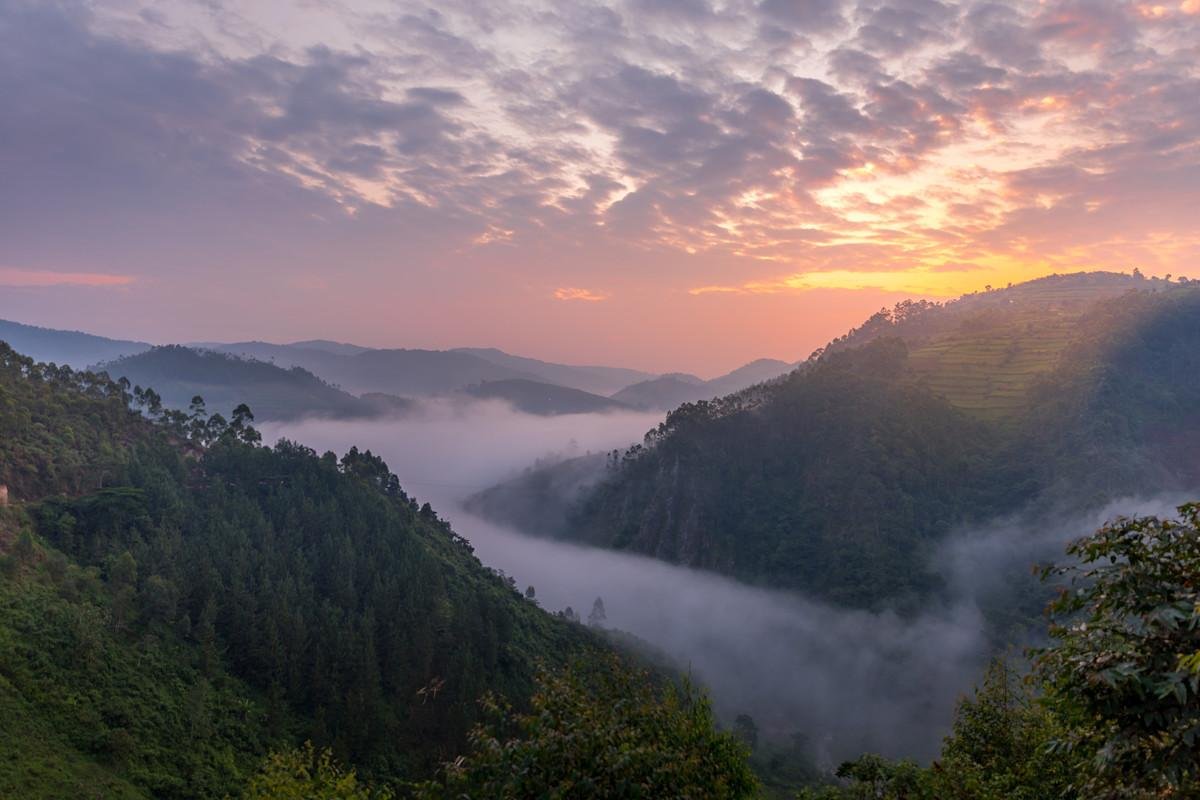
Mountain gorillas live naturally in two protected areas in Uganda. These are Bwindi Impenetrable National Park and Mgahinga Gorilla National Park. Both parks protect mountain forest habitats in the southwestern region. However, they offer different landscapes and trekking conditions. Bwindi features thick ancient rainforest, while Mgahinga has volcanic slopes and bamboo forests.
Mountain gorillas also live in Rwanda and the Democratic Republic of Congo. Their range includes the Virunga Mountains and the wider Bwindi forest region. Uganda’s two gorilla parks therefore form part of a much larger conservation landscape. Park authorities work with conservation organisations and neighbouring countries to protect the animals and their habitats.
Gorilla Trekking in Bwindi Impenetrable National Park
Bwindi Impenetrable National Park is Uganda’s most famous gorilla trekking destination. The park covers approximately 321 square kilometres in southwestern Uganda. Its ancient rainforest stretches across steep hills, deep valleys, and mountain slopes. UNESCO recognises Bwindi as a World Heritage Site because of its outstanding natural importance. The forest supports mountain gorillas, forest birds, butterflies, monkeys, and many plant species.
The park offers a rewarding experience for visitors who love wildlife and nature. As you walk through Bwindi, you may hear birds calling above the forest canopy. Small streams cross the hillsides, while thick vegetation covers many of the trails. The forest often feels cool and peaceful, especially during the early morning. However, some hiking routes can become challenging after heavy rain.
Bwindi has four main gorilla trekking sectors: Buhoma, Ruhija, Rushaga, and Nkuringo. Each sector has its own entrance area and nearby accommodation. Gorilla families move within their natural forest ranges, so the hiking distance changes from day to day. Visitors should choose their accommodation based on the trekking sector shown on their permits. This helps avoid long transfers before the morning briefing.
Buhoma Gorilla Trekking Sector
Buhoma lies in the northern part of Bwindi Impenetrable National Park. It holds an important place in Uganda’s gorilla tourism history. The area welcomed some of the earliest organised gorilla trekking visitors in the country. Today, Buhoma remains a popular starting point for travellers who want to explore Bwindi. Its well-established tourism services make safari planning relatively convenient.
The Buhoma area offers several accommodation choices, including comfortable mid-range lodges and luxury forest properties. Many lodges sit near green hills and enjoy beautiful views of the surrounding forest. Guests can relax in peaceful surroundings before their trekking experience. Some properties also arrange nature walks, birdwatching, and community visits. These activities provide additional ways to enjoy the Bwindi region.
Buhoma works particularly well for travellers arriving from Queen Elizabeth National Park. Many safari routes pass through the Ishasha sector before continuing towards northern Bwindi. This combination allows visitors to enjoy savanna wildlife and mountain gorillas on one journey. However, travellers must still confirm the correct permit sector before choosing a lodge.
Ruhija Gorilla Trekking Sector
Ruhija sits on the eastern side of Bwindi Impenetrable National Park. The area offers beautiful mountain views, cool weather, and peaceful forest surroundings. It attracts travellers who enjoy nature, birdwatching, and scenic landscapes. Ruhija also connects well with certain safari routes through Kabale and western Uganda. This makes it a useful stop on longer primate and wildlife tours.
Gorilla trekking in Ruhija takes visitors through forested hills with different walking conditions. Some trails involve steep slopes, while others follow gentler ground. The gorilla family’s location determines the distance and difficulty of the day’s hike. Visitors should bring suitable walking shoes, rain protection, and warm clothing. Morning temperatures can feel cool because Ruhija sits at a high elevation.
Birdwatchers also enjoy Ruhija because Bwindi supports many rare forest birds. Visitors may combine gorilla trekking with guided birdwatching activities during a longer stay. This allows travellers to enjoy more of the forest without rushing between destinations.
Rushaga Gorilla Trekking Sector
Rushaga lies in the southern part of Bwindi Impenetrable National Park. It is one of Uganda’s important gorilla trekking areas. The sector offers standard gorilla trekking and access to the Gorilla Habituation Experience. This makes Rushaga especially attractive to photographers and travellers who want more time with mountain gorillas.
The area features green hills, forest valleys, and beautiful views of southwestern Uganda. Visitors can choose from different safari lodges within reach of the trekking centre. Rushaga also connects with Kisoro, Lake Bunyonyi, and selected road routes from Rwanda. Travellers arriving through Kigali often consider southern Bwindi because of these connections.
Rushaga is particularly useful for visitors planning gorilla habituation. This activity offers more time to observe a gorilla family that is becoming familiar with people. However, habituation permits have limited availability. Travellers should confirm their permits before booking flights or accommodation that they cannot change.
Nkuringo Gorilla Trekking Sector
Nkuringo lies in southern Bwindi and offers some of the region’s most dramatic scenery. Visitors enjoy views of deep valleys, thick forests, and distant mountains. On clear days, parts of the Virunga volcanic range may appear beyond the hills. The peaceful setting attracts photographers, adventure travellers, and visitors seeking beautiful mountain accommodation.
Gorilla trekking in Nkuringo can involve steep forest slopes and long walks. The difficulty depends on the assigned gorilla family’s location. Some visitors complete a manageable hike, while others face more demanding terrain. Good fitness and proper walking equipment help make the experience more comfortable. Travellers should also consider hiring a local porter.
Nkuringo offers more than gorilla trekking. Visitors can enjoy selected guided walks, birdwatching, and cultural experiences around the region. Staying an extra night allows travellers to appreciate the scenery without rushing. The area also connects with southern Uganda destinations such as Kisoro and Lake Bunyonyi.
Which Bwindi Gorilla Trekking Sector Is Best?
There is no single best gorilla trekking sector for every traveller. Buhoma is convenient for many safaris coming from Queen Elizabeth National Park. Ruhija offers beautiful forest scenery and useful links with parts of western Uganda. Rushaga attracts visitors interested in gorilla habituation, while Nkuringo appeals to travellers who enjoy mountain landscapes.
The best sector depends on your travel dates, permit availability, fitness, and safari route. Accommodation also plays an important role. For example, booking a lodge in Buhoma while holding a Rushaga permit can create major transport problems. The two sectors lie on different sides of the forest. Travelling between them takes much longer than many first-time visitors expect.
At Zamunda Travels Uganda, we recommend confirming your trekking sector before selecting accommodation. This simple step helps create a smoother safari. It also allows your driver-guide to plan the correct route and arrival time.
Gorilla Trekking in Mgahinga Gorilla National Park
Mgahinga Gorilla National Park lies near Kisoro in southwestern Uganda. It covers approximately 33.7 square kilometres and forms part of the beautiful Virunga Mountains. Although Mgahinga is Uganda’s smallest national park, it offers outstanding scenery and wildlife experiences. The park features volcanic slopes, bamboo forests, and mountain vegetation.
Mountain gorillas live in this protected landscape alongside other wildlife. Visitors can track the Nyakagezi gorilla family under the guidance of Uganda Wildlife Authority rangers. Because Mgahinga offers fewer daily trekking places than Bwindi, travellers should check permit availability early. The park also attracts visitors who prefer the scenery of the Virunga volcanoes.
Mgahinga offers the added attraction of golden monkey tracking. These lively primates live in the park’s bamboo forests. Travellers can arrange separate activities to observe both gorillas and golden monkeys. The park also offers selected mountain hikes and cultural experiences. This makes Mgahinga a rewarding destination for travellers interested in wildlife, scenery, and outdoor adventure.
Bwindi vs Mgahinga: Where Should You Go?
Bwindi and Mgahinga both offer excellent mountain gorilla experiences. However, the parks suit different travel interests. Bwindi has several trekking sectors and a wider choice of accommodation. It also offers the Gorilla Habituation Experience in the southern forest region. These features make Bwindi attractive for many first-time visitors.
Mgahinga offers a smaller park setting with impressive volcanic scenery. Its location near Kisoro makes it convenient for certain Uganda and Rwanda routes. Travellers can also combine gorilla trekking with golden monkey tracking. The beautiful mountain landscape adds another reason to explore the area.
Your choice should depend on permits, transport, accommodation, and personal interests. Neither park guarantees an easier walk or better gorilla photographs. The gorillas remain wild and move freely within their habitats.
How Much Does Gorilla Trekking in Uganda Cost in 2026?
The cost of gorilla trekking in Uganda depends on several factors. The most important expense is the official gorilla trekking permit. As of October 2026, Uganda Wildlife Authority charges USD 800 per person for a standard foreign non-resident gorilla trekking permit. Other visitor categories qualify for different rates.
The permit covers the official gorilla trekking activity and the applicable guiding arrangements. It also includes the park entrance for the trekking day under UWA’s published tariff rules. However, it does not pay for your safari lodge, private transport, international flights, or personal expenses.
The total safari cost depends on the number of travel days and your accommodation choices. A private luxury safari with domestic flights costs more than a shorter road-based itinerary. Travellers also need to consider meals, airport transfers, and other planned activities.
When comparing safari prices, always check whether the quotation includes gorilla permits. Some packages include the permit within the total price. Others show it separately. A clear quotation helps you understand the full cost before booking.
Uganda Gorilla Trekking Permit Prices for Different Travellers
Uganda Wildlife Authority uses different permit rates for different visitor categories. Foreign non-residents pay the standard international visitor rate. Eligible foreign residents, visitors from other African countries, and East African Community citizens may qualify for different prices.
Travellers must provide the correct documents for their category. These may include a passport, national identification card, or valid residence documents. The Uganda Wildlife Authority checks the documents according to its permit rules.
Visitors should always confirm the correct price before making payment. Nationality, residence status, travel dates, and current tariff rules may affect the amount. A reliable safari operator can help explain which visitor category applies to your booking.
Uganda Gorilla Trekking Low-Season Permits
Uganda introduced lower gorilla permit prices for selected low-season months in 2026. The Uganda Wildlife Authority announced discounts for April, May, and November. Under this arrangement, foreign non-residents pay USD 600 per person, instead of the standard USD 800 rate. Eligible foreign residents receive a different discounted rate.
These months often experience wetter weather in southwestern Uganda. However, mountain gorilla trekking remains possible throughout the year. Travellers who do not mind muddy trails may find the low season attractive. The lower permit price can also reduce the overall cost of a safari.
There is one important condition. Uganda Wildlife Authority states that the discounted low-season permits cannot be rescheduled under this arrangement. Travellers must therefore choose their dates carefully. Always confirm the latest rules before booking a discounted permit for a future travel season.
Uganda Gorilla Permit Prices for 2027
Uganda Wildlife Authority announced new conservation tariff changes that take effect on 1 January 2027. Under the revised rates, the standard foreign non-resident gorilla trekking permit remains at USD 800 per person. This allows travellers to continue planning standard gorilla trekking at the published international visitor rate.
The main price change concerns the Gorilla Habituation Experience. The foreign non-resident habituation permit increases from USD 1,500 to USD 1,800 per person. This difference matters for photographers and travellers planning longer gorilla encounters.
Visitors arranging a 2027 safari should confirm the permit rates for their exact dates. They should also check any promotional offers and booking conditions. The official Uganda Wildlife Authority website provides the latest conservation tariff information.
How to Book a Gorilla Trekking Permit in Uganda
Travellers must secure a valid permit before joining a gorilla trekking activity. Uganda Wildlife Authority manages the permits for Bwindi and Mgahinga. Each permit applies to a specific trekking date and entry area. Visitors should confirm these details before booking accommodation.
Foreign non-resident travellers should arrange permits through a tour operator that meets Uganda’s licensing requirements. The operator checks availability and helps complete the booking process. Visitors must provide correct passport details and travel information.
Since March 2026, Uganda Wildlife Authority has required full payment to secure permits through its booking system. The authority suspended the earlier seven-day unpaid reservation arrangement. This means a permit inquiry does not guarantee a confirmed place.
Zamunda Travels can help travellers plan their safari around permit availability. Confirming the permit first makes it easier to organise accommodation, transport, and other activities.
How Far in Advance Should You Book Gorilla Trekking?
Booking early gives travellers more choices. Gorilla permits have limited daily availability, especially during popular travel months. Visitors planning a specific trekking sector or luxury lodge should begin arrangements well before their trip.
Early booking is particularly useful for travellers visiting during June, July, August, December, and other busy holiday periods. These months attract visitors who want to combine gorilla trekking with wider African safaris. Popular accommodation can also fill up during these seasons.
Last-minute permits may sometimes be available. However, travellers should not depend on finding them. Booking early reduces the risk of changing your route or missing your preferred trekking date.
What Is the Gorilla Habituation Experience in Uganda?
The Gorilla Habituation Experience offers a longer encounter with mountain gorillas. It differs from standard trekking because visitors spend time with a family undergoing habituation. During this process, trained experts gradually help wild gorillas become familiar with human presence.
The activity takes place under the guidance of authorised conservation staff and park rangers. Visitors accompany the team through the forest and observe the gorillas’ natural behaviour. The experience offers opportunities to learn about gorilla family life and conservation work.
Uganda’s Gorilla Habituation Experience allows up to approximately four hours of gorilla observation. The full excursion takes longer because visitors must first locate the family. The activity is particularly associated with southern Bwindi.
Photographers often choose gorilla habituation because the longer observation time offers more chances to capture natural behaviour. Visitors may watch gorillas feeding, resting, grooming, or interacting with young family members. However, the animals remain wild, and no particular behaviour can be guaranteed.
Gorilla Trekking vs Gorilla Habituation: Which Is Better?
Standard gorilla trekking suits most first-time visitors. It provides approximately one hour with a habituated gorilla family. During that hour, travellers can observe natural behaviour and take photographs. The standard permit also costs less than the habituation permit.
Gorilla habituation suits travellers who want a longer forest experience. The activity appeals to wildlife photographers, primate enthusiasts, and visitors interested in conservation. The extended observation time allows a deeper look at gorilla family behaviour.
Both experiences require a reasonable level of fitness. The forest hike can involve steep and muddy terrain. Travellers should choose the activity that best suits their interests, available time, and budget.
How Difficult Is Gorilla Trekking in Uganda?
Gorilla trekking can be physically demanding, but the difficulty varies. Some gorilla families stay relatively close to the starting point. Others move deeper into the forest or higher up the mountain slopes. Guides cannot predict the exact walking distance before every trek.
The forest trails may include steep hills, roots, streams, and thick vegetation. Rain can make the ground slippery. Visitors must sometimes walk through areas without wide or level paths. These conditions make proper footwear and reasonable fitness important.
Uganda Wildlife Authority notes that gorilla trekking may last about two to seven hours. The length depends on the gorillas’ location and other conditions. Some travellers find the activity easier than expected, while others need more effort.
You do not need to be an expert mountain climber. However, regular walking and basic fitness preparation will help. Travellers with mobility concerns should discuss their needs before booking.
How to Prepare Physically for Gorilla Trekking
Physical preparation can make gorilla trekking more enjoyable. Travellers should begin walking regularly several weeks before their safari. Walking on hills or uneven ground can help build strength and confidence. Stair climbing also prepares the legs for uphill sections.
Long walks improve stamina and help visitors understand their physical limits. You can gradually increase your walking time as your fitness improves. Choose comfortable footwear and practise walking in it before travelling.
Anyone with a medical condition should seek advice from a qualified healthcare professional. A safari operator can also explain the physical demands of the activity. This helps travellers make suitable plans before paying for permits.
Gorilla Trekking for Older Travellers
Older travellers can enjoy gorilla trekking when their health and fitness allow it. There is no need to be a young athlete. Many visitors simply need enough strength and balance to handle uneven forest paths. However, the difficulty of each trek varies.
Travellers should tell their safari operator about walking concerns before booking. This allows the team to discuss suitable arrangements and available assistance. Rangers may consider fitness during group allocation, although they cannot guarantee an easy route.
Some visitors hire porters to carry their bags and assist on difficult slopes. Special carrying assistance may also be available through local arrangements. Travellers must confirm such services in advance.
A private safari can provide more flexibility around accommodation and travel time. Extra nights near the park also allow visitors to rest before their trek.
Why You Should Hire a Gorilla Trekking Porter
Hiring a porter can make your gorilla trekking experience more comfortable. Porters help visitors carry backpacks, drinking water, rain jackets, and camera equipment. This reduces the weight you must carry while walking through the forest.
A porter may also offer support on muddy paths and steep slopes. Their experience with local terrain can make difficult sections easier to manage. This assistance becomes especially useful during longer hikes or rainy weather.
Porter services also support communities living near the national parks. Many local people earn income through tourism activities. Hiring a porter creates a direct benefit for someone in the community.
Travellers should consider using porter services even when they feel physically fit. The extra assistance allows them to focus more on enjoying the experience.
What Happens on Gorilla Trekking Day?
Your gorilla trekking day normally begins early in the morning. After breakfast, your safari guide drives you to the park’s designated briefing centre. Visitors meet Uganda Wildlife Authority rangers and receive information about the activity.
Rangers explain important rules before the trek begins. They discuss safety, gorilla behaviour, photography, and health precautions. They also organise visitors into groups and explain the day’s trekking arrangements.
Experienced trackers help locate the gorilla families. The guides then lead visitors into the forest. The walk may follow narrow paths, hillsides, and thick vegetation. Guides maintain contact with trackers and adjust the route as needed.
When the group reaches the gorillas, the guide explains how to approach the viewing area. Visitors must remain calm and follow all instructions. The standard observation period lasts approximately one hour.
After the encounter, the group walks back through the forest. Travellers then return to their lodge or continue with other planned activities. Because trekking times vary, it is best to leave the day flexible.
What Is It Like to Meet a Mountain Gorilla?
Seeing a mountain gorilla in the wild often creates a lasting memory. These animals have powerful bodies, expressive faces, and close family relationships. Visitors may notice how a silverback watches over his group or how a mother cares for her infant.
Some gorillas spend the encounter feeding on leaves and stems. Others rest quietly among the vegetation. Young gorillas may play, climb, or interact with family members. Each visit offers different moments because the animals follow their natural routines.
The experience also teaches visitors about gorilla behaviour. Rangers explain what the animals are doing and how the family interacts. Travellers learn to appreciate the gorillas without disturbing them.
The best approach is to enjoy the moment as it happens. Wildlife encounters cannot follow a fixed script. Patience and respect make the experience more rewarding.
How Long Can You Stay With Mountain Gorillas?
A standard gorilla trekking permit allows approximately one hour with the gorilla family. This period begins once the group reaches the gorillas under the guide’s instructions. Visitors may take photographs and observe natural behaviour during this time.
The one-hour rule helps protect mountain gorillas from too much human contact. Uganda Wildlife Authority limits visitor numbers and observation time for conservation reasons. These measures reduce disturbance and support responsible tourism.
The total trekking activity takes much longer than one hour. Visitors must also walk to and from the gorilla family. Travellers should therefore reserve enough time for the whole experience.
Important Gorilla Trekking Rules in Uganda
Uganda Wildlife Authority has established rules to protect gorillas and visitors. All trekkers must follow their ranger’s instructions. Visitors must also respect the required distance from the gorillas. The published rules specify a minimum distance of ten metres.
Visitors must never touch or feed mountain gorillas. They should avoid loud conversations and sudden movements. Flash photography is not allowed. Travellers must also avoid eating, drinking, or smoking while observing the animals.
Health rules are especially important. Mountain gorillas can catch certain illnesses from humans. Visitors with contagious symptoms must inform park staff before the trek. Rangers may stop unwell visitors from joining the activity to protect the animals.
The standard trekking rules also limit each gorilla family to eight visitors per day. This reduces disturbance and helps protect the gorillas’ natural behaviour.
What Should You Wear for Gorilla Trekking?
Choose comfortable clothing that protects you from the forest environment. Long trousers and long-sleeved shirts help protect your skin from branches, insects, and thick vegetation. Lightweight clothing works well during the hike.
Strong hiking boots are essential. Choose shoes with a good grip and enough support for uneven ground. Waterproof boots are especially helpful during the rainy season. Thick socks can also make long walks more comfortable.
Carry a waterproof jacket because rain can fall at any time. Gloves may help when holding branches or moving through thick vegetation. A small backpack provides space for drinking water, snacks, and personal items.
Avoid carrying unnecessary weight. A porter can help with extra equipment if you need assistance.
What Should You Pack for Gorilla Trekking?
A good packing plan makes the trekking day more comfortable. Your main items should include hiking boots, long trousers, a long-sleeved shirt, and a waterproof jacket. Bring a small backpack with drinking water, food for the hike, and any necessary medication.
Travellers who enjoy photography should carry suitable camera equipment. Extra batteries and memory cards may be helpful. Keep electronic devices in a waterproof bag to protect them from rain and moisture.
You may also need insect repellent, sunscreen, gloves, spare socks, and a hat. Keep your passport and required booking documents ready for the park briefing. Your safari operator can explain which documents you must present.
Pack carefully and focus on the items you truly need. A lighter bag makes walking easier, especially on steep forest trails.
Best Time for Gorilla Trekking in Uganda
Gorilla trekking takes place throughout the year in Uganda. Mountain gorillas live in their protected forest habitats during every season. Visitors can therefore enjoy gorilla encounters in both dry and rainy months.
The popular trekking periods run from June to September and December to February. These months generally experience less rain than the main wet seasons. Forest trails may be easier to walk when the ground is relatively dry.
However, rain can still occur during any month. Bwindi and Mgahinga contain mountain forest environments where weather conditions change quickly. Visitors should always prepare for wet conditions.
The rainy months can also offer enjoyable experiences. Forest vegetation often appears green and fresh. Some travellers enjoy quieter travel periods and seasonal permit offers.
The best time depends on your preferences, available dates, and budget. Good planning matters more than choosing one supposedly perfect month.
Gorilla Trekking During the Rainy Season
Rain should not automatically discourage you from visiting Uganda’s gorilla parks. Both Bwindi and Mgahinga remain beautiful throughout the year. Wet conditions support the forests and their rich plant life.
The main challenge is the condition of the trails. Heavy rain can create mud and slippery slopes. Visitors may need more time to walk safely through difficult areas. Waterproof boots, rain jackets, and porter assistance become especially useful.
The forest can also look beautiful during wet weather. Mist may cover the hills, while green vegetation surrounds the paths. Photographers often enjoy this atmosphere, although the low light can make camera work harder.
Travellers who prepare properly can still have rewarding gorilla encounters during rainy months.
How to Get to Bwindi From Entebbe
Many international visitors arrive in Uganda through Entebbe International Airport. From Entebbe, travellers can continue to Bwindi by road or domestic flight. The best choice depends on their budget, available time, and trekking sector.
A road safari passes through towns, farming areas, hills, and changing landscapes. Travellers can enjoy views of rural Uganda along the way. However, reaching Bwindi usually requires a long driving day. The journey may take around eight to eleven hours or longer, depending on the route and conditions.
A private safari vehicle offers flexibility during the journey. Visitors can stop for meals, photographs, or short breaks. Some itineraries include Lake Mburo or other attractions along the route.
Travellers should avoid planning a long road transfer immediately before an international flight. Allowing enough travel time helps reduce stress and delays.
Fly-In Gorilla Trekking Safaris in Uganda
Fly-in gorilla safaris offer a convenient alternative to long road journeys. Travellers can take domestic flights from Entebbe to airstrips serving southwestern Uganda. Kihihi and Kisoro are the main airstrips used for different Bwindi regions.
Kihihi generally serves northern Bwindi, including Buhoma. Kisoro provides access to southern Bwindi and Mgahinga. Travellers still need a vehicle transfer from the airstrip to their lodge.
Flying can save time and make a short safari more comfortable. This option appeals to couples, honeymooners, older travellers, and visitors who prefer luxury travel. It can also help photographers avoid long driving days.
Flight schedules and baggage limits vary. Your safari operator should confirm the best flight and ground transfer for your trekking sector.
Gorilla Trekking in Uganda From Kigali
Kigali offers another starting point for gorilla trekking in Uganda. Rwanda’s capital has an international airport and road connections towards southwestern Uganda. Travellers can cross the border and continue to Bwindi or Mgahinga.
A Kigali-based itinerary may work particularly well for southern Bwindi sectors. Visitors can travel through the appropriate border crossing before continuing to their lodge. The route depends on the trekking sector and current border conditions.
This option attracts travellers who want a short gorilla safari. It also suits visitors who plan to explore both Rwanda and Uganda. A combined journey can include Kigali, Volcanoes National Park, Bwindi, and Lake Bunyonyi.
Travellers must confirm visa and immigration requirements before crossing the border. A reliable guide can help plan the journey and avoid unnecessary delays.
Uganda vs Rwanda Gorilla Trekking
Uganda and Rwanda both offer excellent mountain gorilla trekking experiences. However, each country has different advantages. Uganda offers trekking in Bwindi and Mgahinga. Rwanda offers gorilla trekking in Volcanoes National Park.
Uganda appeals to travellers who want a longer wildlife safari. Visitors can combine gorilla trekking with chimpanzees, game drives, boat safaris, and scenic lakes. Uganda also offers the Gorilla Habituation Experience.
Rwanda appeals to travellers who prefer a shorter gorilla-focused journey from Kigali. Volcanoes National Park offers beautiful mountain scenery and a strong selection of luxury accommodation.
Permit prices also differ. Uganda’s standard foreign non-resident permit costs USD 800, while Rwanda’s standard international permit costs USD 1,500. Travellers should still compare the total safari cost before choosing a destination.
Some visitors combine both countries in one itinerary. This allows them to enjoy different landscapes and wildlife activities during the same journey.
Where to Stay During Gorilla Trekking in Uganda
Accommodation plays an important role in every gorilla safari. Visitors should choose a lodge close to their confirmed trekking sector. This reduces morning travel time and makes the safari easier to manage.
Buhoma offers several established mid-range and luxury lodges. Ruhija provides accommodation with beautiful forest and mountain views. Rushaga offers useful options for southern Bwindi trekking and habituation trips. Nkuringo attracts visitors seeking scenic hillside accommodation.
Travellers visiting Mgahinga can stay near Kisoro or other suitable locations around the park. Those who want to relax after trekking may spend additional nights at Lake Bunyonyi.
Choose accommodation based on location, comfort, service, and your safari budget. An attractive lodge far from the correct trekking point may create unnecessary travel problems.
Luxury Gorilla Trekking Safaris in Uganda
Luxury gorilla trekking combines a rare wildlife experience with comfortable travel arrangements. Visitors can stay in beautiful forest lodges and enjoy private safari services. Many luxury properties offer spacious rooms, excellent meals, and peaceful surroundings.
Luxury travellers may choose fly-in safaris to reduce long road transfers. They can also include additional nights for relaxation, photography, or other wildlife activities. A private driver-guide helps coordinate travel between destinations.
Luxury accommodation does not change the conservation rules. Every visitor must follow the same gorilla trekking guidelines. The main difference lies in the comfort and service surrounding the experience.
Zamunda Travels can help travellers plan private gorilla safaris with suitable accommodation and transport arrangements. The itinerary can reflect your interests, travel dates, and preferred level of comfort.
Gorilla Trekking Photography Tips
Mountain gorilla photography can be challenging because the forest often has limited natural light. Tall trees and thick leaves reduce the amount of sunlight reaching the ground. Photographers should prepare their cameras for shaded conditions.
A camera with good low-light performance can help capture clear images. A suitable zoom lens also gives photographers more flexibility. However, visitors must always respect the required viewing distance.
Avoid flash photography because park rules prohibit it. Keep your equipment protected from rain and moisture. Carry spare batteries and enough storage space for your photographs.
Try to capture natural moments rather than forcing a particular photograph. A young gorilla playing, a mother holding her infant, or a resting silverback can create wonderful images. Rangers will guide visitors on safe viewing positions.
Remember to enjoy the encounter beyond your camera. Watching gorillas with your own eyes can be just as rewarding as taking photographs.
Is Gorilla Trekking in Uganda Safe?
Uganda Wildlife Authority manages gorilla trekking with trained rangers and trackers. These professionals understand gorilla behaviour and forest conditions. They guide visitors and explain how to act near the animals.
Mountain gorillas remain wild animals despite their familiarity with people. Visitors must respect their space and avoid sudden movements. Rangers help manage the encounter and respond when gorillas move unexpectedly.
The forest itself also requires care. Steep trails and slippery ground can create challenges. Proper walking shoes and reasonable fitness reduce some of these risks.
Visitors should follow official travel advice and purchase suitable insurance. They should also discuss any medical concerns before booking. Careful preparation helps make the experience safer and more enjoyable.
Health Requirements for Gorilla Trekking
Mountain gorillas can catch certain illnesses from humans. This makes visitor health an important part of gorilla conservation. Travellers who feel unwell should inform their safari operator before the trek.
Visitors should follow the health rules that Uganda Wildlife Authority provides. These may include health checks and other measures to protect the animals. Anyone with contagious symptoms may need to postpone the activity.
Before travelling to Uganda, consult a qualified travel health professional. Ask about recommended vaccinations, malaria prevention, and other health needs. Travellers should also check Uganda’s current entry requirements.
Drink enough water and rest properly before trekking. These simple steps can help you prepare for the forest hike.
Can Children Go Gorilla Trekking in Uganda?
Uganda sets the minimum age for gorilla trekking at 15 years. This rule helps protect visitors and mountain gorillas. Forest hiking can involve difficult ground and unpredictable wildlife behaviour.
Families travelling with younger children can still enjoy many Ugandan attractions. Game drives, boat trips, cultural visits, and lake activities offer enjoyable alternatives. However, some activities have their own age limits.
Families with teenagers aged 15 or older may include gorilla trekking in their safari. The activity can teach young travellers about wildlife, conservation, and responsible tourism.
Parents should confirm all age requirements before booking. A family safari can include different activities based on the children’s ages and interests.
Gorilla Trekking and Chimpanzee Trekking in Uganda
Uganda offers excellent opportunities to see both mountain gorillas and chimpanzees. Kibale National Park is one of the country’s leading chimpanzee trekking destinations. The forest supports a large population of chimpanzees and other primates.
Chimpanzee trekking offers a different experience from gorilla trekking. Chimpanzees often move through trees and communicate with loud calls. Visitors may watch them feeding, climbing, or interacting with one another.
Mountain gorillas spend much of their time on the ground. Their family groups often move more slowly while feeding or resting. Seeing both species helps travellers understand their different lifestyles.
A popular safari route connects Kibale, Queen Elizabeth National Park, and Bwindi. Visitors can enjoy chimpanzees, savanna wildlife, and mountain gorillas during one journey.
Gorilla Trekking and Queen Elizabeth National Park
Queen Elizabeth National Park is a popular addition to Uganda gorilla safaris. The park lies in western Uganda and protects beautiful savanna landscapes, wetlands, and lakes. Visitors can enjoy game drives and boat safaris before continuing to Bwindi.
The park supports elephants, buffaloes, hippos, antelopes, and several predators. Lions and leopards also live within the park, although sightings depend on wildlife movement. Game drives offer opportunities to explore different habitats.
The Kazinga Channel is another major attraction. Boat trips provide opportunities to see hippos, crocodiles, birds, and other wildlife near the water. This experience contrasts with the forest trekking environment.
Travellers may also visit the Ishasha sector, which is famous for tree-climbing lions. The route through Ishasha works well for many safaris continuing towards northern Bwindi.
Gorilla Trekking and Lake Bunyonyi
Lake Bunyonyi offers a peaceful place to relax after gorilla trekking. The lake lies near Kabale in southwestern Uganda. Green hills surround its calm waters, while small islands add beauty to the landscape.
Travellers can enjoy boat trips, canoeing, birdwatching, and cultural visits around the lake. Many visitors simply relax at their lakeside lodge after the physical demands of trekking.
Lake Bunyonyi is especially attractive to couples and honeymooners. Its quiet atmosphere provides a relaxing break during a busy wildlife safari. The lake also offers beautiful views and opportunities for photography.
However, travellers should not assume the lake is close to every Bwindi trekking sector. The journey depends on the exact lodge and forest entry point. Your safari operator should plan transfers carefully.
Gorilla Trekking and Golden Monkey Tracking
Golden monkey tracking is another exciting primate activity in southwestern Uganda. Visitors can enjoy this experience in Mgahinga Gorilla National Park. Golden monkeys live among the bamboo forests of the Virunga Mountains.
These monkeys have striking golden fur and lively behaviour. Visitors may watch them jumping through vegetation, feeding, or moving in groups. Their quick movements create an exciting wildlife experience.
Travellers can combine golden monkey tracking with gorilla trekking on separate days. Each activity requires its own arrangements and permit. This combination works well for visitors exploring Kisoro and Mgahinga.
Gorilla Trekking and Murchison Falls National Park
Murchison Falls National Park offers a rewarding addition to a longer Uganda safari. The park lies in northwestern Uganda and features savanna, woodland, and river landscapes. Its main attraction is the powerful waterfall along the Nile.
Visitors can enjoy game drives in search of giraffes, elephants, buffaloes, lions, and other wildlife. Boat trips along the Nile offer opportunities to observe hippos, crocodiles, and birds.
A longer itinerary can combine Murchison Falls with Kibale, Queen Elizabeth, and Bwindi. This journey shows travellers several of Uganda’s most beautiful natural regions.
The distances between these parks are considerable. Travellers should allow enough days to enjoy each destination without rushing.
Best Uganda Gorilla Trekking Safari Itineraries
A successful gorilla safari should match your available time and travel interests. Some visitors want only one gorilla encounter. Others prefer to explore several national parks and wildlife experiences. Uganda offers many itinerary options for both short and extended holidays.
3-Day Uganda Gorilla Trekking Safari
A three-day safari suits travellers who have limited time. The first day includes a transfer to Bwindi or Mgahinga and an overnight stay near the trekking area. The second day focuses on gorilla trekking. Travellers return to their departure destination on the third day.
Kigali can be a useful starting point for certain short Uganda gorilla safaris. Travellers departing from Entebbe should carefully consider the longer road journey. Domestic flights may offer another option.
4-Day Gorilla Trekking and Lake Bunyonyi Safari
A four-day safari allows travellers to combine gorilla trekking with relaxation. The journey begins with a transfer to Bwindi. Visitors enjoy gorilla trekking on the second day before continuing to Lake Bunyonyi.
The lake offers boat trips, beautiful views, and comfortable accommodation. Travellers can relax after their forest adventure before returning to their departure point.
5-Day Uganda Gorilla and Wildlife Safari
A five-day safari can combine gorilla trekking with wildlife viewing in Queen Elizabeth National Park. Travellers may enjoy game drives, a Kazinga Channel boat cruise, and a transfer to Bwindi.
The gorilla trekking day provides the main primate experience. The final day includes the return journey or onward travel. The itinerary should account for long road transfers.
8-Day Gorilla, Chimpanzee and Wildlife Safari
An eight-day safari offers a broader Uganda experience. Visitors can start in Entebbe and travel to Kibale for chimpanzee trekking. The journey continues to Queen Elizabeth National Park for game drives and a boat safari.
Travellers then continue to Bwindi for gorilla trekking. This itinerary combines three of Uganda’s most popular wildlife destinations. It suits visitors who want primates and savanna animals on one safari.
10-Day Uganda Gorilla and Wildlife Safari
A ten-day safari provides more time to explore Uganda. Travellers may visit Kibale, Queen Elizabeth, Bwindi, Lake Bunyonyi, and Lake Mburo. The extra days allow more relaxed travel and additional activities.
Visitors can enjoy forest trekking, game drives, boat trips, and scenic landscapes. Private transport makes it easier to adjust the itinerary to individual interests.
15-Day Complete Uganda Gorilla Safari
A fifteen-day safari allows travellers to explore more of Uganda’s national parks. The journey can include Murchison Falls, Kibale, Queen Elizabeth, Bwindi, Lake Bunyonyi, and Lake Mburo.
Visitors can combine mountain gorillas with chimpanzees, lions, elephants, giraffes, and many other animals. The itinerary also offers opportunities for cultural experiences and relaxation.
This option suits travellers who want a complete wildlife journey rather than a short gorilla trip.
Responsible Gorilla Trekking and Conservation
Gorilla trekking plays an important role in wildlife conservation. Tourism generates income that supports park management and creates jobs around protected areas. Rangers, trackers, guides, and other workers help protect mountain gorillas and their habitats.
Communities near Bwindi and Mgahinga also benefit from tourism. Local people work in lodges, transport, guiding, farming, and craft businesses. Uganda Wildlife Authority also supports community projects through revenue-sharing programmes.
Responsible visitors can help these conservation efforts. They should follow park rules, respect wildlife, and support ethical tourism activities. Hiring local porters and using responsible safari services also contributes to community livelihoods.
Protecting mountain gorillas requires continued cooperation between park authorities, local communities, conservation groups, and visitors. Every responsible gorilla safari can support this shared effort.
Batwa Cultural Experiences Near Bwindi and Mgahinga
The Batwa have a long historical connection with the forests of southwestern Uganda. Their traditional knowledge includes forest plants, hunting practices, music, and storytelling. Today, selected community-led cultural experiences help visitors learn about this history.
Travellers can meet local guides and learn about Batwa traditions through suitable cultural programmes. These visits offer an opportunity to understand the human history of the region.
Visitors should choose activities that respect community members and support fair income opportunities. A cultural experience can add an important human connection to a Uganda gorilla safari.
Common Mistakes to Avoid When Planning Gorilla Trekking
One common mistake is booking a lodge far from the correct trekking sector. Bwindi has several access points, and travel between them takes time. Visitors should always confirm their permit location before choosing accommodation.
Another mistake is underestimating the forest hike. Some trekkers expect a short walk on flat ground. However, gorilla trekking may involve steep slopes, mud, and several hours of walking.
Travellers should also avoid planning too many activities in a short period. Uganda’s national parks are spread across different regions. Long drives can make a safari tiring when the itinerary has too few days.
Finally, visitors should never assume that a permit is secure before payment and official confirmation. Early planning helps avoid disappointment.
Frequently Asked Questions About Gorilla Trekking in Uganda
Is Gorilla Trekking in Uganda Worth the Money?
Gorilla trekking offers a rare opportunity to see endangered mountain gorillas in the wild. Visitors can observe family behaviour and learn about conservation. The experience also supports tourism jobs and wildlife protection. Many nature lovers consider it one of Africa’s most memorable wildlife activities.
How Much Is a Gorilla Permit in Uganda?
The standard foreign non-resident gorilla trekking permit costs USD 800 per person as of October 2026. A USD 600 low-season rate applies during April, May, and November under the announced conditions. Other visitor categories pay different rates.
How Long Does Gorilla Trekking Take?
A typical gorilla trekking activity may last about two to seven hours. The duration depends on the gorillas’ location and the walking conditions. Standard trekking allows approximately one hour with the gorilla family.
Can I Trek Gorillas in Uganda From Kigali?
Yes. Travellers can start their safari in Kigali and cross into southwestern Uganda. This route works well for certain Bwindi sectors and Mgahinga. Visitors must follow the current immigration requirements.
Is Gorilla Trekking Difficult?
Gorilla trekking can be physically challenging because of steep and muddy forest paths. However, the difficulty varies between treks. Regular walking, good hiking boots, and porter assistance can help.
Can Older Travellers Go Gorilla Trekking?
Yes. Older travellers can participate when their health and fitness allow it. Visitors should discuss any mobility concerns before booking. Suitable assistance may be available through advance arrangements.
Can Children Go Gorilla Trekking?
The minimum age for gorilla trekking in Uganda is 15 years. Families with younger children can enjoy other suitable safari activities. Always confirm age limits before booking.
Can I Trek Gorillas More Than Once?
Yes. Travellers can arrange more than one gorilla trekking day. Each day requires a separate permit. Multiple treks may offer different wildlife encounters and photography opportunities.
Is Gorilla Trekking Guaranteed?
Trackers work hard to locate habituated gorilla families. Sightings are generally highly successful, but the gorillas remain wild. Their movements and other conditions can affect the result.
Can I Take Photographs of Mountain Gorillas?
Yes. Visitors may take photographs while following ranger instructions. Flash photography is not allowed. Photographers must respect the required distance from the gorillas.
Can I Combine Gorilla Trekking With Chimpanzees?
Yes. Travellers can combine Bwindi gorilla trekking with chimpanzee trekking in Kibale National Park. Many itineraries also include Queen Elizabeth National Park for wildlife viewing.
When Should I Book Gorilla Trekking?
Book early when possible, especially during popular travel months. Permits and accommodation have limited availability. Early planning gives you more choices and helps secure suitable arrangements.
Why Book Your Uganda Gorilla Safari With Zamunda Travels?
At Zamunda Travels Uganda, we understand that a successful safari needs careful planning. Every traveller has different interests, travel dates, and expectations. Our goal is to help visitors enjoy Uganda’s wildlife while keeping their journey comfortable and well organised.
We can help plan private gorilla trekking safaris in Bwindi and Mgahinga. Travellers can also combine gorillas with chimpanzee trekking, golden monkey tracking, wildlife game drives, boat safaris, and cultural experiences.
Our safari planning focuses on the right trekking sector, suitable accommodation, and practical transport routes. We help travellers understand permit requirements and the important details of their journey.
Whether you are planning a short gorilla trip or a longer East African safari, Zamunda Travels can help you explore suitable travel options.
Plan Your Gorilla Trekking Safari in Uganda
Gorilla trekking in Uganda offers a wonderful opportunity to connect with nature. The forests of Bwindi and the mountains of Mgahinga provide a beautiful home for endangered mountain gorillas. A visit allows you to observe these remarkable animals and learn about the work that protects them.
You can combine your gorilla encounter with chimpanzees, wildlife safaris, beautiful lakes, and cultural experiences. Uganda offers many ways to create an unforgettable journey.
Contact Zamunda Travels Uganda to discuss your travel dates, gorilla permits, accommodation, and safari itinerary.
Zamunda Travels Uganda
Website: https://zamundatravels.com/
Email: info@zamundatravels.com
WhatsApp: +256 704 705 606
Destinations: Uganda, Rwanda, Kenya and Tanzania.
Discover Uganda’s mountain gorillas and enjoy an unforgettable African safari with Zamunda Travels.
Last updated: October 2026. Permit prices, activity rules, and travel requirements may change. Confirm the latest details before booking.