Volcanoes National Park Rwanda
October 11, 2026
Golden Monkey Tracking in Rwanda
October 11, 2026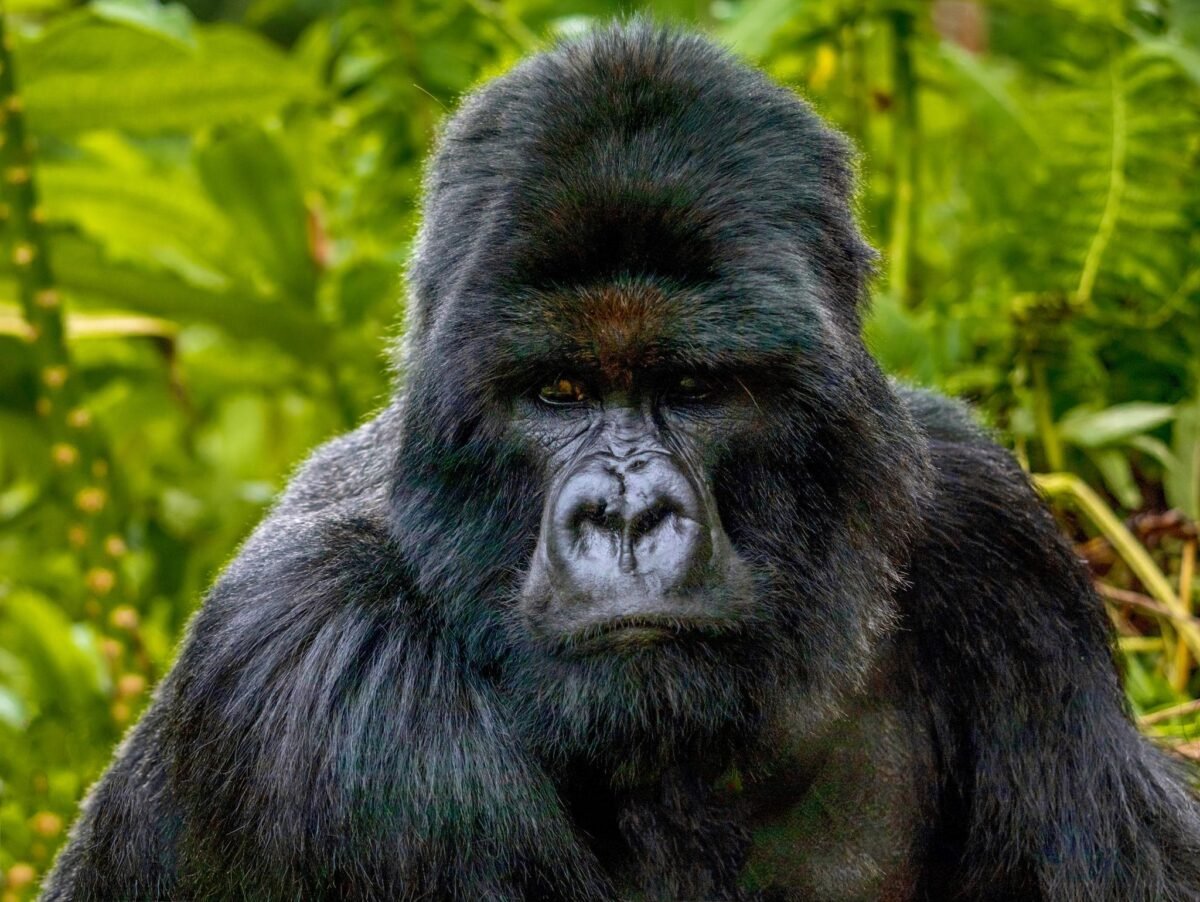
Gorilla trekking in Volcanoes National Park brings you into Rwanda’s mountain forests for an extraordinary wildlife encounter. You walk through bamboo and thick vegetation before meeting a gorilla family in its natural home. However, good planning makes this experience far more comfortable.
With Zamunda Travels, you can build your journey around your dates, fitness, budget, and wider safari interests. This guide explains permit costs, trekking conditions, accommodation choices, and what happens on the day. You will also find practical advice for protecting the gorillas and enjoying your time with them.
Why Choose Volcanoes National Park?
Volcanoes National Park lies in northwestern Rwanda, near Musanze and Kinigi. It protects forested slopes within the Virunga mountain range. Its landscapes include bamboo forest, evergreen woodland, grassland, and mountain wetlands.
Five volcanoes shape this remarkable setting: Karisimbi, Bisoke, Sabyinyo, Gahinga, and Muhabura. Mountain gorillas share these habitats with golden monkeys and many birds. Consequently, the area offers much more than a single wildlife activity.
For many travellers, convenient access from Kigali makes Rwanda especially attractive. You can enjoy a rewarding gorilla trip without crossing the country on lengthy road journeys. However, allowing extra nights helps you appreciate the region properly.
The experience also feels different from a conventional game drive. You explore on foot, following park guides through a living forest. Meanwhile, every rustle, birdcall, and fresh footprint adds to the anticipation.
Zamunda Travels can combine your Volcanoes National Park safari with other Rwandan destinations. Alternatively, you can include Uganda within a longer regional itinerary. The right choice depends on your available time and preferred experiences.
Gorilla Trekking in Volcanoes National Park: Permits and Costs
The standard Rwanda gorilla permit costs USD 1,500 per person for one trek. The minimum trekking age is 15 years. Therefore, families with younger children need separate activities and suitable childcare arrangements.
Your permit secures access to the regulated gorilla tracking activity. However, it does not cover your complete holiday. Transport, accommodation, meals, porter services, and other activities require separate budgeting.
For example, two travellers paying the standard rate should budget USD 3,000 for gorilla permits alone. Their final safari cost then depends on lodge choice, trip length, and additional services. This simple calculation helps prevent unrealistic expectations.
Can You Get a Reduced Permit Rate?
RDB publishes promotional categories for eligible citizens and residents. However, these rates carry conditions and seasonal exclusions. Its booking page excludes the listed promotional rates during June through October 2026.
Therefore, avoid assuming a discounted price applies to your nationality or travel dates. Ask Zamunda Travels to confirm eligibility before paying. For future departures, request the tariff valid on your actual trekking date.
Also, request written booking and cancellation terms. A permit is a dated wildlife reservation, so changing your travel plans can have financial consequences. Confirm those conditions before committing to flights.
When Is the Best Time to Go?
Gorilla trekking operates throughout the year. However, June to September and December to February generally offer drier trekking conditions. These periods are popular because trails often become easier to navigate.
Nevertheless, dry season does not mean rain-free forest. Mountain weather changes quickly, and showers can arrive during any month. Therefore, carry waterproof clothing regardless of your departure date.
March to May usually brings heavier rainfall. Meanwhile, October and November commonly experience another wetter period. Mud, slippery roots, and wet vegetation can make walking more demanding.
However, wetter months still offer rewarding encounters. The forest looks lush, and some lodges may offer lower seasonal rates. Always compare confirmed quotations instead of assuming your whole safari will cost less.
Choose your dates according to your priorities. If easier walking matters most, favour the drier periods. If flexibility and accommodation value matter more, consider wetter months with suitable preparation.
Zamunda Travels can help balance weather, permit availability, and lodge choices. Ideally, begin planning six to eight months ahead for popular dates. This is a planning recommendation, rather than an official booking deadline.
Getting from Kigali to Volcanoes National Park
Most visitors arrive through Kigali International Airport. From there, the road journey heads northwest towards Musanze and Kinigi. For planning, allow roughly two to three hours, with extra time for traffic and stops. Gorilla Trekking Rwanda
The journey passes cultivated hills, roadside settlements, and changing mountain views. Consequently, a daytime transfer adds scenery to your safari. Zamunda Travels can include sensible stops without making the journey unnecessarily long.
Stay near the park before your trekking morning. This reduces pressure from early departures and unexpected road delays. It also gives you time to organise clothing, documents, and your daypack.
A same-day trek from Kigali requires a very early start. Therefore, it suits fewer travellers than an overnight stay near Kinigi. Consider sleep, travel fatigue, and the cost of missing your reporting time.
Also, leave space after the trek. Avoid booking a tightly timed international flight that evening. Gorilla movements and walking conditions can delay your return.
For short trips, two nights near the park usually create a more relaxed schedule. Meanwhile, a third night allows another activity without rushing.
What Happens on Gorilla Trekking Day?
Your day begins with an early breakfast and transfer to Kinigi park headquarters. RDB lists the reporting time as 7:00 a.m. Bring your passport and the booking documents specified before departure.
Briefing and Group Allocation
Park staff organise visitors into trekking groups. During the briefing, guides explain forest conduct and introduce the day’s activity. Therefore, listen carefully even if you have trekked gorillas elsewhere.
Tell staff about mobility concerns and your walking ability. They may consider these when assigning groups. However, no operator can guarantee a short walk or a particular gorilla family.
Afterwards, your vehicle takes you towards the assigned trailhead. The walk may begin through farmland before entering forest. Meanwhile, your park guide leads the group and manages the encounter.
Finding the Gorilla Family
There is no fixed walking time. Some groups reach the gorillas relatively quickly, while others face a longer climb. Consequently, prepare for several hours outdoors and keep your afternoon flexible.
When your group reaches the gorillas, viewing lasts up to one hour. A maximum of eight visitors joins each group. This limit helps keep the encounter controlled and reduces pressure on the animals.
You might see feeding, resting, grooming, or youngsters playing. However, behaviour varies naturally, and no particular scene is guaranteed. Let the moment unfold without trying to influence it.
How Difficult Is Gorilla Trekking?
Difficulty depends on the gorillas’ location, weather, trail conditions, and your fitness. Expect uneven ground, muddy sections, vegetation, and uphill walking. Additionally, the mountain setting can make exertion feel harder.
You do not need to be an athlete. However, regular walking before departure helps build confidence. Practise on hills and stairs rather than relying only on flat routes.
Wear your hiking boots during preparation. This helps reveal uncomfortable pressure points before your safari. Meanwhile, practising with a light daypack makes the actual walk feel more familiar.
Why Hiring a Porter Helps
Porters can carry your daypack and assist on difficult sections. Therefore, hiring one can reduce fatigue and improve balance. RDB confirms porter services are available for an additional charge.
Ask about the current fee before the trek. Also, clarify payment arrangements and whether you need cash. Porter charges and gratuities should appear separately in your personal budget.
If you have significant mobility limitations, discuss them with Zamunda Travels before booking. Ask about available assistance and its exact cost. Never rely on a promise that gorillas will remain close to the forest edge.
Gorilla Trekking Packing List and Photography Tips
Pack for cool mornings, changing weather, and rough vegetation. Sturdy footwear, protective clothing, gloves, and a lightweight waterproof jacket are recommended. These items help with rain, nettles, and uneven trails.
Your gorilla trekking packing list should include:
- Broken-in hiking boots with good grip.
- Long trousers and a long-sleeved shirt.
- A waterproof jacket and warm layer.
- Gardening gloves and optional gaiters.
- A small daypack with a rain cover.
- Drinking water and a packed snack.
- Spare socks and personal essentials.
- A charged camera or phone.
- A waterproof pouch for documents.
Ask your lodge to prepare breakfast and a packed lunch in advance. Also, check whether drinking water is included. These small details matter when departure happens before normal service hours.
Taking Better Gorilla Photographs
Forest light can be dim and uneven. Therefore, practise your camera settings before travelling. Carry equipment you can manage comfortably without repeatedly changing lenses.
Flash photography is prohibited. Moreover, the ranger’s instructions always take priority over getting a photograph. Avoid moving closer simply to improve your framing.
A moderate zoom can help you photograph behaviour from the required distance. Meanwhile, a phone can still capture meaningful images. Spend part of the hour watching directly, so your memories extend beyond the screen.
Gorilla Rules and Responsible Travel
Gorillas are wild animals, even when they accept carefully managed human visits. Therefore, remain calm and follow your ranger throughout the encounter. Habituation allows observation; it does not make physical contact appropriate.
RDB’s published guidance asks visitors to maintain at least seven metres from gorillas. However, obey any stricter distance instruction given during your briefing. If a gorilla approaches, let the ranger direct your response.
Keep your voice low and avoid sudden movements. Never touch, feed, or deliberately attract the animals. Additionally, leave every piece of waste outside the forest through proper disposal.
Do not trek when you have a contagious illness. Inform Zamunda Travels promptly if you become unwell before your visit. Also, confirm current mask and health requirements shortly before departure.
Visit Rwanda encourages mask use, physical distance, and leaving no waste. It also states that permit revenue supports conservation and community projects. Consequently, responsible conduct complements the financial contribution of your visit.
Beyond the trek, choose respectful community experiences and locally made purchases. Ask permission before photographing people. Small, considerate choices help your safari support the surrounding area.
Where to Stay and How to Plan Your Safari
Musanze and the Kinigi area offer different accommodation styles. However, location matters as much as the room category. Check the actual driving time to headquarters before selecting a lodge.
Ask about early breakfast, packed lunches, boot cleaning, and drying facilities. Also, consider warm rooms and reliable hot water after a wet trek. These practical comforts can matter more than decorative extras.
Zamunda Travels can prepare a lodge shortlist around your budget and preferred location. Request a quotation showing permit costs and accommodation separately. This makes comparisons easier when reviewing different safari options.
A Practical Three-Day Itinerary
Day one: Arrive in Kigali and transfer towards Volcanoes National Park. Afterwards, settle into your lodge and prepare for trekking. If arrival allows, enjoy a short local outing.
Day two: Listen to the dawn chorus before breakfast and your transfer to Kinigi. Then join the guided gorilla trek. Afterwards, return to the lodge for rest and an unhurried evening.
Day three: Return to Kigali or add another experience before departure. Golden monkey tracking and volcano hiking offer further outdoor adventures. However, give demanding activities their own time rather than squeezing them after trekking.
For a longer holiday, discuss Lake Kivu, Akagera, or Nyungwe with Zamunda Travels. Share your dates, traveller numbers, ages, and interests when requesting a plan.
Contact info@zamundatravels.com, WhatsApp +256704705606, or visit Zamunda Travels.
Frequently Asked Questions
How much does gorilla trekking in Volcanoes National Park cost?
The standard gorilla permit costs USD 1,500 per person. However, your total holiday also includes transport, accommodation, meals, and other services. Ask Zamunda Travels for an itemised quotation.
How long does gorilla trekking take?
Walking time varies according to the gorillas’ location and trail conditions. Therefore, keep several hours available for the activity. Once you reach the family, viewing lasts up to one hour.
What is the best time for gorilla trekking in Rwanda?
June to September and December to February generally offer drier conditions. However, trekking runs throughout the year. Carry waterproof clothing during every season.
Can children join a gorilla trek?
The minimum age is 15 years. Therefore, younger children need an alternative programme while adults trek. Confirm supervision and activities before booking.
Can I choose my gorilla family or request an easier trek?
You can communicate preferences and explain your fitness level during planning and briefing. However, park staff make the allocation. No specific family or easy route can be guaranteed.