Gorilla Trekking Safaris in Rwanda
October 13, 2026
Big Five Safari in Akagera National Park
October 13, 2026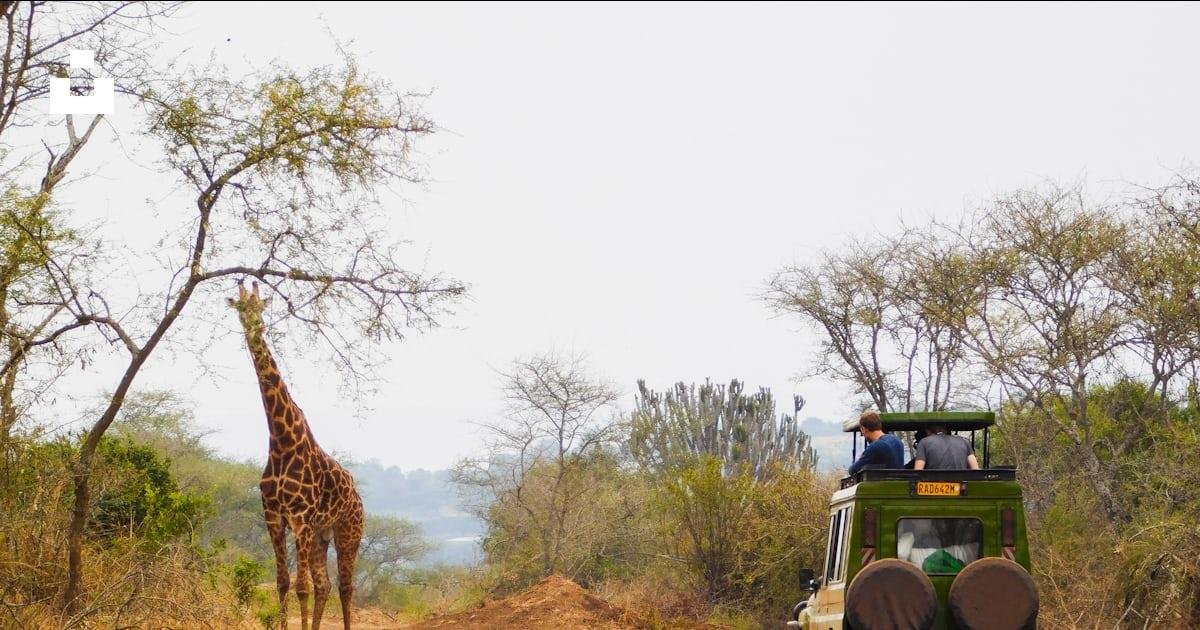
An Akagera National Park safari offers one of Rwanda’s most rewarding wildlife experiences. Imagine watching lions cross golden grasslands, elephants roam peaceful valleys, and hippos gather beside beautiful lakes.
Located in eastern Rwanda, Akagera National Park is the country’s only national park offering a classic Big Five savanna safari. Moreover, its remarkable landscapes combine open plains, rolling hills, wetlands, and acacia woodlands.
Unlike Rwanda’s mountain gorilla destinations, Akagera offers traditional African game drives and exciting boat safaris.
Whether you love wildlife photography, birdwatching, or family adventures, Akagera provides memorable safari experiences.
This complete guide covers wildlife, safari activities, entrance fees, accommodation, travel seasons, and practical planning tips. It also explains how Zamunda Travels Uganda Ltd can help organize your Rwanda wildlife safari.
Why Visit Akagera National Park in Rwanda?
Akagera National Park lies along Rwanda’s eastern border with Tanzania. The park covers approximately 1,122 square kilometres and protects one of Central Africa’s most important wetland ecosystems.
Established in 1934, Akagera is also Rwanda’s oldest national park.
Its name comes from the Akagera River, which flows along the park’s eastern boundary. Additionally, several lakes support a remarkable variety of animals and birds.
The park offers an excellent alternative to Africa’s larger, busier safari destinations.
What Makes Akagera National Park Special?
Akagera combines several outstanding wildlife experiences within one protected area.
Visitors can encounter:
-
Africa’s famous Big Five animals.
-
Large herds of zebras, buffaloes, and antelopes.
-
Giraffes browsing among acacia trees.
-
Hippos and Nile crocodiles around Lake Ihema.
-
Nearly 500 recorded bird species.
-
Beautiful savanna landscapes and extensive wetlands.
Furthermore, Akagera is one of Africa’s notable wildlife conservation success stories.
Lions returned in 2015, followed by eastern black rhinoceroses in 2017. Southern white rhinoceroses arrived in 2021, with further additions in 2025.
These successful reintroductions helped restore the park’s Big Five status.
Wildlife in Akagera National Park: Discover the Big Five
The primary attraction of a Rwanda wildlife safari is the opportunity to observe animals in their natural habitats.
Akagera supports an impressive range of mammals, birds, reptiles, and aquatic wildlife. However, its Big Five animals attract particular attention.
Lions: The Kings of Akagera
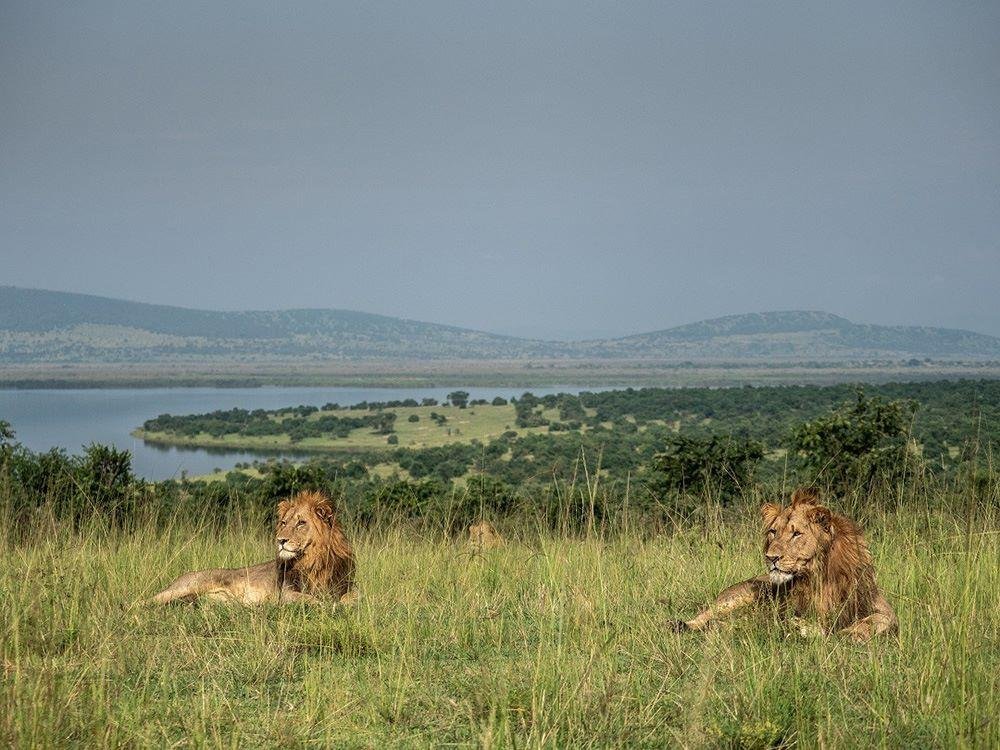
Lions have returned to Akagera, marking one of Rwanda’s greatest wildlife conservation achievements.
Lions are among Akagera’s most exciting predators.
They disappeared from the park during the 1990s. However, conservation efforts successfully reintroduced them in 2015.
Today, visitors may encounter lions resting in grasslands, hunting antelopes, or moving through open savanna.
Early morning game drives often provide excellent opportunities to search for them.
Elephants: Giants of the Savanna

Akagera’s elephants roam open grasslands, woodlands, and wetlands, creating unforgettable wildlife encounters.
African elephants roam Akagera’s woodlands, grasslands, and lakeshores.
These remarkable animals play an important ecological role. They shape vegetation, distribute seeds, and create pathways through thick bush.
Visitors may see elephant families feeding together or approaching water sources.
However, always maintain a safe distance, especially around calves.
Leopards: Akagera’s Elusive Predators
Leopards are among Africa’s most secretive big cats.
They often rest in trees or move quietly through woodland habitats. Consequently, spotting one requires patience and careful observation.
Early mornings and guided night drives can improve your chances.
Nevertheless, leopard sightings are never guaranteed.
Rhinoceroses: A Conservation Success
Akagera protects both eastern black rhinoceroses and southern white rhinoceroses.
Their return represents a major achievement for Rwanda’s wildlife conservation efforts.
Black rhinoceroses usually prefer denser vegetation. Meanwhile, white rhinoceroses often feed in more open grassy areas.
Although rhinoceroses inhabit the park, sightings depend on their movements and vegetation conditions.
African Buffaloes: Powerful Herd Animals
African buffaloes are widespread across Akagera’s savanna and woodland habitats.
Visitors frequently encounter groups grazing near water sources or resting in open plains.
Despite their peaceful appearance, buffaloes can be unpredictable. Therefore, observing them from a safari vehicle is essential.
Other Wildlife You Can See
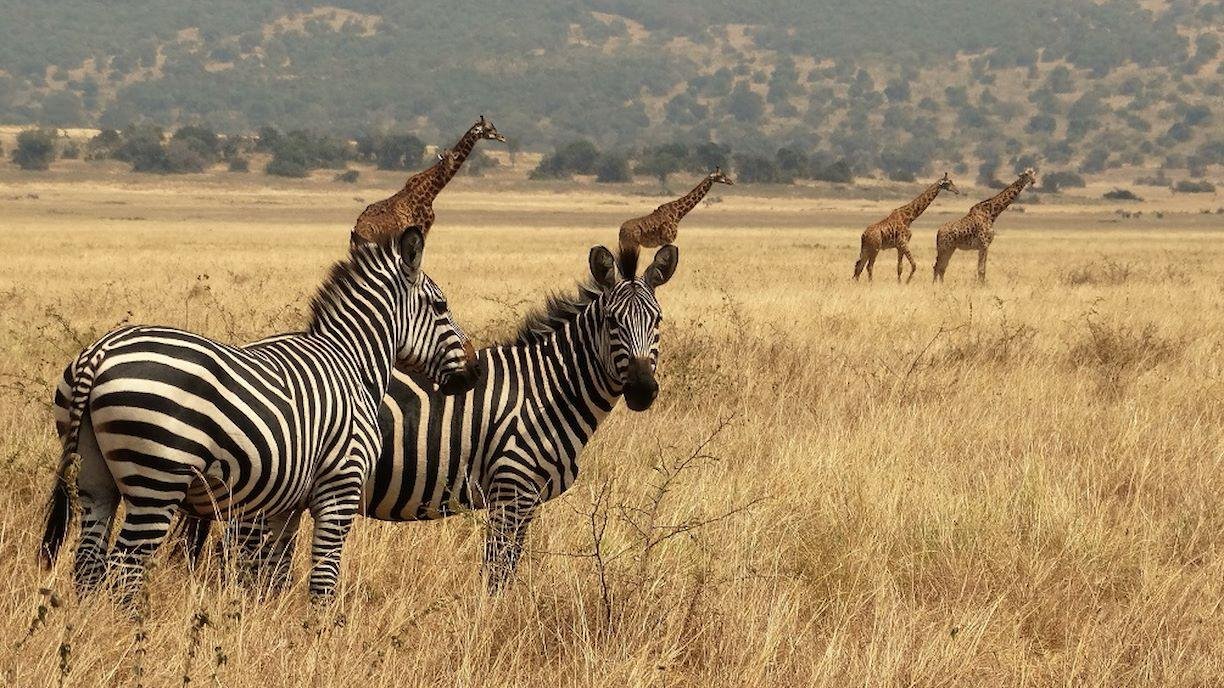
From elegant giraffes to beautifully striped zebras, Akagera showcases Rwanda’s diverse savanna wildlife.
Beyond the Big Five, Akagera offers many other exciting wildlife encounters.
Commonly observed species include giraffes, plains zebras, impalas, topis, waterbucks, and warthogs.
You may also encounter olive baboons, vervet monkeys, spotted hyenas, and several mongoose species.
Together, these animals make Akagera an outstanding destination for wildlife enthusiasts.
Best Safari Activities in Akagera National Park
An Akagera National Park safari offers much more than traditional wildlife viewing. Visitors can enjoy exciting activities across different habitats.
Game Drives in Akagera National Park
Game drives are the park’s most popular safari activity.
Experienced guides help visitors locate wildlife while explaining animal behaviour and the surrounding ecosystem.
Morning drives offer beautiful sunrise views and excellent wildlife photography opportunities. Meanwhile, afternoon drives reveal animals gathering around water sources.
For better wildlife sightings, plan at least two game drives during your visit.
Lake Ihema Boat Safari
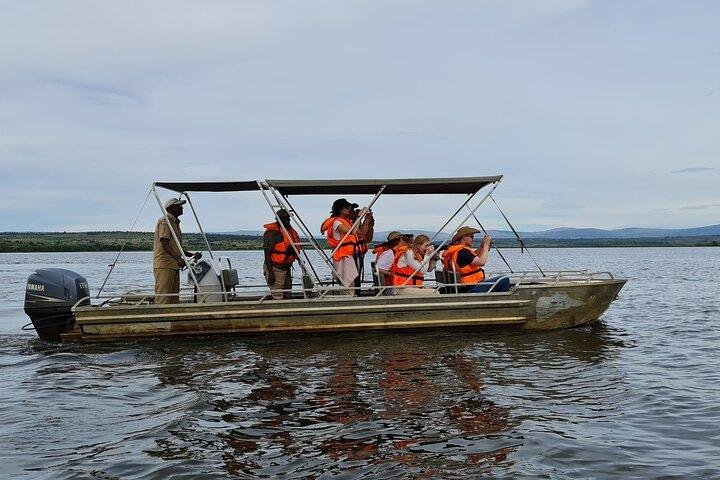
Explore Lake Ihema by boat and discover Akagera’s remarkable wetlands, hippos, crocodiles, and waterbirds.
A Lake Ihema boat safari offers a completely different wildlife experience.
Visitors cruise across the water while observing hippos, Nile crocodiles, elephants, and colourful waterbirds.
Moreover, the lake’s peaceful environment creates wonderful photography opportunities.
Scheduled boat departures include 7:30 AM, 9:00 AM, 3:00 PM, and 4:30 PM. Advance booking is recommended.
Guided Night Game Drives
Night drives introduce visitors to Akagera’s remarkable nocturnal wildlife.
With an experienced park guide, you may encounter bushbabies, spotted hyenas, leopards, and other active nighttime animals.
Additionally, nocturnal safaris offer a different perspective on predator behaviour.
These activities are available to overnight visitors through approved park arrangements.
Birdwatching in Akagera National Park
Akagera is one of Rwanda’s most rewarding birdwatching destinations.
Nearly 500 bird species have been recorded across its grasslands, woodlands, lakes, and papyrus swamps.
Notable birds include African fish eagles, papyrus gonoleks, red-faced barbets, saddle-billed storks, and African jacanas.
The rare shoebill is also associated with Akagera’s wetlands. However, sightings are extremely uncommon and should never be expected.
For birdwatchers, early morning excursions offer excellent opportunities.
Best Time to Visit Akagera National Park
Akagera welcomes visitors throughout the year. However, different seasons offer different wildlife experiences.
Dry Season: June to September
The dry months often provide excellent conditions for traditional game viewing.
Vegetation becomes thinner, making some animals easier to observe. Additionally, wildlife frequently gathers around permanent water sources.
Road conditions are generally more manageable during dry periods.
Consequently, these months are popular among wildlife photographers and first-time safari visitors.
Green Season: October to May
The wetter months bring fresh vegetation, beautiful scenery, and excellent birdwatching opportunities.
Migratory birds increase seasonal diversity, while dramatic skies create attractive photography conditions.
However, heavy rainfall can affect certain park roads.
Interestingly, the park recommends November through April for its overall scenery and visitor experience.
Travel tip: Choose June to September for easier game viewing. Meanwhile, consider November to April for greener landscapes and birdwatching.
Akagera National Park Entrance Fees and Safari Costs
Understanding safari expenses helps visitors prepare a realistic travel budget.
Akagera National Park entrance fees depend on nationality, residency, and length of stay.
Official Akagera Park Entrance Fees for 2026
The following rates come from the park’s published 2026 pricing schedule.
| Visitor category | One day or night |
|---|---|
| International adult visitor | $100 |
| International child aged 6–12 | $50 |
| Foreign resident of Rwanda/EAC | $50 |
| Rwandan/EAC citizen | RWF 15,000 |
| Children aged 5 and below | Free |
Additional activities carry separate charges.
| Safari activity | Published rate |
|---|---|
| Scheduled daytime boat safari | $35 per adult |
| Scheduled sunset boat safari | $45 per adult |
| Guided night drive | $40 per adult |
| Half-day park-operated game drive | $200 per vehicle |
| Full-day park-operated game drive | $350 per vehicle |
Vehicle fees, accommodation, meals, and transfers may increase your total safari cost.
For overnight visitors, entry pricing follows separate multi-night rules. Therefore, confirm your final quotation before travelling.
Where to Stay in Akagera National Park
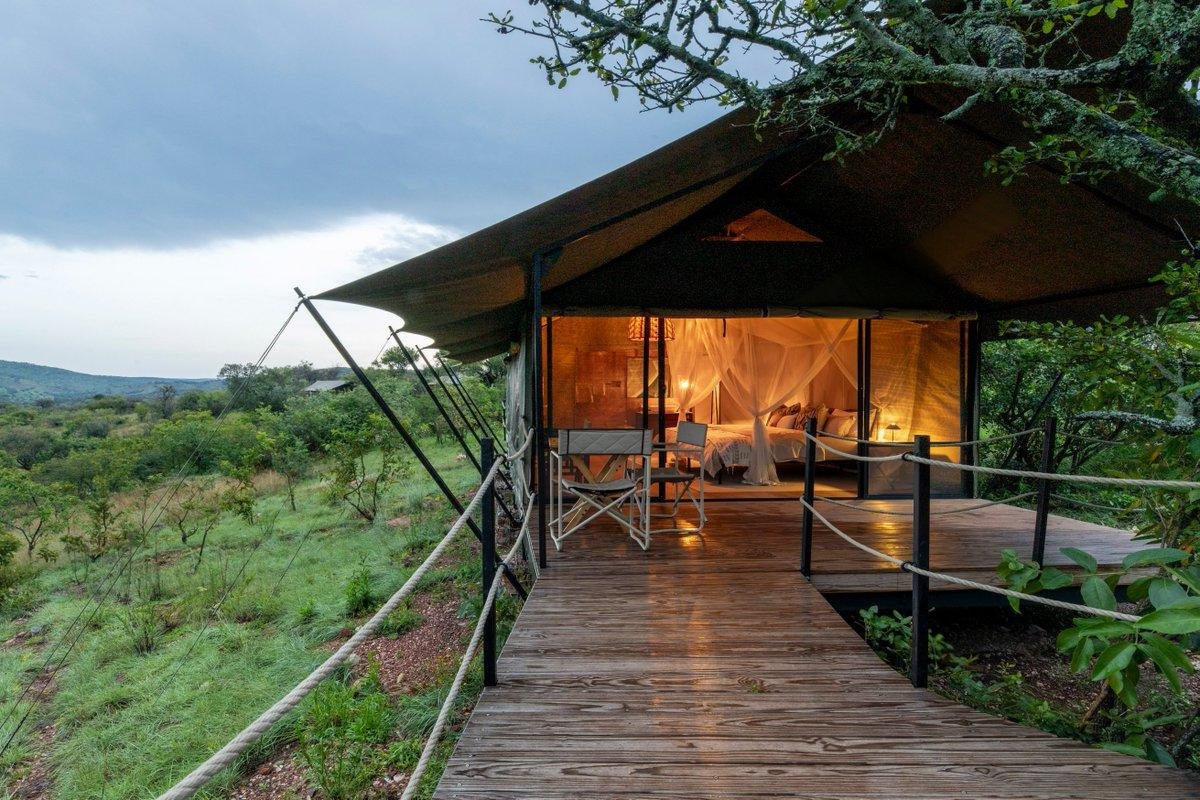
Experience the peaceful wilderness of Akagera with comfortable tented accommodation close to nature.
Akagera offers accommodation for luxury travellers, families, and visitors seeking affordable wilderness experiences.
Luxury Safari Accommodation
Wilderness Magashi offers an exclusive safari setting beside Lake Rwanyakazinga.
Its location provides opportunities for wildlife photography, lake views, and guided safari experiences.
Meanwhile, Ruzizi Tented Lodge provides comfortable tented accommodation near Lake Ihema.
The lodge blends natural surroundings with an intimate safari atmosphere.
Midrange and Wilderness Accommodation
Karenge Bush Camp offers an authentic bush experience overlooking the northern plains.
It particularly suits travellers seeking peaceful landscapes and immersive wildlife encounters.
Other lodges around the park provide additional accommodation choices, depending on budget and availability.
Camping in Akagera
Camping offers a more affordable way to experience the park’s wilderness.
Designated campsites include Muyumbu, Shakani, Mutumba, and Mihindi.
However, visitors must follow campsite safety regulations and remain within approved areas.
How to Get to Akagera National Park from Kigali
Akagera lies approximately 110 kilometres east of Kigali.
The drive to the southern entrance generally takes around two to three hours. However, travel times depend on road conditions and traffic.
Visitors usually travel through Rwanda’s beautiful countryside before reaching the park.
A suitable safari vehicle is recommended, especially during wetter months.
At Zamunda Travels, we arrange private safari transportation, professional guiding, accommodation, and wildlife activities.
Additionally, travellers can combine Akagera with Rwanda’s other national parks.
Suggested 2-Day Akagera National Park Safari Itinerary
A two-day safari provides a balanced combination of wildlife encounters and relaxation.
Day 1: Kigali to Akagera, Game Drive and Boat Safari
Leave Kigali early and travel towards Akagera National Park.
After entering the park, enjoy a game drive through woodland and savanna habitats.
Look for elephants, zebras, giraffes, buffaloes, and other wildlife.
Later, experience a scheduled boat safari on Lake Ihema.
Watch hippos and crocodiles while enjoying beautiful wetland scenery.
Finally, transfer to your accommodation for dinner and an overnight stay.
Day 2: Sunrise Game Drive and Return to Kigali
Begin with the dawn chorus, as birds welcome another beautiful African morning.
After breakfast or an early wildlife excursion, explore additional game-viewing areas.
Your guide will focus on suitable habitats for lions, rhinoceroses, and grazing herbivores.
Afterwards, leave the park and return to Kigali.
For more extensive wildlife viewing, consider extending your visit to three days.
Practical Tips for an Excellent Akagera Safari
Good preparation improves comfort, safety, and wildlife viewing opportunities.
Choose lightweight clothing in neutral colours. Additionally, carry sunscreen, insect repellent, drinking water, and binoculars.
Photographers should bring a zoom lens and spare batteries.
Always remain inside your vehicle unless your guide confirms an approved stopping area.
Never approach wild animals or feed them.
Moreover, keep noise levels low when watching predators or sensitive wildlife.
Consult a travel health professional about malaria prevention and other health precautions before visiting.
Finally, allow extra time for unexpected sightings. Wildlife rarely follows a fixed schedule.
Why Book Your Akagera Safari with Zamunda Travels?
A successful safari depends on thoughtful planning, reliable transport, and knowledgeable guidance.
Zamunda Travels Uganda Ltd organizes customized wildlife safaris across Rwanda, Uganda, Kenya, and Tanzania.
We help travellers combine Akagera’s savanna wildlife with gorilla trekking, chimpanzee tracking, and cultural experiences.
Our safari arrangements can include accommodation, park activities, private transportation, and personalized itineraries.
Whether you prefer a short Kigali getaway or a longer East African adventure, we can tailor the journey.
Explore Rwanda’s Wild Side with Zamunda Travels — Beyond Expeditions.
Website: www.zamundatravels.com
Email: info@zamundatravels.com
WhatsApp: +256 704 705 606
Contact Zamunda Travels Uganda
Frequently Asked Questions About Akagera National Park Safari
1. Is Akagera National Park worth visiting?
Yes. Akagera offers Big Five wildlife viewing, beautiful savanna landscapes, and exciting boat safaris.
Furthermore, its proximity to Kigali makes it convenient for shorter Rwanda safari holidays.
2. Can you see the Big Five in Akagera National Park?
Yes. Akagera protects lions, leopards, elephants, African buffaloes, and both black and white rhinoceroses.
However, spotting all five animals during one safari is not guaranteed.
3. How many days do you need in Akagera National Park?
Two days are ideal for combining game drives with a boat safari.
However, three days provide more time for wildlife photography, birdwatching, and exploring the northern plains.
4. What is the best month to visit Akagera National Park?
June through September often provides excellent game-viewing conditions.
Meanwhile, November through April offers beautiful green landscapes and rewarding birdwatching.
5. Can you visit Akagera National Park from Kigali in one day?
Yes. A one-day Akagera safari from Kigali is possible.