Uganda Safari for Solo Travellers
October 25, 2026
Kibale vs Budongo vs Kalinzu
October 25, 2026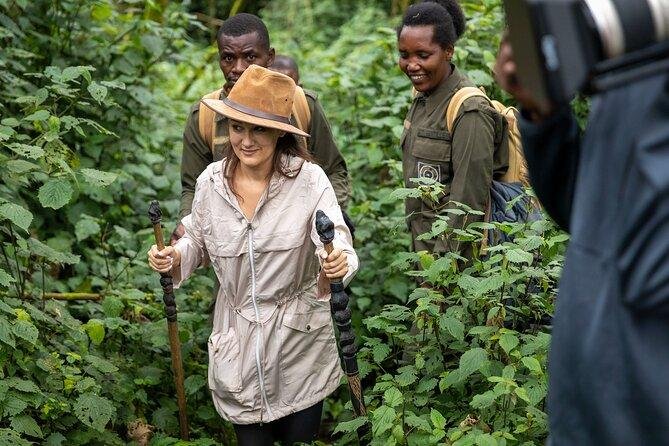
Gorilla trekking for older travellers in Uganda is possible with careful planning, suitable accommodation, and the right support. Age alone should not stop someone from visiting mountain gorillas in their natural habitat.
However, trekking through a tropical forest requires preparation. Trails can be steep, slippery, and physically demanding.
At Zamunda Travels Uganda Ltd, we help visitors plan private gorilla safaris around their comfort, mobility, and travel preferences. This guide explains how to prepare for a rewarding and manageable experience.
Quick Answer: Gorilla trekking for older travellers in Uganda is possible, including for visitors over 60 or 70. There is no published upper age limit. However, fitness and mobility matter. Choosing suitable accommodation, hiring a porter, discussing easier trekking options, and allowing enough recovery time can make the experience more comfortable.
Is Gorilla Trekking for Older Travellers in Uganda Possible?
Yes. Uganda welcomes older travellers who want to see mountain gorillas in the wild.
The Uganda Wildlife Authority (UWA) sets a minimum trekking age of 15 years. However, it does not publish a maximum age limit.
Therefore, travellers in their sixties, seventies, or eighties may participate if their health and mobility allow.
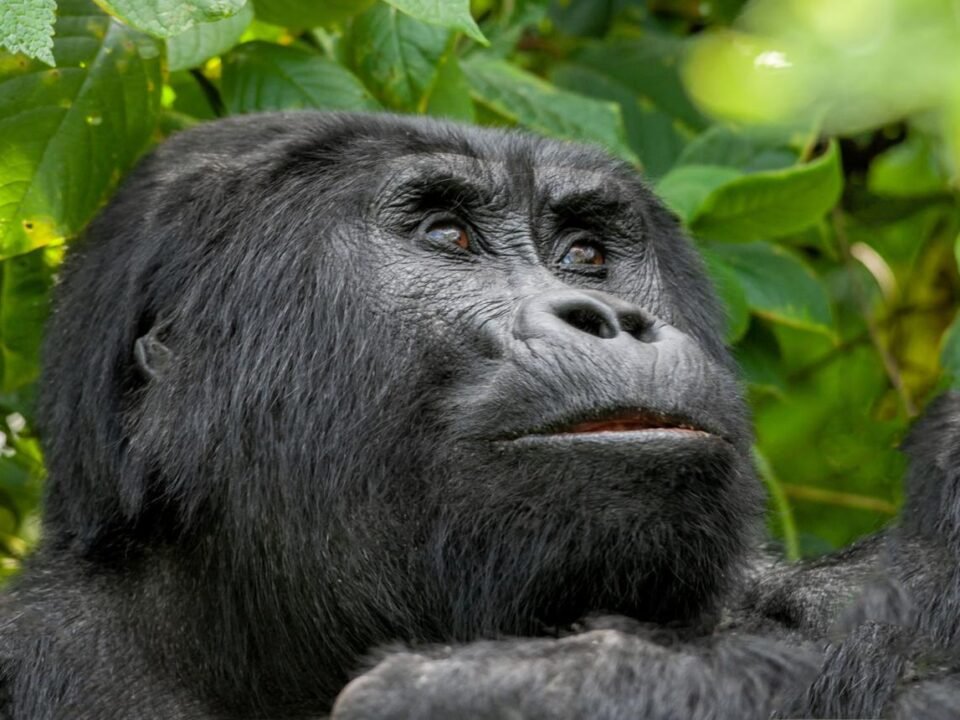
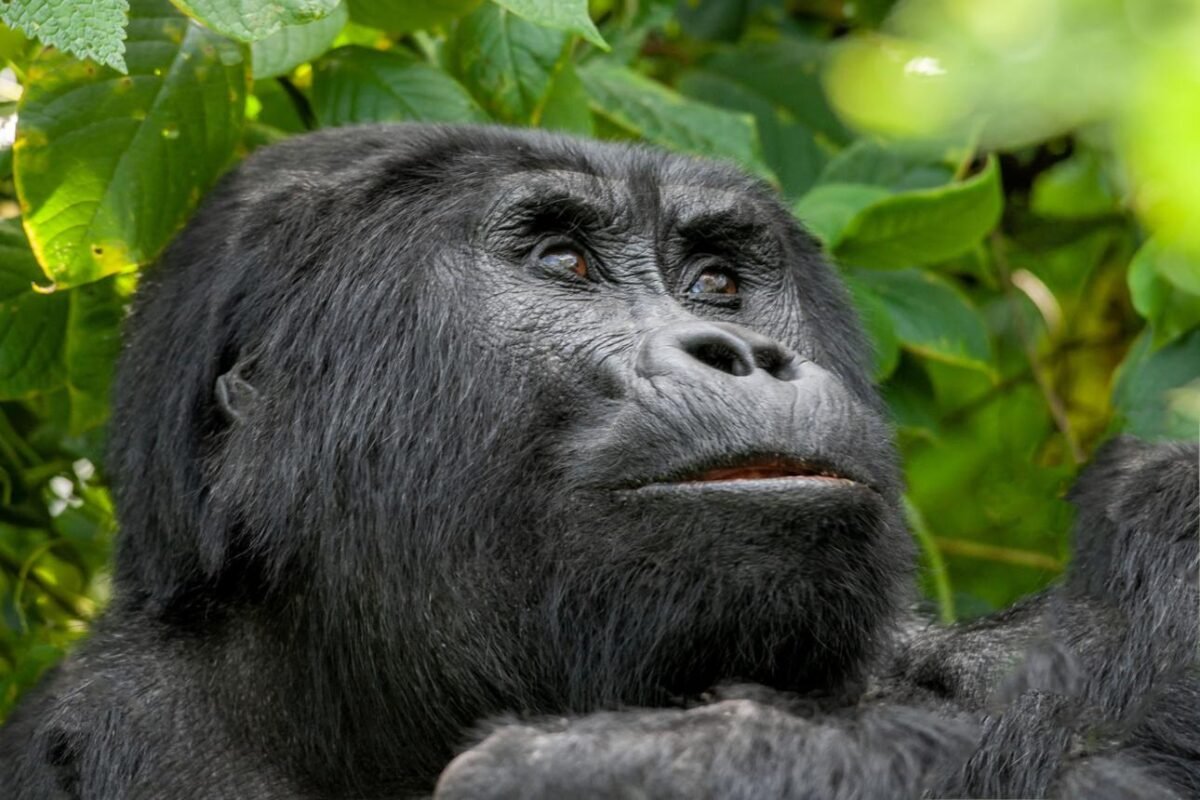
Gorilla trekking takes place mainly in Bwindi Impenetrable National Park and Mgahinga Gorilla National Park.
Both parks protect endangered mountain gorillas. However, their landscapes include steep slopes, dense vegetation, and uneven walking surfaces.
A fit 75-year-old may manage a trek better than a younger visitor with limited mobility. Consequently, physical ability matters more than age.
Before booking, consider these questions:
- Can you walk on uneven ground?
- Can you manage moderate slopes with assistance?
- Do you have knee, hip, or balance problems?
- Can you remain comfortable outdoors for several hours?
- Would you benefit from a porter or carrying chair?
Our guides at Zamunda Travels recommend discussing these concerns before choosing your trekking location.
How Difficult Is Gorilla Trekking for older people in Uganda?
Gorilla trekking can range from a relatively short walk to several hours of demanding hiking.
The duration depends on the gorillas’ location, terrain, weather, and the group’s walking speed.
Mountain gorillas move through the forest daily. Therefore, no tour operator can guarantee a short trek.
Understanding the Walking Conditions
Bwindi contains steep hills, forest paths, exposed roots, and muddy sections.
Some trekking routes also require walking through thick vegetation away from established trails.
Additionally, the park’s mountainous landscape means visitors may experience cooler temperatures and changing weather.
A trek may involve uphill walking, downhill sections, and frequent stops.
However, rangers guide visitors and can allow rest breaks when conditions permit.
How Fit Should Older Travellers Be?
You do not need to be an athlete. However, you should understand your physical limits.
Regular walking before departure can improve confidence and stamina.
For example, start with comfortable walks on level ground. Then, gradually introduce gentle hills and uneven paths.
Practise wearing your trekking shoes before travelling.
If you have medical concerns, ask your doctor whether this activity is appropriate.
Best Gorilla Trekking Sectors for Older Travellers
Choosing the right trekking sector is one of the most important planning decisions.
Bwindi has four main trekking sectors: Buhoma, Ruhija, Rushaga, and Nkuringo.
Each sector offers different terrain, accommodation, and access arrangements.
Buhoma Sector
Buhoma lies in northern Bwindi and has an established tourism infrastructure.
It offers several accommodation options and access to different trekking groups.
Therefore, Zamunda Travels often considers Buhoma when planning a comfort-focused safari.
However, some gorilla families may move far into the forest. Buhoma does not guarantee an easy trek.
Rushaga Sector
Rushaga lies in southern Bwindi and has several habituated gorilla families.
This can provide flexibility when rangers allocate trekking groups.
As a result, Rushaga is another option worth discussing for older visitors.
However, the terrain remains mountainous, and some routes are demanding.
Ruhija and Nkuringo Sectors
Ruhija sits at a higher elevation and offers excellent forest scenery.
However, its trails may be challenging for visitors with limited stamina.
Nkuringo also has steep slopes and demanding ascents.
Therefore, travellers with significant knee problems should discuss these sectors carefully before booking.
Our recommendation: Ask Zamunda Travels to review Buhoma and Rushaga first. Nevertheless, the final choice should depend on permit availability, mobility, and current trekking conditions.
Porter Support and Sedan Chairs for Older Travellers
Gorilla trekking for older travellers becomes more manageable when suitable assistance is arranged.
Uganda offers local porter services at gorilla trekking locations.
These services also provide employment opportunities for surrounding communities.
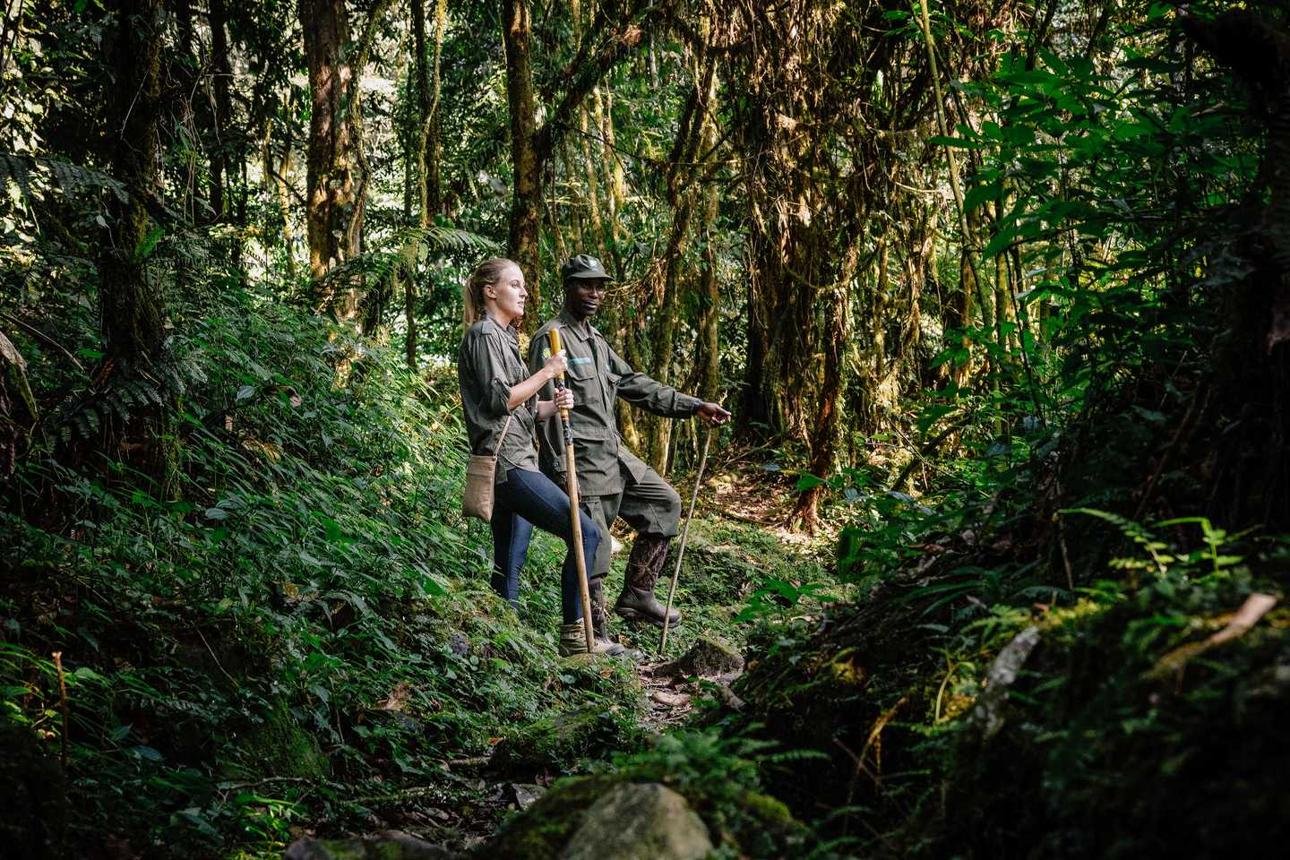
Why Hire a Gorilla Trekking Porter?
A porter can carry your daypack and help you maintain balance on difficult sections.
For example, they may offer a supporting hand when crossing slippery ground.
This allows you to concentrate on walking safely.
Even physically active older visitors can benefit from hiring a porter.
However, porter assistance does not remove the physical demands of trekking.
Gorilla Trekking Sedan Chair Uganda
Some trekking locations offer carrying-chair services for visitors who cannot walk long distances.
A trained team carries the traveller through suitable sections of the forest.
This arrangement requires advance planning and confirmation.
Furthermore, costs depend on the service provider, terrain, and assistance required.
Carrying services do not make every route accessible. Safety and feasibility must be assessed before booking.
Zamunda Travels can help request current arrangements and quotations.
If mobility is a concern, contact Zamunda Travels before purchasing your permit. We can discuss available support and suitable trekking sectors.
Gorilla Trekking Costs for Older Travellers in Uganda
The main safari expense is usually the gorilla trekking permit.
Uganda Wildlife Authority sets permit prices according to visitor categories.
For 2026, the published standard foreign non-resident permit rate is USD 800 per person.
The same published standard rate continues into 2027.
However, discounted low-season rates may apply during April, May, and November, subject to eligibility and booking conditions.
Rates change, so confirm current prices with Zamunda Travels.
What Else Should You Budget For?
Besides the permit, your safari budget should consider:
- Private safari vehicle and driver-guide
- Comfortable accommodation and meals
- Airport transfers and road transport
- Porter or carrying-chair services
- Travel insurance and personal expenses
- Tips and optional activities
The permit does not include your hotel, private transport, or personal porter.
Example: Planning a Three-Day Private Gorilla Safari
Consider a couple travelling from Kigali to southern Bwindi.
They might choose two nights near their assigned trekking sector.
Their budget would include two gorilla permits, accommodation, private transport, and porter assistance.
Additionally, they could request a vehicle with comfortable seating and enough luggage space.
Zamunda Travels prepares individual quotations based on travel dates, room preferences, and available services.
Best Time for Comfortable Gorilla Trekking in Uganda
Uganda offers gorilla trekking throughout the year.
However, weather conditions can affect walking comfort.
The relatively drier periods usually occur from June to August and December to February.
During these months, trails may be less muddy.
Nevertheless, rain remains possible because Bwindi is a tropical forest.
March to May and September to November generally experience more rainfall.
Therefore, visitors concerned about slippery paths may prefer the drier periods.
Should Older people Avoid the Rainy Season?
Not necessarily. The forest remains open, and gorilla trekking continues.
However, wet trails can increase the risk of slipping.
Visitors with balance problems should consider this carefully.
On the other hand, quieter travel periods may offer more accommodation flexibility.
Our guides at Zamunda Travels recommend choosing dates based on mobility, weather preferences, and permit availability.
Choosing Comfortable Accommodation Near Bwindi
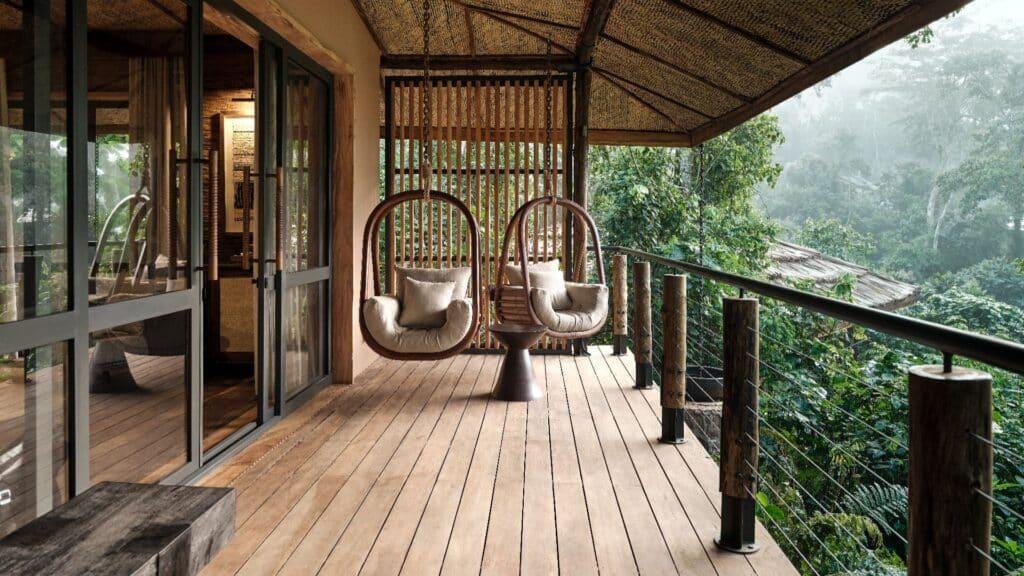 A suitable lodge can make a major difference to your safari.
However, luxury alone does not guarantee accessibility.
Some forest lodges have steep pathways, stairs, or rooms far from the restaurant.
Therefore, ask about the property’s layout before confirming accommodation.
Important Lodge Features
Older travellers may prefer accommodation with:
- Rooms close to the main facilities
- Limited stairs and manageable walking paths
- Comfortable beds and private bathrooms
- Reliable hot water and suitable meal arrangements
- Convenient vehicle access
- Helpful staff and flexible dining times
Additionally, consider the driving distance to your assigned trekking briefing point.
A lodge in the wrong sector may require an unnecessarily early departure.
Zamunda Travels can help identify accommodation that matches your needs and permit location.
A Comfortable Four-Day Uganda Gorilla Safari Itinerary
A four-day itinerary allows more time than a rushed two-day visit.
It also reduces the pressure of travelling long distances immediately before trekking.
Day 1: Arrival in Entebbe
Arrive at Entebbe International Airport and meet your Zamunda Travels representative.
Transfer to your hotel and rest after your flight.
Enjoy dinner and prepare for the journey ahead.
Day 2: Travel to Bwindi
Travel towards Bwindi by road or arrange a suitable domestic flight connection.
Road journeys from Entebbe can take much of the day, depending on the sector and conditions.
Therefore, domestic flights may appeal to visitors who prefer less driving.
Arrive at your lodge, enjoy dinner, and rest before trekking.
Day 3: Gorilla Trekking Experience
Enjoy an early breakfast before travelling to the trekking briefing point.
Rangers explain the rules and organise trekking groups.
Next, begin the guided forest walk with your assigned ranger team.
Once the gorillas are located, standard trekking visitors normally receive one hour with the family.
Afterwards, return to your lodge for lunch or relaxation.
Day 4: Return to Entebbe
Enjoy breakfast before your return journey.
Depending on your travel arrangements, continue by road or domestic flight.
However, avoid scheduling a tight international connection after a long road transfer.
Zamunda Travels can also add a recovery night when needed.
Preparing for Gorilla Trekking Over 60 or 70
Good preparation can improve comfort and reduce avoidable problems.
Start preparing several weeks before departure, according to your health and fitness.
Walking regularly can help develop stamina.
Additionally, gentle balance exercises may improve confidence on uneven surfaces.
What Should Older Travellers Pack?
Pack practical clothing rather than heavy equipment.
Useful items include:
- Waterproof hiking boots with reliable grip
- Long trousers and long-sleeved shirts
- Lightweight waterproof jacket
- Gardening-style gloves for vegetation
- Refillable water bottle
- Small daypack
- Prescribed medication
- Walking pole, where permitted
A porter can carry your bag while you focus on the trail.
However, keep essential medication readily accessible.
Health and Safety Advice for Older Travellers
Before travelling, consult a healthcare professional if you have existing medical conditions.
This is particularly important for heart conditions, breathing difficulties, joint problems, or limited mobility.
Discuss vaccinations, malaria prevention, and medication requirements.
Additionally, consider travel insurance that covers trekking activities and emergency evacuation.
Protecting Mountain Gorillas
Mountain gorillas can catch certain human illnesses.
Therefore, visitors should follow all ranger instructions.
Maintain the required distance from gorillas and avoid trekking when experiencing relevant infectious symptoms.
Do not touch, feed, or approach the animals.
Furthermore, avoid flash photography and sudden movements.
These precautions protect both visitors and gorillas.
Common Mistakes Older Gorilla Trekkers Should Avoid
Several planning mistakes can make a safari unnecessarily tiring.
The first is choosing accommodation far from the trekking sector.
Another is assuming that every gorilla trek takes only one hour.
Some visitors also underestimate the difficulty of descending muddy slopes.
Additionally, booking a demanding activity immediately after a long international flight can cause unnecessary fatigue.
Avoid these mistakes by allowing rest time, discussing mobility honestly, and requesting suitable assistance early.
Our team at Zamunda Travels recommends confirming the permit sector before making non-refundable lodge arrangements.
Plan Your Gorilla Trekking Safari with Zamunda Travels
Gorilla trekking for older travellers in Uganda can be rewarding with realistic expectations and careful preparation.
The right sector, comfortable accommodation, reliable transport, and porter support all contribute to a better experience.
Most importantly, your itinerary should match your health and mobility rather than follow a rushed schedule.
Zamunda Travels Uganda Ltd organises private gorilla trekking safaris with flexible itineraries and local planning support.
Whether you are travelling over 60, over 70, or with a family member needing assistance, we can help explore suitable arrangements.
Contact Zamunda Travels to plan your comfortable Uganda gorilla safari.
Website: www.zamundatravels.com
Email: info@zamundatravels.com
WhatsApp: +256 704 705 606
Frequently Asked Questions About Gorilla Trekking for Older Travellers
Is there an upper age limit for gorilla trekking in Uganda?
No. Uganda Wildlife Authority does not publish a maximum age for gorilla trekking. The minimum age is 15 years. Therefore, travellers over 60, 70, or 80 may participate. However, personal fitness, health, and mobility should guide the decision. Discuss any limitations with your doctor and safari operator before booking.
Can a 70-year-old go gorilla trekking in Uganda?
Yes. A 70-year-old can go gorilla trekking in Uganda if their health and mobility allow. However, forest conditions can be demanding. Regular walking preparation, porter assistance, and a suitable trekking sector may help. Zamunda Travels can discuss comfort-focused arrangements, although no operator can guarantee an easy route.
Can older people be carried during gorilla trekking?
Yes. Carrying-chair services may be available at selected gorilla trekking locations in Uganda. Local teams assist visitors who cannot comfortably walk long distances. However, availability, safety, and costs must be confirmed before travel. Contact Zamunda Travels early so suitable arrangements can be investigated before booking permits and accommodation.
Which gorilla trekking sector is best for Older people in Uganda?
Buhoma and Rushaga are often considered when planning gorilla trekking for older people. Both offer accommodation options and several trekking arrangements. However, gorillas move daily, so neither sector guarantees an easy walk. Zamunda Travels can help compare permit availability, terrain, lodge access, and individual mobility requirements before recommending a location.
How much does gorilla trekking cost for older travellers in Uganda?
The published standard Uganda gorilla permit costs USD 800 for foreign non-residents in 2026. However, the full safari also includes accommodation, transport, and optional assistance. Some eligible visitors may qualify for seasonal discounts. Porter and carrying-chair charges vary. Rates change, so confirm current prices with Zamunda Travels.