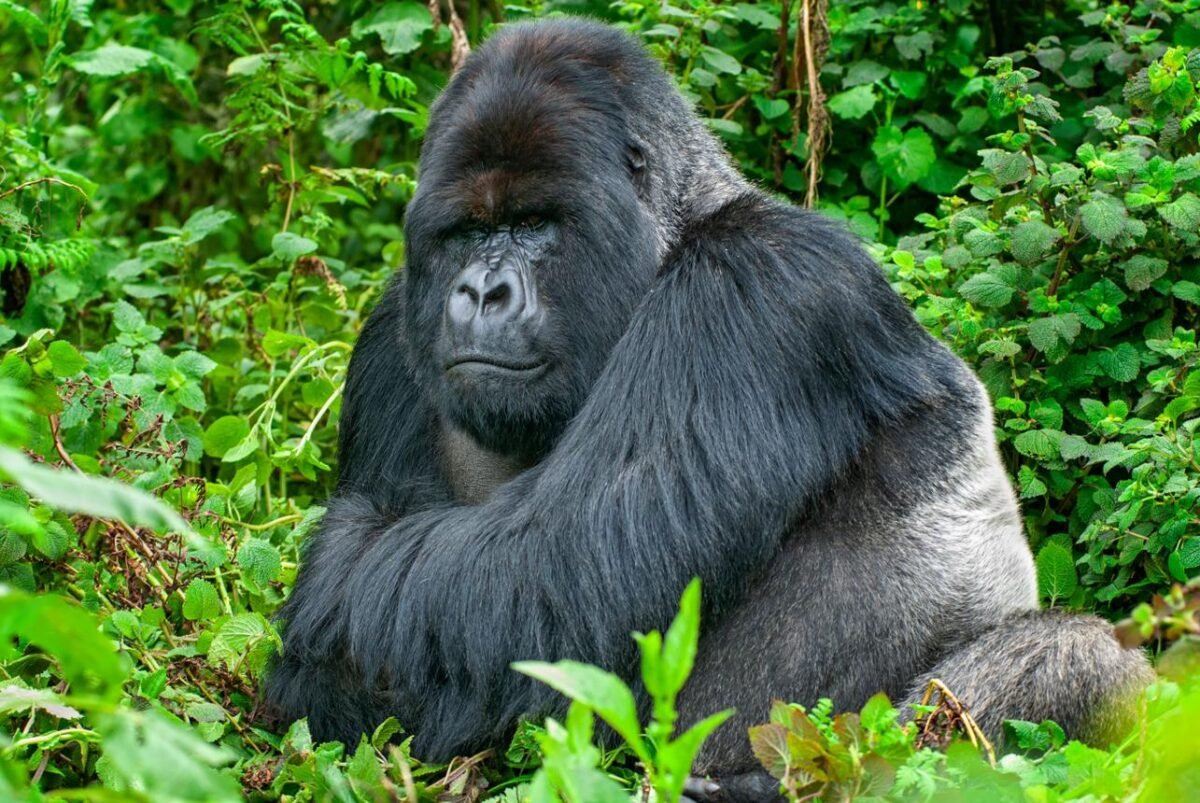
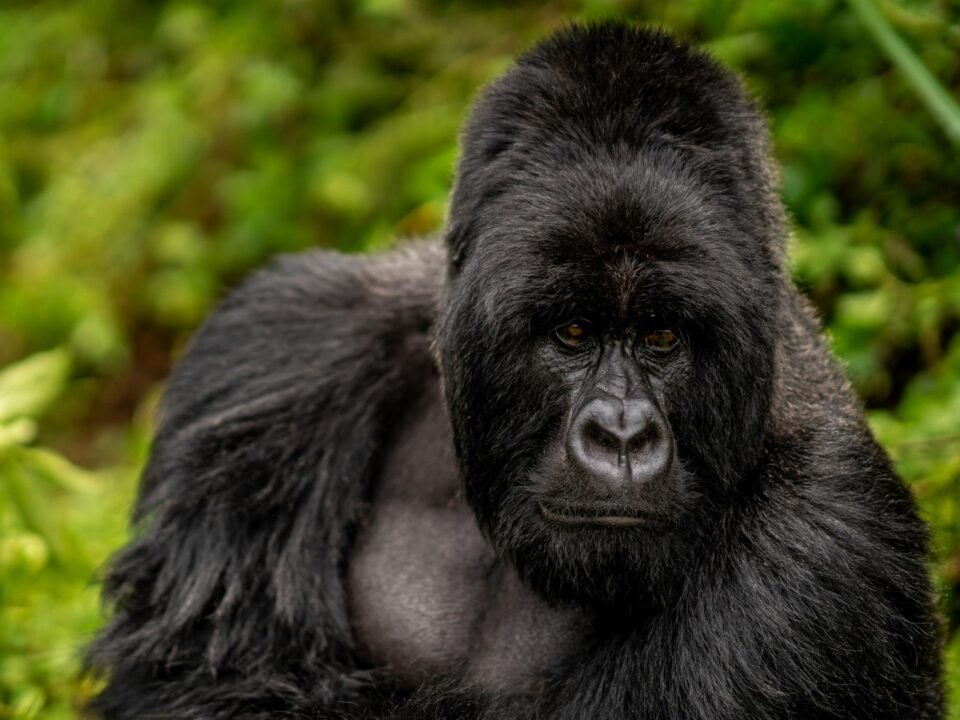
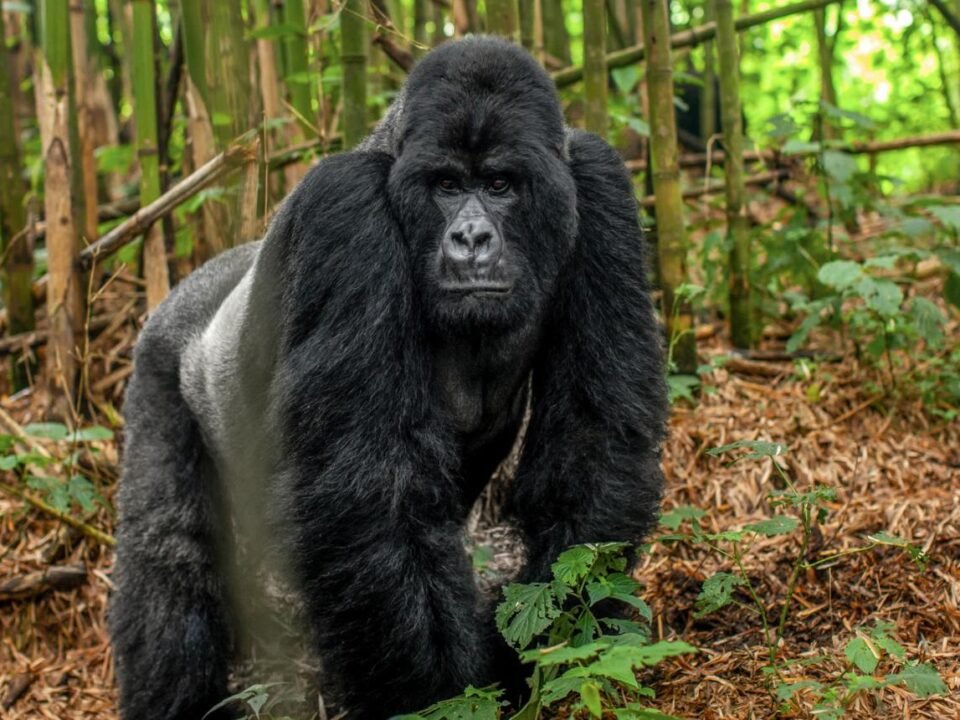
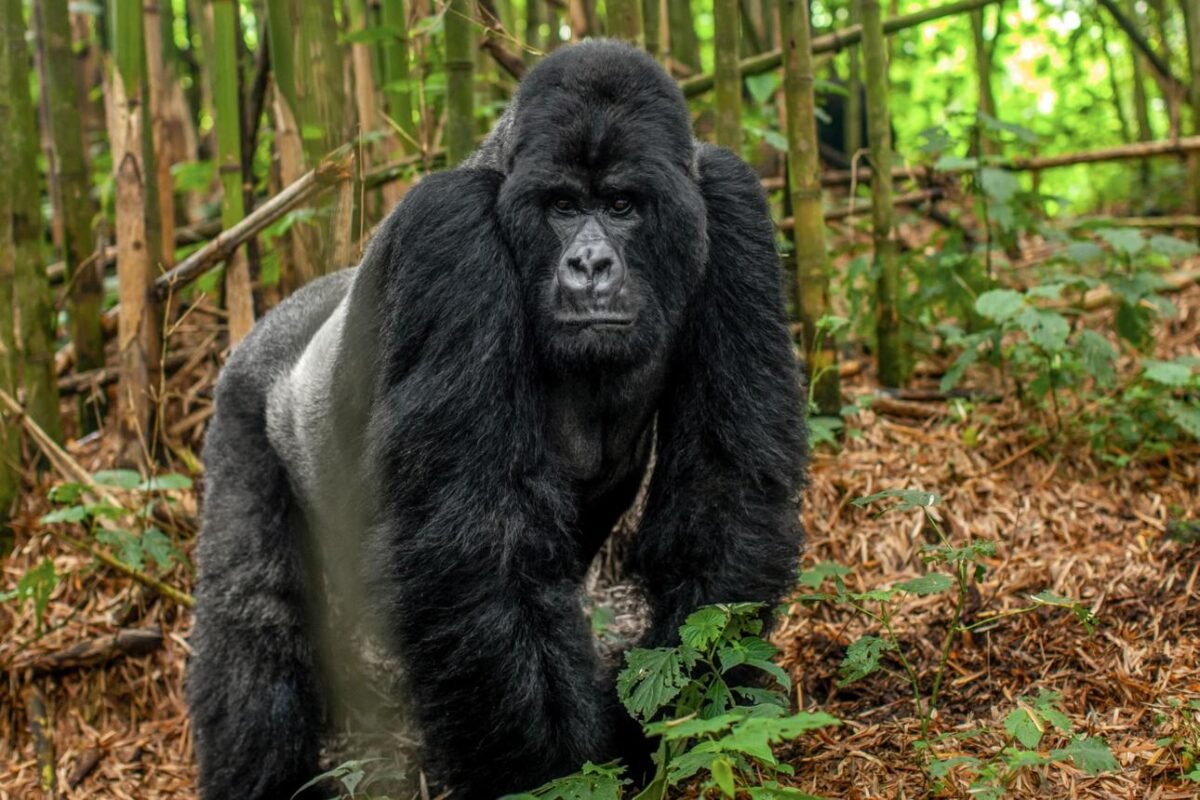
Many travellers planning a gorilla safari wonder whether they can choose the family they want to visit. Some hope to see a famous silverback. Others prefer a shorter hike or a family with young gorillas.
Understanding
Rwanda gorilla family allocation helps you prepare for the experience. It also prevents disappointment when your trekking day arrives.
At
Zamunda Travels, we recommend understanding the allocation process before booking your gorilla permit. This guide explains who assigns the families, what influences the decision, and how to communicate your preferences.
Quick answer: You generally cannot choose a specific gorilla family with
a standard Rwanda trekking permit. Park officials allocate families during the morning briefing at Volcanoes National Park. They consider fitness, mobility, group numbers, and gorilla locations. However, you can request a suitable trek, while specialist exclusive arrangements may offer family selection.
How Rwanda Gorilla Family Allocation Works
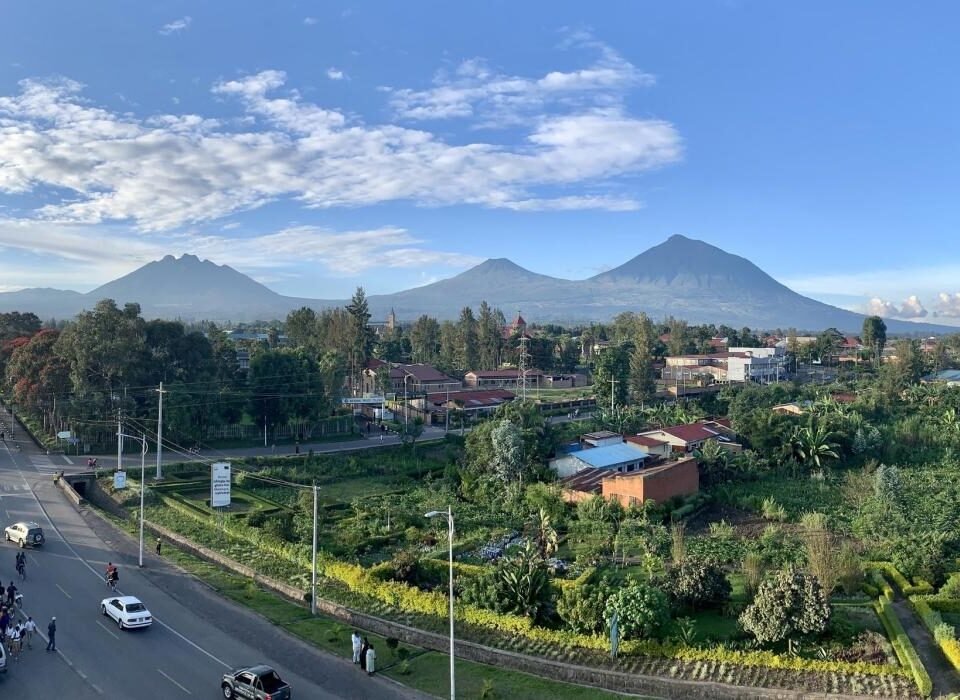
Gorilla trekking in Rwanda takes place in
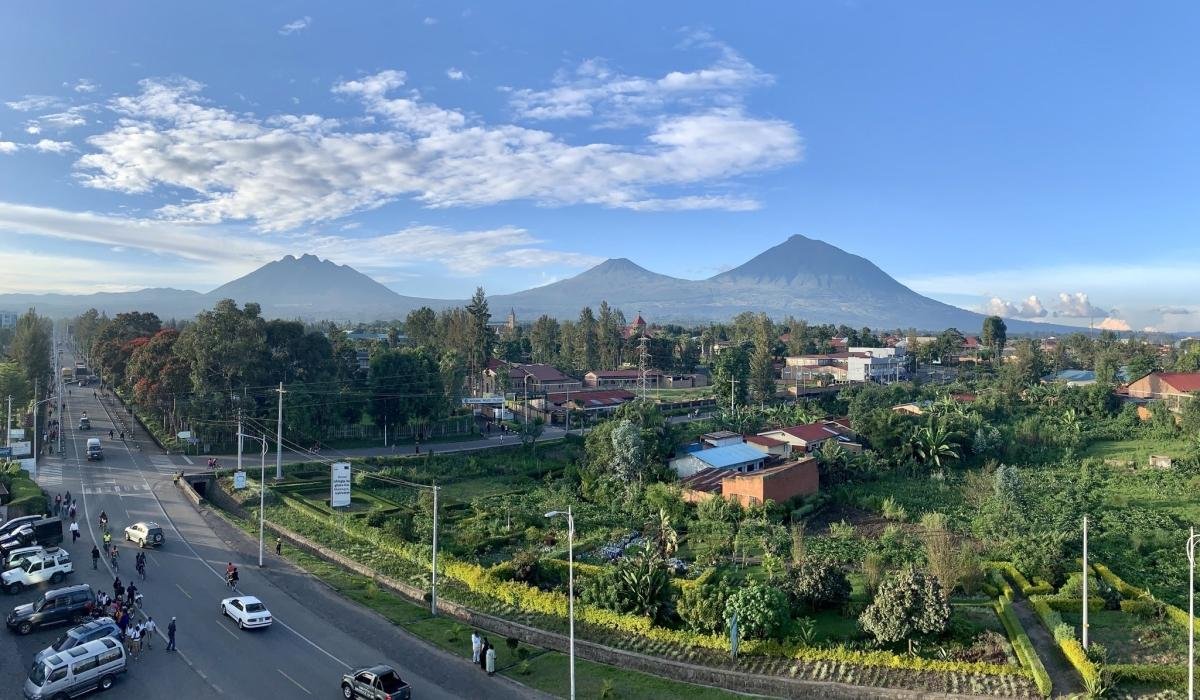
Volcanoes National Park, in the country’s northwest. The park protects mountain gorillas across forested slopes in the
Virunga Mountains.
Unlike a zoo, the gorillas move freely through their natural habitat. Therefore, their exact location changes as they feed, rest, and travel.
Rwanda’s official tourism website identifies 12 gorilla families available for regular trekking. These include Susa, Igisha, Karisimbi, Sabyinyo, Amahoro, Agashya, Kwitonda, Umubano, Hirwa, Bwenge, Ugyenda, and Muhoza.
Who decides which gorilla family you visit?
Park officials manage the allocation process. Your safari company can communicate your needs, but it does not control the final assignment.
Visitors gather at the park headquarters in Kinigi at approximately 7:00 a.m. Rangers then organise trekking groups and explain the day’s procedures.
Officials consider several practical factors before assigning a family.
-
Physical fitness: How comfortably you can manage steep, uneven trails.
-
Mobility: Whether you need additional assistance or a less demanding route.
-
Gorilla location: Where trackers expect to find each family.
-
Group numbers: How visitors fit within the permitted group sizes.
-
Special requests: Preferences communicated before or during the briefing.
The park allows a maximum of eight visitors per gorilla family each day. Moreover, each regular tourist visit lasts no more than one hour.
These restrictions help limit disturbance to the gorillas.
Why allocation happens on trekking day
Gorilla families do not remain in fixed locations. Consequently, assigning visitors several weeks ahead would create practical problems.
Trackers monitor the families and help ranger teams understand their movements. The park can then match visitors with suitable routes.
However, a normally accessible family may move farther into the forest overnight. Equally, a family associated with difficult terrain might appear closer to the park boundary.
Therefore, no standard trekking assignment guarantees a particular hiking distance.
Can You Request a Specific Gorilla Family in Rwanda?
Yes. You can communicate a preferred family or trekking difficulty, but a request is not a confirmed assignment.
For example, you may have researched the Sabyinyo family because of its well-known silverback history. Alternatively, you may prefer a demanding mountain trek.
Your guide can communicate these interests to the park team. Nevertheless, officials must consider the day’s conditions and other visitors.
Our guides at Zamunda Travels recommend explaining your physical abilities before mentioning a particular family.
A request for a manageable hike often provides more useful information than a family name alone.
Can couples and friends trek together?
Couples and friends can ask to remain in the same trekking group. However, standard permits do not automatically guarantee that everyone will receive the same assignment.
The park must respect the eight-person visitor limit. It also needs to consider individual fitness and operational conditions.
Therefore, tell Zamunda Travels about your group arrangements before the trekking date.
For example, a couple with different fitness levels may prefer a moderate route together. In that situation, the less demanding option may suit both travellers.
What about private gorilla trekking?
Private gorilla trekking Rwanda arrangements require an important distinction.
A private safari vehicle and private driver-guide do not mean you will have exclusive access to a gorilla family. Standard trekking permits usually involve joining other visitors.
However, Rwanda Development Board’s published reservation guidelines describe a personalised exclusive gorilla experience. This specialist arrangement includes family and guide selection by special request.
The historical published rate was USD 15,000 for a group of up to eight. That figure comes from older official guidelines and must not be treated as a confirmed 2026 rate.
Availability, current pricing, and booking conditions require direct confirmation.
If exclusive trekking interests you, ask Zamunda Travels to investigate the current arrangements before making payment.
Which Gorilla Families Are Easier or Harder to Trek?
Not every gorilla family involves the same hiking conditions. Some regularly occupy lower slopes, while others range through higher mountain terrain.
However, these patterns can change. Therefore, descriptions of easy and difficult families are only general guides.
| Gorilla family |
Typical trekking considerations |
| Sabyinyo |
Often associated with relatively accessible trekking |
| Agashya |
Trek difficulty varies with the family’s location |
| Amahoro |
May involve climbing through steep forest |
| Susa |
Often associated with longer mountain treks |
| Karisimbi |
Frequently linked with demanding, higher-altitude trekking |
| Kwitonda |
Hiking conditions depend on current movements |
These are broad historical tendencies, not guaranteed daily routes.
Gorilla Trekking Rwanda+1
The easiest gorilla family to trek in Rwanda
Many travellers ask which family offers the shortest walk. Sabyinyo often appears in discussions about relatively accessible trekking.
However, requesting Sabyinyo does not guarantee an easy experience.
Rain, mud, altitude, and unexpected gorilla movements can make even a shorter route challenging.
If you prefer less strenuous walking, explain your requirements clearly during the briefing.
What if you want a challenging trek?
Fit travellers may enjoy longer climbs through the volcanic forest. Families associated with higher slopes can offer more demanding hiking.
Nevertheless, choosing the hardest route is not necessary for a rewarding gorilla encounter.
Every habituated family offers opportunities to observe natural behaviour. You may see feeding, grooming, resting, or interactions between adults and young gorillas.
The behaviour you encounter remains unpredictable.
How Fitness and Mobility Affect Gorilla Allocation
Fitness plays an important role in Rwanda gorilla family allocation.
According to Visit Rwanda, treks can involve walks lasting from 30 minutes to four or more hours. Gorilla habitats also extend across elevations of approximately 2,500 to 4,000 metres.
These conditions can challenge visitors who regularly exercise.
However, you do not need to be an expert mountain climber to consider gorilla trekking. Your preparation and the route assigned both matter.
Advice for older travellers and beginners
Older travellers should assess their walking ability rather than assuming age determines fitness.
For example, an active traveller in their seventies may manage forest trails comfortably. Meanwhile, a younger visitor with limited hiking experience may struggle.
At Zamunda Travels, we recommend discussing any mobility concerns before booking.
Also, consider hiring a local porter to carry your daypack and provide assistance along the trail.
Porters can make the walk more manageable. However, they cannot guarantee that the route will be easy.
Travellers with significant mobility limitations should ask about available assistance arrangements before confirming their trip.
What should you tell the ranger?
Give a clear description of your walking ability.
For example, explain whether you can climb uphill for several hours. Also mention any difficulty with steep descents or slippery surfaces.
Avoid exaggerating your fitness to receive a particular family.
Similarly, do not hide important mobility limitations because you fear missing the experience.
Accurate information helps the park team make a more suitable allocation.
Planning a Rwanda gorilla safari? Zamunda Travels can help arrange permits, accommodation, transport, and trekking preparations. We can also communicate your preferences before the park briefing.
What Happens During the Rwanda Gorilla Trekking Briefing?
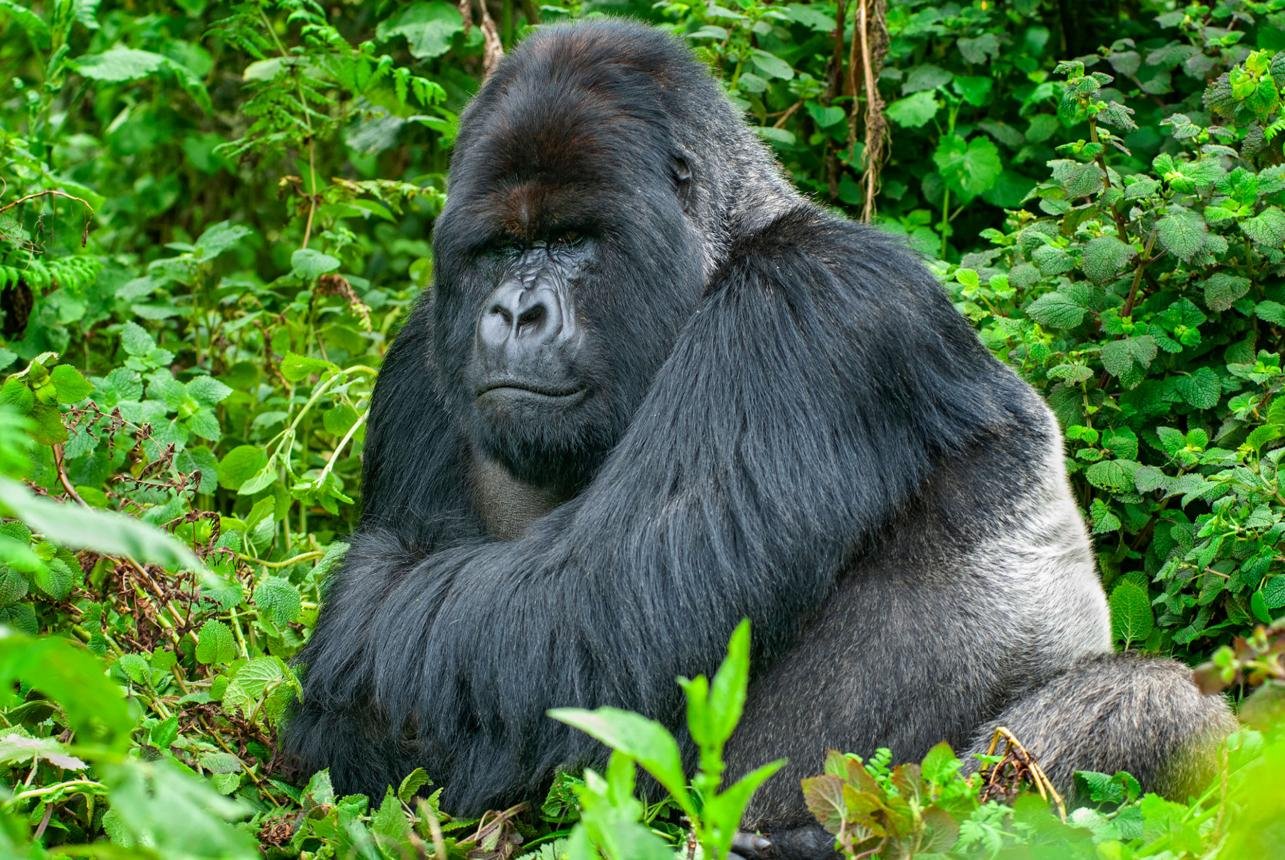
The Rwanda gorilla trekking briefing takes place at Kinigi headquarters.
Visitors should plan to arrive by approximately 7:00 a.m., following the park’s current reporting instructions.
Your safari driver-guide will help you reach the headquarters on time.
The morning generally follows these steps:
-
Arrive at the park headquarters for registration and permit checks.
-
Listen to the safety and conservation briefing.
-
Communicate your fitness level and any support needs.
-
Receive your gorilla family and ranger-guide assignment.
-
Travel to the appropriate starting point and begin trekking.
The exact order and timing may change according to park operations.
A realistic example of trekking day
Consider a couple staying near Musanze.
They wake early, eat breakfast, and travel to Kinigi. Their driver-guide helps them prepare for the briefing.
One traveller prefers a shorter hike, while the other enjoys longer walks. Therefore, they request a moderate route together.
The park team considers their request alongside the day’s gorilla locations.
After allocation, they travel to the trailhead and begin walking with their ranger.
Once they reach the gorillas, they receive up to one hour of observation. Afterwards, they return to the starting point.
The couple keeps the afternoon flexible because their return time depends on the trek.
This is an illustrative itinerary, not a guaranteed daily schedule.
Rwanda Gorilla Trekking Permit Cost in 2026
The
standard published permit price for foreign non-resident visitors is USD 1,500 per person per trek in 2026. Visit Rwanda confirms this standard rate.
The regular permit price does not change according to which family you receive.
Therefore, a shorter trek does not automatically cost less. Likewise, a longer hike does not attract a higher standard permit fee.
Special rates may apply to eligible citizens and residents. Check your category before booking.
Rates change, so confirm current prices with Zamunda Travels.
Example budget for two travellers
For two foreign non-resident adults purchasing standard permits:
| Expense |
Amount |
| First gorilla permit |
USD 1,500 |
| Second gorilla permit |
USD 1,500 |
| Total permit budget |
USD 3,000 |
| Accommodation |
Quoted separately |
| Private safari transport |
Quoted separately |
| Porter services and tips |
Additional |
| Other meals and activities |
Depends on itinerary |
This example covers the two standard permits only. It is not a complete safari quotation.
At Zamunda Travels, we recommend checking permit availability before committing to non-refundable accommodation.
Best Time for Gorilla Trekking and Family Allocation
Rwanda offers gorilla trekking throughout the year. However, seasonal rainfall affects walking conditions.
June to September is generally one of the drier periods. December to February also often brings relatively favourable trekking conditions.
During these months, trails may be easier to navigate. Nevertheless, rain remains possible in the mountains.
March to May usually brings heavier rainfall. October and November can also be wet.
Consequently, muddy slopes and slippery vegetation may increase the effort required.
Does the season affect which family you get?
The season does not give standard permit holders the right to choose a family.
However, weather can affect trail conditions and the practical difficulty of reaching different groups.
During wetter periods, communicate any mobility concerns clearly.
Also, allow enough time for the trek rather than arranging an early afternoon flight.
If your travel dates are flexible, Zamunda Travels can help compare seasonal conditions and accommodation options.
Common Mistakes When Requesting a Gorilla Family
Travellers sometimes misunderstand the allocation process. As a result, they arrive with expectations the park cannot guarantee.
Avoid these common mistakes:
-
Booking a family name instead of a trekking date. Standard permits do not reserve a particular gorilla family.
-
Assuming an easy family always means a short hike. Gorillas move daily.
-
Overstating your fitness. This may result in a route beyond your comfort level.
-
Expecting a private group from private transport. Standard trekking arrangements remain separate from your safari vehicle.
-
Arriving late for the briefing. Missing the reporting time may affect your ability to participate.
-
Planning a tight departure schedule. Trek duration can vary considerably.
Instead, prioritise the experience, your safety, and realistic expectations.
Health, Safety and Gorilla Conservation Rules
Mountain gorillas are vulnerable to human illnesses. Therefore, responsible trekking requires strict hygiene and careful behaviour.
If you develop a contagious illness, inform your operator before the trek. Do not conceal symptoms to avoid changing your plans.
Visitors must be at least 15 years old to participate in Rwanda’s gorilla trekking experience.
During the encounter, follow your ranger’s instructions. Keep the required distance, avoid touching gorillas, and follow current mask requirements.
Also, avoid sudden movements, flash photography, and unnecessary noise.
What should you pack?
Bring sturdy hiking boots, long trousers, a waterproof jacket, gloves, and drinking water.
Gaiters can also protect your lower legs from mud and vegetation.
Additionally, carry a small backpack for personal essentials.
A walking stick may help on slippery slopes. Your ranger or porter can advise you about its use.
These simple preparations make the forest walk more comfortable.
Plan Your Rwanda Gorilla Trek with Zamunda Travels
Rwanda gorilla family allocation depends on park operations, fitness, and the gorillas’ daily movements.
With a standard permit, you can request a suitable trek but cannot guarantee a specific family. Specialist exclusive arrangements may offer additional choices, subject to confirmation.
The best approach is to prepare properly, communicate your needs, and remain flexible.
At Zamunda Travels, we help travellers plan
Rwanda gorilla safaris with practical guidance and clear arrangements.
Whether you prefer a gentle trekking pace or a more challenging route, we can help you prepare.
Plan your Rwanda gorilla trekking safari with Zamunda Travels.
Frequently Asked Questions About Rwanda Gorilla Family Allocation
1. Can you choose which gorilla family to visit in Rwanda?
No, not with a standard gorilla trekking permit. Park officials allocate families during the morning briefing at Kinigi. They consider your fitness, group size, and the gorillas’ locations. However, you may communicate a preference. Specialist exclusive trekking arrangements can offer additional selection options, subject to confirmation.
2. Which gorilla family is easiest to trek in Rwanda?
Sabyinyo is often associated with relatively accessible trekking routes. However, no family guarantees a short or easy walk. Gorilla movements, rainfall, and trail conditions affect the experience. Therefore, tell park officials about your fitness and mobility rather than relying entirely on a particular family name.
3. Can couples or friends visit the same gorilla family?
Yes, couples and friends can request to trek together. However, standard arrangements do not guarantee the same allocation. Park officials consider group numbers, fitness, and daily conditions. Communicate your preference before the briefing, especially when travelling with people who have different walking abilities.
4. Does Rwanda gorilla family allocation affect the permit price?
No. Standard Rwanda gorilla permits have the same price regardless of the assigned family. The published 2026 foreign non-resident rate is USD 1,500 per person. However, personalised exclusive experiences have separate arrangements. Rates change, so confirm current prices with Zamunda Travels before booking.
5. Can you request an easier gorilla trek in Rwanda?
Yes. You can request a less demanding trek during the morning briefing. Park officials consider fitness, mobility, and the families’ current locations. However, they cannot guarantee a particular walking distance. Hiring a porter, wearing suitable boots, and explaining your limitations can help you prepare.