Luxury Gorilla Trekking in Rwanda: Is It Worth It?
April 8, 2026
Akagera National Park Safari Guide: Rwanda’s Big Five Experience
April 8, 2026
Rwanda stands out as one of Africa’s most rewarding safari destinations, offering a rare combination of breathtaking landscapes, rich biodiversity, and world-class conservation experiences. From the misty slopes of Volcanoes National Park to the savannah plains of Akagera National Park and the ancient rainforests of Nyungwe Forest National Park, the country provides unforgettable wildlife encounters throughout the year. However, choosing the best time to visit Rwanda for gorilla trekking and safaris can greatly enhance your overall experience. At Zamunda Travels, we guide travelers to match their safari goals with Rwanda’s seasonal patterns, ensuring every journey is both comfortable and rewarding.
Understanding the Best Time to Visit Rwanda for Gorilla Trekking and Safaris
The best time to visit Rwanda for gorilla trekking and safaris depends largely on weather conditions and trekking comfort. Rwanda enjoys a temperate tropical highland climate, which means cooler temperatures and two distinct dry seasons alongside two rainy seasons. The long dry season runs from June to September, while the short dry season occurs from December to February. These periods offer the most favorable conditions for gorilla trekking, as trails remain less muddy and hiking becomes easier.
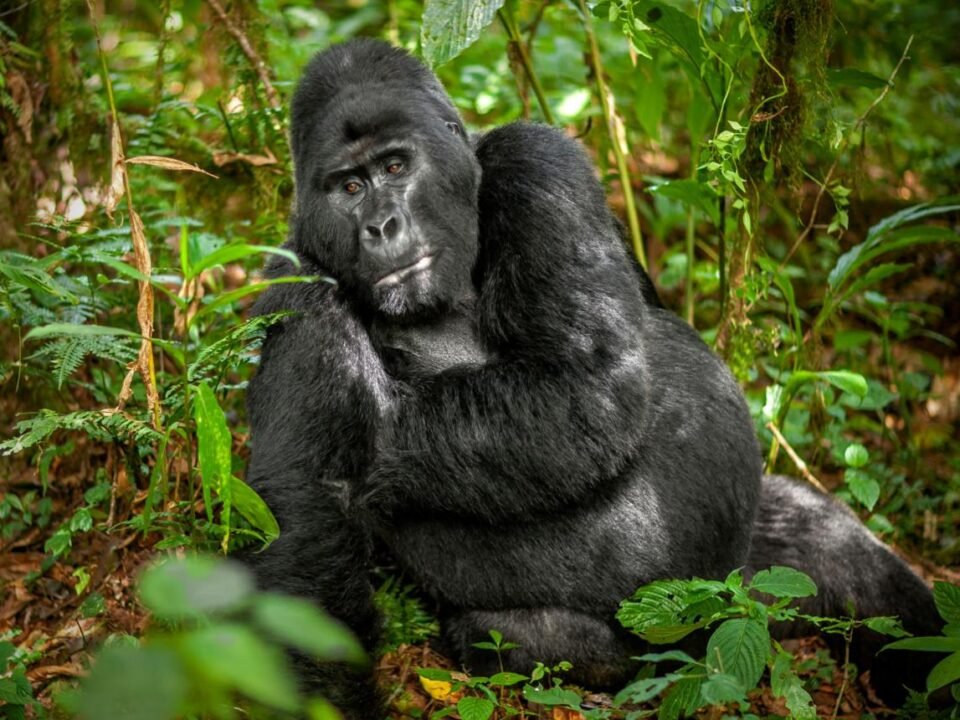
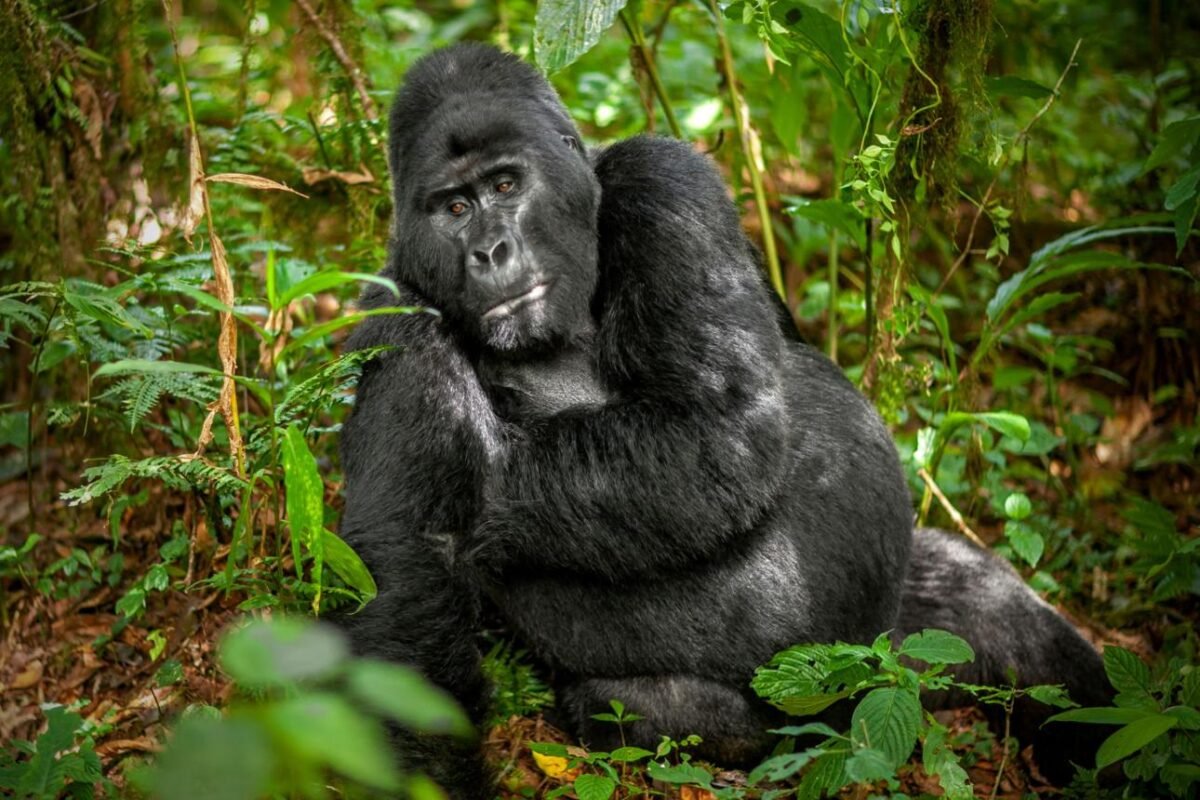
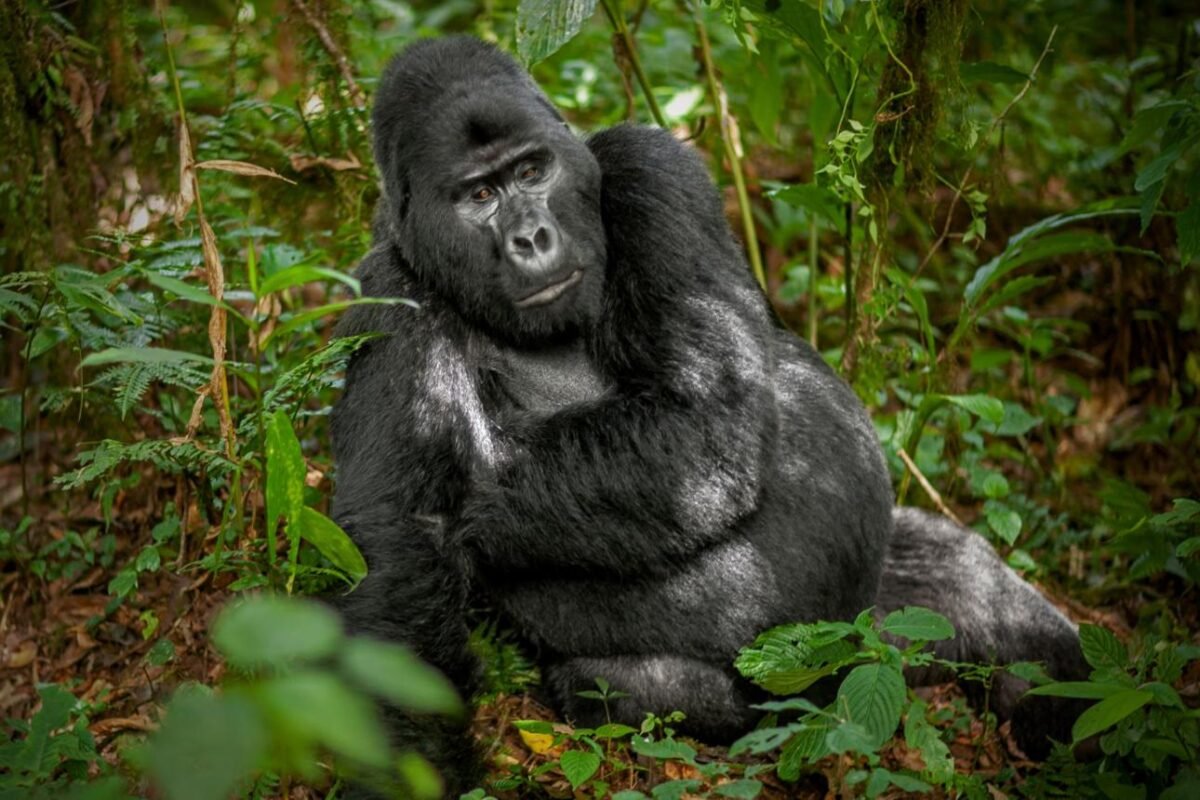
During the dry months, visibility in the forests improves, which increases your chances of capturing clear photographs of mountain gorillas. In addition, wildlife viewing in savannah parks becomes more rewarding, as animals gather around water sources. Zamunda Travels often recommends these months for travelers seeking a seamless and comfortable safari experience.
Why the Dry Season is the Best Time to Visit Rwanda for Gorilla Trekking and Safaris
The dry season is widely regarded as the best time to visit Rwanda for gorilla trekking and safaris due to its accessibility and overall comfort. Trekking through the dense forests of Volcanoes National Park becomes easier when trails are firm and less slippery. This reduces physical strain and allows trekkers to focus more on the experience rather than the challenge.
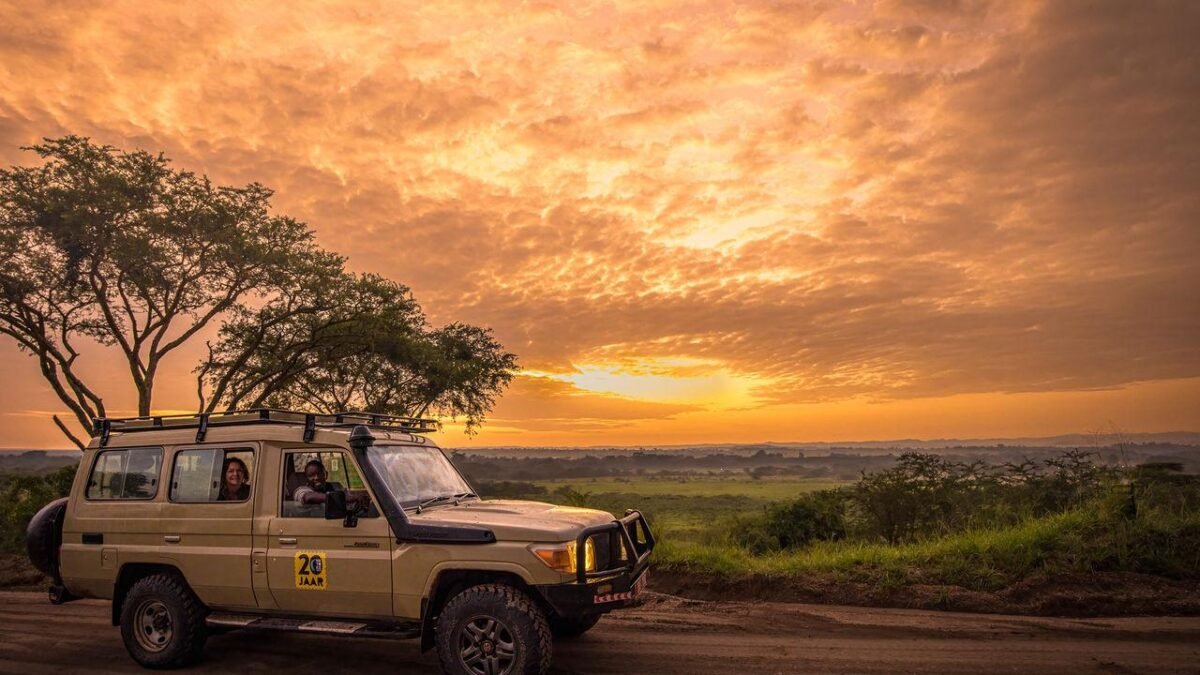
Moreover, during this period, the chances of rain interruptions are minimal. This consistency allows for smoother travel logistics, especially for visitors combining gorilla trekking with wildlife safaris in Akagera National Park. Game drives become more predictable, and animals are easier to spot due to shorter vegetation and concentrated water sources.
Zamunda Travels also notes that the dry season aligns with peak travel demand. Therefore, travelers should book gorilla permits and accommodations well in advance to secure their preferred dates.
Visiting Rwanda in the Rainy Season: A Hidden Gem for Budget Travelers
Although many travelers prefer the dry months, the rainy seasons from March to May and October to November present unique advantages. In fact, the best time to visit Rwanda for gorilla trekking and safaris can also depend on your travel priorities, especially if you value fewer crowds and lower costs.
During the rainy season, Rwanda’s landscapes transform into lush, vibrant scenery. The forests become greener, waterfalls flow more strongly, and the overall atmosphere feels more alive. Gorilla trekking remains possible year-round, as habituated gorilla families stay within reachable distances. However, trails can become muddy and more challenging, which requires a reasonable level of fitness.
Zamunda Travels often recommends this period for photographers and budget-conscious travelers. Accommodation rates tend to drop, and gorilla permits may be easier to secure. In addition, fewer visitors mean a more intimate and personal wildlife experience.
Best Time for Wildlife Safaris Beyond Gorilla Trekking
While gorilla trekking remains Rwanda’s highlight, the country also offers exceptional wildlife safaris. The best time to visit Rwanda for gorilla trekking and safaris extends to game viewing in Akagera National Park and primate tracking in Nyungwe Forest National Park.
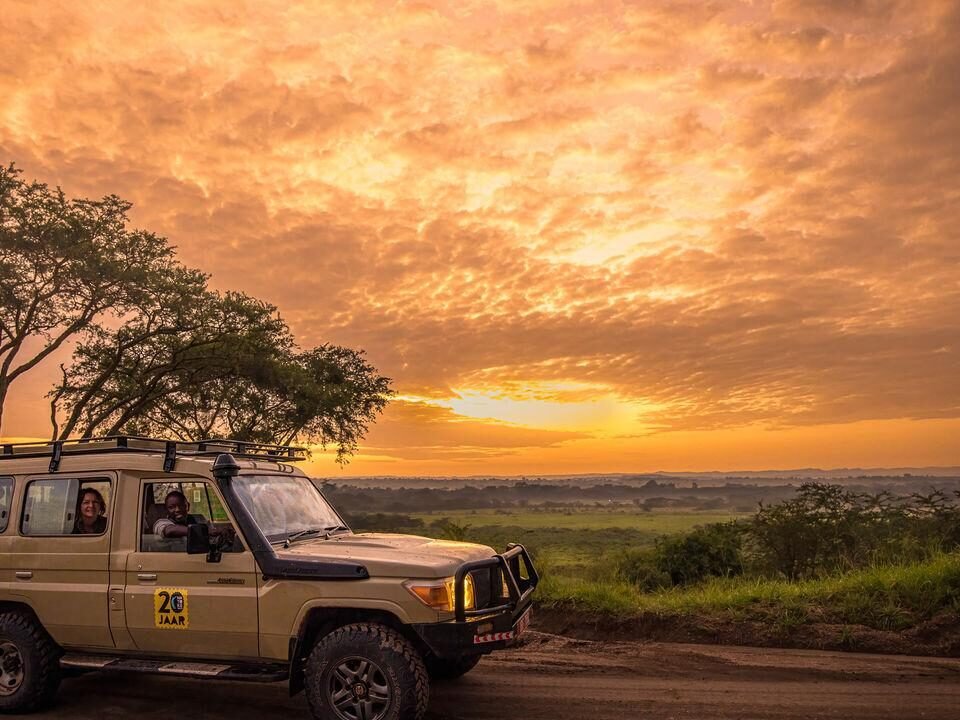
In Akagera, the dry season provides optimal conditions for spotting the Big Five, including lions, elephants, and rhinos. Water sources attract animals, making sightings more frequent and predictable. Meanwhile, Nyungwe Forest offers excellent chimpanzee trekking year-round, although the dry months again provide easier hiking conditions.
Zamunda Travels carefully designs itineraries that combine these destinations, ensuring travelers experience Rwanda’s full diversity in the most suitable season.
Month by Month Guide to the Best Time to Visit Rwanda for Gorilla Trekking and Safaris
A closer look at Rwanda’s calendar helps travelers plan more effectively:
- June to September: Peak dry season. This is the best time to visit Rwanda for gorilla trekking and safaris due to excellent trekking conditions and wildlife visibility.
- December to February: Short dry season. Conditions remain favorable, with fewer crowds compared to mid-year.
- March to May: Long rainy season. Expect heavy rains, but enjoy lush scenery and lower prices.
- October to November: Short rainy season. Rainfall is lighter, and travel remains manageable with fewer tourists.
Zamunda Travels advises aligning your visit with your comfort level, budget, and preferred safari style.
Final Thoughts on the Best Time to Visit Rwanda for Gorilla Trekking and Safaris
Ultimately, the best time to visit Rwanda for gorilla trekking and safaris depends on your expectations and travel goals. If you prioritize comfort, clear trails, and easier wildlife viewing, the dry seasons offer the ideal conditions. However, if you seek fewer crowds, greener landscapes, and better value, the rainy seasons provide a unique and equally rewarding experience.
Rwanda’s beauty remains consistent throughout the year, and gorilla trekking is always possible regardless of the season. With expert planning from Zamunda Travels, you can enjoy a tailored safari that maximizes your experience, no matter when you choose to visit.