5 Days Luxury Uganda Safari with Gorilla Tracking and White Water Rafting
April 12, 2026
What Causes Chimpanzee Fights? A Guide from the Forests of Uganda
April 13, 2026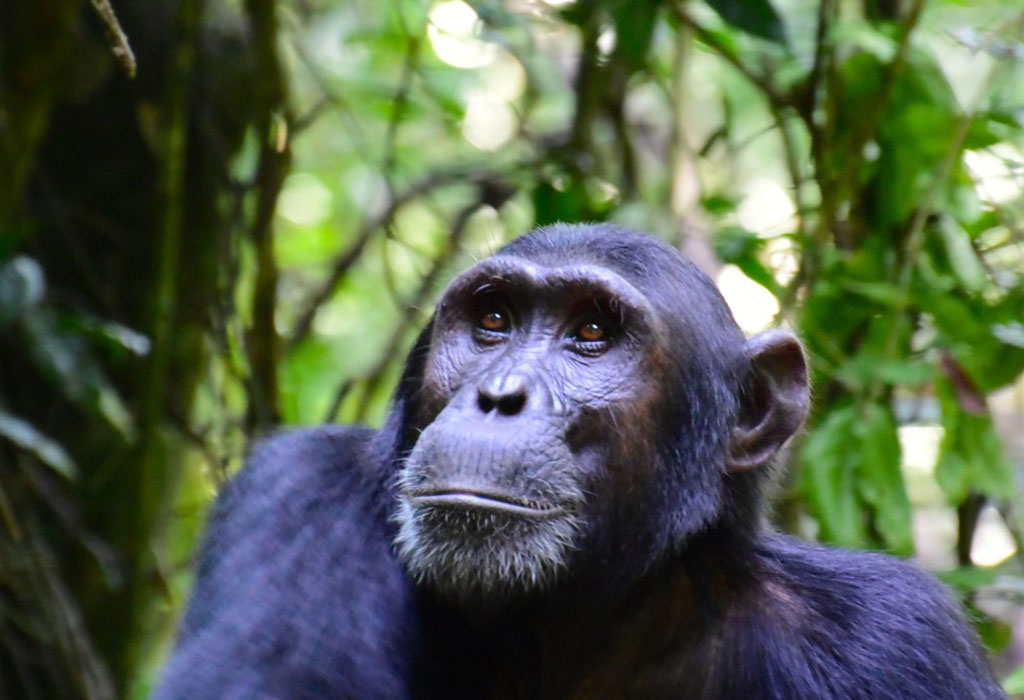
Understanding the Ngogo Chimpanzee Community
Deep within Kibale National Park, one of Africa’s most studied primate habitats, the Ngogo chimpanzee community once stood as a powerful symbol of unity, strength, and ecological success. This remarkable group, often referred to as the Ngogo chimpanzee community, captured global attention due to its unusually large population, complex social structure, and coordinated behaviors. For years, researchers and travelers alike admired how this community thrived in harmony. However, beneath this unity lay tensions that would eventually reshape its story. At Zamunda Travels, we guide curious explorers into this forest not only to see chimpanzees but also to understand their dramatic and deeply human-like social lives.
The Rise of the Ngogo Chimpanzee Community
The rise of the Ngogo chimpanzee community marked a unique chapter in primate research. Unlike most chimpanzee groups that range between 20 and 60 individuals, the Ngogo community grew to over 150 members. This made it one of the largest chimpanzee communities ever recorded. Researchers attribute this growth to abundant food resources, especially fruiting trees, and a relatively safe habitat with fewer predators. The community expanded its territory through organized patrols, often led by dominant males who worked together to defend and extend their borders.
What made the Ngogo chimpanzee community exceptional was its high level of cooperation. Males formed strong alliances, sharing food and supporting each other during conflicts. Females also benefited from this stability, raising offspring in a relatively secure environment. This period of unity allowed the group to flourish, making Ngogo a focal point for long-term chimpanzee behavioral studies. Visitors traveling with Zamunda Travels often hear these stories while trekking through the same forest paths once patrolled by these powerful primates.
Social Dynamics Within the Ngogo Chimpanzee Community
The strength of the Ngogo chimpanzee community lay in its complex social structure. Dominance hierarchies played a key role, with alpha males maintaining order through alliances rather than sheer aggression. Grooming, food sharing, and coalition-building helped reinforce bonds among individuals. These interactions mirrored human social systems, making chimpanzees one of our closest behavioral relatives.
However, such a large group also meant increased competition. As the population grew, so did the pressure on resources and mating opportunities. Younger males began challenging established leaders, while subgroups formed within the larger community. These subtle shifts signaled the beginning of internal strain. Zamunda Travels often highlights these dynamics to visitors, helping them appreciate that wildlife experiences are not just about sightings but about understanding behavior and evolution.
The Turning Point: Conflict in the Ngogo Chimpanzee Community
The fall of the Ngogo chimpanzee community did not happen overnight. Instead, it unfolded gradually through rising tensions and violent encounters. Territorial disputes became more frequent, both within the group and with neighboring chimpanzee communities. Male patrols, once a sign of unity, turned increasingly aggressive. In some cases, coordinated attacks led to the elimination of rival individuals.
Internal divisions also deepened. Alliances shifted, and dominant males faced constant challenges. This instability disrupted the balance that once defined the community. Infanticide, a rare but documented behavior in chimpanzees, appeared as competition intensified. These events marked a clear departure from the earlier period of cohesion. For travelers with Zamunda Travels, hearing these real-life accounts adds depth to chimpanzee trekking experiences in Kibale.
The Fall of the Ngogo Chimpanzee Community
As conflict escalated, the Ngogo chimpanzee community began to fragment. Social bonds weakened, and smaller factions emerged. The once-dominant group lost its unified structure, making it more vulnerable to external threats and internal collapse. Researchers observed changes in ranging patterns, reduced cooperation, and increased stress behaviors among individuals.
This decline highlights a crucial truth about wildlife: even the most successful communities face challenges. Environmental pressures, population dynamics, and social competition all play a role in shaping animal societies. The story of the Ngogo chimpanzee community serves as a powerful reminder that nature is constantly evolving. Zamunda Travels uses this narrative to educate visitors about conservation and the importance of preserving habitats like Kibale.
Lessons from the Ngogo Chimpanzee Community
The story of the Ngogo chimpanzee community offers valuable insights into both primate behavior and human society. Cooperation can drive success, but unchecked competition can lead to conflict. Resource availability influences social stability, while strong leadership and alliances help maintain order. These lessons extend beyond the Forest and into our own world.
For conservationists, the rise and fall of this community underscores the need to protect ecosystems that support wildlife populations. Sustainable tourism, like the experiences offered by Zamunda Travels, plays a key role in this effort. By visiting Kibale National Park responsibly, travelers contribute to research and conservation initiatives that ensure chimpanzees continue to thrive.
A Story That Continues
The Ngogo chimpanzee community remains one of the most fascinating case studies in primate research. Its journey from unity to conflict reflects the complexity of life in the wild. While the community has changed, its legacy continues to shape our understanding of chimpanzees and their social systems.
At Zamunda Travels, we invite you to explore Kibale and witness these incredible primates in their natural habitat. Every trek offers a chance to connect with nature and learn from the stories hidden within the forest. The tale of the Ngogo chimpanzee community is not just about chimpanzees. It is about survival, adaptation, and the delicate balance that defines life on Earth.
Understanding the Ngogo Chimpanzee Community
Deep within Kibale National Park, one of Africa’s most studied primate habitats, the Ngogo chimpanzee community once stood as a powerful symbol of unity, strength, and ecological success. This remarkable group, often referred to as the Ngogo chimpanzee community, captured global attention due to its unusually large population, complex social structure, and coordinated behaviors. For years, researchers and travelers alike admired how this community thrived in harmony. However, beneath this unity lay tensions that would eventually reshape its story. At Zamunda Travels, we guide curious explorers into this forest not only to see chimpanzees but also to understand their dramatic and deeply human-like social lives.
The Rise of the Ngogo Chimpanzee Community
The rise of the Ngogo chimpanzee community marked a unique chapter in primate research. Unlike most chimpanzee groups that range between 20 and 60 individuals, the Ngogo community grew to over 150 members. This made it one of the largest chimpanzee communities ever recorded. Researchers attribute this growth to abundant food resources, especially fruiting trees, and a relatively safe habitat with fewer predators. The community expanded its territory through organized patrols, often led by dominant males who worked together to defend and extend their borders.
What made the Ngogo chimpanzee community exceptional was its high level of cooperation. Males formed strong alliances, sharing food and supporting each other during conflicts. Females also benefited from this stability, raising offspring in a relatively secure environment. This period of unity allowed the group to flourish, making Ngogo a focal point for long-term chimpanzee behavioral studies. Visitors traveling with Zamunda Travels often hear these stories while trekking through the same forest paths once patrolled by these powerful primates.
Social Dynamics Within the Ngogo Chimpanzee Community
The strength of the Ngogo chimpanzee community lay in its complex social structure. Dominance hierarchies played a key role, with alpha males maintaining order through alliances rather than sheer aggression. Grooming, food sharing, and coalition-building helped reinforce bonds among individuals. These interactions mirrored human social systems, making chimpanzees one of our closest behavioral relatives.
However, such a large group also meant increased competition. As the population grew, so did the pressure on resources and mating opportunities. Younger males began challenging established leaders, while subgroups formed within the larger community. These subtle shifts signaled the beginning of internal strain. Zamunda Travels often highlights these dynamics to visitors, helping them appreciate that wildlife experiences are not just about sightings but about understanding behavior and evolution.
The Turning Point: Conflict in the Ngogo Chimpanzee Community
The fall of the Ngogo chimpanzee community did not happen overnight. Instead, it unfolded gradually through rising tensions and violent encounters. Territorial disputes became more frequent, both within the group and with neighboring chimpanzee communities. Male patrols, once a sign of unity, turned increasingly aggressive. In some cases, coordinated attacks led to the elimination of rival individuals.
Internal divisions also deepened. Alliances shifted, and dominant males faced constant challenges. This instability disrupted the balance that once defined the community. Infanticide, a rare but documented behavior in chimpanzees, appeared as competition intensified. These events marked a clear departure from the earlier period of cohesion. For travelers with Zamunda Travels, hearing these real-life accounts adds depth to chimpanzee trekking experiences in Kibale.
The Fall of the Ngogo Chimpanzee Community
As conflict escalated, the Ngogo chimpanzee community began to fragment. Social bonds weakened, and smaller factions emerged. The once-dominant group lost its unified structure, making it more vulnerable to external threats and internal collapse. Researchers observed changes in ranging patterns, reduced cooperation, and increased stress behaviors among individuals.
This decline highlights a crucial truth about wildlife: even the most successful communities face challenges. Environmental pressures, population dynamics, and social competition all play a role in shaping animal societies. The story of the Ngogo chimpanzee community serves as a powerful reminder that nature is constantly evolving. Zamunda Travels uses this narrative to educate visitors about conservation and the importance of preserving habitats like Kibale.
Lessons from the Ngogo Chimpanzee Community
The story of the Ngogo chimpanzee community offers valuable insights into both primate behavior and human society. Cooperation can drive success, but unchecked competition can lead to conflict. Resource availability influences social stability, while strong leadership and alliances help maintain order. These lessons extend beyond the forest and into our own world.
For conservationists, the rise and fall of this community underscores the need to protect ecosystems that support wildlife populations. Sustainable tourism, like the experiences offered by Zamunda Travels, plays a key role in this effort. By visiting Kibale National Park responsibly, travelers contribute to research and conservation initiatives that ensure chimpanzees continue to thrive.
A Story That Continues
The Ngogo chimpanzee community remains one of the most fascinating case studies in primate research. Its journey from unity to conflict reflects the complexity of life in the wild. While the community has changed, its legacy continues to shape our understanding of chimpanzees and their social systems.
At Zamunda Travels, we invite you to explore Kibale and witness these incredible primates in their natural habitat. Every trek offers a chance to connect with nature and learn from the stories hidden within the forest. The tale of the Ngogo chimpanzee community is not just about chimpanzees. It is about survival, adaptation, and the delicate balance that defines life on Earth.