Other Activities to Do in Bwindi Besides Gorilla Tracking
April 17, 2026
Exploring the Ellen DeGeneres Campus of the Dian Fossey Gorilla Fund
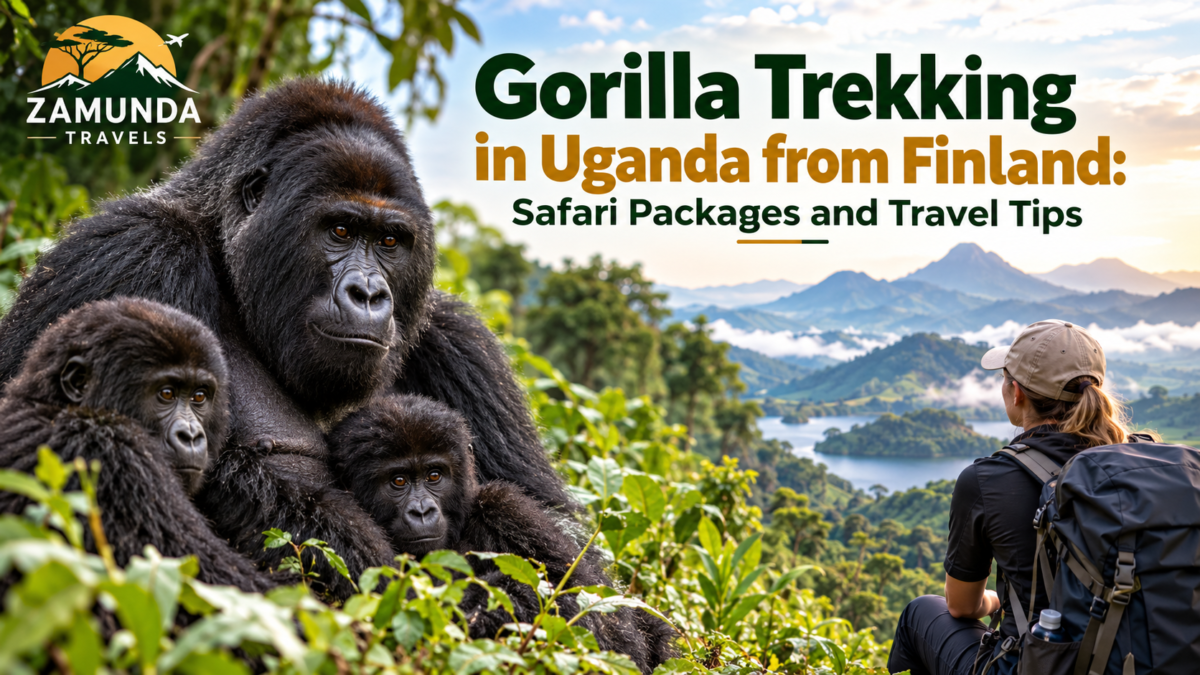
April 17, 2026Encountering mountain gorillas in the wild offers one of the most moving wildlife experiences in Africa. Uganda stands out as a top destination for this adventure, especially in Bwindi Impenetrable National Park, where dense rainforest shelters nearly half of the world’s remaining mountain gorillas. Travelers often struggle to choose between gorilla trekking and gorilla habituation. Although both experiences involve observing gorillas in their natural habitat, they differ in duration, depth, and overall engagement. Zamunda Travels helps visitors understand these differences clearly, ensuring that each traveler selects the experience that matches their expectations.
Understanding Gorilla Trekking vs Gorilla Habituation
Gorilla trekking introduces visitors to fully habituated gorilla families. These groups are already comfortable with human presence. Trekkers hike through the forest with experienced rangers until they locate the gorillas. Once found, visitors spend one hour observing their daily activities. This experience provides a structured and predictable encounter.
Gorilla habituation takes a different approach. Visitors join researchers and trackers who are still helping a wild gorilla group get used to humans. The process allows up to four hours with the gorillas. This extended time creates a deeper connection and offers insight into raw, natural behavior. Zamunda Travels ensures proper preparation for both experiences, including briefing clients on expectations and safety.
How the Experiences Differ in Practice
The difference becomes clearer once you step into the जंगल (forest). Gorilla trekking usually begins with a morning briefing, followed by a guided hike that can last several hours. The trek depends on the location of the gorilla family, which keeps moving through the forest. Once located, the one-hour viewing window starts immediately.
In contrast, habituation starts earlier and lasts longer. Visitors track semi-habituated gorillas from the beginning of the day. Because these gorillas are not fully accustomed to humans, rangers take time to observe their reactions. This process creates a more immersive and sometimes unpredictable experience. Zamunda Travels carefully plans each itinerary to match the physical ability and expectations of travelers.
Cost and Permit Considerations
Budget plays a key role when choosing between these two experiences. Gorilla trekking permits in Uganda cost around $800 per person for foreign non-residents. This price makes trekking more accessible to a wider range of travelers.
Gorilla habituation permits cost about $1,500 per person. The higher cost reflects the extended time spent with the gorillas and the limited number of participants. Only four visitors are allowed per group, which creates a more exclusive experience. Zamunda Travels helps clients secure permits early, especially during peak travel seasons.
Where Each Experience Takes Place
Both activities occur within Bwindi Impenetrable Forest, but their locations vary. Gorilla trekking takes place in several sectors, including Buhoma, Ruhija, Rushaga, and Nkuringo. This variety allows travelers to choose from different landscapes and accommodation options.
Gorilla habituation is limited to the Rushaga sector in southern Bwindi. This restriction makes planning more specific. Travelers must align their accommodation and travel routes accordingly. Zamunda Travels organizes seamless logistics, ensuring that visitors stay close to their activity starting points.
Physical Effort and Preparation
Both experiences require a reasonable level of fitness, but the intensity differs. Gorilla trekking suits travelers with moderate fitness levels. The duration of the trek varies, but guides often assign groups based on physical ability.
Gorilla habituation demands greater endurance. The longer hours in the forest, combined with steep terrain, make it more physically demanding. Visitors should prepare with proper gear, including hiking boots, rain jackets, and gloves. Zamunda Travels provides detailed packing lists and practical advice to ensure comfort during the trek.
Photography and Wildlife Encounters
Photography opportunities differ between the two experiences. During trekking, the one-hour limit requires visitors to capture moments quickly. However, habituated gorillas remain calm around humans, which makes photography easier.
Habituation offers more time to observe and photograph different behaviors. Visitors may witness feeding, nesting, or social interactions. Since the gorillas are still adapting to human presence, their behavior feels more natural and less predictable. This aspect appeals to wildlife enthusiasts who seek a deeper experience.
Choosing the Right Experience for Your Safari
The choice depends on your travel goals and budget. Gorilla trekking suits travelers who want a shorter and more affordable encounter. It also fits well into tight travel schedules.
Gorilla habituation suits those who want a longer and more immersive experience. It offers deeper insight into gorilla behavior, making it ideal for photographers and wildlife lovers. Zamunda Travels customizes each itinerary to match individual preferences, ensuring a rewarding safari experience.