The Policies and Culture Behind the Clean Environment of Kigali
August 11, 2026
Top 10 Archaeological Sites in East Africa Every History Lover Should Visit
August 11, 2026
Rwanda often surprises first-time visitors with its price tag, and many travelers ask a simple question before they book: why is Rwanda an expensive destination when neighboring countries cost so much less? The answer is not a single fee. It is a deliberate national strategy, a handful of high value experiences, and a market that rewards exclusivity over volume. At Zamunda Travels, we field this question every week from clients planning their first trip to the Land of a Thousand Hills. This guide breaks down exactly where your money goes and why Rwanda continues to justify its position as one of Africa’s premium travel destinations.
What Makes Rwanda an Expensive Destination for Travelers
Rwanda built its entire tourism model around a “high value, low impact” philosophy. Instead of welcoming large crowds, the government limits visitor numbers and charges premium fees for its flagship experiences. This approach protects fragile ecosystems, funds conservation work, and channels revenue directly into local communities. As a result, every traveler pays more, but the money supports something measurable: healthier forests, protected wildlife, and stronger rural economies. Zamunda Travels supports this model because it keeps Rwanda’s parks pristine and its gorilla populations growing, even as prices remain firmly above the regional average.
Why Rwanda Chose Exclusivity Over Mass Tourism
Rwanda studied Botswana’s playbook before shaping its own tourism policy. Officials realized that flooding national parks with visitors would eventually damage the very landscapes tourists came to see. Consequently, Rwanda capped daily gorilla permits, limited group sizes, and encouraged luxury lodge development instead of budget guesthouses near its parks. This strategy raised average spending per tourist while keeping visitor footprints small. Zamunda Travels often explains this trade off to clients: fewer people see the gorillas each day, but those who do get a quieter, richer, and more intimate encounter.
The Gorilla Permit Fee Drives Up Rwanda’s Cost
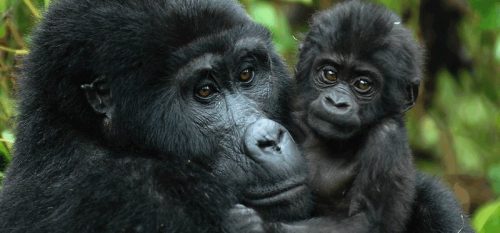
Nothing shapes Rwanda’s reputation for high prices more than the mountain gorilla permit. A single permit for international visitors costs USD 1,500, and this fee alone often becomes the biggest single expense of an entire trip. For comparison, a similar permit in Uganda costs around USD 800, while the Democratic Republic of Congo charges roughly USD 400 in the rare periods its parks stay open. Rwanda’s price sits well above both neighbors, and that gap sparks most of the “why is Rwanda so costly” conversations Zamunda Travels hears from prospective clients.
Why the Gorilla Permit Costs So Much
Only eight visitors may join each habituated gorilla family per day, and Rwanda currently manages around a dozen trekking ready groups in Volcanoes National Park. Because demand vastly exceeds this limited daily supply, the Rwanda Development Board keeps prices high to manage crowding rather than lower them to attract more guests. Furthermore, a significant share of every permit fee funds anti-poaching patrols, veterinary care for the gorillas, and ranger salaries. Around ten percent of the revenue flows directly into surrounding communities, paying for schools and health clinics. Zamunda Travels views this fee less as a ticket price and more as a conservation contribution that happens to include a life changing hour with a gorilla family.
Discounted Rates Still Exist for Some Travelers
Not every visitor pays the full USD 1,500 rate. East African Community citizens and Rwandan nationals typically pay closer to USD 200, while other African citizens and legal residents pay around USD 500. Travelers who book during the low season and combine their trek with visits to Akagera or Nyungwe can also access a 30 percent discount, bringing the permit down to roughly USD 1,050. Zamunda Travels helps clients check eligibility for these lower rates, because the savings can meaningfully change an overall trip budget.
Luxury Lodges Push Rwanda’s Prices Higher
Accommodation near Rwanda’s national parks skews heavily toward the upper end of the market. Because the government encourages high end development instead of budget lodging inside protected areas, mid range rooms near Volcanoes National Park often start around USD 300 per night, while luxury lodges regularly exceed USD 1,000 per night with full board included. International hospitality brands have entered Rwanda specifically because the country’s policies reward premium, low density lodges over crowded budget camps. This shift raises the average nightly cost across the entire destination, not just inside the parks themselves.
How Lodge Pricing Reflects Rwanda’s Broader Strategy
Every luxury lodge built near a national park boundary reinforces Rwanda’s high value tourism identity. These properties typically employ local staff, source ingredients regionally, and reinvest in surrounding communities, which softens some criticism of the model. However, the trade off remains clear: travelers on tighter budgets have fewer mid range options near the most popular parks. Zamunda Travels navigates this landscape for clients by mixing lodge tiers across an itinerary, pairing one or two nights in a premium property with more affordable stays in Kigali or along Lake Kivu.
Visa Fees, Flights, and Entry Costs Add Up Quickly
Beyond permits and lodges, smaller recurring costs quietly inflate a Rwanda trip. A standard single entry tourist visa costs USD 50 and is issued on arrival at Kigali International Airport or at land borders. Multiple entry visas cost USD 70, and a regional East Africa visa covering Rwanda, Uganda, and Kenya costs around USD 100. Flights into Kigali also tend to cost more than flights into larger East African hubs like Nairobi, simply because fewer airlines serve the route directly. Zamunda Travels always factors these smaller fees into a client’s total budget, since travelers frequently underestimate how quickly visa costs, airport transfers, and internal flights accumulate.
Rwanda Compared With Uganda and Kenya: Is Rwanda Really Pricier?
Travelers researching East African safaris often compare Rwanda directly against Uganda and Kenya before booking. Kenya offers no gorilla trekking at all, which removes the single largest expense from a Kenyan itinerary. Uganda offers gorilla permits at roughly half of Rwanda’s price, along with more budget and mid range lodges scattered around Bwindi Impenetrable National Park. Meanwhile, daily park fees in Kenya’s Maasai Mara can reach USD 100, showing that safari costs elsewhere are not always cheap either. Even so, Rwanda’s combination of a premium gorilla permit, upscale lodging, and a smaller pool of budget alternatives keeps it firmly ahead of both neighbors on overall cost.
Where Rwanda Actually Saves You Money
Interestingly, everyday costs inside Rwanda often surprise budget conscious travelers. Local meals at roadside restaurants typically cost between USD 2 and USD 5, and public buses between Kigali and Musanze cost only a few dollars. Boda boda motorbike taxis charge just USD 1 to USD 2 for short trips around the capital. Because Rwanda keeps daily living costs low while charging premium rates for headline wildlife experiences, the destination is not uniformly expensive; it is selectively expensive. Zamunda Travels frequently reminds clients that skipping the gorilla permit and focusing on Kigali, Lake Kivu, and cultural tours can produce a genuinely affordable Rwandan holiday.
Akagera and Nyungwe Add More Costs to a Full Itinerary
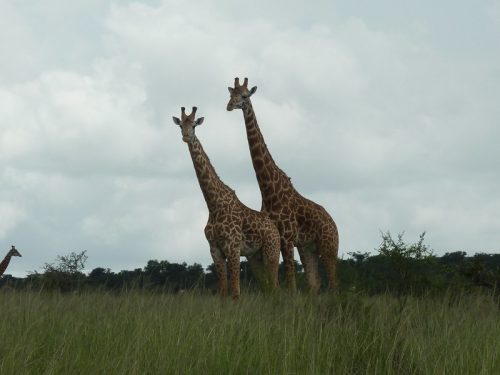
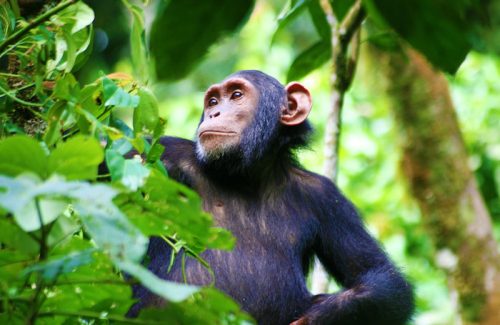
Travelers who want more than gorillas will encounter additional park fees across Rwanda’s other reserves. Akagera National Park charges international visitors around USD 100 per person for a one night visit, with slightly reduced per night rates for longer stays. Nyungwe Forest National Park charges roughly USD 90 for chimpanzee trekking, plus separate fees for its popular canopy walkway. Adding a 4×4 vehicle with a driver guide typically costs between USD 150 and USD 300 per day, excluding fuel. Because a complete Rwanda itinerary often blends Volcanoes, Akagera, and Nyungwe into one trip, these smaller fees combine into a substantial addition on top of the gorilla permit.
Building a Full Circuit Without Overspending
Zamunda Travels designs multi park itineraries that balance cost against experience. For example, pairing two nights in Akagera with a shorter Volcanoes visit spreads spending across wildlife variety rather than concentrating it entirely on gorillas. Clients who combine parks during the low season also qualify for the permit discount mentioned earlier, which softens the overall circuit cost. This kind of planning turns an intimidating total budget into a manageable, well-paced trip that still covers Rwanda’s signature experiences.
How Zamunda Travels Helps You Manage an Expensive Destination Like Rwanda
Booking through an experienced local operator changes how manageable Rwanda’s costs actually feel. Zamunda Travels secures permits early, since daily gorilla trekking slots sell out months in advance during peak season. Our team also negotiates lodge rates across multiple price tiers, blends self-drive and guided days to control transport costs, and identifies every available discount a client qualifies for, including EAC and low-season rates. Because pricing across Rwanda’s tourism sector is largely fixed by the government, the real savings come from smart itinerary design rather than aggressive bargaining. Zamunda Travels focuses on that design work so clients spend money only where it genuinely improves the trip.
Is Rwanda an Expensive Destination Worth the Price?
Most travelers who complete a Rwanda trip describe it as worth every dollar spent. Rwanda pairs its high fees with exceptional organization, some of the safest streets in Africa, and wildlife encounters that few other countries can replicate. Gorilla trekking delivers a single hour that many guests call the most memorable experience of their lives, and the surrounding infrastructure, from paved roads to well-trained guides, reflects years of consistent investment. Therefore, while Rwanda remains an expensive destination on paper, the value delivered per dollar often exceeds cheaper alternatives elsewhere on the continent. Zamunda Travels has watched countless first-time visitors return home convinced that the premium price bought a genuinely premium experience.
Tips to Visit Rwanda Without Overspending
Travelers can still control their budget significantly, even inside a naturally expensive destination. Booking during the low season between November and May unlocks permit discounts and quieter parks. Mixing one splurge lodge with several mid-range stays keeps the average nightly rate manageable. Choosing Akagera or Nyungwe over a second gorilla trek reduces costs while still delivering strong wildlife viewing. Eating at local restaurants instead of hotel dining rooms saves meaningfully across a multi-day trip. Zamunda Travels builds these choices into every quote we prepare, so clients see exactly where flexibility exists before they commit to a final budget.
Final Thoughts
Rwanda earns its reputation as an expensive destination through deliberate policy, not accident. High gorilla permit fees, premium lodges, and a low volume tourism strategy all work together to protect the country’s landscapes while funding conservation and community development. However, smart planning, seasonal timing, and local expertise can bring even a premium Rwanda trip within reach of a wider range of budgets. Zamunda Travels specializes in exactly this kind of planning, helping travelers experience Rwanda’s gorillas, parks, and culture without paying more than the trip truly requires. If Rwanda has been on your travel list, reach out to Zamunda Travels and let us build an itinerary that matches both your budget and your bucket list.