Uganda Tours and Safaris Adventures
August 14, 2026
Essential Rwanda Travel Tips
August 15, 2026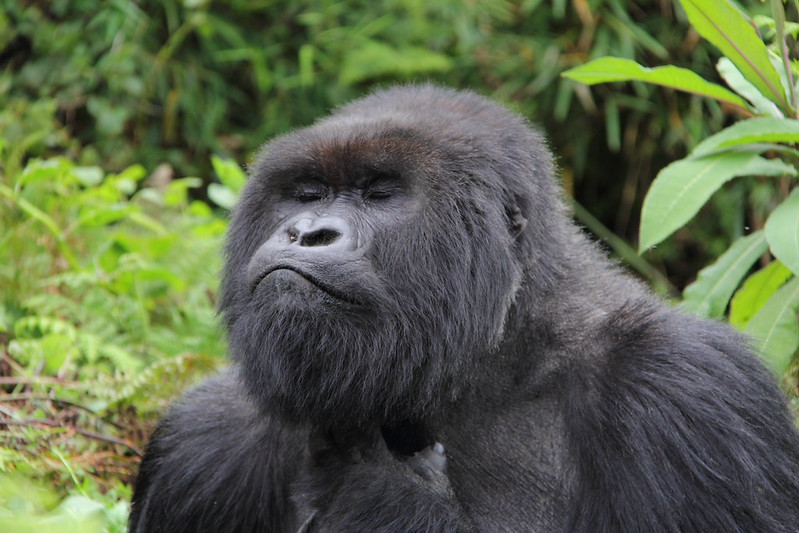
Rwanda is one of the most attractive destinations in East Africa. It is known for its mountain gorillas, clean cities, beautiful landscapes, welcoming communities, and well organized tourism industry. For many travelers, however, one question comes before booking a safari: Is Rwanda Safe for Tourists? The short answer is that Rwanda can be a safe and rewarding destination for tourists when visitors follow local advice, use reputable tour operators, and stay aware of their surroundings. At the same time, travelers should understand that safety conditions can vary by location, especially near Rwanda’s borders with the Democratic Republic of Congo (DRC).
Current international travel advice highlights a distinction that tourists should take seriously. The U.S. Department of State currently advises travelers to reconsider travel to Rwanda because of crime, unrest, and health risks, while specifically warning against travel within 10 kilometers of the DRC border. The UK Foreign, Commonwealth & Development Office also advises against all but essential travel to parts of Rusizi District close to the DRC border. Importantly for gorilla travelers, the U.S. advisory states that Volcanoes National Park is not within the identified area of increased risk.
For travelers planning a holiday in Kigali, Volcanoes National Park, Akagera National Park, or other established tourist areas, the best approach is not to ignore these advisories. Instead, understand where the risks are and plan your journey accordingly. Zamunda Travels helps travelers organize guided journeys in Rwanda and can assist visitors with transport, accommodation, park activities, border logistics, and practical travel planning.
Is Rwanda Safe for Tourists in 2026?
Rwanda remains a popular tourism destination, but travelers should check current conditions before departure. The country’s tourism industry continues to attract visitors interested in gorilla trekking, wildlife safaris, cultural experiences, hiking, and city tours. Rwanda’s official statistics also show significant international visitor activity. During the fourth quarter of 2025, Rwanda recorded more than 99,000 non-resident air travelers and more than 350,000 non-resident land arrivals. These figures demonstrate the continued movement of international and regional travelers through the country.
However, a large number of visitors does not mean that every part of the country carries the same level of risk. Rwanda shares borders with Uganda, Tanzania, Burundi, and the DRC. The security situation near the DRC border deserves particular attention because conflict in eastern DRC can create risks that extend toward the Rwandan side of the border. The UK travel advice notes that cross-border attacks and security operations can affect areas close to the DRC and that border crossings can sometimes close at short notice.
Therefore, tourists should look at Rwanda as a destination with different safety considerations rather than treating the entire country as equally risky. A well-planned safari normally follows established tourist routes and uses experienced guides who understand local conditions. This is one reason why working with a professional company such as Zamunda Travels can make a difference, especially for visitors who are traveling to Rwanda for the first time.
Is Rwanda Safe for Tourists Visiting Kigali?
Kigali is Rwanda’s capital and the main arrival point for most international visitors. The city is known for its organized streets, attractive neighborhoods, restaurants, hotels, and growing tourism infrastructure. Many visitors find Kigali comfortable for walking around during the day, exploring local attractions, enjoying restaurants, and preparing for a safari.
Nevertheless, tourists should use normal urban safety precautions. The UK government states that crime levels in Rwanda are relatively low, but theft, burglary, bag-snatching, and mugging can occur, particularly in Kigali. Travelers should therefore avoid displaying expensive cameras, phones, jewelry, or large amounts of cash. It is also sensible to arrange transport in advance when traveling at night and to avoid walking alone through unfamiliar or poorly populated areas after dark.
When staying in Kigali, choose reputable accommodation and use trusted transportation. Keep your passport, money, and important documents secure. If you carry camera equipment for a gorilla trekking trip, avoid leaving it visible inside a parked vehicle. These simple habits reduce common travel risks without preventing you from enjoying the city.
Is Rwanda Safe for Tourists on Gorilla Trekking Trips?
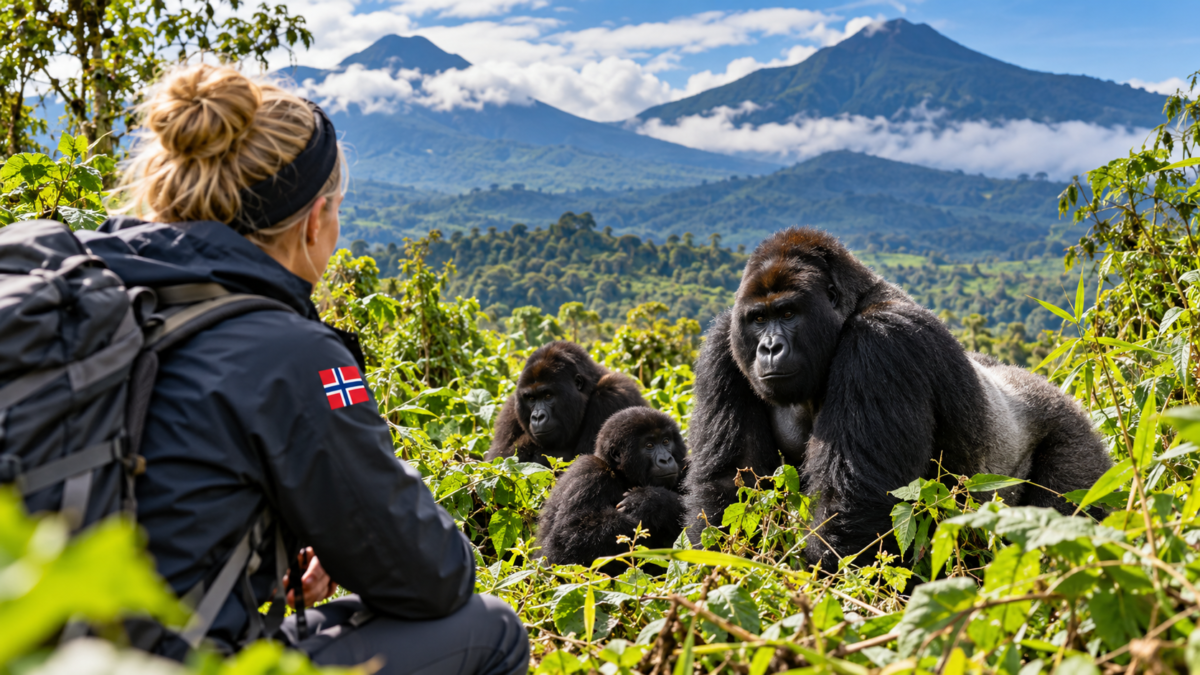
Gorilla trekking is one of Rwanda’s most famous tourism experiences. Volcanoes National Park, in the north west of the country, protects mountain gorillas and forms part of the wider Virunga conservation landscape. Travelers come to the region to trek through the forest, meet habituated gorilla families, and experience one of Africa’s most memorable wildlife encounters.
For tourists asking Is Rwanda Safe for Tourists who want to go gorilla trekking, the location of the activity is especially important. Current U.S. travel advice specifically states that Volcanoes National Park is not included in the area of increased risk associated with the DRC border.
Gorilla trekking itself should always be done with authorized park guides and rangers. Visitors should follow instructions about approaching gorillas, maintaining the required distance, avoiding sudden movements, and respecting park regulations. The forest can also be physically demanding, so travelers should prepare for steep slopes, muddy trails, changing weather, and thick vegetation.
Zamunda Travels can help visitors arrange the complete trekking experience, including transportation, accommodation, permits, guide coordination, and connections between Rwanda and Uganda. This organized approach is particularly useful because travelers do not need to navigate remote mountain areas alone.
Safety When Traveling Around Rwanda’s National Parks
Rwanda offers more than gorilla trekking. Akagera National Park provides opportunities to see elephants, lions, giraffes, buffaloes, zebras, antelopes, hippos, crocodiles, and numerous bird species. Nyungwe National Park is famous for its forest environment, primates, birdlife, and canopy walk. Each destination has its own travel conditions, so visitors should follow instructions from park authorities and their guides.
During wildlife safaris, never leave the vehicle without permission from your guide. Wild animals can appear calm but remain unpredictable. Keep a safe distance from animals and avoid shouting or making sudden movements. If you are staying in a lodge near a wildlife area, follow the property’s instructions about walking after dark.
Road safety also deserves attention. Rwanda has mountainous terrain and winding roads in many areas. Weather can affect driving conditions, particularly during periods of heavy rainfall. A professional driver who knows the routes can reduce the stress of long-distance travel and help visitors respond to changing road conditions.
Crime and Personal Safety in Rwanda
Rwanda is not free from crime. Tourists should understand the difference between a generally manageable security environment and a guarantee of complete safety. No destination can provide such a guarantee.
Rwanda’s official statistics record theft and assault among the country’s major reported crimes. In 2024, the Rwanda Statistical Yearbook recorded 23,942 theft cases and 21,227 assault and battery cases. These figures cover the country as a whole and are not statistics specifically about tourists, so they should not be interpreted as a measure of the risk faced by an individual visitor.
For tourists, basic precautions remain effective. Keep valuable items out of sight. Use hotel safes where available. Avoid carrying unnecessary amounts of cash. Keep copies of important travel documents. When using public transport or taxis, choose reputable providers. At night, use arranged transportation instead of walking through unfamiliar neighborhoods.
If a robbery occurs, do not physically resist. The current U.S. travel advisory specifically recommends not resisting a robbery attempt and advises travelers to use caution when walking or driving at night.
Is Rwanda Safe for Solo Travelers?
Solo travelers can enjoy Rwanda, but they should take greater responsibility for their personal security. Traveling alone means that there is no companion immediately available to help with navigation, communication, or unexpected changes.
A solo visitor should share an itinerary with someone at home and keep accommodation details accessible. It is also wise to use established hotels, reputable transport providers, and licensed guides for activities outside the main urban areas. When hiking or visiting national parks, guided activities provide an additional layer of practical support.
For first-time visitors, booking through an experienced operator such as Zamunda Travels can simplify the experience. The company can coordinate transfers, accommodation, park visits, and activities so that the traveler has a clear plan instead of making arrangements independently at every stage.
Is Rwanda Safe for Families?
Rwanda can be an excellent destination for families who enjoy nature, wildlife, culture, and outdoor activities. However, parents should choose activities according to the age and fitness of their children. Some trekking routes can be strenuous, while long road journeys may require careful planning.
Families should also teach children simple safety habits before the trip. Children should stay close to parents or guides, avoid approaching wild animals, and never wander away from designated areas. At hotels and lodges, parents should follow the property’s instructions about swimming pools, wildlife areas, balconies, and nighttime movement.
Family travelers should also build enough time into their itinerary. Rushing between destinations can make a safari tiring, especially when traveling with young children. Zamunda Travels can help families create a practical route that balances wildlife experiences with rest and comfortable travel.
Health and Medical Safety in Rwanda
Health is another important part of the question, Is Rwanda Safe for Tourists, because a safe trip involves more than crime and security. Travelers should consult a qualified medical professional or travel clinic before departure to discuss recommended vaccinations, medications, food and water precautions, and any health requirements relevant to their individual circumstances.
Travelers should also consider travel insurance that covers medical treatment and emergency evacuation. The U.S. government strongly recommends travel insurance and advises travelers to check whether their policy includes medical care, evacuation assistance, and trip cancellation protection.
Rwanda has also maintained heightened public-health vigilance because of the Ebola outbreak reported in the DRC. Rwanda Biomedical Centre stated in June 2026 that there were no Ebola cases in Rwanda and that the country was maintaining surveillance and preparedness measures. At that time, foreign nationals who had traveled to or transited through the DRC within the previous 30 days were subject to entry restrictions. Travelers should therefore check the latest health requirements before departure, especially if their itinerary includes the DRC.
Is Rwanda Safe for Tourists Near the DRC Border?
This is one of the most important safety questions for anyone planning a Rwanda trip. The DRC border area requires greater caution because of continuing instability in eastern DRC. The U.S. Department of State advises against travel within 10 kilometers of Rwanda’s DRC border because of unrest. The UK government also identifies parts of Rusizi District within 10 kilometers of the DRC border as areas where it advises against all but essential travel.
Travelers should not assume that every destination in Rwanda has the same risk level. Instead, they should check the exact location of their accommodation, activities, and planned routes. This matters particularly for travelers combining Rwanda with eastern DRC or planning to use border crossings.
If you are planning a Rwanda and Uganda safari, communicate your full itinerary to your tour operator. Zamunda Travels can help travelers understand the practical route between destinations and adjust plans when border conditions change.
Rwanda-Uganda Border Safety
Many travelers combine Rwanda with Uganda because the two countries offer complementary wildlife experiences. A combined itinerary can include Kigali, Volcanoes National Park, Bwindi Impenetrable National Park, Queen Elizabeth National Park, Kibale National Park, or other destinations.
Border travel requires some planning because crossings can change their operating conditions. The UK government notes that Rwanda-Uganda border crossings have temporarily closed at short notice in recent years. Travelers should therefore avoid building an itinerary with extremely tight connections between border crossing, trekking permits, flights, or other activities.
A professional travel company can monitor the practical situation and help travelers respond if a route changes. This is particularly valuable for gorilla trekking because permits are date-specific and transfers between countries require careful timing.
Is Rwanda Safe at Night?
Nighttime travel requires more caution than daytime travel. Even in places where daytime movement feels comfortable, visitors should avoid walking alone through unfamiliar areas late at night.
Arrange transportation through your hotel, tour operator, or another trusted provider. Keep your phone charged and let someone know where you are going. Avoid displaying valuable items and stay away from isolated areas.
The U.S. travel advisory recommends caution when walking or driving at night, while UK guidance also recommends taking care when walking after dark and arranging transportation in advance.
These precautions are simple, but they can significantly reduce unnecessary exposure to common travel risks.
What Should Tourists Do to Stay Safe in Rwanda?
The best way to enjoy Rwanda is to combine sensible preparation with local guidance. Before departure, check official travel advisories and confirm that your travel insurance covers your planned activities. Save copies of your passport, travel insurance documents, accommodation details, and important contacts.
During the trip, use trusted transportation and avoid unnecessary nighttime movement in unfamiliar areas. Keep valuables secure and follow the instructions of guides and park authorities. If you are trekking or hiking, wear suitable footwear and carry enough water for the activity.
Most importantly, remain flexible. Security and health conditions can change, particularly near international borders. A responsible traveler checks current information instead of relying only on information published several years ago.
For travelers booking a safari with Zamunda Travels, the company can help coordinate accommodation, transport, park activities, border arrangements, and safari logistics. This gives visitors a structured travel plan while allowing them to focus on experiencing Rwanda.
Is Rwanda Safe for Tourists Compared With Other African Destinations?
Safety comparisons between African countries can be misleading because risks differ between cities, rural areas, borders, parks, and individual activities. Rwanda has developed a strong tourism infrastructure and attracts visitors for gorilla trekking, wildlife safaris, conferences, cultural tourism, and leisure travel. At the same time, current advisories show that border-related risks and other concerns should not be ignored.
The most useful question is therefore not whether Rwanda is simply “safe” or “unsafe.” Instead, ask where you are going, what you are doing, how you are traveling, and what the current conditions are. A tourist staying in Kigali, visiting Volcanoes National Park with an organized guide, and following local advice faces a different set of circumstances from someone traveling independently near a sensitive border area.
This approach gives travelers a more realistic understanding of destination safety. It also helps explain why Zamunda Travels recommends planning each itinerary around current conditions rather than using a one size fits all approach.
Why Travel With Zamunda Travels in Rwanda?
Choosing the right travel company can make your Rwanda experience more organized and comfortable. Zamunda Travels specializes in East African travel experiences and can assist visitors planning gorilla trekking, wildlife safaris, cultural experiences, airport transfers, and combined Rwanda-Uganda itineraries.
A guided safari also provides practical advantages. Professional drivers understand the roads, guides know the national parks, and local travel specialists can help visitors manage changes to schedules or routes. For travelers unfamiliar with Rwanda, this support can make the difference between a stressful journey and a smooth holiday.
Zamunda Travels can also help travelers build realistic itineraries. Instead of attempting to visit too many destinations in a short period, visitors can choose a route that matches their interests, available time, budget, and preferred travel style.
What Emergency Numbers Should Tourists Know in Rwanda?
Travelers should keep important emergency contacts available throughout their stay. Rwanda’s current official travel guidance lists 112 for police and ambulance services and 111 for fire services. Visitors should also save the contact details of their accommodation, tour operator, travel insurer, and relevant embassy or consular service.
It is a good idea to keep these numbers both on your phone and written somewhere secure. If your phone battery runs out, you can still access essential information.
Frequently Asked Questions About Rwanda Safety
Is Rwanda safe for first-time visitors?
Yes, many first-time visitors enjoy Rwanda successfully when they plan carefully and follow local guidance. However, travelers should check current travel advisories before departure and understand that border areas may carry higher risks.
Is Kigali safe for tourists?
Kigali is generally considered manageable for tourists when normal precautions are followed. However, theft, bag-snatching, and mugging can occur. Visitors should take extra care at night and use trusted transportation.
Is Rwanda safe for gorilla trekking?
Gorilla trekking in Volcanoes National Park remains a major tourism activity. Current U.S. travel guidance specifically says Volcanoes National Park is not within the area of increased risk associated with the DRC border. Travelers should still follow park regulations and current local guidance.
Is Rwanda safe for solo travelers?
Solo travelers can visit Rwanda, but they should use reputable accommodation, trusted transportation, and professional guides for activities in remote areas. Sharing your itinerary with someone at home is also recommended.
Is Rwanda safe for families?
Rwanda can work well for families interested in wildlife, culture, and nature. Families should select activities according to children’s ages and fitness levels and follow safety instructions from guides and accommodation providers.
Is it safe to travel from Rwanda to Uganda?
Travel between Rwanda and Uganda is possible, but border conditions can change. Travelers should check the latest information and allow enough flexibility in their itinerary because border crossings can close temporarily.
Should I use a tour operator in Rwanda?
Using a reputable tour operator can make travel easier, especially for first-time visitors or travelers combining several destinations. A company such as Zamunda Travels can coordinate transportation, accommodation, activities, and safari logistics.
Is Rwanda safe for tourists near the DRC border?
Travelers should exercise significant caution near the DRC border. Current U.S. advice says not to travel within 10 kilometers of Rwanda’s DRC border because of unrest, while UK advice identifies specific areas where it advises against all but essential travel.
Final Thoughts on Rwanda Safety
In conclusion, Is Rwanda Safe for Tourists? Rwanda can offer an exceptional travel experience, but visitors should make informed decisions rather than assuming that every part of the country carries the same level of risk. Kigali, established tourism routes, and major attractions such as Volcanoes National Park remain important parts of Rwanda’s tourism industry. However, travelers should pay particular attention to current guidance concerning the DRC border, health developments, crime, transportation, and changing regional conditions.
The safest approach is simple: research before departure, use reliable transportation, secure your belongings, follow local instructions, purchase suitable travel insurance, and keep your itinerary flexible. If you are planning a gorilla trekking adventure or a wider Rwanda-Uganda safari, working with an experienced operator can also make the journey more straightforward.
Zamunda Travels can help you plan a Rwanda safari around your interests, schedule, budget, and preferred destinations. With good preparation and responsible travel habits, visitors can focus on what makes Rwanda special: its mountain landscapes, remarkable wildlife, vibrant culture, welcoming communities, and unforgettable gorilla trekking experiences.