Is Rwanda Safe for Tourists?
August 14, 2026
Rwanda the Country of a Thousand Hills
August 15, 2026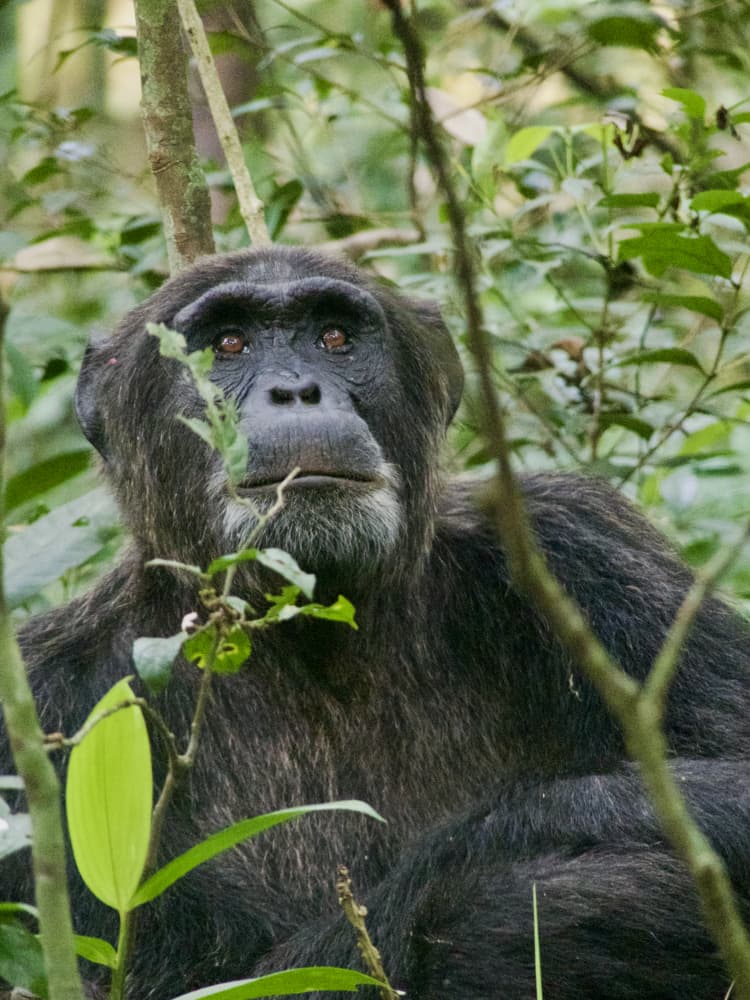
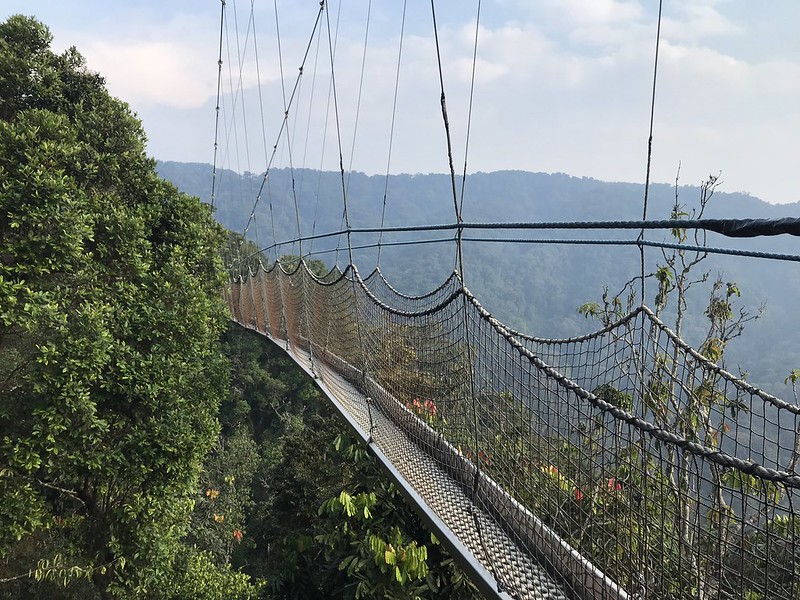
Rwanda is one of East Africa’s most rewarding destinations for travellers who want to combine wildlife, culture, beautiful landscapes, and comfortable travel in one trip. Known as the “Land of a Thousand Hills,” Rwanda offers a remarkable mix of experiences, from gorilla trekking in Volcanoes National Park to chimpanzee tracking and canopy walks in Nyungwe National Park. Visitors can also explore Kigali, enjoy wildlife safaris in Akagera National Park, and discover the scenic shores of Lake Kivu. However, good preparation can make your trip much easier. These Essential Rwanda Travel Tips will help you understand entry requirements, transport, money, health, safety, packing, local customs, and safari planning before you arrive.
Zamunda Travels can also help travellers plan Rwanda holidays around their interests, travel dates, and budget. Whether you want a short Kigali city break or a longer Rwanda and Uganda safari, planning with a local travel company can help you choose practical routes and experiences.
Essential Rwanda Travel Tips Before You Visit
One of the first things to understand about Rwanda is that the country is relatively compact. This makes it possible to combine several destinations without spending the entire holiday on the road. Kigali is often the starting point for international visitors. From the capital, travellers can reach Volcanoes National Park, Akagera National Park, Nyungwe National Park, and Lake Kivu by road. Your choice of destination should depend on what you want to see. Gorilla trekking requires a visit to the Volcanoes region, while Akagera is the main destination for traditional wildlife safaris. Nyungwe is ideal for primate experiences and forest scenery.
Before travelling, check your passport validity, visa requirements, travel insurance, and any health requirements that apply to your nationality. Rwanda’s immigration authorities state that citizens of all countries can obtain a visa on arrival, although visa exemptions and fees vary by nationality. East African Community citizens can receive a free entry pass for up to six months. Travellers should still check the latest official requirements before departure because immigration rules can change.
Rwanda Visa and Entry Requirements
Visa planning should be one of the first items on your Rwanda travel checklist. Rwanda allows citizens of all countries to obtain visas on arrival, while some nationalities receive visa-free entry or free visas under specific arrangements. Travellers who are not exempt can also apply online before departure. The official immigration authority states that a single-entry tourist visa should not exceed US$50, while a multiple-entry visa should not exceed US$70.
Your passport should also be valid for at least six months. Rwanda’s immigration information advises visitors to carry an acceptable travel document and notes that vaccination certificates may be required depending on applicable health rules. If you are travelling from a country where yellow fever is a concern, carry your vaccination certificate. It is wise to keep both printed and digital copies of important travel documents.
If your itinerary includes Rwanda, Uganda, and Kenya, consider whether the East Africa Tourist Visa suits your plans. Rwanda’s immigration authority states that this visa covers tourism across Rwanda, Uganda, and Kenya. It costs US$100, remains valid for 90 days, and allows multiple entry within those three countries. Zamunda Travels can help travellers understand which visa option best matches a multi-country itinerary.
Essential Rwanda Travel Tips for Gorilla Trekking
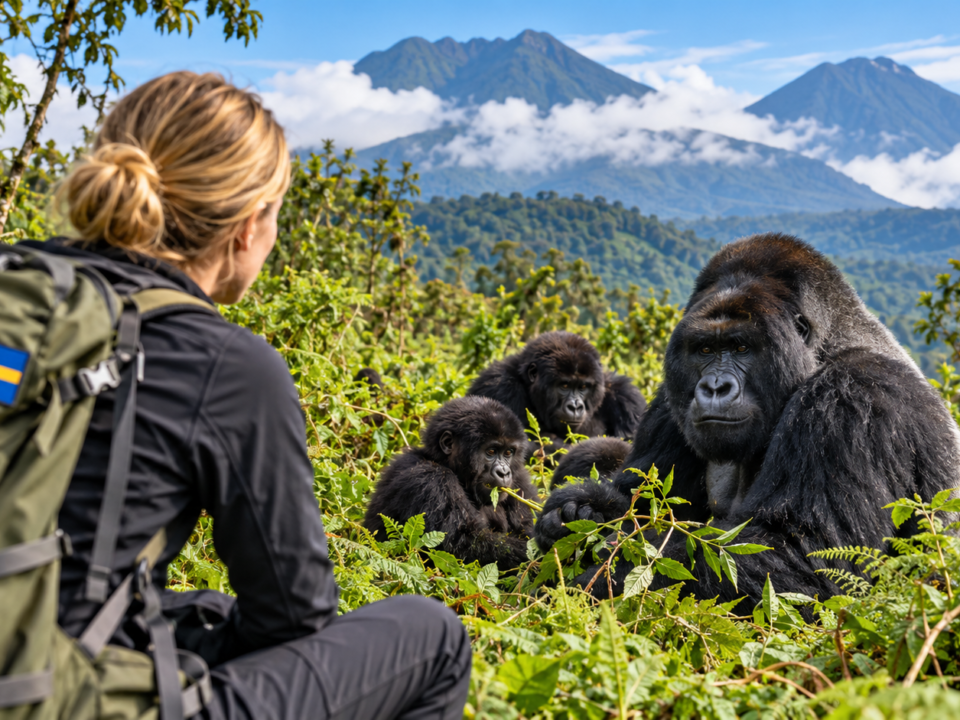
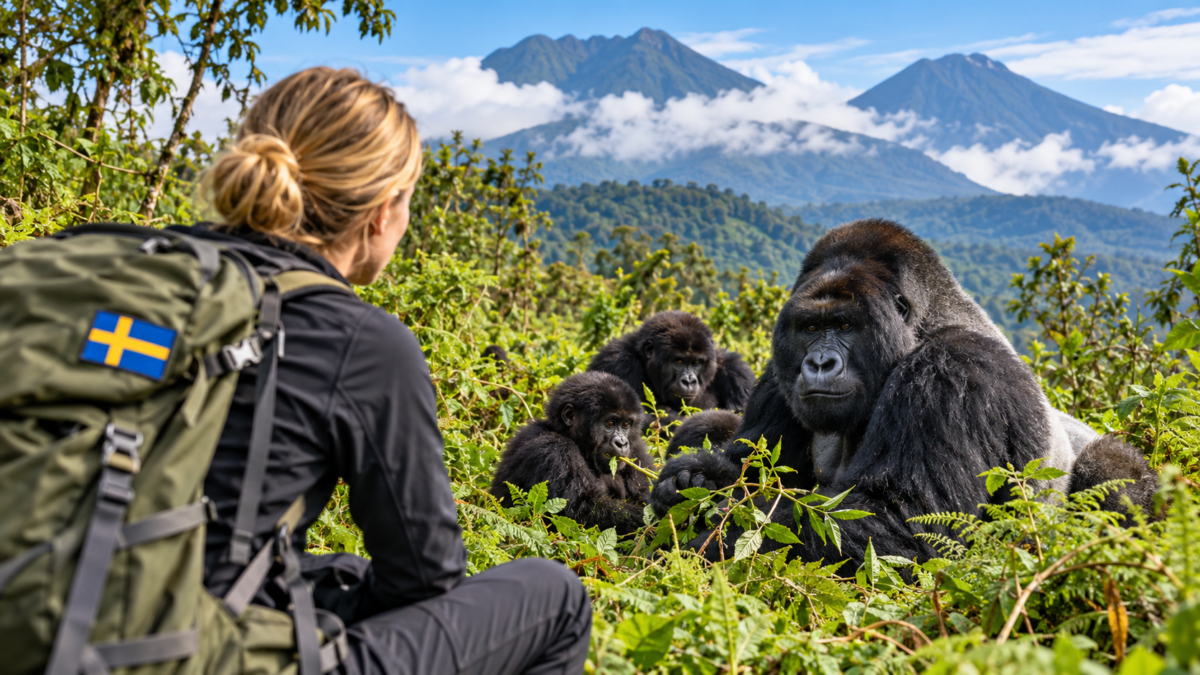
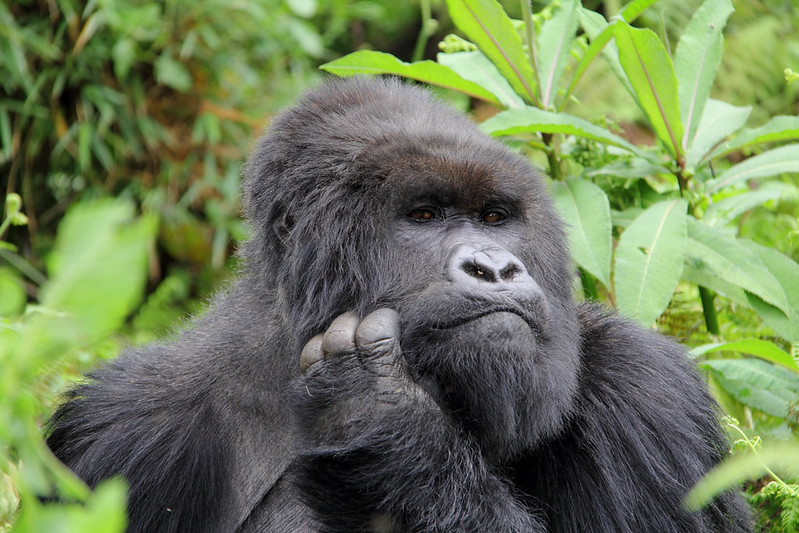
Gorilla trekking is one of Rwanda’s most famous tourism experiences. Volcanoes National Park is home to mountain gorillas and offers visitors the chance to observe these remarkable primates in their natural habitat. However, gorilla trekking involves walking through mountainous terrain, so physical preparation matters. The length and difficulty of the trek can vary because gorillas move through the forest.
Wear sturdy hiking shoes with good grip. Long trousers and long sleeved clothing can protect your skin from vegetation and insects. A lightweight waterproof jacket is also useful because weather in the Virunga Mountains can change quickly. Carry enough drinking water and follow the instructions of your trekking guides and park staff.
Travellers should also take their health seriously before visiting primates. Visit Rwanda advises travellers to be in good health when visiting primates because human illnesses can potentially be transmitted to them. The guidance also recommends keeping vaccinations up to date and carrying a small first aid kit.
Gorilla trekking should also be booked well in advance, especially during popular travel periods. Zamunda Travels can help arrange permits, accommodation, transport, and the wider itinerary so that your gorilla experience fits smoothly into your Rwanda safari.
Choose the Best Time to Visit Rwanda
Rwanda can be visited throughout the year, but weather can influence different activities. The country has a tropical highland climate, and conditions vary between regions and elevations. Gorilla trekking can take place throughout the year, although many travellers prefer periods with generally drier conditions for hiking.
The dry seasons are often popular for wildlife viewing and trekking because trails may be easier to manage. However, the rainy seasons can bring lush scenery and excellent photographic conditions. They can also offer advantages for travellers who prefer quieter periods.
Rather than choosing travel dates based only on weather, consider your main activities. A traveller interested in gorilla trekking may plan differently from someone focused on Akagera wildlife safaris or Nyungwe forest experiences. Zamunda Travels can help match your travel dates with the experiences you want most.
Money, Currency, and Payments in Rwanda
The official currency of Rwanda is the Rwandan franc. Carrying some local currency is useful, particularly when travelling outside Kigali. Larger hotels, restaurants, and established tourism businesses may accept international cards, but smaller businesses may rely more heavily on cash.
It is sensible to carry a mixture of payment options. Keep some Rwandan francs for small purchases, local transport, markets, tips, and other everyday expenses. You should also keep a backup payment method in case your preferred card does not work.
When exchanging money, use reputable banks or authorised foreign exchange providers. Avoid exchanging large amounts with unofficial individuals. Keeping your cash secure is also important, especially in busy areas.
Essential Rwanda Travel Tips for Getting Around
Rwanda’s road network makes overland travel between major tourism areas practical. Most safari itineraries use private vehicles with experienced drivers or guides. This option gives travellers flexibility and allows stops at viewpoints, cultural attractions, restaurants, and other places along the route.
Kigali is a useful base for beginning many journeys. Volcanoes National Park lies in the northern part of the country, while Akagera is in the east. Nyungwe is in the southwest. Lake Kivu stretches along the western side of Rwanda.
Travelling with a professional guide can make a major difference. A local guide understands road conditions, tourism schedules, park procedures, and practical stops along the route. Zamunda Travels can arrange private transfers and safari transport for travellers who want a more organised experience.
Domestic and regional flights can also save time on selected routes. However, road travel often provides a better opportunity to see rural landscapes and communities.
Health and Travel Insurance in Rwanda
Health preparation is an important part of responsible travel. Visit Rwanda advises travellers to seek professional medical advice about vaccinations and malaria prevention before travelling. Malaria remains present in Rwanda, even though much of the country sits at higher elevations. Travellers should therefore discuss appropriate precautions with a qualified healthcare professional.
Mosquito protection also helps. Use insect repellent and consider wearing clothing that covers your arms and legs, particularly during periods when mosquitoes are active. Bring any personal medicines that you regularly need and keep them in their original packaging.
Drink safe water during your trip. Visit Rwanda advises travellers not to drink tap water and recommends sealed bottled mineral water. Check that the bottle seal is intact before drinking.
Travel insurance is equally important. Choose a policy that covers medical treatment, emergency assistance, trip interruptions, and activities included in your itinerary. If you plan to trek or take part in adventure activities, confirm that your policy covers them.
Safety Tips for Travelling in Rwanda
Rwanda is widely regarded as an organised and visitor-friendly destination, but travellers should still use normal safety precautions. Keep valuables secure and avoid displaying large amounts of cash. When walking in Kigali at night, use reputable transport instead of walking through unfamiliar or quiet areas.
Current travel advice also highlights regional risks that visitors should understand before travelling. The UK Foreign, Commonwealth & Development Office currently advises against all but essential travel to parts of Rusizi District within 10 kilometres of the Democratic Republic of Congo border. It also warns that conditions around the Rwanda-DRC border can change and that crossings may close at short notice.
Travellers should therefore check current government travel advice before visiting border areas. This is particularly important if your itinerary includes southwestern Rwanda or cross-border travel. Zamunda Travels can help travellers plan routes that reflect current conditions and avoid unnecessary complications.
For emergencies, Rwanda’s emergency numbers include 112 for police and ambulance services and 111 for fire services.
Respect Rwandan Culture and Local Customs
Respect for local culture can make your trip more enjoyable. Rwanda has a strong national identity and places considerable value on cleanliness, community, and respectful behaviour. Dress modestly when visiting communities, religious sites, and cultural attractions.
Ask permission before photographing people. This simple habit shows respect and can lead to more meaningful interactions. When visiting rural communities, listen to your guide and follow local instructions.
Learn a few simple words in Kinyarwanda if you have time. Even a basic greeting can create a friendly connection with local people. English, French, and Kinyarwanda are widely used in different settings, while Swahili is also understood in parts of the country.
Travellers should also respect Rwanda’s environmental rules. Avoid littering, do not disturb wildlife, and follow instructions inside national parks. Responsible tourism helps protect the places that make Rwanda special.
What to Pack for a Rwanda Safari
Your packing list should match your itinerary. A city holiday requires different items from a gorilla trekking adventure. For general travel, pack comfortable clothing, walking shoes, a light jacket, sunscreen, insect repellent, personal medicines, toiletries, and a reusable water bottle.
For gorilla trekking, prioritise practical clothing. Good hiking shoes, long trousers, long socks, a waterproof jacket, gloves, and a small daypack can be useful. A walking stick may also help on steep or slippery trails, although trekking operators can often provide one.
A camera or smartphone is useful for documenting landscapes and wildlife. Bring extra storage and a power bank if you plan to spend long periods away from your accommodation. Keep important documents protected from rain, particularly during forest activities.
Plan a Balanced Rwanda Safari
A well planned Rwanda trip should combine major attractions without making the schedule unnecessarily rushed. For example, travellers interested in primates can combine Kigali with Volcanoes National Park. Wildlife enthusiasts can add Akagera National Park. Those who enjoy forests and chimpanzees can include Nyungwe.
Lake Kivu also works well as a relaxing addition to a safari. Its lakeside scenery offers a change of pace after long trekking or wildlife viewing days.
The best itinerary depends on your interests, budget, available time, and preferred accommodation style. A short trip may focus on Kigali and Volcanoes National Park. A longer journey can include Akagera, Nyungwe, and Lake Kivu.
Zamunda Travels can create a personalised Rwanda itinerary that combines these destinations with practical driving times and suitable accommodation. This can help you spend more time enjoying the country rather than worrying about logistics.
Essential Rwanda Travel Tips for Responsible Tourism
Responsible tourism should be part of every Rwanda holiday. Wildlife experiences should support conservation rather than disturb animals. Follow park rules and maintain the required distance from wildlife. During gorilla trekking, follow the instructions given by trackers and guides.
Support local communities where possible. Choose locally owned businesses, purchase appropriate locally made crafts, and use registered guides and tourism operators. Your spending can contribute to conservation and local livelihoods.
Avoid leaving rubbish in national parks and natural areas. Carry reusable items where practical and dispose of waste responsibly. Small actions can help protect Rwanda’s forests, lakes, wildlife, and communities.
Responsible travel also means respecting photography restrictions and cultural boundaries. Ask questions when you are unsure. Your guide can explain what is appropriate.
Why Travel to Rwanda with Zamunda Travels?
Planning a Rwanda safari independently is possible, but working with an experienced travel company can simplify the process. Zamunda Travels can help organise transportation, accommodation, park activities, gorilla trekking arrangements, cultural experiences, and cross-border itineraries involving Uganda.
A local travel company can also help you make better use of your time. Instead of choosing destinations only because they appear close on a map, your itinerary can consider road conditions, activity schedules, accommodation locations, and the amount of time available.
For travellers who want to combine Rwanda and Uganda, local planning becomes even more valuable. The two countries can complement each other extremely well. A single journey can include Rwanda’s gorilla trekking and cultural experiences alongside Uganda’s national parks, chimpanzee tracking, wildlife safaris, and other attractions.
Zamunda Travels can therefore design a trip around your priorities rather than offering a one-size-fits all itinerary.
Frequently Asked Questions About Rwanda Travel
Is Rwanda good for first-time travellers?
Yes. Rwanda offers a compact tourism circuit with major attractions that can be combined within a relatively short trip. Kigali provides an easy starting point, while Volcanoes, Akagera, Nyungwe, and Lake Kivu offer different experiences.
Do I need a visa to visit Rwanda?
Visa requirements depend on your nationality. Rwanda allows citizens of all countries to obtain visas on arrival, while some nationalities qualify for visa-free or free-entry arrangements. Always check the latest official immigration information before departure.
Is Rwanda safe for tourists?
Many visitors travel around Rwanda without major problems, but normal precautions remain important. Current regional travel advice is especially important near the DRC border and certain parts of Rusizi District. Check current advice before travelling.
What currency is used in Rwanda?
Rwanda uses the Rwandan franc. Carrying some local currency is useful for smaller purchases and travel outside major tourist establishments.
What should I wear for gorilla trekking?
Wear comfortable hiking clothing and sturdy shoes. Long trousers, long sleeves, socks, a waterproof jacket, and insect protection are useful in the forest.
Can I combine Rwanda and Uganda?
Yes. Rwanda and Uganda can be combined in one East African itinerary. Travellers should check border requirements and visa rules before planning a cross-border trip. The East Africa Tourist Visa can cover tourism in Rwanda, Uganda, and Kenya for eligible travellers.
How can Zamunda Travels help with a Rwanda trip?
Zamunda Travels can arrange personalised Rwanda safaris, gorilla trekking trips, wildlife experiences, accommodation, transfers, and Rwanda-Uganda itineraries. The company can also help you select destinations based on your available time and interests.
In conclusion, Rwanda offers an impressive combination of wildlife, primates, culture, scenery, and efficient tourism infrastructure. The key to enjoying the country is preparation. Check your entry requirements, plan your transport, prepare for the climate, arrange appropriate insurance, and respect local customs and conservation rules. Pay particular attention to current safety advice when travelling near international borders. With the right preparation and a well designed itinerary, Rwanda can become one of the most memorable destinations in East Africa. Zamunda Travels can help turn these Essential Rwanda Travel Tips into a practical safari plan that matches your interests, schedule, and budget.