Where to Go for Gorilla Trekking in Africa
August 15, 2026
The Oldest Stone Age Site in East Africa
August 15, 2026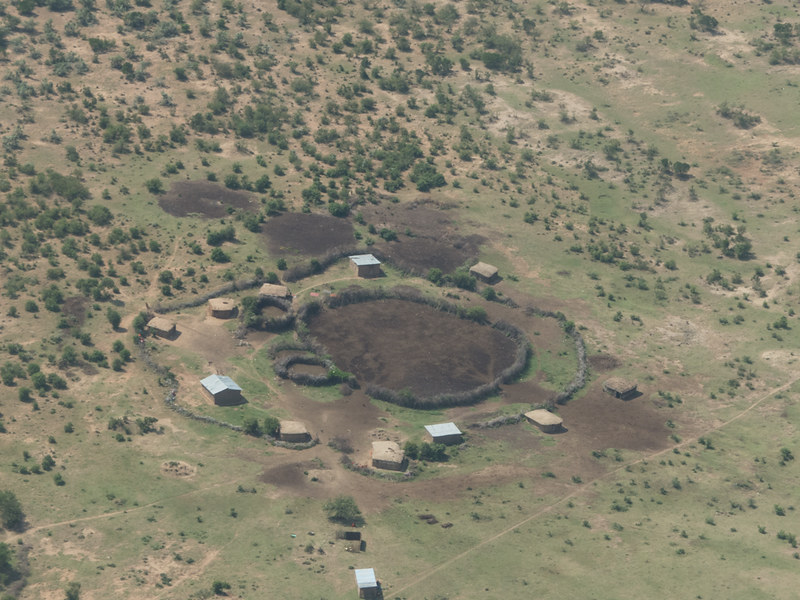
East Africa is famous for its wildlife, dramatic landscapes, and remarkable cultural heritage. Among its most recognisable cultural experiences are Manyattas in East Africa, especially those associated with the Maasai communities of Kenya and Tanzania. A manyatta offers visitors an opportunity to learn about traditional homes, livestock, family life, craftsmanship, and community traditions. However, the word “manyatta” can have different meanings depending on the community and context. In tourism, it is often used to describe a Maasai homestead or cultural village. Some sources also use the term more specifically for temporary settlements associated with Maasai warriors.
For travellers, visiting a manyatta can add an important cultural dimension to a safari. Instead of seeing East Africa only through wildlife drives, visitors can meet people and learn how communities have adapted to their environment. The experience can include traditional architecture, cattle keeping, beadwork, music, dancing, storytelling, and demonstrations of everyday skills. At Zamunda Travels, we believe cultural tourism should create meaningful connections while respecting the people who welcome visitors into their communities.
What Are Manyattas in East Africa?
Manyattas in East Africa are traditionally associated with Maasai communities living across parts of Kenya and Tanzania. A traditional Maasai settlement usually contains several small houses arranged around a central livestock enclosure. A thorn fence can surround the settlement. This arrangement reflects the importance of livestock and the need to protect animals from predators. Traditional houses are constructed from locally available materials, including branches, grass, mud, and cow dung.
The structure of a manyatta reflects practical knowledge developed over generations. The central enclosure provides space for livestock, while the surrounding homes create a protected living area. The settlement also creates a shared social space for families and community members. Therefore, a manyatta is more than a collection of traditional houses. It represents a way of organising domestic life, livestock, security, and community relationships.
Travellers should also understand that not every Maasai settlement is identical. Communities have different traditions and lifestyles. Modern education, changing economic opportunities, land pressures, technology, and access to services have influenced daily life. Therefore, visitors should avoid expecting every Maasai community to look exactly like a traditional tourism photograph.
The Traditional Architecture of Manyattas in East Africa
The architecture of Manyattas in East Africa is one of the most fascinating aspects of a cultural visit. Traditional Maasai homes are generally small, low structures. Builders create a framework from sticks and branches before covering the structure with a mixture of natural materials. Cow dung has traditionally been used as part of the plastering process. Research on traditional Maasai architecture also describes houses arranged in a circular formation around a cattle enclosure.
The circular design serves practical purposes. It creates a protected central area for livestock. It also helps organise the settlement around a shared space. Thorn branches can form an outer barrier. Historically, such barriers helped protect livestock from predators and helped control movement into and out of the settlement.
Inside a traditional house, the space is compact and functional. The small entrance requires visitors to bend as they enter. The design limits unnecessary openings and helps create a sheltered interior. These homes demonstrate how traditional communities used materials available in their surroundings. They also show how architecture can respond to climate, livestock needs, security concerns, and social organisation.
Why Cattle Matter in the Settlement
Cattle have a central place in Maasai culture and pastoral life. They provide important food resources and have deep social and economic significance. Livestock also influence settlement patterns because families need to protect animals and move them according to available pasture and water.
For this reason, the cattle enclosure often occupies a central position within the settlement. Visitors can therefore understand the layout more easily when they understand the relationship between people and livestock. A cultural visit arranged through Zamunda Travels can help explain this relationship without reducing Maasai culture to a simple tourist attraction.
Where Can You Experience Manyattas in East Africa?
Manyattas in East Africa are strongly associated with Maasai areas of Kenya and northern Tanzania. In Kenya, cultural manyattas have developed around important safari destinations, including areas close to Amboseli National Park. Historical research documents cultural manyattas around the Amboseli ecosystem, including communities such as Olgulului, Lolavashi, Kimana, and Tikondo.
In Tanzania, Maasai communities live across several parts of the northern region. Cultural experiences can be found around areas linked to the Ngorongoro Highlands and other northern safari destinations. These experiences can complement visits to major wildlife attractions. However, visitors should remember that Maasai communities are living communities. They are not simply extensions of national parks or safari attractions.
A well planned cultural experience can therefore combine wildlife and culture. Travellers may spend part of a safari watching elephants, lions, giraffes, or other wildlife. They can then visit a community and learn about local traditions. Zamunda Travels can incorporate cultural experiences into suitable East African itineraries based on the traveller’s interests and route.
Life Inside a Maasai Manyatta
Life inside a traditional Maasai settlement revolves around family, livestock, work, social relationships, and the surrounding environment. Daily responsibilities vary between individuals and communities. Activities can include caring for livestock, collecting water, preparing food, maintaining homes, caring for children, making crafts, and participating in community activities.
Women have traditionally played an important role in constructing and maintaining homes. They also contribute significantly to household activities and handicraft production. Beadwork is particularly well known among Maasai communities. Traditional jewellery can communicate aspects of identity, age, social position, and cultural belonging. However, visitors should understand that beadwork is not merely a souvenir product. It also has cultural meaning.
Men and boys have traditionally had important roles connected with livestock and pastoral activities. Maasai social structures include age sets and different responsibilities. These systems have helped organise community life over generations. At the same time, Maasai society continues to change. Modern employment, education, healthcare, communication, and tourism have become part of life for many families.
What Can Visitors See During a Manyatta Visit?
A cultural visit can vary significantly from one community to another. Some visits include a guided walk through the settlement. A community member may explain the construction of houses and the organisation of the homestead. Visitors may also learn about livestock, traditional food, beadwork, music, dancing, and other cultural practices.
Traditional dances are often included in tourism experiences. Guests may be welcomed with singing and dancing before learning more about the community. Some visits also include demonstrations of traditional skills. These can include making fire, producing beadwork, or explaining how homes are constructed. Historical research on cultural manyattas near Amboseli documents similar activities for visitors.
However, every cultural visit should not be judged by the number of performances included. A meaningful experience should provide opportunities for learning and respectful conversation. It should also allow community members to control how their culture is presented. This approach creates a better experience for both visitors and hosts.
Manyattas in East Africa and Cultural Tourism
Manyattas in East Africa have become part of the wider cultural tourism industry. This development has created opportunities for communities living near popular safari destinations. Tourism can provide income through entrance fees, guiding, crafts, performances, and other community services. Historical research on cultural tourism projects in Kenya and Tanzania found that tourism income supported community development activities in some locations.
Cultural tourism can also help visitors understand the people who live alongside famous wildlife areas. A safari becomes more meaningful when travellers learn about the communities connected to the landscapes they explore. Maasai communities have long maintained pastoral livelihoods across areas that now overlap with major tourism destinations.
At the same time, cultural tourism requires careful management. A community should have a meaningful role in deciding how visitors enter, what they see, and how tourism income is distributed. Poorly managed tourism can turn culture into a performance designed only to meet visitor expectations. Responsible tourism should instead support dignity, informed participation, and fair economic benefits.
Are All Manyatta Visits Authentic?
Not necessarily. This is an important consideration for anyone planning a cultural safari. Some tourism experiences are carefully organised for visitors. Others take place within living communities and provide more direct interaction with residents. The level of staging can vary from one location to another.
Research on cultural manyattas in Kenya has previously noted that some tourist settlements reproduced traditional settings specifically for visitors. Other cultural tourism initiatives in Tanzania incorporated tourism activities more closely into existing community life. Modern travel guidance also recommends asking who controls the visit and where the visitor’s payment goes.
This does not mean that a structured cultural visit is automatically negative. Demonstrations can help communities generate income and introduce visitors to traditions. The important issue is transparency and community participation. Travellers should choose experiences that respect local decision making and avoid treating residents as entertainment.
Zamunda Travels can help travellers select cultural experiences that fit naturally into their safari itinerary. The goal should be cultural learning rather than simply collecting photographs.
How to Behave When Visiting a Manyatta
Respect should guide every cultural visit. Ask before taking photographs of people. Follow instructions from your guide or community host. Avoid entering private areas without permission. You should also dress appropriately for the local setting.
Visitors should avoid making assumptions about people’s lives. A Maasai community is not frozen in the past. People use mobile phones, attend schools, work in different professions, and participate in modern economic activities. Traditional practices can exist alongside contemporary lifestyles.
It is also useful to purchase crafts directly from community members when possible. Beadwork and other handicrafts can provide an important source of income. However, travellers should negotiate respectfully if bargaining is part of the local market practice. The goal is not to obtain the lowest possible price. Instead, visitors should recognise the skill and time involved in producing handmade items.
Best Time to Visit Manyattas in East Africa
A manyatta visit can generally be combined with an East African safari throughout the year. The best timing depends on the wider itinerary rather than the cultural experience alone. Kenya and Tanzania offer different safari conditions across their regions. Therefore, travellers should choose dates according to their preferred wildlife experiences, weather, road conditions, and overall route.
The dry seasons are popular for many safari activities because wildlife can become easier to observe around water sources. However, green season travel also offers attractive landscapes and can provide a different perspective of East Africa. Zamunda Travels can help visitors select a suitable travel period based on the destinations included in their safari.
Combining Culture and Wildlife on an East African Safari
One of the biggest advantages of visiting Manyattas in East Africa is the opportunity to combine cultural learning with wildlife experiences. Kenya and Tanzania offer some of the continent’s most famous safari destinations. A traveller can experience the savannah, observe wildlife, and then spend time learning from a local community.
For example, a Kenya safari can combine wildlife experiences with a cultural visit around the Amboseli ecosystem. Tanzania offers opportunities to combine cultural experiences with northern safari destinations. The exact combination depends on the traveler’s interests, available time, and preferred accommodation.
Zamunda Travels can design an itinerary that balances wildlife, culture, scenery, and relaxation. This approach allows travellers to experience East Africa beyond game drives. It also creates space for meaningful interactions with communities.
Why Choose Zamunda Travels for a Cultural Safari?
Zamunda Travels understands that a safari should offer more than wildlife sightings. Culture is an important part of the East African travel experience. Our approach focuses on combining well planned journeys with opportunities to learn about local communities and traditions.
When arranging a cultural experience, travellers should receive clear information about what the visit involves. They should also understand the expected etiquette and the nature of the community experience. This preparation helps visitors arrive with realistic expectations and respect for their hosts.
Zamunda Travels can combine cultural experiences with wildlife safaris, national parks, scenic destinations, and other attractions. Whether you are interested in Kenya, Tanzania, Uganda, or a broader East African journey, a carefully planned itinerary can create a richer travel experience.
In conclusion, Manyattas in East Africa offer an important window into the traditions, architecture, pastoral heritage, and changing lifestyles of Maasai communities, particularly in Kenya and Tanzania. A manyatta is more than a group of traditional houses. Its circular design, livestock enclosure, homes, crafts, and social activities reflect generations of knowledge and adaptation. Cultural tourism can also create economic opportunities for communities when visitors choose responsible experiences and when local people have a genuine role in tourism activities. With thoughtful planning from Zamunda Travels, travellers can combine wildlife adventures with respectful cultural encounters and gain a deeper understanding of the people and landscapes that make East Africa so special.