Are Lions Lazy?
August 17, 2026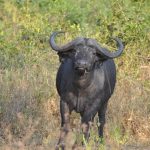
Distance from entebbe international Airport to lake mburo national park
August 17, 2026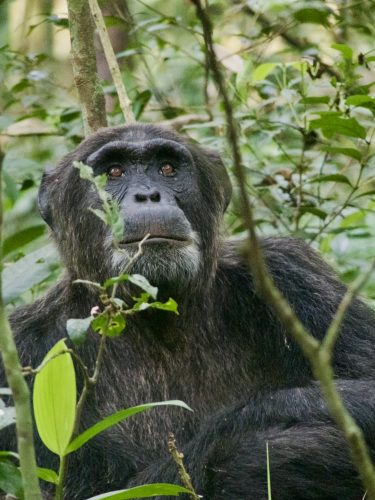
Rwanda is famous for turning a small, hilly country in the heart of Africa into one of the continent’s most talked about travel destinations. Visitors arrive expecting gorillas, and they leave talking about the mountains, the lakes, the coffee, and the astonishing calm of Kigali’s streets. This is exactly what makes Rwanda famous for far more than a single wildlife encounter. The country has built its tourism identity on rare wildlife, deliberate cleanliness, a hard but honestly told history, and a warmth that surprises almost every first time visitor. At Zamunda Travels, we send guests to Rwanda every season, and the same question always comes up before departure: what is Rwanda actually famous for? This guide answers that question in full, drawing on what travelers genuinely experience on the ground rather than just what the brochures promise.
Because Rwanda packs so many experiences into such a compact area, a traveler can trek gorillas in volcanic highlands one morning and relax beside a lake by nightfall. That density of experience is unusual in Africa, where distances between attractions are often vast. Zamunda Travels builds itineraries around this compactness, so guests spend their time exploring rather than sitting in transit. The sections below break down exactly what has earned Rwanda its reputation, one attraction at a time.
Rwanda Is Famous for Mountain Gorilla Trekking in Volcanoes National Park
Ask any seasoned traveler what Rwanda is famous for, and mountain gorillas will almost always be the first answer. Volcanoes National Park, tucked into the Virunga Massif in the northwest, is the single reason many people book a flight to Kigali in the first place. Roughly 350 mountain gorillas live here across a dozen habituated families, and a guided trek grants visitors a full hour in their presence. Trackers set out at dawn, guests follow armed rangers through bamboo forest and volcanic mist, and the reward is a close, quiet encounter with an animal that exists nowhere else on Earth outside this small stretch of Central Africa.
Access does not come cheap. A gorilla permit for international non residents costs USD 1,500 per person in 2026, a price set deliberately high by the Rwanda Development Board to fund conservation and keep visitor numbers low. That fee covers park entry, the guided trek, and the hour with the gorillas, though it excludes porters, transport, and lodging. Consequently, most travelers treat gorilla trekking as the centerpiece of a longer trip rather than a standalone visit. Because Volcanoes National Park sits only two to three hours from Kigali International Airport by road, Zamunda Travels can schedule a trek within a day or two of arrival, which is far faster than the journey required to reach comparable gorilla habitats elsewhere in the region. This convenience, paired with the premium experience, is a major reason Rwanda has overtaken its neighbors as the preferred gorilla trekking destination for travelers with limited time.

Rwanda Is Famous for the Big Five at Akagera National Park
Fewer travelers realize that Rwanda is famous for a second, entirely different kind of wildlife experience: a genuine Big Five safari. Akagera National Park, in the country’s northeast along the Tanzanian border, is Rwanda’s only savanna park, and its recovery is one of the most striking conservation stories in Africa. After the 1994 genocide, poaching and habitat loss had wiped out lions and rhinos completely, leaving Akagera without any of the Big Five for two decades. That changed through a partnership between the Rwandan government and African Parks. Lions returned in 2015, black rhinos followed in 2017 and 2019, and white rhinos arrived in 2021, with a further seventy individuals translocated from South Africa in 2025 as part of a continent-wide rewilding effort.
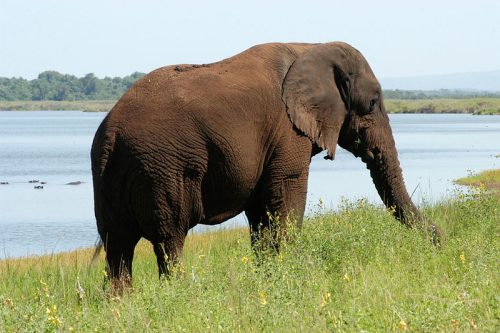
Today, Akagera holds an estimated 150 elephants, more than 2,500 buffalo, over sixty leopards, and a growing rhino population supported by close ranger monitoring. As a result, Rwanda now markets itself as both a mountain gorilla destination and a full Big Five safari country, a combination almost no other nation in Africa can offer within a single, compact itinerary. Game drives across Akagera’s savanna plains, boat trips on Lake Ihema, and sightings of grazing rhino herds round out an experience that surprises travelers who arrived expecting only gorillas. Zamunda Travels often pairs a Volcanoes trek with two nights in Akagera, since the drive between the two parks is manageable and the contrast between misty forest and open savanna gives every trip real variety.
Rwanda Is Famous for Kigali, One of Africa’s Cleanest Capital Cities
Beyond the parks, Rwanda is famous for a capital city that quietly challenges every stereotype of an African metropolis. Kigali is routinely described as one of the cleanest cities on the continent, and the reputation holds up in person. Streets are swept, plastic bags have been banned nationally since 2008, and litter is genuinely rare, even in busy neighborhoods. Visitors notice this almost immediately after leaving the airport, and it shapes how they perceive the rest of the country before they have even reached a national park.
The city’s charm goes further than tidy pavements, however. Kigali’s rolling hills host leafy residential streets, contemporary architecture, art galleries such as Inema Art Center, and a growing food scene that blends Rwandan staples with international influences. Because the city is compact and safe to explore on foot in daylight, Zamunda Travels usually builds in a half day Kigali city tour before guests head into the mountains, giving them context for the country before the wildlife portion of the trip begins.
Umuganda: The Community Tradition Behind Kigali’s Cleanliness
Kigali’s cleanliness is not accidental, and understanding why matters as much as seeing the result. On the last Saturday of every month, Rwandans across the country take part in Umuganda, a mandatory community work session during which streets close and residents clean public spaces together. This tradition, combined with strict anti litter enforcement, has turned civic pride into a national habit rather than a temporary campaign. Travelers who happen to visit on Umuganda weekend often find shops closed until midday, and Zamunda Travels flags this in advance so nobody is caught off guard by the schedule. Far from being an inconvenience, most guests describe watching Umuganda in action as one of the more memorable, human moments of their trip.

Rwanda Is Famous for Its Genocide Memorial and Story of Resilience
No honest account of what Rwanda is famous for can skip its history. The Kigali Genocide Memorial, resting place for more than 250,000 victims of the 1994 genocide against the Tutsi, sits at the center of the city and receives a steady stream of visitors every day. The exhibits walk guests through the events leading up to the genocide, the violence itself, and the decades of rebuilding that followed. It is not an easy visit, yet nearly every traveler who passes through Kigali chooses to go, because the memorial explains so much about the discipline, unity, and forward motion visible everywhere else in the country.
This history also frames why Rwanda invests so heavily in order, cleanliness, and conservation today. The same national resolve that rebuilt Kigali also restored Akagera’s wildlife and protected the Virunga forests. Zamunda Travels treats the memorial visit as an essential, not optional, stop, since it gives meaning to everything guests see afterward, from the community spirit of Umuganda to the pride rangers take in protecting the country’s parks.
Rwanda Is Famous for Nyungwe Forest and Its Canopy Walkway
Further south, Rwanda is famous for one of the oldest rainforests in Africa. Nyungwe Forest National Park predates the last ice age, and its dense canopy shelters chimpanzees, thirteen other primate species, and roughly three hundred bird species. Guided treks here track wild chimpanzee troops through steep, humid terrain, an experience that demands more stamina than gorilla trekking but rewards visitors with a very different kind of primate encounter.
The park’s signature attraction, though, is its suspended canopy walkway, a steel bridge strung between platforms seventy meters above the forest floor. Walking across it offers a bird’s eye view of the rainforest canopy that few destinations anywhere in Africa can match. Because Nyungwe sits several hours from both Kigali and Volcanoes National Park, Zamunda Travels usually recommends it for travelers building a longer, ten day plus circuit rather than a short gorilla only trip, since the extra driving time pays off in an entirely different ecosystem and a genuinely quiet, less visited park.

Rwanda Is Famous for Lake Kivu and the Congo Nile Trail
After days of trekking, Rwanda is famous for offering travelers somewhere to slow down completely. Lake Kivu, one of Africa’s Great Lakes, stretches along the country’s western border and is lined with quiet beaches, floating fishing boats, and lakeside towns such as Gisenyi and Kibuye. Because the lake sits at altitude, the climate stays mild year round, making it a genuinely pleasant place to swim, kayak, or simply sit on a terrace with a coffee and watch the water change color at sunset.
For more active travelers, the Congo Nile Trail runs along much of the lake’s eastern shore, offering multi day hiking or mountain biking through terraced hills, tea plantations, and fishing villages. Zamunda Travels typically places two or three lake nights at the end of a Rwanda itinerary, since it gives guests a natural, unhurried close to a trip that otherwise moves quickly between parks.
Rwanda Is Famous for Its Coffee Culture and Culinary Scene
Finally, Rwanda is famous among a smaller but growing circle of travelers for its coffee. The country’s volcanic soil and high altitude produce arabica beans prized by specialty roasters worldwide, and cooperatives around Lake Kivu now welcome visitors for tours that walk through the entire process, from cherry picking to washing, drying, and roasting. Many of these cooperatives are women led, and the tours double as a window into rural Rwandan life that a wildlife-only itinerary would otherwise miss.
Food, more broadly, has become part of Kigali’s appeal too. A new generation of restaurants blends traditional dishes such as ubugali and isombe with modern technique, and farm to table dining has taken hold across the capital. Zamunda Travels often includes a coffee cooperative visit or a Kigali food tour as a light, low cost addition to a wildlife itinerary, since it rounds out the trip with a cultural dimension guests remember long after the gorillas fade from memory.
Why Plan Your Trip With Zamunda Travels
Understanding what Rwanda is famous for is one thing; turning that into a well paced, well timed trip is another. Permits sell out months ahead, park distances need careful sequencing, and the best lodges near Volcanoes and Akagera fill quickly during peak season. Zamunda Travels handles every part of this planning, from securing gorilla and Big Five permits to sequencing days so guests are never rushed between parks. Because our guides live and work in Rwanda year-round, they also bring context to every stop, whether that means explaining Umuganda on a Saturday morning or pointing out a rhino calf born just weeks earlier in Akagera. Travelers who book through Zamunda Travels consistently say the same thing afterward: the wildlife brought them to Rwanda, but the country itself is what stayed with them.
Final Thoughts on What Makes Rwanda Famous
So, what is Rwanda famous for as a tourist destination? The honest answer is that no single attraction explains it. Rwanda is famous for mountain gorillas and a rebuilt Big Five population, yes, but it is equally famous for a capital city that polices its own cleanliness, a national memory that refuses to be hidden, a rainforest older than most countries, and lakeside towns built for nothing more than slowing down. Few destinations pack this much contrast into one compact itinerary. Zamunda Travels exists to help travelers see all of it, not just the part that fits on a postcard.