Is Rwanda Safe to Visit?
August 21, 2026
What Makes Uganda a Famous Tourist Destination?
August 22, 2026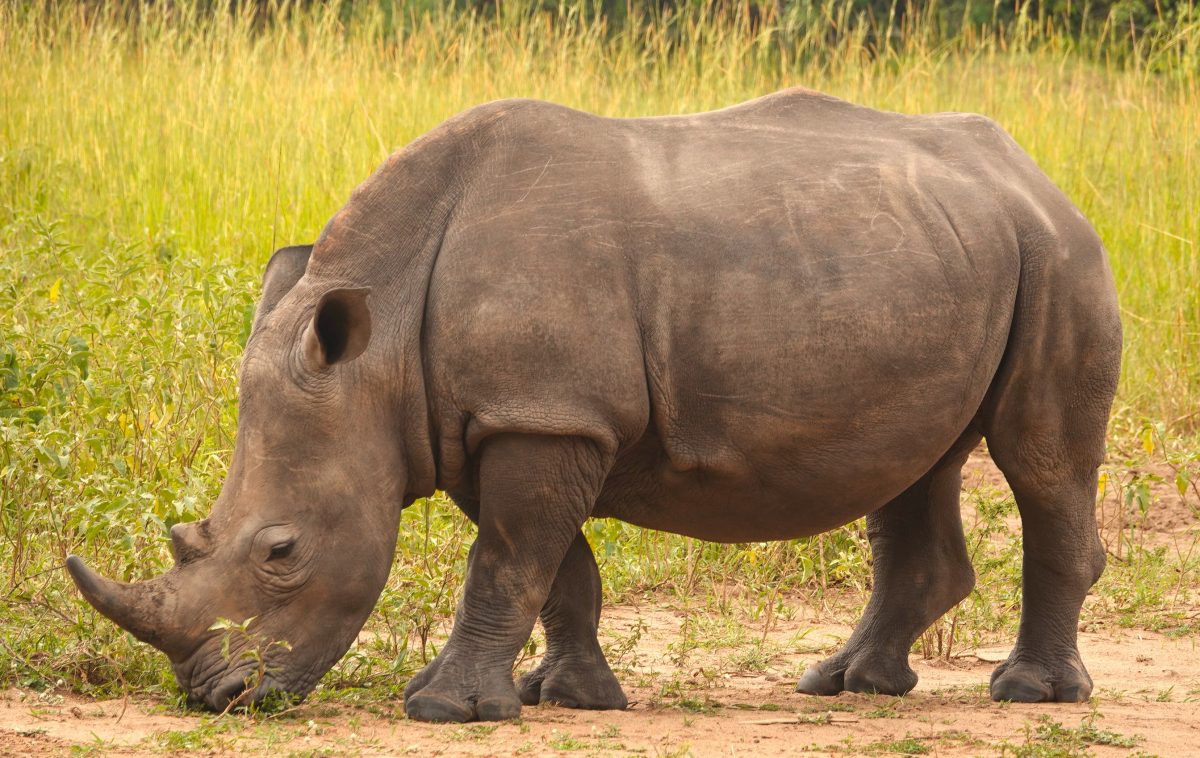
What Makes the Big 5 Safari Animals So Special?
Every safari lover dreams of standing face to face with Africa’s most legendary wildlife. The Big 5 safari animals; the lion, the leopard, the rhino, the elephant, and the buffalo represent the pinnacle of any wildlife adventure. Early hunters coined this term in the nineteenth century, and they used it to describe the five animals that were hardest to hunt on foot, not the five largest creatures on the continent. Today, the meaning has shifted entirely. Travelers now chase these animals with cameras instead of rifles, and conservationists work tirelessly to protect them for future generations.
At Zamunda Travels, we believe that spotting the Big 5 should feel like a story you tell for the rest of your life. Consequently, our guides study animal behavior, migration patterns, and terrain so that every guest gets the best possible chance of an unforgettable sighting. This guide walks you through each of the five animals, explains where they live, and shows you how Zamunda Travels can turn your safari dream into reality.
Understanding the History Behind the Big 5 Safari Animals
The story of the Big 5 safari animals begins long before modern tourism existed. Hunters in colonial Africa ranked animals by danger rather than size, and the lion, leopard, rhino, elephant, and buffalo topped that list. Each animal could turn the tables on an armed hunter in seconds, which earned them a fearsome reputation. As a result, killing one of these five animals became a mark of prestige among big-game hunters.
Fortunately, the narrative has changed dramatically. Photographic safaris replaced hunting expeditions, and wildlife tourism now funds much of Africa’s conservation work. Zamunda Travels proudly supports this shift by partnering with reserves that reinvest tourism revenue into anti-poaching patrols, habitat restoration, and community education. Therefore, when you book a trip with us, you also contribute directly to protecting the very animals you hope to see.
Meet the Lion: King of the African Savannah
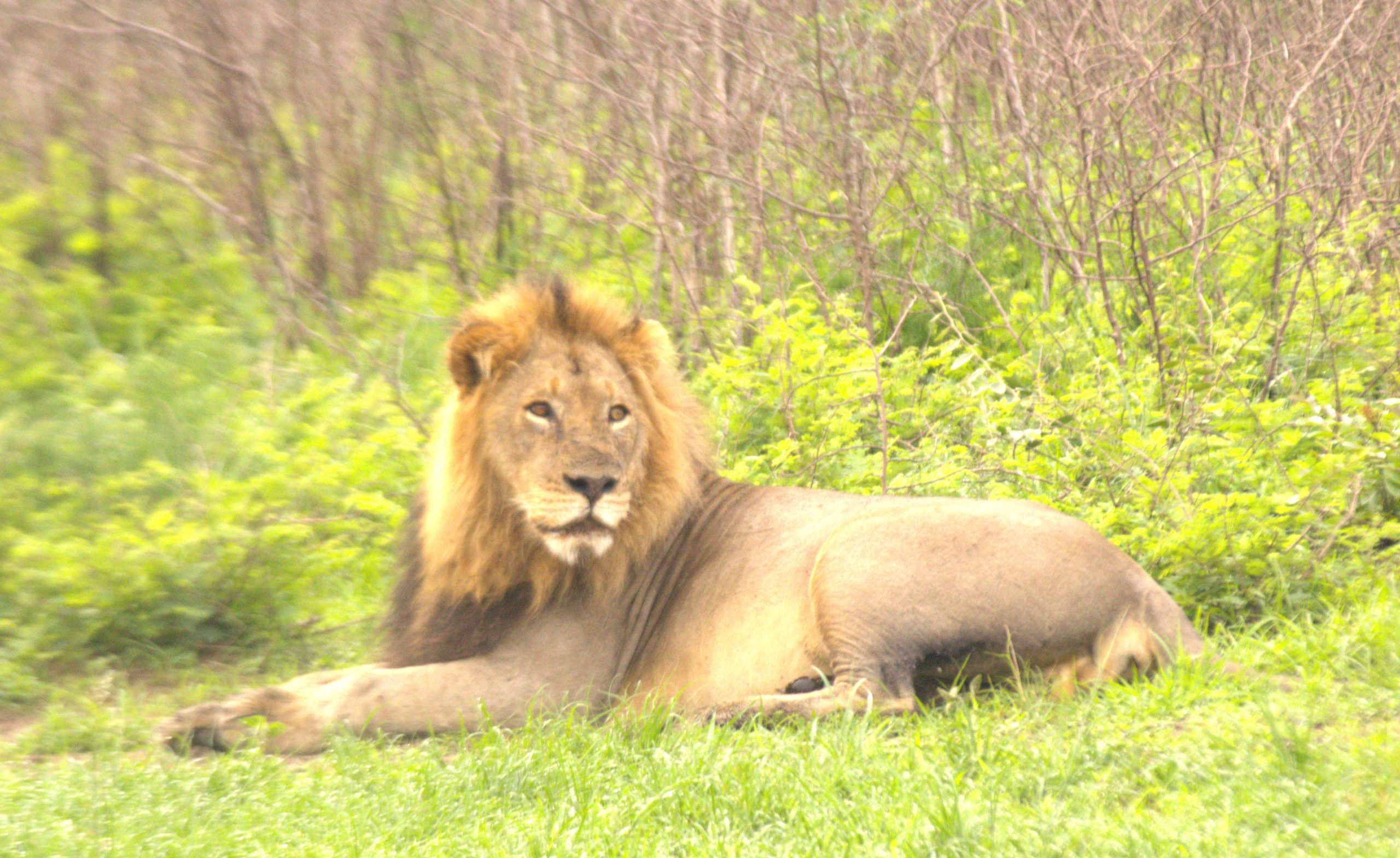
The lion remains the most recognizable member of the Big 5 safari animals, and its powerful roar can travel up to five miles across open plains. Male lions grow distinctive manes and can weigh close to 190 kilograms, while females hunt cooperatively in tightly bonded prides. Unlike most big cats, lions live in social groups, and a single pride can include as many as thirty individuals. Young males eventually leave their birth pride to challenge for territory elsewhere, which keeps the gene pool strong across the region.
Tanzania currently holds the largest lion population in the world, with recent wildlife census data placing the number above seventeen thousand animals. South Africa follows with a healthy population as well, and both countries offer exceptional viewing opportunities. Zamunda Travels routes many of its safaris through these prime lion territories, especially during the dry season when animals gather near remaining water sources. Guides know the best vantage points, so guests rarely leave without a memorable lion encounter.
The Elusive Leopard: A Master of Camouflage
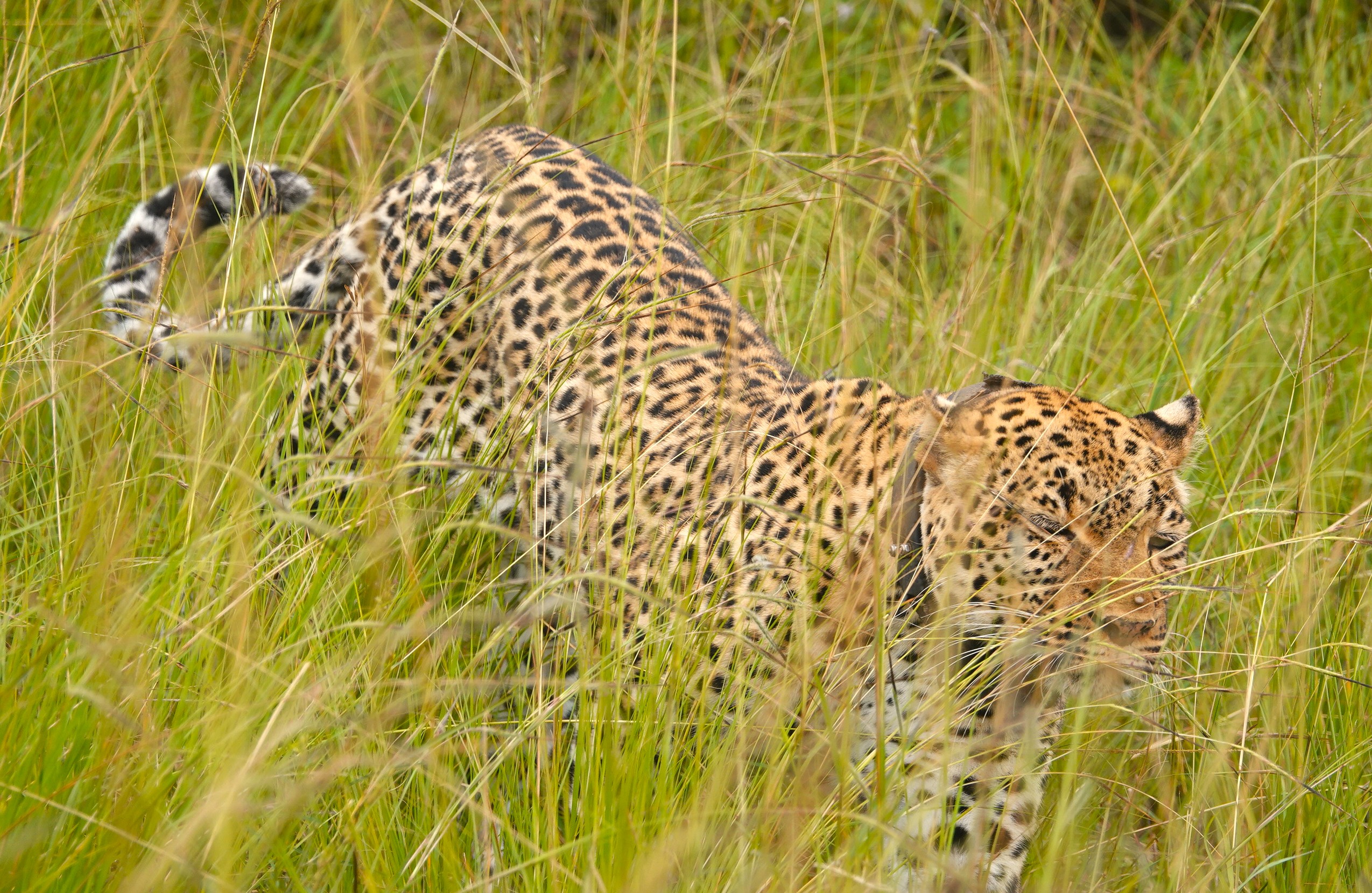
Spotting a leopard ranks among the most thrilling parts of any Big 5 safari animals expedition, mainly because these cats are famously secretive. Leopards hunt alone under the cover of darkness, and they often drag their kills up into trees to keep them safe from scavenging hyenas and lions. This behavior showcases incredible strength, since a leopard can haul prey many times its own body weight into the branches above.
Reliable population estimates remain difficult to pin down, although conservationists agree that leopard numbers have declined steadily due to habitat fragmentation and conflict with livestock farmers. Despite this challenge, leopards still roam widely across savannahs, woodlands, and even mountainous regions. Zamunda Travels works with experienced trackers who read subtle signs — a broken branch, a fresh paw print, alarm calls from nearby antelope — to locate these elusive cats. Patience pays off handsomely once a leopard finally reveals itself along a riverbank or draped across a acacia branch.
The Rhinoceros: Africa’s Most Endangered Giant
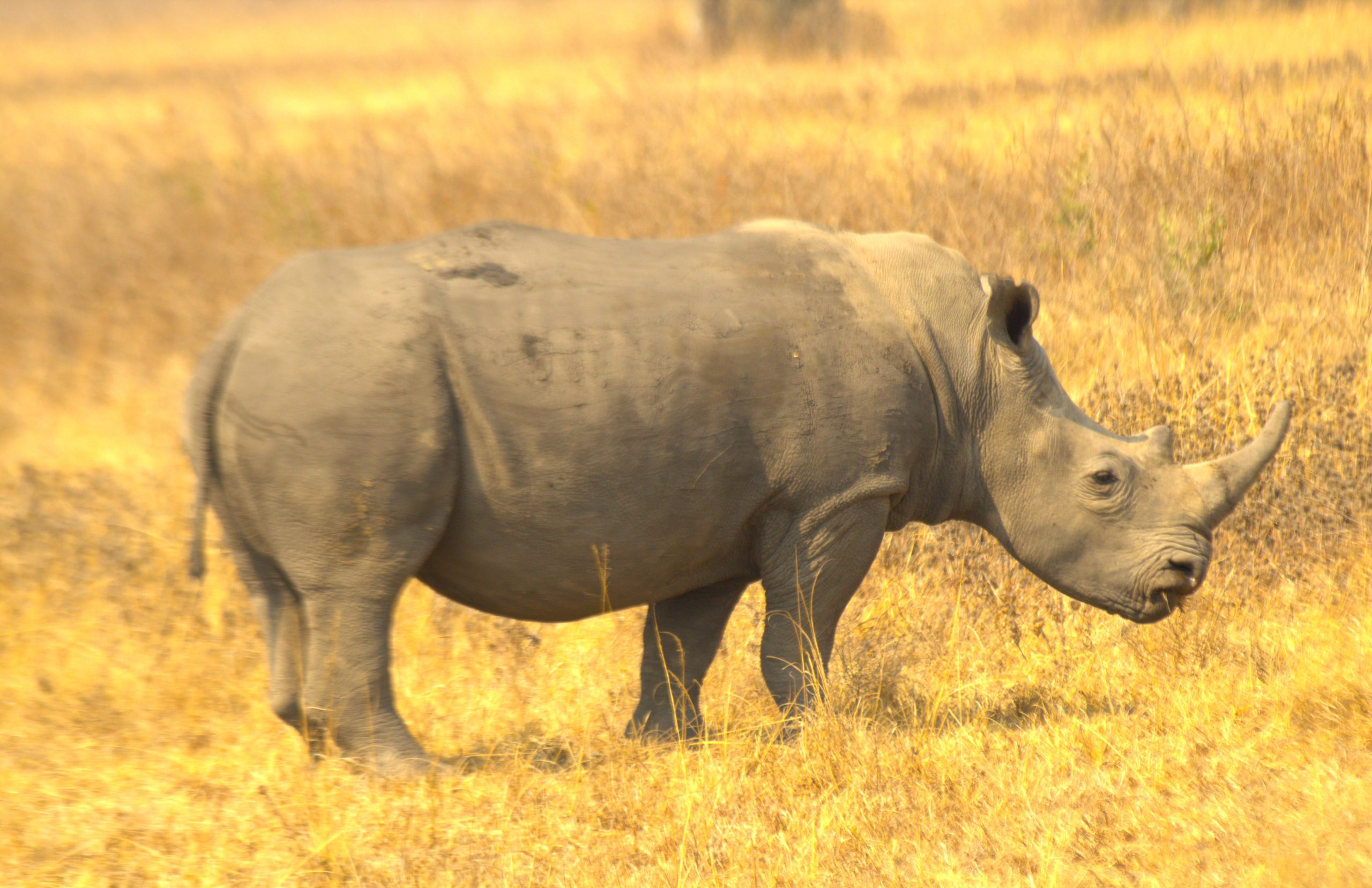
Among all the Big 5 safari animals, the rhinoceros faces the gravest threat to its survival. Poachers target rhinos relentlessly because of the mistaken belief that rhino horn holds medicinal value, even though it consists of the same material as human fingernails. Black rhino numbers fell from roughly one hundred thousand animals in 1960 to under seven thousand by the end of 2024, which places the species firmly in the critically endangered category. White rhinos have fared somewhat better, and their population now sits close to sixteen thousand thanks to decades of dedicated protection.
Two distinct rhino species exist, and travelers can tell them apart by mouth shape rather than color. Black rhinos have a pointed, hooked lip suited to browsing on shrubs, while white rhinos possess a wide, square lip built for grazing on grass. Black rhinos also tend to be more unpredictable and defensive, which explains why guides approach them with extra caution. Zamunda Travels prioritizes ethical, low-impact rhino tracking so that guests can witness these gentle giants without adding unnecessary stress to an already vulnerable population.
The African Elephant: Gentle Giant of the Plains
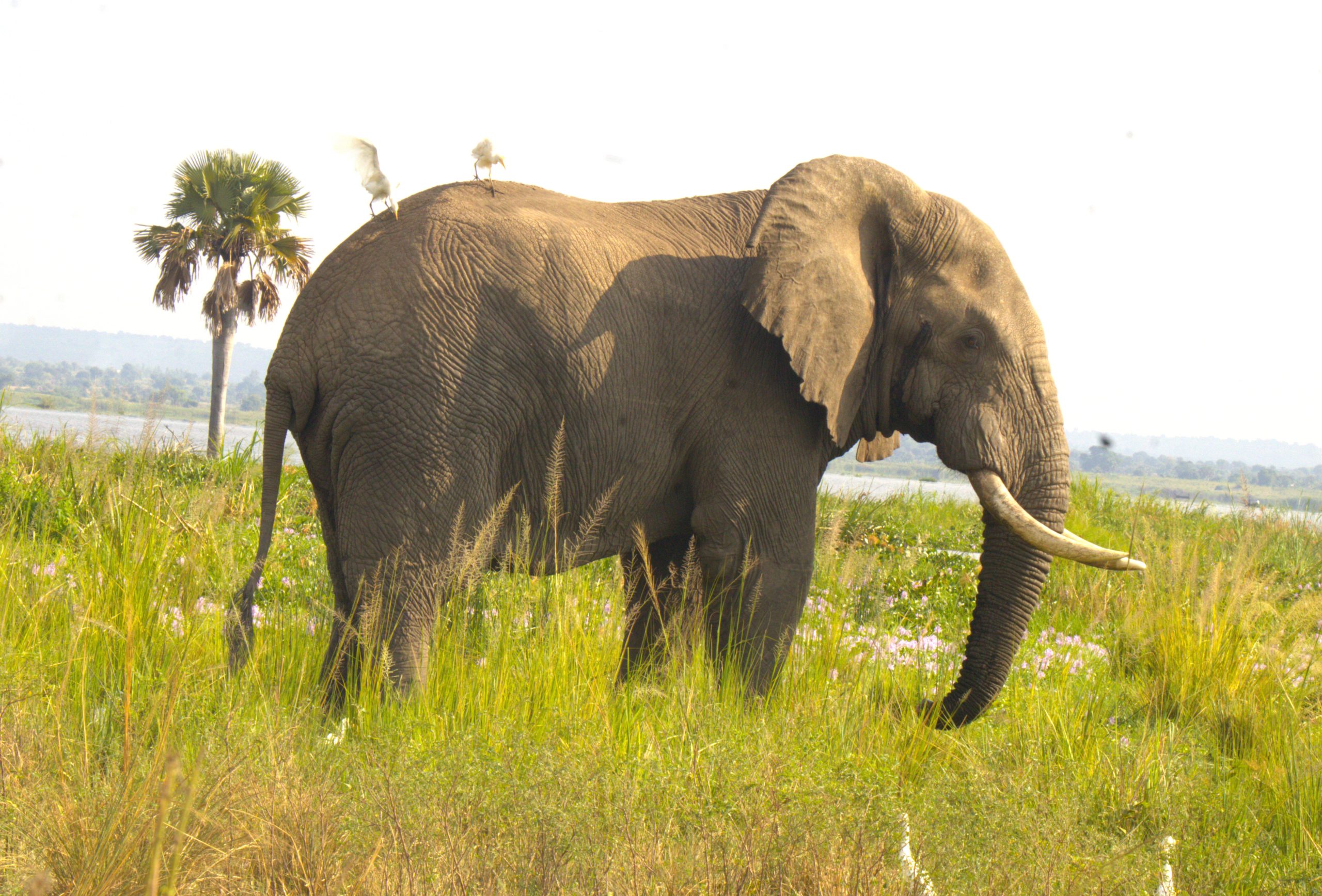
No creature commands more awe among the Big 5 safari animals than the elephant, the largest land mammal on Earth. A single adult can consume hundreds of kilograms of vegetation daily, and its trunk contains thousands of muscles that allow astonishing precision, from uprooting a tree to picking up a single blade of grass. Elephants also display remarkable emotional intelligence, and they form deep, lasting bonds within their family herds.
Botswana currently supports the largest elephant population on the continent, followed closely by Zimbabwe and Tanzania. Sadly, poaching for ivory and habitat loss have caused steep declines in several regions over the past two decades. Nevertheless, well-managed reserves continue to see stable or growing herds, particularly where anti-poaching enforcement remains strong. Zamunda Travels channels guests toward these protected corridors, and many trips include quiet, engine-off moments beside a watering hole so families can watch elephant herds interact undisturbed.
The Cape Buffalo: More Dangerous Than It Looks
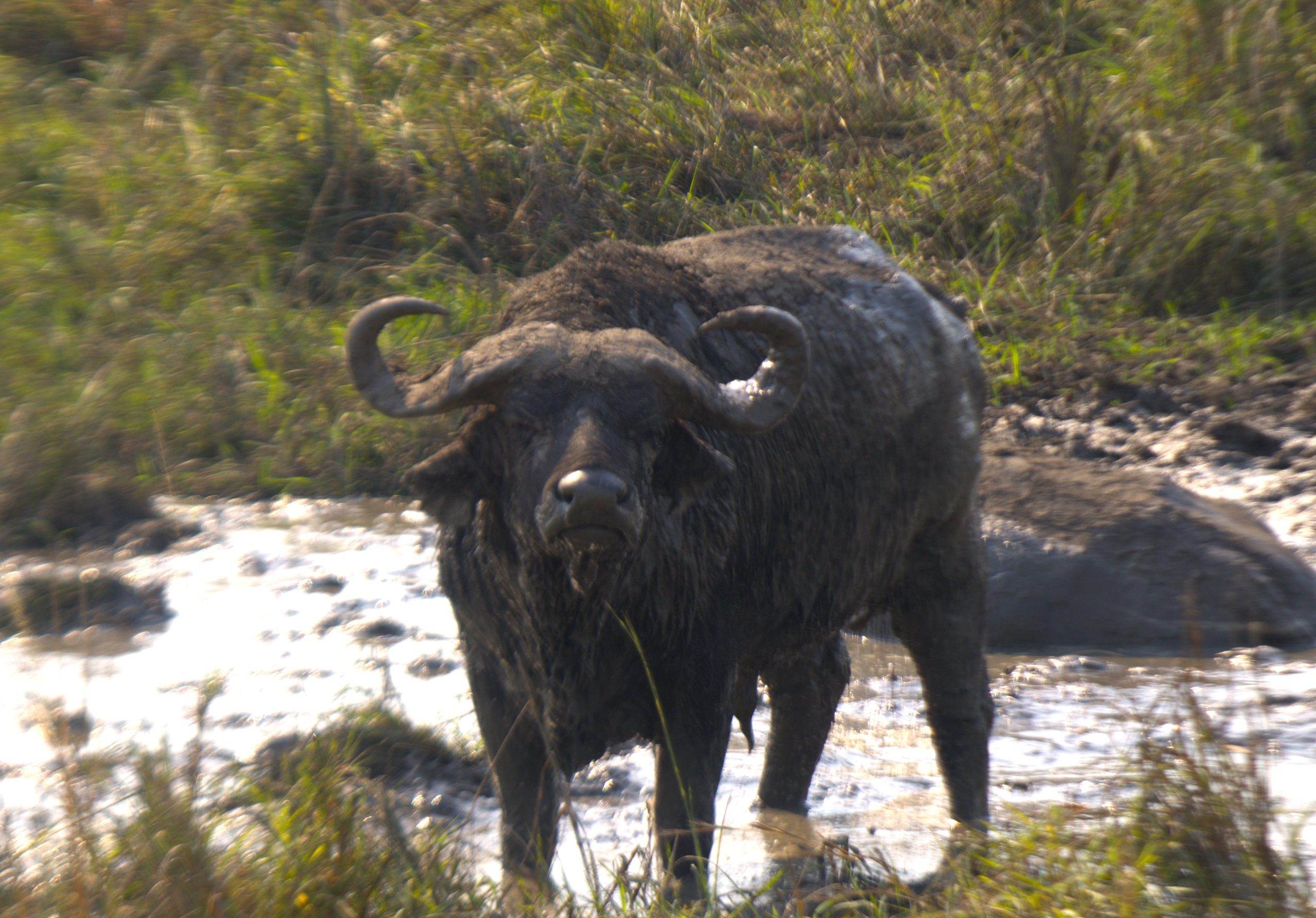
Many first-time safari-goers underestimate the Cape buffalo, yet guides consistently rank it among the most dangerous of the Big 5 safari animals. Herds can include hundreds of individuals, and buffalo are known to defend injured herd members fiercely, sometimes even chasing off lions that attempt an ambush. In fact, buffalo cause more serious injuries to humans in some regions than lions do, largely because their behavior can shift from calm to aggressive without warning.
Tanzania hosts the largest buffalo population in Africa, with herds numbering in the hundreds of thousands across its protected grasslands. Buffalo thrive in areas with reliable water and open grazing land, which makes them one of the easier Big 5 animals to spot on a well-planned itinerary. Zamunda Travels guides maintain a respectful distance during buffalo sightings, since these powerful animals demand caution even from experienced professionals.
Where to See the Big 5 Safari Animals in Africa
Several countries give travelers a genuine chance to see all five animals within a single trip. Tanzania’s Ngorongoro Conservation Area stands out because its compact crater concentrates wildlife into a relatively small space. South Africa’s Kruger National Park offers similarly strong odds, along with excellent infrastructure and a wide range of accommodation options. Botswana’s Chobe National Park adds enormous elephant herds to the mix, while Kenya’s reserves provide dramatic open savannah landscapes perfect for lion and buffalo sightings.
Zamunda Travels designs multi day itineraries across these destinations specifically because no single day guarantees every sighting. Instead, our team spreads game drives across varied habitats; rivers, grasslands, and dense bush to maximize the odds of a complete Big 5 experience. Additionally, our local guides communicate constantly with other safari vehicles and rangers, so any confirmed sighting nearby gets shared immediately.
Best Time for a Big 5 Safari Animals Adventure
Timing plays a major role in how many of the Big 5 safari animals you actually see. The dry season, which typically runs from June through October across much of East and Southern Africa, pushes animals toward permanent water sources. As vegetation thins out, visibility improves dramatically, and predators like lions and leopards become easier to spot near rivers and waterholes. Meanwhile, the wet season brings lush scenery and newborn wildlife, though thicker foliage can make tracking more challenging.
Zamunda Travels recommends the dry season for first-time visitors who want the highest odds of a complete Big 5 sighting. However, repeat travelers often choose the wet season for quieter parks, dramatic skies, and the chance to witness calving season among herbivores. Either way, our team tailors each itinerary around current animal movement patterns rather than relying on generic seasonal advice.
Responsible Tourism and the Future of the Big 5
Conservation and tourism now depend on one another more than ever before. Park fees, lodge revenue, and guided safari income fund anti-poaching units, community outreach, and habitat protection across the continent. Consequently, every traveler who books an ethical safari becomes part of the solution rather than a bystander. Zamunda Travels partners exclusively with reserves and lodges that reinvest a meaningful share of their revenue into conservation, and we brief every guest on responsible wildlife viewing before departure.
Small choices make a real difference during a safari. Maintaining a respectful distance, avoiding loud noises, and following guide instructions all reduce stress on animals that already face immense pressure from habitat loss. Zamunda Travels trains its guides to balance an unforgettable guest experience with genuine respect for the wildlife itself, and we believe this balance defines a truly responsible safari operator.
Book Your Big 5 Safari Animals Experience with Zamunda Travels
Few travel experiences compare to watching a lion pride at dawn or an elephant herd crossing a river in golden light. The Big 5 safari animals represent the very best of what African wildlife has to offer, and a well planned trip can turn a bucket list dream into a lifelong memory. Zamunda Travels handles every detail, from choosing the right season to securing access to top rated reserves, so you can focus entirely on the experience itself.
Ready to see the Big 5 for yourself? Reach out to Zamunda Travels today, and let our team build a safari itinerary designed around your travel dates, budget, and wildlife priorities.