Best Time for akagera safari
August 21, 2026
Big 5 Safari Animals Guide
August 22, 2026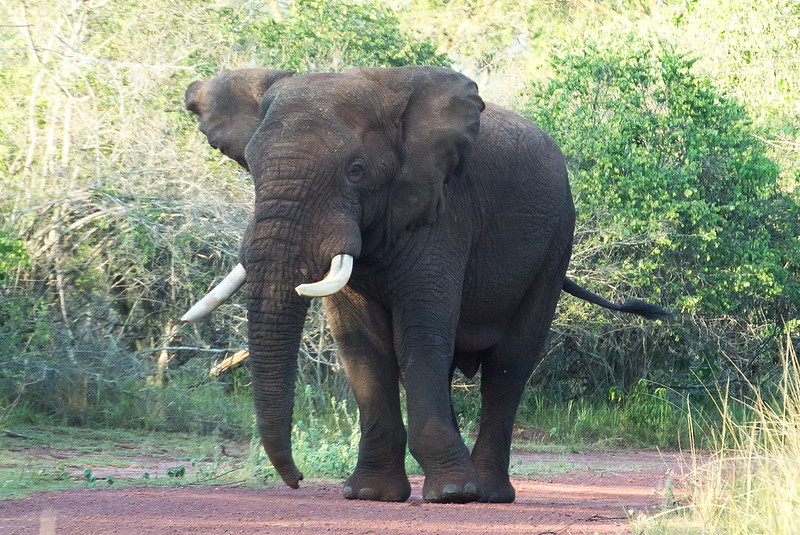
Rwanda is often described as one of the most organized and visitor-friendly destinations in East Africa. The country attracts travelers with its mountain gorillas, clean cities, scenic landscapes, wildlife, and welcoming communities. However, asking “Is Rwanda safe to visit?” deserves a balanced answer rather than a simple yes or no. Rwanda is generally manageable for tourists who follow normal travel precautions, but some areas currently carry higher risks, especially near the border with the Democratic Republic of Congo (DRC). As of August 2026, the U.S. Department of State advises travelers to reconsider travel to Rwanda because of crime, unrest, and health risks. It also advises against travel within 10 kilometers of Rwanda’s DRC border. The UK government similarly advises against all but essential travel to parts of Rusizi District within 10 kilometers of the DRC border.
For most visitors, this does not mean that every part of Rwanda is unsafe. The main tourist centers, including Kigali, Musanze and the Volcanoes National Park tourism area, operate under a strong security presence. The U.S. travel advisory specifically notes that Volcanoes National Park is not included in the high risk area along the DRC border and that Rwanda’s security forces maintain a strong presence around the gorilla trekking tourism area. Travelers should still check the latest government advice before departure because conditions around regional borders can change quickly. If you are planning a safari or gorilla trekking holiday, working with a registered company such as Zamunda Travels can also make transport, accommodation, permits and daily movements easier to organize.
Is Rwanda Safe to Visit Right Now?
So, is Rwanda safe to visit right now? The most accurate answer is that Rwanda remains a viable tourist destination, but travelers need to understand where the current risks are. The biggest concern is not ordinary tourism across the country. Instead, it involves the security situation around the DRC border and the wider instability in eastern DRC. The U.S. government currently rates Rwanda at Level 3, “Reconsider Travel,” while identifying the area within 10 kilometers of the DRC border as a Level 4, “Do Not Travel,” zone. The UK government also warns against all but essential travel to parts of Rusizi District close to the DRC border.
This distinction is important for tourists because popular experiences such as gorilla trekking in Volcanoes National Park take place in a controlled tourism environment. The park is located in the north-west of Rwanda, near the DRC and Uganda borders, so travelers should not ignore regional developments. However, the official U.S. advisory states that Volcanoes National Park itself is not included in the 10 kilometer high risk zone. Security personnel also maintain a strong presence around the park and its tourism infrastructure. Zamunda Travels can help travelers plan routes that avoid unnecessary exposure to restricted areas and can adjust an itinerary when official guidance changes.
Why Rwanda Is Considered a Safe Destination for Tourists
Rwanda has built a strong reputation for order, cleanliness and organized tourism. Kigali is noticeably orderly compared with many large African cities, and tourists can move around the main parts of the capital with reasonable confidence when they use normal precautions. The UK government describes crime levels in Rwanda as relatively low, although it warns about burglary, theft, bag-snatching and mugging, particularly in Kigali.
The country’s tourism sector also benefits from structured national parks and established visitor procedures. Gorilla trekking, for example, does not involve tourists entering the forest independently. Visitors join organized groups and receive instructions from park staff and guides. This approach reduces confusion and helps visitors understand how to behave around wildlife. Travelers who book with Zamunda Travels can also have a local guide coordinate transportation and activities, which is particularly useful for first-time visitors to Rwanda.
Rwanda’s size is another advantage. Major tourism destinations are relatively accessible from Kigali, allowing visitors to plan a well-structured route without spending excessive time traveling between distant regions. A good itinerary can combine Kigali, Volcanoes National Park, Lake Kivu, Nyungwe National Park and Akagera National Park depending on the traveler’s interests and the latest security advice.
Is Rwanda Safe for First-Time Visitors?
For first-time visitors, Rwanda can be an easy country to explore when the trip is properly organized. Kigali has hotels, restaurants, tour operators and transport services that regularly serve international visitors. English and French are widely used in tourism, while Kinyarwanda remains the national language. A traveler does not need to understand Kinyarwanda to enjoy a holiday, although learning a few simple greetings can make interactions more pleasant.
However, being comfortable in Rwanda does not mean ignoring basic safety habits. Travelers should avoid walking alone in unfamiliar areas late at night, keep valuables secure and use arranged transportation when possible. The U.S. Department of State advises travelers to use caution when walking or driving at night and notes that petty crime such as pickpocketing can occur in urban areas.
For visitors arriving at Kigali International Airport, arranging an airport transfer before arrival is a sensible option. Zamunda Travels can arrange private transfers and onward journeys so that travelers do not have to search for transport immediately after a long international flight.
Is Rwanda Safe for Solo Travelers?
Solo travel in Rwanda is possible, but preparation matters. A solo traveler should choose reputable accommodation, keep family or friends informed about the itinerary and avoid isolated areas after dark. It is also wise to arrange transport rather than accepting unsolicited offers from strangers.
The safest approach for a solo safari or gorilla trekking trip is to work with a reputable tour company. A guide provides practical support, helps with local communication and understands the roads and tourism procedures. Zamunda Travels can arrange guided trips for solo travelers, couples and small groups, including gorilla trekking and wildlife safaris.
Solo travelers should also remember that natural environments have their own risks. Gorilla trekking, hiking and forest walks can involve steep terrain, slippery paths and changing weather. Visitors should follow their guide’s instructions and carry suitable clothing, sturdy footwear, drinking water and any personal medication they need.
Is Rwanda Safe for Families?
Rwanda can be a rewarding destination for families, particularly those interested in wildlife, culture and outdoor experiences. Kigali provides a comfortable starting point, while Akagera National Park offers traditional safari experiences with animals such as elephants, lions, giraffes, zebras, hippos and many bird species. Families can also explore cultural attractions and scenic areas around Lake Kivu.
Parents should pay extra attention to road safety, weather and children’s behavior around wildlife. National parks are not ordinary playgrounds. Animals can react unpredictably, so children should remain close to adults and follow the instructions of guides and park staff.
Families traveling with Zamunda Travels can request an itinerary that balances driving time, wildlife activities and rest. This is especially helpful for families traveling with young children who may not enjoy long road journeys every day.
Places to Visit in Rwanda
Rwanda offers more than gorilla trekking. Its compact size allows travelers to experience several different landscapes during one trip.
Kigali is the natural starting point for many visitors. The city offers restaurants, hotels, markets, cultural attractions and memorial sites. It is also a convenient base for travelers arriving through Kigali International Airport.
Volcanoes National Park is one of Rwanda’s most famous destinations. The park is best known for mountain gorilla trekking, but it also offers golden monkey tracking and hiking opportunities. The region around Musanze provides dramatic volcanic scenery and easy access to the park.
Akagera National Park offers a different experience. Located in eastern Rwanda, the park contains savannah landscapes, wetlands and lakes. Visitors can enjoy game drives and boat trips while looking for wildlife. It is an excellent addition for travelers who want to combine primates with a traditional African safari.
Nyungwe National Park protects one of Rwanda’s most important forest ecosystems. The area is known for chimpanzee tracking, forest walks, birdwatching and the famous canopy walkway. Visitors should allow enough time for the journey because roads can become challenging during periods of heavy rain.
Lake Kivu offers a quieter side of Rwanda. The lake is surrounded by green hills and attractive lakeside communities. Gisenyi, Kibuye and nearby areas provide opportunities for relaxation, boat trips and scenic exploration. Travelers should check current regional advice before visiting areas close to the DRC border, particularly around Rusizi District.
Crime and Personal Safety in Rwanda
Crime is one of the everyday issues travelers should consider when asking, “Is Rwanda safe to visit?” The good news is that serious crime against tourists is not the defining feature of travel in Rwanda. Still, petty theft, burglary, bag-snatching and muggings can occur, especially in urban environments. The UK government specifically advises travelers to take care when walking at night, arrange transportation in advance, secure vehicles and avoid carrying large amounts of cash or valuables.
Simple habits make a significant difference. Keep your passport in a secure place, carry only the cash you need and avoid displaying expensive watches, cameras or large amounts of money. When using a smartphone in busy areas, remain aware of your surroundings. At night, use a trusted taxi, hotel transfer or tour company vehicle instead of walking long distances through unfamiliar neighborhoods.
Travelers should also keep copies of important documents. A digital copy of your passport, visa, travel insurance and emergency contacts can help if the originals become lost.
Road Safety and Transport in Rwanda
Road travel is an important part of most Rwanda holidays because many attractions sit outside Kigali. Roads connecting Kigali with major towns are generally in good condition, according to the UK government, although landslides can affect roads during rainy periods. Roads outside larger towns may also have limited lighting after dark.
For this reason, travelers should avoid unnecessary night driving, especially on unfamiliar rural roads. A professional driver can also reduce the stress of navigating unfamiliar routes, traffic and weather conditions. Zamunda Travels provides organized transfers and safari transportation so travelers can focus on the experience rather than the logistics.
Motorcycle taxis are common in Rwanda, but visitors should choose transport carefully. If you use a motorcycle taxi, wear a helmet and make sure the driver provides one. For long-distance tourism, however, a private vehicle with an experienced driver is usually more comfortable and practical.
Is Rwanda Safe Near the Congo Border?
This is the most important geographical safety issue for travelers planning a Rwanda trip in 2026. The eastern DRC continues to experience armed conflict, and the situation can affect areas close to Rwanda’s western border. The U.S. government advises against travel within 10 kilometers of Rwanda’s DRC border because of unrest. The UK government also warns that border conditions can change quickly and that crossings may close at short notice.
Travelers should therefore distinguish between visiting Rwanda and traveling into high-risk border areas. Do not enter restricted areas simply because they appear close to a tourist destination. Always follow instructions from park authorities, local officials and your tour operator.
This is particularly important for travelers combining Rwanda with Uganda or the DRC. Border crossings can change because of security conditions, health measures or government decisions. Zamunda Travels can monitor the route and advise travelers when a planned crossing requires adjustment.
Health and Medical Safety in Rwanda
Health preparation should form part of every international trip. Travelers should discuss their itinerary with a qualified medical professional before departure and check current health recommendations for Rwanda and the wider region. Travel insurance should include medical treatment and, ideally, emergency evacuation where appropriate.
The current U.S. advisory includes a health risk indicator for Rwanda and refers travelers to the latest CDC health information. It also recommends medical evacuation insurance because specialized medical care may require travel to a major city.
Travelers should also protect themselves from common travel-related illnesses. Drink safe water, wash your hands regularly and follow food hygiene precautions. Carry a small personal medical kit and any prescription medication you require.
Because health conditions can change, travelers should check official health guidance shortly before departure rather than relying on information published several years ago.
Is Rwanda or Uganda Safer?
The question “is uganda or rwanda safer?” does not have one universal answer because safety depends on where you go, when you travel and what activities you choose. However, current government travel advisories provide an important comparison.
As of June 2026, the U.S. Department of State rates Rwanda at Level 3, “Reconsider Travel,” while Uganda is at Level 4, “Do Not Travel.” The Uganda advisory cites crime, health, terrorism and unrest. It also highlights risks in western Uganda near the DRC border and notes previous terrorist attacks in tourist areas, including Queen Elizabeth National Park.
The UK government also highlights security concerns in western Uganda, including the possibility of terrorist attacks and localized violence near the DRC border. It advises travelers visiting Bwindi Impenetrable National Park and Mgahinga Gorilla National Park to use reputable, registered operators and follow current security advice.
This does not mean that every trip to Uganda is unsafe or that every trip to Rwanda is completely safe. Both countries have popular tourism industries and many visitors travel successfully each year. The comparison simply shows that current official advisories identify a broader and higher level of risk in Uganda than in Rwanda. Travelers should always check the latest advice before crossing borders.
Safety Tips for Visiting Rwanda
A safe Rwanda holiday begins with simple preparation. First, check official travel advisories shortly before departure. Conditions can change, especially around the DRC border. Second, book accommodation and transport with reputable providers. Third, avoid walking alone in unfamiliar areas at night. Fourth, keep your passport, money and electronics secure. Fifth, follow instructions from guides and park authorities during wildlife activities.
It is also sensible to purchase comprehensive travel insurance. Your policy should cover medical care, emergency evacuation, trip interruption and activities included in your itinerary. If you plan gorilla trekking, hiking or other adventure activities, check that your policy covers them.
Avoid political demonstrations and large gatherings when possible. Do not enter military or restricted areas. Keep your accommodation informed if you plan to travel independently. Most importantly, do not assume that a destination is safe simply because other travelers have visited it recently.
Is Rwanda Safe to Visit for Gorilla Trekking?
For travelers interested in gorilla trekking, is Rwanda safe to visit for this particular experience? Official guidance currently distinguishes Volcanoes National Park from the 10-kilometer high-risk border area. The U.S. State Department says Volcanoes National Park is not included in that high-risk zone and notes the strong presence of security forces around the park and major tourism infrastructure.
Gorilla trekking itself is highly organized. Visitors receive instructions before entering the forest and trek with trained guides and park staff. This controlled structure makes the experience different from independently hiking through a remote border region.
Even so, travelers should check the latest conditions before their trek. Weather can change quickly in the Virunga mountains, and forest trails can become slippery. A good tour operator will also explain what to carry and how to behave around the gorillas.
Zamunda Travels can organize Rwanda gorilla trekking trips with transportation, accommodation, permits and guided activities arranged as part of one itinerary. This can be particularly useful for international travelers who want a clear schedule and local assistance.
What Should You Avoid When Visiting Rwanda?
Travelers should avoid restricted areas near the DRC border, especially within the zones covered by current government warnings. They should also avoid crossing unofficial border routes or entering military areas. The UK government warns that some remote border areas may have unclear boundaries and that travelers could unknowingly cross into the DRC.
In cities, avoid walking alone late at night in unfamiliar areas. Do not leave valuables visible inside vehicles. Avoid accepting suspicious offers from strangers, particularly when someone asks for money or personal information.
During safaris and gorilla trekking, never approach wildlife without a guide. Do not feed animals and follow park rules. These simple measures protect both visitors and wildlife.
Why Travel With Zamunda Travels?
A well-organized trip can remove many of the uncertainties that come with traveling in an unfamiliar country. Zamunda Travels specializes in East African travel and can help visitors plan Rwanda gorilla trekking, wildlife safaris, cultural experiences and cross-border itineraries involving Uganda and Rwanda.
The advantage of using a local travel company is not simply convenience. A knowledgeable operator can monitor road conditions, park procedures and border developments while helping travelers choose appropriate routes. This becomes particularly valuable when regional security conditions change.
For travelers combining Rwanda and Uganda, professional planning is even more important because border conditions can change at short notice. The UK government specifically warns that Rwanda-Uganda border crossings have temporarily closed in recent years. Zamunda Travels can help travelers build flexible itineraries that allow adjustments when necessary.
Final Thoughts
In conclusion, is Rwanda safe to visit? Rwanda remains an attractive destination for travelers interested in gorilla trekking, wildlife, culture, scenery and city experiences. However, safety is not identical across the whole country. The most important concern in 2026 is the situation near the DRC border, where official governments have issued specific warnings.
For travelers staying within established tourism areas and following local guidance, Rwanda can still offer a rewarding travel experience. Kigali, Akagera National Park, Volcanoes National Park, Nyungwe National Park and Lake Kivu each provide different experiences, although visitors should always review the latest regional advice before traveling.
The best approach is not to ignore the risks or become unnecessarily afraid. Instead, understand the current situation, choose reputable accommodation and transport, purchase suitable travel insurance, follow official guidance and use a trusted local operator. With proper preparation, Zamunda Travels can help you plan a Rwanda holiday that is enjoyable, organized and responsive to changing travel conditions.