What Makes Uganda a Famous Tourist Destination?
August 22, 2026
Luxury Rwanda Safari Lodges and Camps
August 22, 2026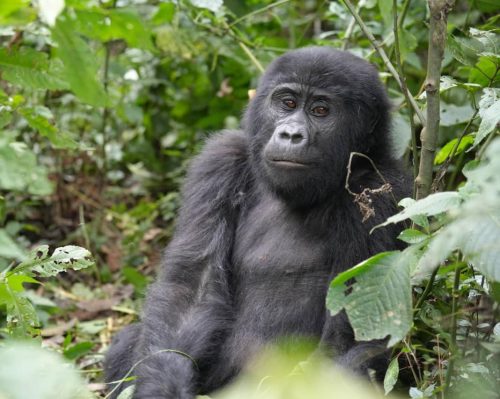
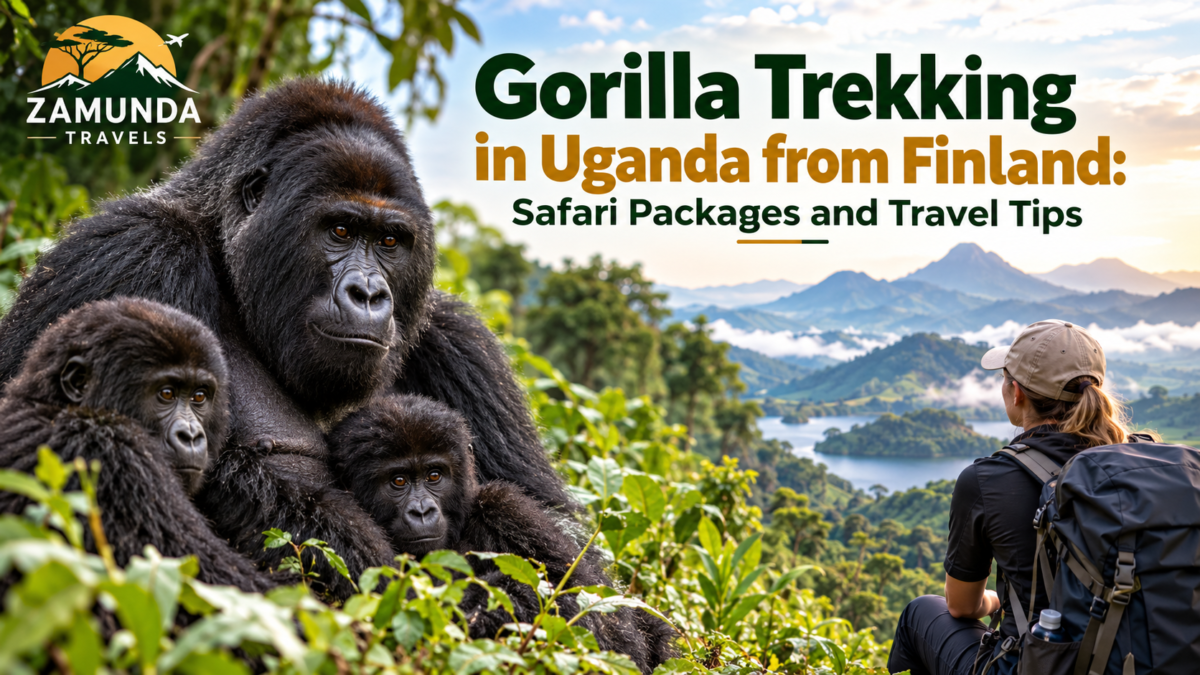
Uganda and Rwanda are two of East Africa’s most rewarding destinations for travellers who want more than a typical holiday. Both countries combine wildlife, forests, mountains, lakes and local cultures with growing efforts to protect the natural environment. This makes an Uganda Rwanda ecotourism journey a meaningful way to explore the region while supporting conservation and communities. From mountain gorilla trekking in Bwindi and Volcanoes National Park to exploring Lake Bunyonyi, the Rwenzori Mountains and Rwanda’s green landscapes, travellers can enjoy memorable experiences while making responsible choices.
Ecotourism is not simply about staying in an eco-lodge or visiting a national park. It is about travelling with greater care. It means respecting wildlife, reducing unnecessary environmental impacts, supporting local businesses and understanding how tourism contributes to conservation. Uganda’s tourism authorities identify sustainable management of wildlife and cultural heritage as a key part of tourism development. Rwanda has also placed ecotourism and conservation at the centre of its tourism strategy.
For travellers planning a combined trip, Zamunda Travels can help create a responsible itinerary that connects the two countries. A well-planned journey can include wildlife viewing, gorilla trekking, community experiences and scenic destinations without turning the trip into a rushed checklist of attractions.
What Is Ecotourism in Uganda and Rwanda?
Ecotourism focuses on responsible travel to natural areas while helping protect the environment and improving the well being of local communities. In Uganda and Rwanda, this idea is closely connected to national parks, wildlife conservation, community tourism and sustainable accommodation.
Uganda has a wide range of protected landscapes. They include Bwindi Impenetrable National Park, Mgahinga Gorilla National Park, Queen Elizabeth National Park, Murchison Falls National Park, Kibale National Park, Kidepo Valley National Park and the Rwenzori Mountains. Uganda Wildlife Authority highlights conservation, community involvement, environmental education and sustainable development as important parts of protected-area management.
Rwanda follows a similar approach. Its conservation model includes Volcanoes National Park, Akagera National Park, Nyungwe National Park and Gishwati-Mukura National Park. Rwanda has also promoted a high-value, lower-volume tourism approach, especially around sensitive conservation areas. The country has linked ecotourism with biodiversity protection, climate resilience and community development.
This makes a combined trip especially interesting. Instead of seeing conservation as something separate from tourism, visitors can experience how tourism, wildlife protection and local livelihoods connect.
Why Choose Uganda Rwanda Ecotourism?
A combined Uganda and Rwanda trip offers remarkable variety within a relatively small part of East Africa. Uganda is known for its diverse landscapes, abundant wildlife and adventure experiences. Rwanda offers compact national parks, mountain scenery, conservation-focused tourism and strong cultural experiences.
One of the biggest advantages is the opportunity to experience different habitats during one journey. You could begin in Kigali, explore the city’s culture and history, then travel towards the volcanic mountains. From there, the journey can continue into southwestern Uganda for gorilla trekking in Bwindi or Mgahinga. Depending on the itinerary, you can then explore Lake Bunyonyi, Queen Elizabeth National Park or other Ugandan destinations.
Gorilla tourism is particularly important to conservation in the region. Tourism revenue contributes to the management and protection of mountain gorillas and their habitats. However, gorilla tourism also requires careful management because visitors must avoid disturbing the animals and reduce the risk of disease transmission.
An Uganda Rwanda ecotourism trip therefore offers something deeper than sightseeing. Your visit can become part of a larger conservation story when you choose responsible operators, follow park rules and spend money with communities.
Best Ecotourism Destinations in Uganda
Uganda has many destinations suitable for travellers interested in nature and responsible tourism. The best choice depends on your interests, available time and preferred travel style.
Bwindi Impenetrable National Park
Bwindi is one of Uganda’s most famous conservation destinations. The ancient forest is home to mountain gorillas and a remarkable range of forest species. Gorilla trekking is the main attraction, but the experience can extend beyond the trek.
Visitors can combine gorilla trekking with forest walks, birdwatching and community experiences. Community tourism around Bwindi also gives travellers an opportunity to learn about local traditions and livelihoods. Uganda’s tourism authorities continue to emphasise the importance of community participation around protected areas. Recent government activity in Bwindi has also highlighted conservation, sustainable tourism and community involvement.
Mgahinga Gorilla National Park
Mgahinga is another important destination for mountain gorilla conservation. The park forms part of the larger Virunga landscape, which extends across Uganda, Rwanda and the Democratic Republic of Congo.
Its volcanic scenery makes the park especially attractive for travellers who enjoy hiking and nature. Visitors can combine gorilla trekking with golden monkey experiences and volcano hikes. Because the area is ecologically sensitive, responsible travel practices are important.
Queen Elizabeth National Park
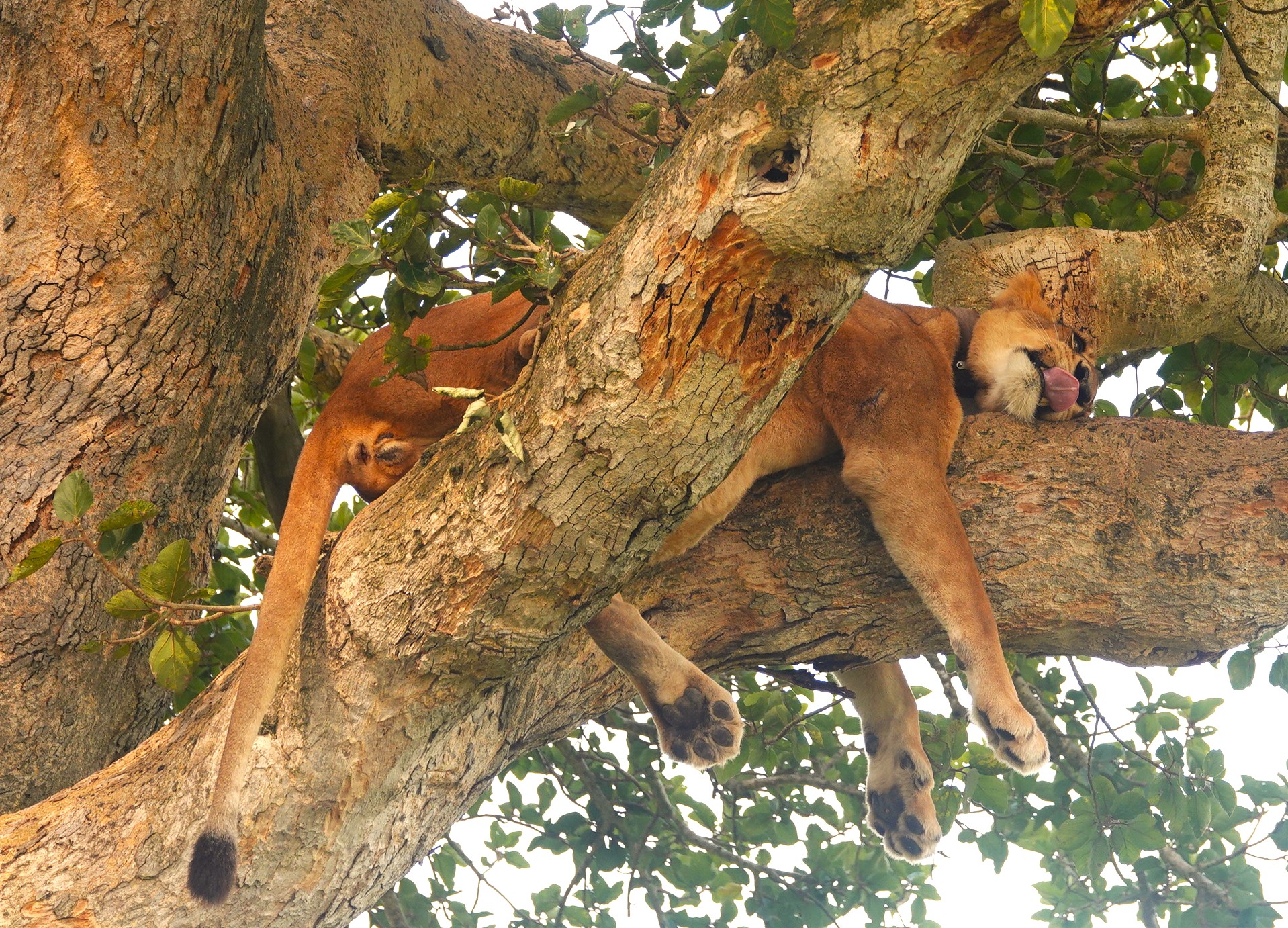
Queen Elizabeth National Park provides a different ecotourism experience. Instead of dense mountain forests, travellers encounter savannah, wetlands, lakes and wildlife.
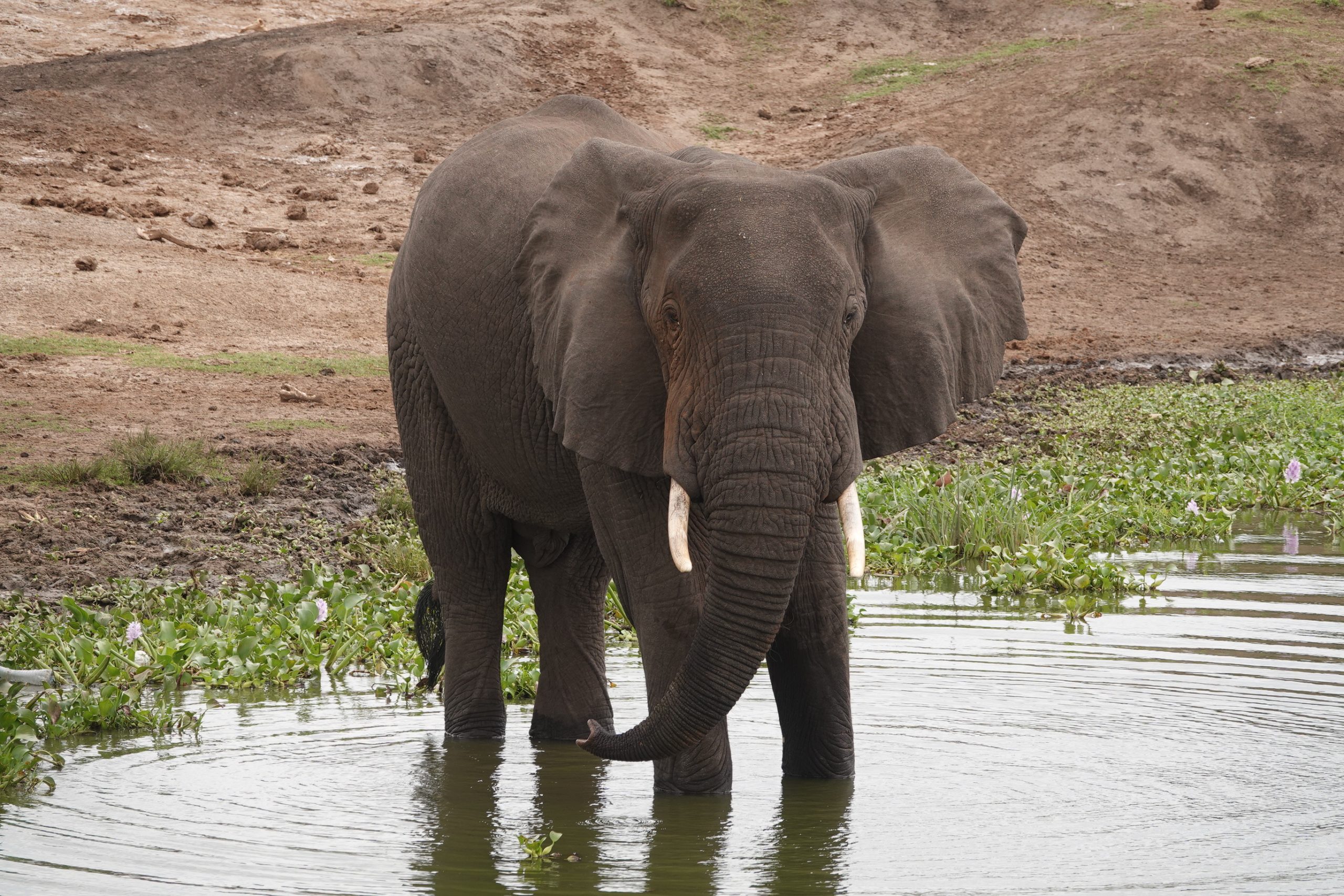
The park is famous for species such as elephants, buffaloes, hippos, lions and many bird species. The Kazinga Channel boat cruise is another popular experience. Responsible wildlife viewing is essential because animals should be observed without unnecessary disturbance.
Kibale National Park
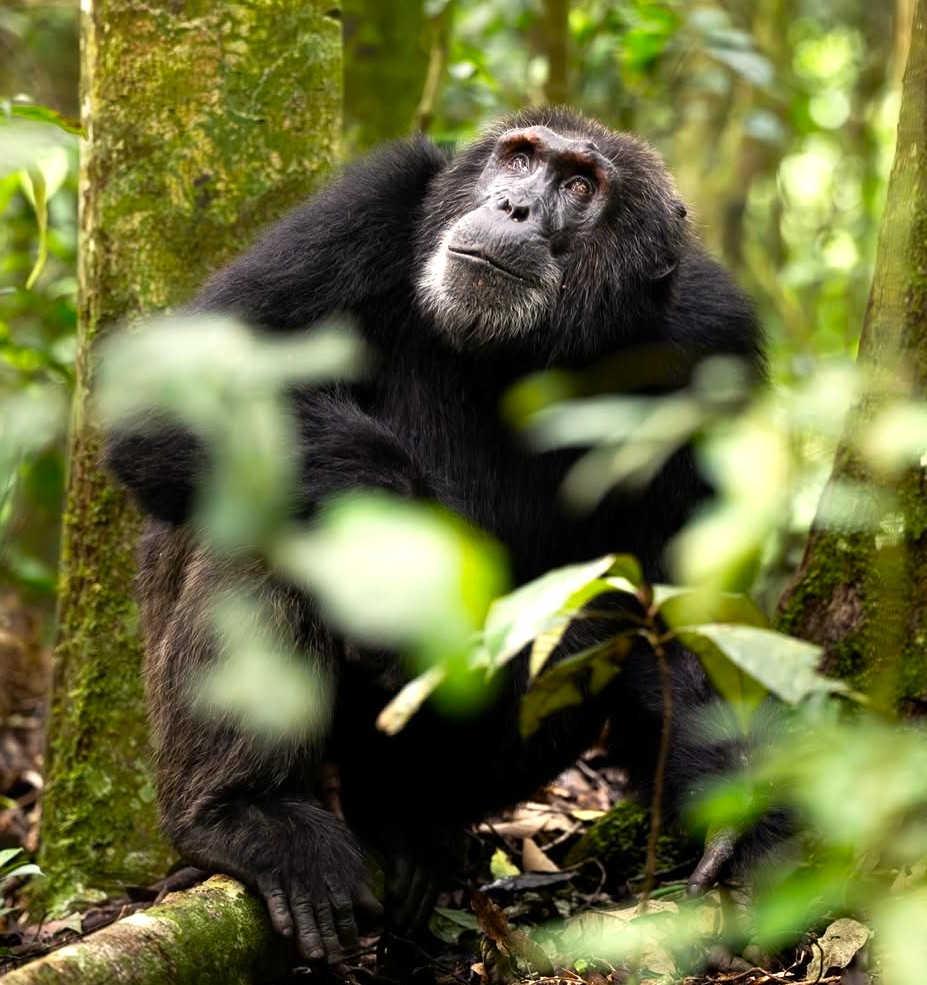
Kibale is particularly attractive to visitors interested in primates. The forest is one of Uganda’s leading destinations for chimpanzee tracking and other primate experiences.
Travellers can also combine a Kibale visit with community and nature experiences. Supporting local guides and businesses helps ensure that tourism benefits people living around the forest.
Rwenzori Mountains
The Rwenzori Mountains offer a completely different side of Uganda. Known for their dramatic peaks, glaciers and unique high-altitude landscapes, the mountains attract hikers and adventure travellers.
The Rwenzori experience fits well into an Uganda Rwanda ecotourism itinerary for travellers who want to go beyond traditional safaris. Hiking with local guides and using established trails can help visitors enjoy the mountains while respecting fragile ecosystems.
Lake Bunyonyi
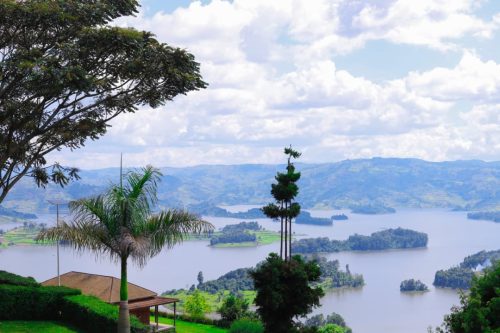
Lake Bunyonyi is one of southwestern Uganda’s most scenic destinations. The lake is surrounded by rolling hills and small islands, creating a peaceful setting after a demanding gorilla trek.
Visitors can enjoy canoe trips, village experiences, birdwatching and relaxing by the lake. Choosing locally owned accommodation and hiring local guides can help ensure that tourism income reaches surrounding communities.
Best Ecotourism Destinations in Rwanda
Rwanda is compact, but its landscapes offer remarkable ecological diversity. The country’s national parks provide several ways to experience nature while supporting conservation.
Volcanoes National Park
Volcanoes National Park is one of Rwanda’s most important tourism destinations. It protects part of the Virunga volcanic ecosystem and is famous for mountain gorilla trekking.
The park also offers golden monkey tracking and volcano hiking. Gorilla tourism has become an important part of Rwanda’s conservation model. The country’s annual Kwita Izina conservation event continues to highlight the relationship between gorilla protection, tourism and community development.
Akagera National Park
Akagera offers a different experience from the volcanic mountains. Its savannah, wetlands and lakes support a wide variety of wildlife.
Visitors can enjoy game drives and boat trips while exploring one of Rwanda’s most important protected landscapes. Akagera is an excellent choice for travellers who want to include a traditional African safari in their ecotourism journey.
Nyungwe National Park
Nyungwe is a vast montane rainforest in southwestern Rwanda. It is known for its primates, birds and forest scenery.
One of the best-known experiences is the canopy walk, which gives visitors a different perspective of the forest. Chimpanzee tracking and other forest activities can also be included depending on park conditions and availability.
Gishwati-Mukura National Park
Gishwati-Mukura provides another example of Rwanda’s focus on conservation and ecological restoration. Gishwati-Mukura became Rwanda’s fourth national park and was later recognised as a UNESCO Biosphere Reserve. Rwanda’s tourism authorities have linked the area with biodiversity conservation and sustainable tourism.
How to Travel Responsibly in Uganda and Rwanda
Responsible travel starts before you leave home. Choose a licensed tour operator, use trained guides and select accommodation that takes environmental and community concerns seriously.
During wildlife experiences, always follow instructions from guides and park authorities. Do not feed animals or attempt to attract them for photographs. Keep a respectful distance and avoid loud behaviour around wildlife.
Plastic waste is another important concern. Carry a reusable water bottle where practical and avoid unnecessary single-use plastics. Dispose of waste properly and never leave rubbish in forests, parks, lakes or hiking areas.
Water and energy also matter. In lodges, use electricity and water responsibly. You do not need to request fresh towels every day, and you can switch off lights and equipment when leaving your room.
Your spending choices can also make a difference. Buy locally produced crafts, eat locally sourced food when appropriate and use community-based services. These decisions help keep more tourism income within destination communities.
Supporting Communities Through Ecotourism
Ecotourism works best when local communities see real benefits from tourism. Protected areas cannot exist in isolation from the people who live around them. Communities need opportunities to earn income, develop businesses and participate in conservation.
Uganda’s tourism policy recognises the need to increase benefits reaching local communities and reduce conflicts between people and wildlife. The country also supports conservation initiatives around important protected areas such as Bwindi and Mgahinga.
Rwanda follows a similar philosophy. Its conservation programmes connect tourism with community development, employment and economic opportunities. Recent government discussions on ecotourism have also stressed that sustainable tourism should create jobs, support businesses, strengthen communities and improve climate resilience.
When travelling with Zamunda Travels, visitors can include community-based experiences within their itinerary. These experiences can provide a more personal understanding of everyday life instead of limiting the trip to national parks and hotel rooms.
Eco-Friendly Accommodation in Uganda and Rwanda
Accommodation plays an important role in responsible travel. Eco-friendly properties may use solar energy, reduce plastic use, manage water carefully, source food locally or support nearby communities.
However, the term “eco-lodge” should not automatically be taken as proof that a property is fully sustainable. Travellers should look beyond marketing claims. Ask whether the property employs local people, manages waste responsibly, reduces water consumption and supports conservation or community projects.
In sensitive environments such as Bwindi, the Virunga region and Nyungwe, accommodation choices can influence the overall environmental footprint of a trip. Staying closer to your activity can also reduce unnecessary driving.
Zamunda Travels can help travellers choose accommodation based on location, comfort, budget and responsible tourism considerations.
Gorilla Trekking and Responsible Tourism
Gorilla trekking is one of the strongest examples of how tourism and conservation can work together. Both Uganda and Rwanda have developed tourism around their mountain gorilla populations, while strict visitor rules help protect the animals.
Travellers should follow all instructions given by trackers and guides. Do not touch gorillas, even if an animal approaches you. Avoid eating near them, keep noise low and follow the required distance rules.
Anyone who feels unwell should also follow the guidance provided by park authorities and tour operators. Mountain gorillas are susceptible to human respiratory illnesses, so protecting their health is a major responsibility for visitors.
The International Gorilla Conservation Programme notes that tourism revenue plays an important role in conservation and park management, while responsible visitor behaviour helps reduce risks to gorillas.
Uganda Rwanda Ecotourism: A Sample Responsible Itinerary
A combined trip can be designed around conservation rather than simply trying to visit as many places as possible.
A possible journey could begin in Kigali. Spend time exploring the city before travelling towards Volcanoes National Park. A gorilla trekking experience can then form the centrepiece of the Rwanda section.
From Rwanda, travellers can cross into southwestern Uganda and continue towards Bwindi or Mgahinga. After gorilla trekking, Lake Bunyonyi offers a relaxing stop surrounded by hills and islands.
Travellers with more time can continue towards Queen Elizabeth National Park for wildlife viewing. Those interested in primates can instead include Kibale National Park. Adventure travellers may add the Rwenzori Mountains for a longer hiking experience.
Zamunda Travels can tailor the route according to the traveller’s interests, budget and available time. This approach is useful because an ecotourism trip should not feel rushed. Spending additional time in fewer destinations can often create a richer experience while reducing unnecessary transfers.
When Is the Best Time for Ecotourism?
Uganda and Rwanda can be visited throughout the year, but weather conditions influence trekking, hiking and wildlife experiences.
The drier periods are often preferred for gorilla trekking and hiking because trails can be easier to manage. However, rainforests such as Bwindi and Nyungwe can receive rain at any time. Their wet conditions are also part of what makes these forests so rich and green.
Wildlife viewing can be rewarding in different seasons as animals respond to changing water and vegetation conditions. Birdwatchers may also find particular seasons attractive because of migratory species.
Rather than focusing only on the weather, travellers should consider the activities they want to do. Zamunda Travels can help match the travel dates with the experiences included in the itinerary.
How to Reduce Your Environmental Impact
Small decisions can make a meaningful difference during an Uganda Rwanda ecotourism journey. Travel with reusable items where possible, avoid unnecessary plastic packaging and dispose of waste responsibly.
Choose shared transfers when they make sense, especially for longer journeys. Stay on designated trails during forest and mountain activities. Do not remove plants, rocks or other natural objects from protected areas.
Photography should also be respectful. Avoid using flash around sensitive wildlife when guides advise against it. More importantly, never put yourself or an animal at risk just to capture a photograph.
Travellers can also reduce their impact by staying longer instead of taking several short trips. A longer itinerary allows visitors to explore more deeply while spreading transport and accommodation costs across a wider range of experiences.
Why Travel With Zamunda Travels?
Planning a responsible Uganda and Rwanda journey can be complicated because the two countries offer many destinations and activities. Travel times, border crossings, permits, accommodation and park regulations all need careful coordination.
Zamunda Travels can help bring these elements together in one itinerary. The company can arrange transport, accommodation, park activities, gorilla trekking experiences and other tourism activities based on the traveller’s interests.
A good travel company should do more than move visitors from one attraction to another. It should help travellers understand the places they visit and encourage responsible behaviour. For an Uganda Rwanda ecotourism journey, this means giving conservation, communities and visitor experience equal attention.
Practical Tips for an Eco-Friendly Uganda Rwanda Trip
Before travelling, check that your passport, visas and other travel documents meet the current requirements for both countries. Gorilla permits and other park activities should also be arranged in advance, particularly during busy travel periods.
Pack lightweight and reusable items. A reusable water bottle, small daypack, rain jacket, comfortable walking shoes and insect repellent can be useful for many activities.
Respect local customs and ask before photographing people. Dress appropriately when visiting communities or cultural sites. Learning a few words of the local language can also make interactions more welcoming.
Most importantly, listen to your guide. Local guides understand the environment and can explain how wildlife, forests and communities interact.
Uganda or Rwanda: Which Is Better for Ecotourism?
There is no single winner because the two countries offer different experiences.
Uganda is an excellent choice for travellers seeking variety. Its protected areas cover forests, savannahs, mountains, wetlands and lakes. Visitors can combine gorilla trekking with chimpanzee tracking, classic safaris, mountain hiking, birdwatching and cultural experiences.
Rwanda offers a more compact travel experience. Its small size makes it easier to combine several attractions within a shorter itinerary. The country has also built a strong international reputation around conservation-focused tourism, especially in Volcanoes National Park.
For travellers with enough time, combining both countries is arguably more rewarding. The two destinations complement each other rather than compete with one another.
In conclusion
An Uganda Rwanda ecotourism journey is an opportunity to experience some of East Africa’s most remarkable landscapes while contributing to the protection of nature and the well-being of local communities. From the misty forests of Bwindi and the volcanic peaks of the Virunga region to Lake Bunyonyi, the Rwenzori Mountains, Akagera and Nyungwe, the two countries offer an impressive range of responsible travel experiences.
The future of tourism depends on how destinations, businesses, communities and travellers work together. Uganda and Rwanda are both placing greater attention on conservation and sustainable tourism. Recent cooperation between the two countries has also included discussions on tourism promotion, conservation tourism and cross-border tourism circuits.
For travellers, the best approach is simple: travel thoughtfully, respect nature, support local communities and choose responsible tourism providers. With careful planning from Zamunda Travels, a Uganda and Rwanda trip can become more than a holiday. It can be a meaningful journey that leaves you with unforgettable memories while helping protect the places you came to see.